Last updated on January 2nd, 2026 at 04:07 pm
Alocasia plant varieties. There are over ninety types of these plants, and some can be bought at local Nurseries big and small.
A tuberous flowering plant that is used for indoor decor or outdoor landscaping needs if you live where there are no freezing temperatures and high humidity.
These plants do not like temperatures below 60° F. Most like high humidity and keeping the soil moist but not sloppy wet. The one exception is the Alocasia wentii more information, read below.
Are these plants toxic to pets? Yes, they are toxic to animals, especially dogs, cats, and horses.
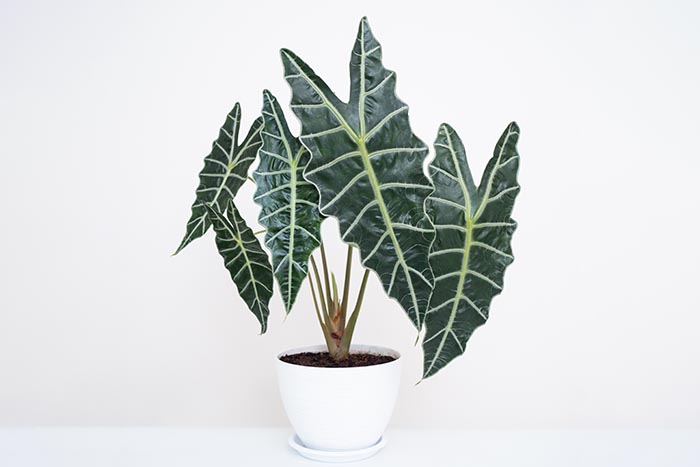
Alocasia amazonica Plant
The most common Alocasia is the Alocasia amazonica, known for its thick, glossy leaves.

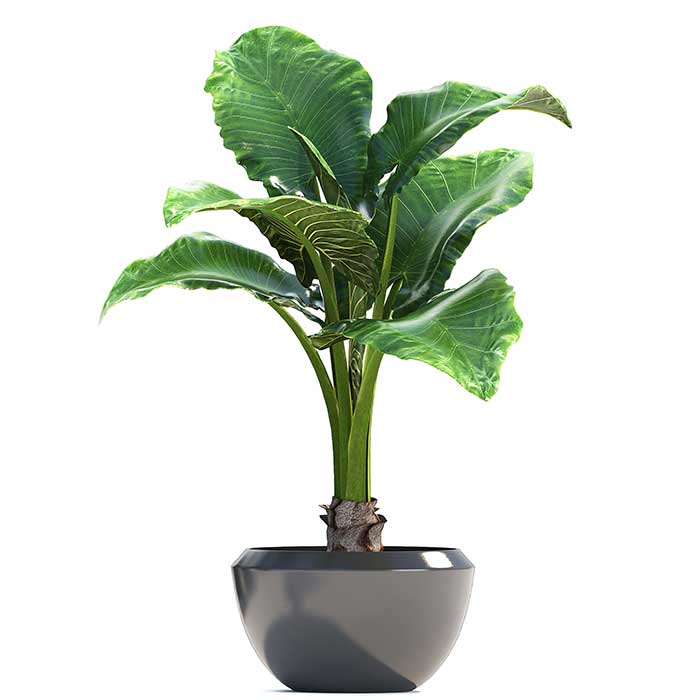
Alocasia macrorrhiza
In its natural habitat, it will grow over 12′ tall and 8′ wide. However, indoors, it will stay smaller. It likes well-drained, moist soil, and misting it a few times per month will help it grow and thrive. Place near a window but not where it gets full sunlight all day long. Also called the “Giant Taro”. It looks best in rooms with tall ceilings.
Alocasia cuprea
Known for its copper-colored foliage. They like medium to bright indirect sunlight, and misting about once per week will help with proper growth and looks. Placing them near a well-lit bathroom or shower room will help with humidity.

Alocasia wentii
Also called the “African Mask Plant”. A subtropical plant that comes from Asia and the Eastern part of Australia. It likes bright indirect sunlight, and at least 5-6 hours a day will keep it healthy. It does not like a whole lot of water; let the plant dry out before watering again.
The Alocasia plant does not like over-fertilizing, but should be fertilized at half the recommended ratio. It will grow two feet in height and 1.5 feet in width.
Now that you know more about Alocasia plants, you might try keeping one of these in your home. From my own experience, the hardiest of these is the Alocasia amazonica Plant.
Problems with Alocasia Plants
Like many houseplants, Alocasias can occasionally attract common pests such as mealybugs, spider mites, and aphids. These insects feed on plant sap, which can weaken the plant and cause symptoms like yellowing leaves, speckling, sticky residue, or distorted new growth if left untreated.
Rather than reaching for harsh chemical insecticides, a gentler and more plant-friendly option is to use insecticidal soaps. These products work by breaking down the outer protective layer of soft-bodied insects, effectively killing them on contact while remaining safe for indoor use when applied as directed.
One of the most effective natural treatments is neem oil. Neem oil not only helps control insects but also has fungicidal properties, making it especially useful for Alocasias that may be prone to leaf spot or other fungal issues in humid indoor environments. When used consistently, neem oil can disrupt insect life cycles, reduce reinfestation, and help keep foliage clean and healthy.
For best results, spray the tops and undersides of leaves thoroughly and reapply every 7–10 days as needed. Always test on a small leaf area first and avoid applying during bright direct light to prevent leaf burn.
Alocasia is a genus of rhizomatous or tuberous, broad-leaved, perennial. More information on these plants at Wikipedia.
There are many houseplants to use for your indoor decoration. Indoor Houseplant Names

Greenhouse Manager, Master Gardener, and Webmaster.
If you have any questions or enjoyed this post, feel free to share your thoughts in the comments below.