Last updated on August 11th, 2026 at 06:39 am
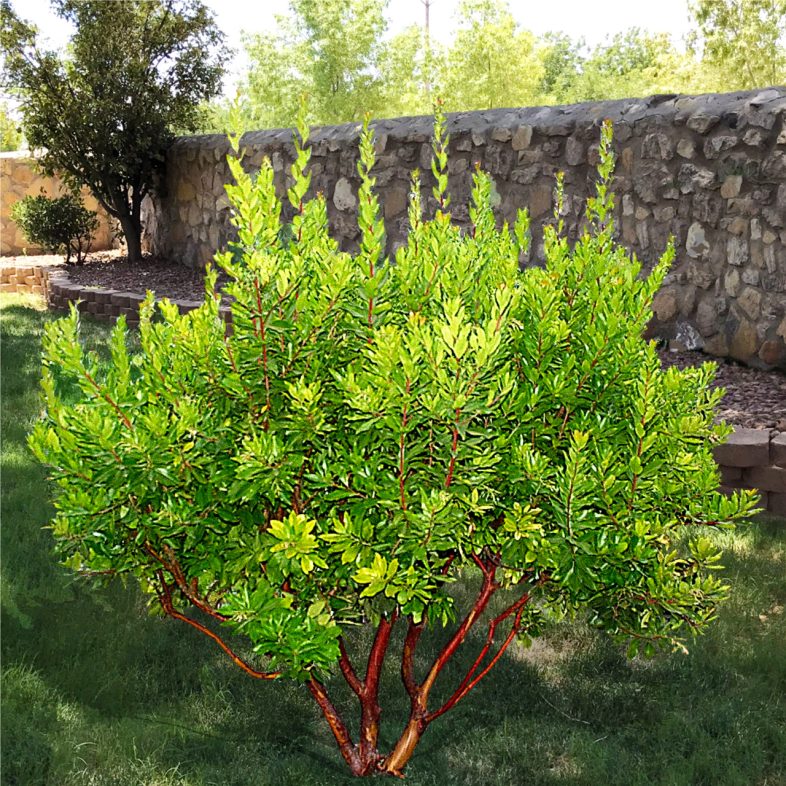
Arbutus Unedo Strawberry Tree or Bush. Sometimes sold as the Dwarf Strawberry Bush, is an excellent evergreen choice when you want something different in your garden. It can be trained as a small tree or allowed to grow naturally as a large, attractive shrub.
One of its most interesting features is that it can produce clusters of showy white, bell-shaped flowers and colorful strawberry-like fruit at the same time. The flowers typically appear from late fall through winter, while the fruit takes many months to ripen. This long ripening period is why flowers and mature fruit are often visible together.
The round fruit changes from yellow to orange and finally bright red as it matures. It is edible, although the flavor is usually mild and the texture can be somewhat grainy. Many gardeners leave the fruit for birds and wildlife or simply enjoy it for its ornamental color.
Its glossy evergreen foliage provides year-round interest, making the Strawberry Tree a good specimen plant, privacy shrub, or small accent tree for a protected Southwest landscape.
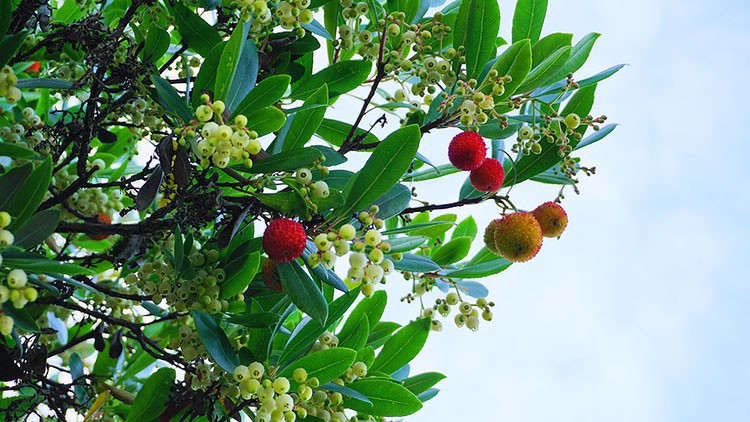
Dwarf Strawberry Bush. White bell-like flowers and colorful edible fruit.
What is the growing size?
The Strawberry Tree typically grows about 5 to 8 feet tall and nearly as wide during its early years. However, it is a slow to moderate grower and can become considerably larger after 10 to 15 years, especially when planted in good soil and given regular care.
It can easily be pruned and trained into an attractive small tree by removing the lower branches and allowing one or more main trunks to develop. You can also leave it unpruned so it grows naturally into a full, dense evergreen shrub.
Plant two or three Strawberry Trees in a row to create an attractive landscape display, informal privacy screen, or colorful border along a wall. Be sure to provide enough space between plants so they can develop their natural rounded shape without becoming overcrowded.
Where to place the Strawberry bush
Plant Strawberry Tree (Arbutus unedo) in full sun for the best growth and flowering, although it can also tolerate partial shade, making it a versatile choice for smaller garden spaces. This evergreen shrub or small tree provides year-round beauty with its dense, dark green foliage and naturally twisted branches that add character and structure to the landscape. Its unique form makes it an ideal backdrop for low-growing shrubs, ornamental grasses, and groundcovers, enhancing layered garden designs.
During the spring and summer months, the foliage remains lush and attractive, offering continuous visual interest even when not in bloom. As the seasons shift into late fall, the Strawberry Tree produces delicate, bell-shaped flowers alongside small, round fruits that resemble strawberries—adding both color and charm to the cooler months.
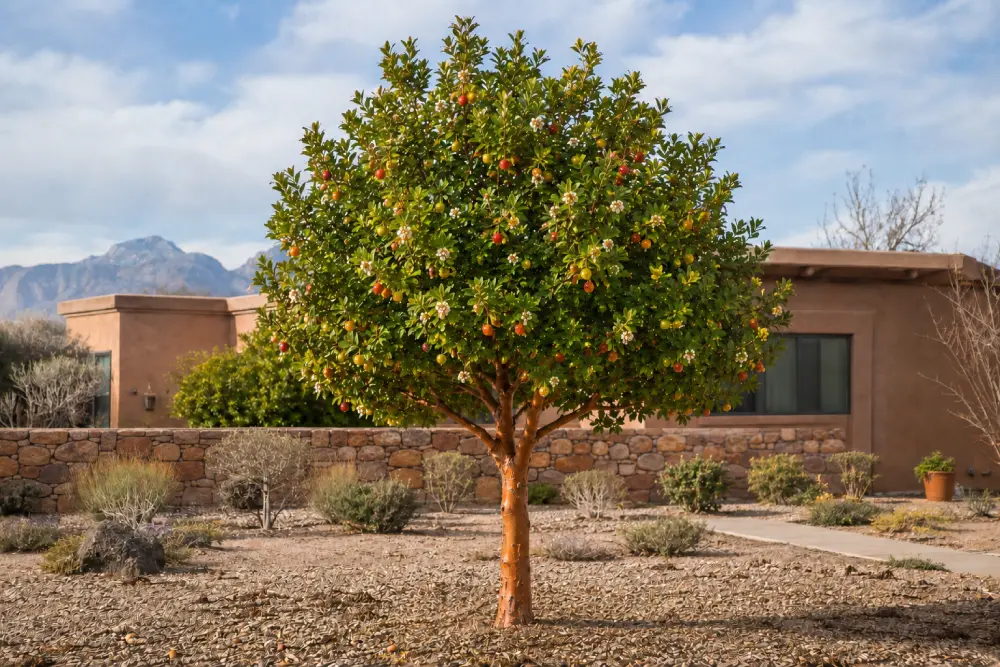
The stems and branches range in color from bright cinnamon to red-brown. See the photo below.

Care of Arbutus Unedo Strawberry Tree
It is a hardy plant and does very well in and around the Southwest. But like most evergreens, it can develop problems.
Scale and thrips will attack this plant. Scales have penetrating mouth parts that suck out the juice on stems, and thrips have needle-like mouths lined with sharp teeth that will slash and shred foliage.
Here is a post we published a while back about Scale, thrips, diseases, and other insects. Insects and Diseases Post.
Anthracnose (tree blight), rust, and Phytophthora are fungal diseases that sometimes infect this plant. It is rare around the southwest, but it does happen. Spraying with a good fungicide at the first sign of this disease is your best solution. The symptoms are usually slow-growing, with numerous red spots on foliage.
How to prevent insects and diseases
- Rake up old foliage, stems, and branches from the surrounding area.
- Avoid overhead watering, such as sprinkler watering.
- Act quickly when you see signs of trouble.
- Spray horticulture oil in early spring to prevent insect larvae from hatching.
- Neem oil will kill insects and will help remove any type of fungus.
- All in One Natural Pesticide
USDA Hardiness Zone: 7 – 9 for the Strawberry Tree.
See your USDA hardiness zone here.
Arbutus Unedo Strawberry Tree
The strawberry tree/bush is a remarkable-looking plant, plus it provides great color during the winter seasons. Don’t forget to leave a comment at the bottom of this post.

New to Southwest Gardening?
Stop wasting money on plants that will not survive our heat and drought.
My Southwest Gardening Made Simple eBook shows you which trees, shrubs, flowers, and vegetables actually thrive in New Mexico, Arizona, and West Texas.
The best plants for hot, dry climates
Common mistakes that kill Southwest plants
Easy-to-follow advice for beginners

Paul Guzman is a lifelong Southwest gardener and gardening writer with decades of experience helping homeowners grow beautiful landscapes in the desert Southwest. He writes for Guzman’s Garden Centers in Las Cruces, New Mexico, with contributing expertise from Gary Guzman, owner of Guzman’s Garden Centers. If you have any questions or enjoyed this post, feel free to share your thoughts in the comments below.