Last updated on June 25th, 2026 at 03:30 pm
The Bougainvillea for Outdoor Decor
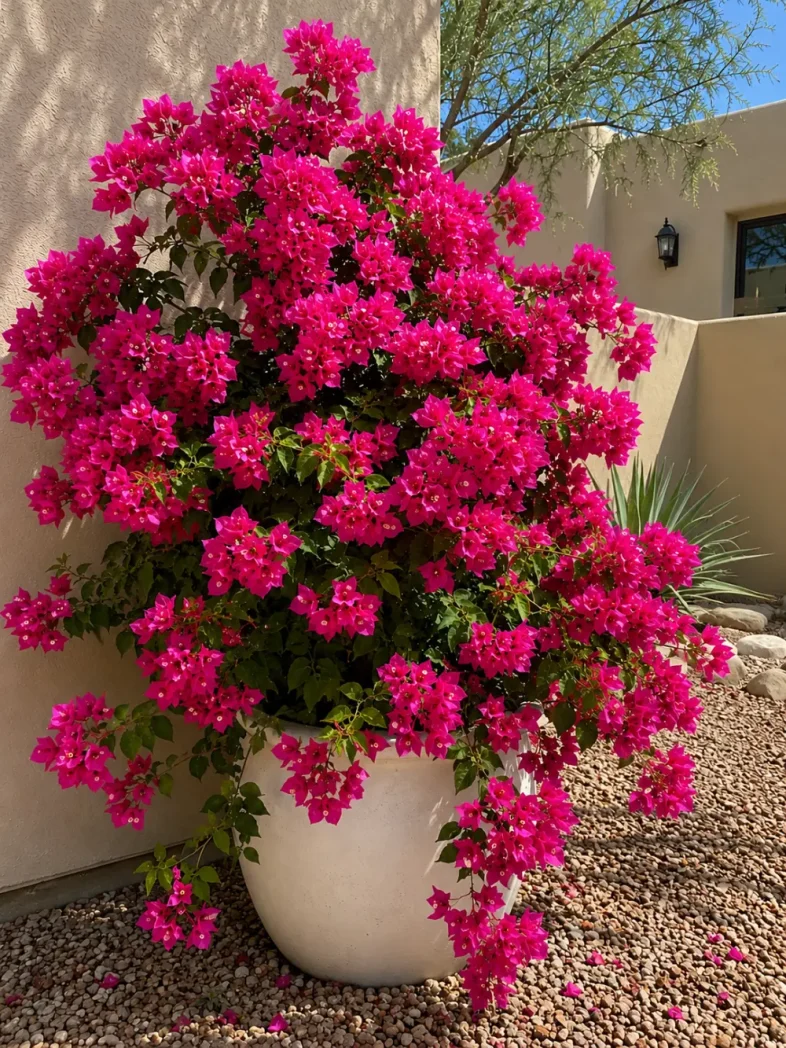
The Bougainvillea flowering plant is a spectacular summer-flowering plant. It thrives in hot climates; this makes it perfect for the southwest regions of the U.S. What it doesn’t like is freezing temperatures. If you live in areas below 32° Fahrenheit, you can still use the Bougainvillea. Read on for some great tips on keeping your Boungainvillea healthy and looking good throughout spring, summer, and early fall months.

Bougainvillea does well in Large Containers
Plant it in a large pot with a well-drained potting mix. Before you get those freezing temperatures, trim the plant back and store it indoors. Make sure it’s situated in an area with lots of sun shining through the windows. Once the winter season has passed, take it back outside in the full sun. Water and fertilize for some great spring color.
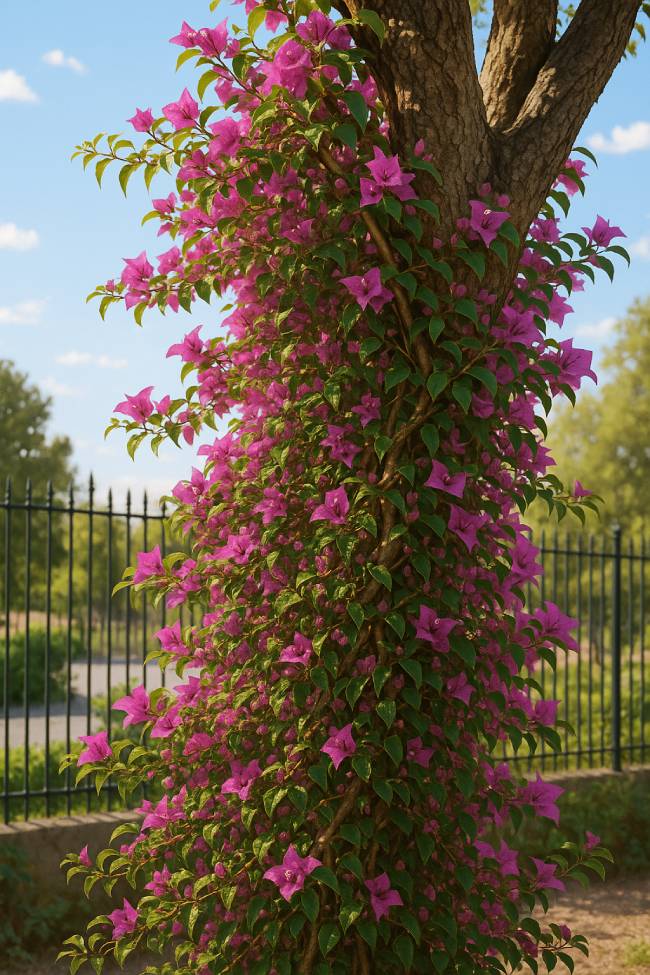
Is it a vine or a shrub? It is both as they will reach out and spread 20 ft. wide and tall. You can make it grow on a trellis or a fence, but you will need help with support.
USDA zone is 9 – 11, but it will do well in zone 8 if you follow the instructions below.
What about planting outdoors where it freezes?
Yes, you can make them overwinter outdoors. You could try planting them outdoors where they will get full sun all winter long. Prune the plant down to about root level and cover it with burlap or mulch. Furthermore, use landscaping rocks to cover them during the winter seasons. This does work, however, if temperatures get below 20 degrees Fahrenheit during the winter seasons in your zone, there is a good chance it will not recover.
Make sure to water at least 2-4 times per month during the winter season. Remove burlap or mulch after the last frost in your area.
Prune, Fertilize, and Water Bougainvillea
This plant will bloom continuously throughout spring, summer, and fall with proper care. As the stems become long and leggy or the flowers begin to fade, don’t hesitate to give the plant a good pruning. Cut it back more than you might think is necessary, then water it deeply and apply a balanced fertilizer.
Before long, you’ll be rewarded with fresh new stems and another flush of colorful blooms. I’ve repeated this process three to four times during the growing season with excellent results. A balanced 20-20-20 fertilizer works very well to encourage healthy growth and abundant flowering.
Avoid planting them in waterlogged areas. Make sure they have plenty of sunshine and thin them out 2-3 times per season.
Use the Bougainvillea in and around Arbors and trellises for a pronounced effect. Don’t forget to trim after stems and flowers start to fade. You will be rewarded with new flowers.
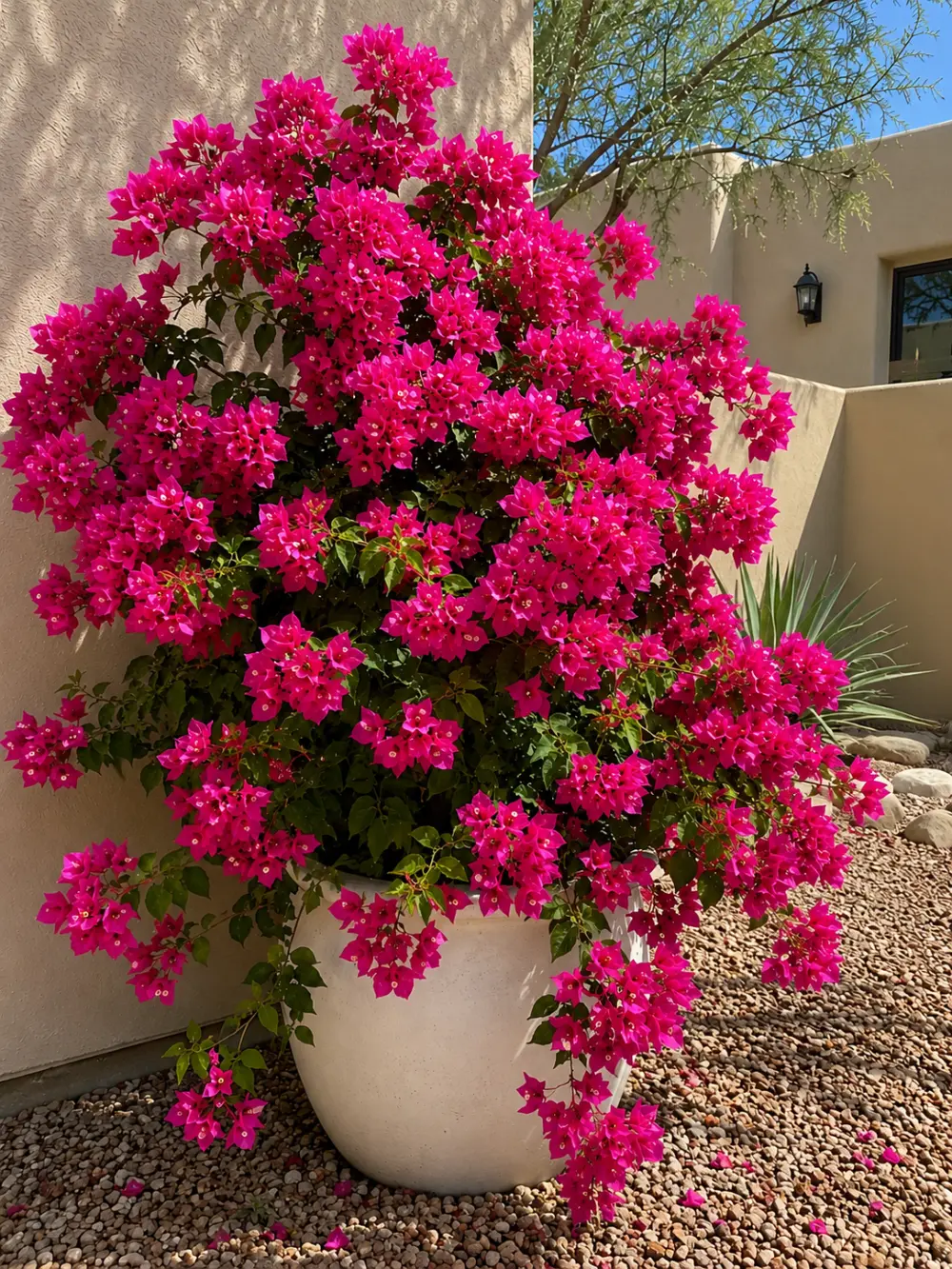
You can also use them as hanging baskets. If using them on a wall, they will need support so that the stems will cling to trellis, wire, or metal fencing. They are fast growers and come in numerous colors.
Types of Bougainvillea
There is the Purple Queen, Scarlett O’Hara, The Gold Rush, and Barbara Karst Bougainvillea shown above. See more images and descriptions of these plants over at Monrovia.com
Purple Bougainvillea
The most common is the Purple Bougainvillea. Will grow about 15 ft. tall and 10 ft. wide. Additionally, they will bloom from late spring until early fall.

Problems with the Boungainvillea Plants
Even though Bougainvillea is considered one of the most pest-resistant and disease-resistant flowering plants for the Southwest, it can still develop a few problems from time to time. The most common insect pests are aphids. These small insects gather on tender new growth, stems, and flower bracts, where they feed by sucking plant juices. Heavy infestations can cause distorted leaves, curled growth, and a sticky substance called honeydew. This honeydew often attracts ants and can lead to the development of black sooty mold on the foliage.
Aphids are usually easy to control when caught early. Spraying with a quality insecticide will eliminate them quickly. Gardeners who prefer a more natural approach can use insecticidal soaps or Neem oil. These organic products are effective but typically require several applications at 7- to 10-day intervals to achieve good control. Be sure to spray both the tops and undersides of the leaves where insects like to hide.
Spider mites can also become a problem during hot, dry weather, especially when plants are stressed from lack of water. These tiny pests are difficult to see with the naked eye but can cause leaves to appear dusty, speckled, or bronze-colored. Increasing humidity around the plant and using a miticide or insecticidal soap can help control infestations.
Most disease problems occur when Bougainvillea receives too much water or grows in poorly drained soil. Overwatering can lead to root rot, yellowing foliage, leaf drop, and a general decline in plant health. Bougainvillea prefers to dry slightly between waterings and performs best in well-drained soil. In fact, slightly drier conditions often encourage heavier blooming.
The good news is that serious pest and disease problems are relatively uncommon. With plenty of sunlight, proper watering, and occasional monitoring for insects, Bougainvillea remains one of the easiest and most colorful landscape plants for Southwest gardens. Once established, it can provide years of vibrant blooms with very little maintenance.
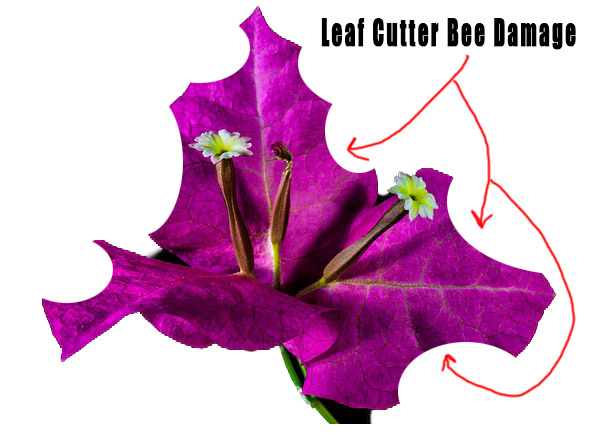
Another problem with bougainvillea is leaf-cutter bees. They will cut a perfect half-moon-type half-circle into Bougainvillea’s blooms. They do not eat the flowers or their leaves; they simply cut them out and use them for a nest. Use a good insect repellent to keep them away from your Boungainvillea plants.
Bougainvillea plants, with their vibrant and eye-catching blossoms, are a true delight for any garden enthusiast. However, like any living organism, these plants are not exempt from encountering problems along the way.
One common issue that gardeners face with bougainvillea plants is their susceptibility to root rot. This occurs when the roots are constantly soaked in water, leading to the growth of harmful fungi that attack the roots and cause them to decay.
To prevent this, it is crucial to ensure proper drainage for the plant by using well-draining soil and avoiding overwatering. Another problem that bougainvillea plants may encounter is pests, such as aphids or mealybugs.
These tiny creatures feed on the plant’s sap, causing the leaves to yellow and distort. To combat this, regular inspections and the use of organic insecticides can help keep these pests at bay.
Toxicity to Pets: Bougainvillea is considered mildly toxic to dogs and cats. Ingestion may cause minor stomach upset, vomiting, or diarrhea. The plant’s sharp thorns can also cause physical injury. While serious poisoning is rare, it is best to keep pets from chewing on the plant.
Conclusion
Despite these challenges, with proper care and attention, bougainvillea plants can thrive and continue to bring beauty to any garden. So, don’t let these problems discourage you from embracing the magnificence of these stunning plants!
Bougainvillea flowering plant
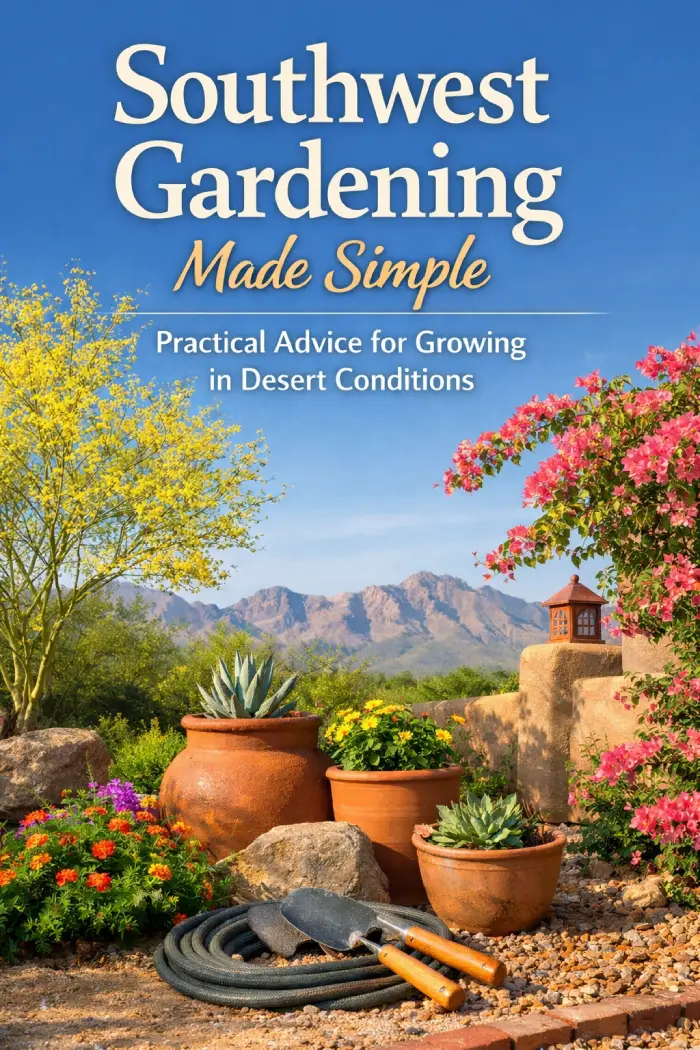
New to Southwest Gardening?
Stop wasting money on plants that will not survive our heat and drought.
My Southwest Gardening Made Simple eBook shows you which trees, shrubs, flowers, and vegetables actually thrive in New Mexico, Arizona, and West Texas.
The best plants for hot, dry climates
Common mistakes that kill Southwest plants
Easy-to-follow advice for beginners

Paul Guzman is a lifelong Southwest gardener and gardening writer with decades of experience helping homeowners grow beautiful landscapes in the desert Southwest. He writes for Guzman’s Garden Centers in Las Cruces, New Mexico, with contributing expertise from Gary Guzman, owner of Guzman’s Garden Centers. If you have any questions or enjoyed this post, feel free to share your thoughts in the comments below.
Great advice for all plants! Thx!!