Last updated on May 10th, 2026 at 02:26 pm
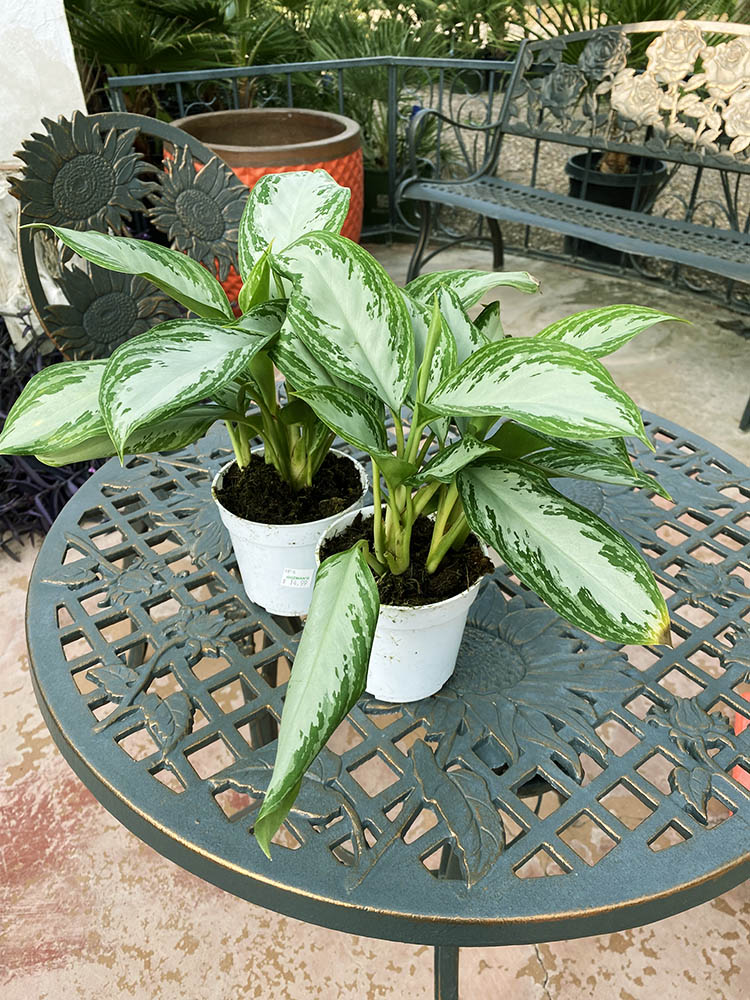
Diamond Aglaonema How to care. This plant is a beautiful evergreen houseplant grown for its lush foliage. Green leaves with a speckled soft white color in the middle. Most people call it a Chinese Evergreen plant, and you can usually spot one at your local plant shop or greenhouse pretty easily across the U.S. They’re everywhere because they’re easy to care for, and most places that sell plants keep them in stock since people like how simple they are to grow indoors. Some bigger stores might not have as many types, but those smaller spots in your town almost always carry them.
Aglaonema is a good plant to use indoors. Some will even bloom.

Care of Diamond Aglaonema
The Diamond Aglaonema likes moderate to high light, so placing them in an office setting is good. Watering is about once per week during the winter seasons, a little more often during the hot summer seasons. Your container must drain well; if not, the root system can develop root rot quickly.
From my own experience, it does not like to be in direct full sunlight, doing so, and it will quickly turn brown on its delicate foliage. However, indoors, it can take full artificial light, and they should be placed in a warm area.

Other types of Aglaonema Plants
The Ruby Aglaonema has Dark Green variegated foliage with red striped veins and a pink spotted underside. These types of plants will last indoors for a long time, and they are very easy to care for.

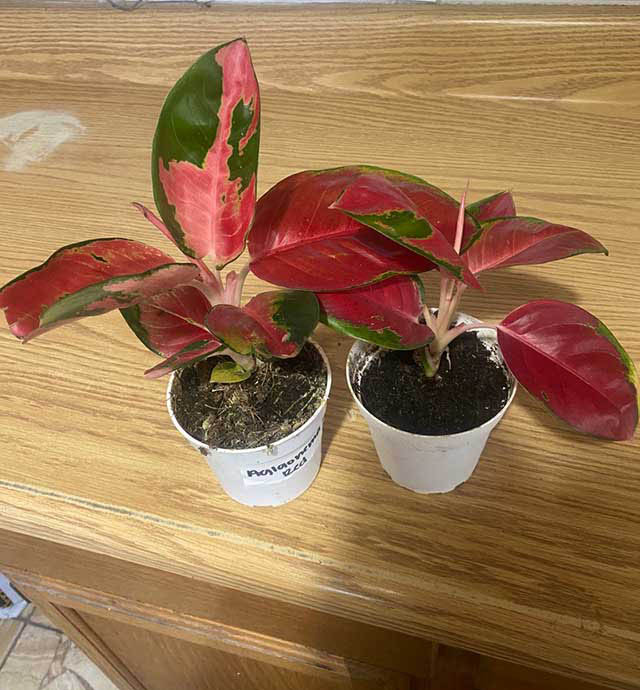
The Red Aglaonema
The Red Aglaonema is a plant that’s as beautiful as it is easy to care for, making it a popular choice for both beginners and seasoned plant enthusiasts. Its striking red and green leaves make a bold statement, brightening any room with a splash of color. You might wonder, is it as easy to care for as people say? Absolutely. This plant thrives in low to medium light, which means it can live happily in spots where many other plants wouldn’t.
The Leprechaun Chinese Evergreen
Dark green with gray stripes on the foliage. This one does not mind cooler temperatures; however, don’t place it where daytime temperatures drop below 32 ° Fahrenheit. Water about every other day and fertilize with a good houseplant fertilizer.
Problems with Aglaonema plants
Aglaonema problems are usually related to improper watering or temperature stress. These plants are fairly easy to grow indoors, but they do best when conditions stay warm and consistent.
One of the most common mistakes is overwatering. When the soil stays too wet for long periods, the leaf tips may begin turning brown, and the plant can eventually develop yellow leaves, weak stems, or even root rot. Aglaonemas prefer slightly moist soil, but they should never sit in soggy conditions.
Underwatering can also create problems. Dry soil for extended periods may cause brown crispy tips, curling leaves, and drooping foliage. Because both overwatering and underwatering can produce brown tips, it is important to check the soil before watering rather than watering on a strict schedule.
In most indoor conditions, watering about once per week works well, but this can vary depending on indoor temperatures, humidity, pot size, lighting, and the time of year. Always allow the top inch or two of soil to begin drying before watering again.
Cold temperatures are another common issue with Aglaonema plants. These tropical plants dislike cold drafts, air conditioning vents, and chilly rooms. If exposed to temperatures that are too cold, the middle portions of the leaves may develop blotchy spots, discoloration, or damaged-looking patches. Prolonged cold exposure can weaken the entire plant.
Aglaonemas grow best in warm indoor temperatures with moderate humidity and bright indirect light. Avoid placing them near cold windows during winter or in areas where temperatures drop suddenly at night.
Watch out for issues like aphids, scale insects, and root rot. These troubles can hit hard if ignored. The moment you notice any signs of these pests or problems, jump into action. Got pests? Try using insecticidal soap or neem oil for an organic fix. This approach is not only effective but also safe for your plants and the environment. Act fast and save your plants from further damage.
Instantly diagnose house plant problems – free.
There are many houseplants that you can use for indoor decoration. Read more right here at Indoor Houseplant Names.
New to Southwest Gardening?
Stop wasting money on plants that will not survive our heat and drought.
My Southwest Gardening Made Simple eBook shows you which trees, shrubs, flowers, and vegetables actually thrive in New Mexico, Arizona, and West Texas.
The best plants for hot, dry climates
Common mistakes that kill Southwest plants
Easy-to-follow advice for beginners

Paul Guzman is a lifelong Southwest gardener and gardening writer with decades of experience helping homeowners grow beautiful landscapes in the desert Southwest. He writes for Guzman’s Garden Centers in Las Cruces, New Mexico, with contributing expertise from Gary Guzman, owner of Guzman’s Garden Centers. If you have any questions or enjoyed this post, feel free to share your thoughts in the comments below.