Last updated on July 23rd, 2026 at 02:59 pm
Lately, I’ve had quite a few people, including customers and even some of our staff, ask me about the difference between Bird of Paradise plants. It’s a common question, and I understand why it can be confusing, especially if you’re new to gardening or landscaping. These plants may look similar at first glance, but there are a few key distinctions that set them apart. Let’s break it down and make it a bit easier to understand.
- Red Bird of Paradise
- Yellow Bird of Paradise
- Mexican Bird of Paradise
- Bird of Paradise
So…without further ado, here are those differences.
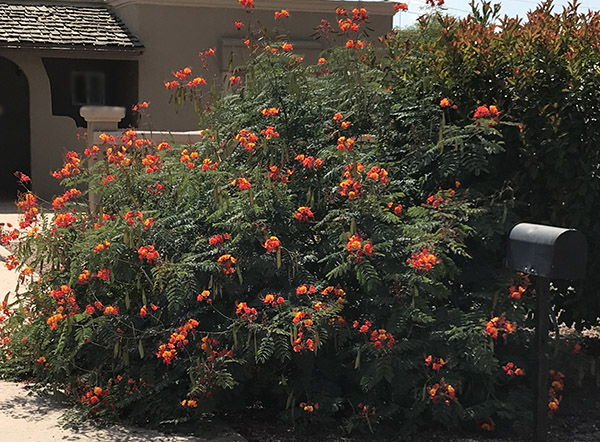
Red Bird of Paradise – Botanical name: Caesalpinia pulcherrima:

The Red Bird of Paradise in the southwest has a distinct bright red and yellow flower. Depending on what part of the Southwest you live in it could be considered a perennial. Also Called “The Pride of Barbados”. Sometimes mistakenly called the Mexican bird of paradise.
However, in colder regions or places where temperatures get below 20° degrees Fahrenheit, it is considered an annual. From my experience, it is a low-care shrub. However, it does produce seed pods in late summer, so there is some maintenance during the late growing seasons.
It will bloom all late spring, summer, and into fall.
In the Las Cruces, NM area, it can become a perennial if you do the following.
How to take care of your Red Bird of Paradise Plant
Water your Red Bird of Paradise regularly throughout spring, summer, and early fall, especially during its active growing and blooming season. Allow the soil to dry slightly between waterings, since the plant does not grow well in constantly wet or poorly drained soil. Once established, it is drought-tolerant, but occasional deep watering will encourage fuller growth and more flowers during the hot summer months.
After the first hard freeze, the foliage may turn brown and die back. During winter, trim the stems close to the ground after the plant has gone dormant. Apply a 2- to 4-inch layer of mulch over the root zone to help insulate the roots from freezing temperatures. Keep the mulch slightly away from the center of the plant to prevent excess moisture and possible rot.
In Las Cruces and other colder parts of the Southwest, Red Bird of Paradise may die back completely during winter. However, if the roots are well protected, it will usually return when the soil warms in late spring. Avoid pruning too early in the fall because the remaining stems provide some additional protection during cold weather.
You can find more information in our complete guide to growing and caring for the Red Bird of Paradise.
The Yellow Bird of Paradise Botanical name: Caesalpinia gilliesii:
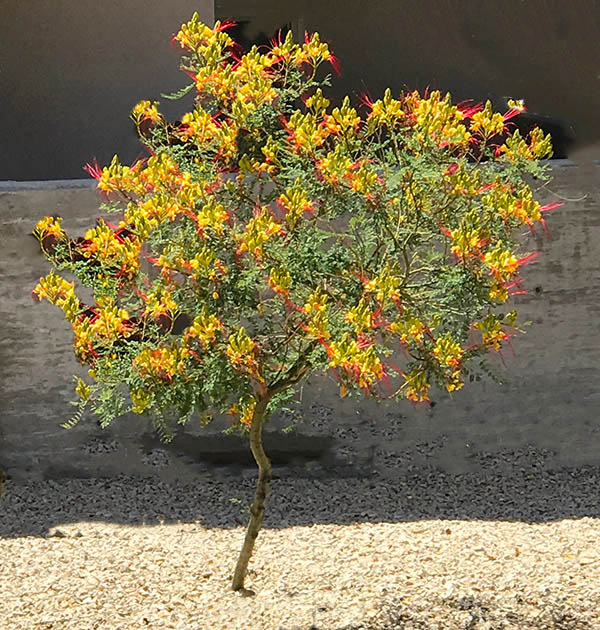
Sometimes called the Desert Bird of Paradise, this plant is not quite as showy as the Red Bird of Paradise. However, it is much hardier, requires less water once established, and needs very little maintenance. Its pale yellow flowers have long, bright red stamens that give the blooms an unusual and attractive appearance.
The Desert Bird of Paradise grows well in full sun and tolerates the heat, dry air, and poor soils commonly found throughout the desert Southwest. It is also cold-hardy and generally handles lower winter temperatures better than the Red Bird variety. Occasional deep watering during the growing season will encourage healthier growth and more flowers, but avoid keeping the soil constantly wet.
These plants frequently reseed themselves. You may notice young seedlings growing near the original plant or in other parts of the landscape. They can also be found growing wild along roadsides, vacant lots, arroyos, and undeveloped areas throughout the Southwest.
Some people call this plant the Mexican Bird of Paradise, but “Desert Bird of Paradise” or “Yellow Bird of Paradise” is a clearer name. The name Mexican Bird of Paradise is often used for the red-flowering variety, which can cause confusion. The Desert Bird of Paradise is generally identified botanically as Caesalpinia gilliesii, while the showier Red Bird of Paradise is Caesalpinia pulcherrima.
The Yellow Bird of Paradise is a perennial and will come back vigorously every year. More info here.
The Mexican Bird of Paradise Botanical name: Caesalpinia Mexicana:

The Real Mexican Bird of Paradise
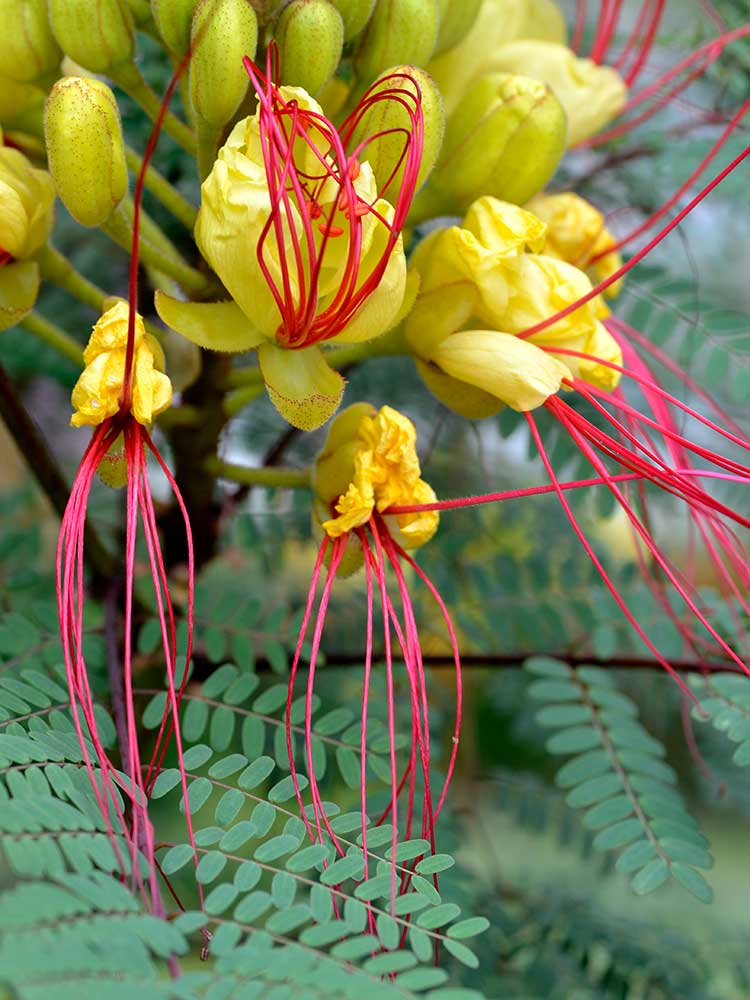
The Mexican Bird of Paradise (Caesalpinia mexicana) looks remarkably similar to the Red Bird of Paradise, but its leaves are noticeably larger and its flowers are bright yellow. Native to Mexico, it produces its heaviest flush of flowers during spring. In warmer areas, it may continue blooming intermittently into summer, depending on temperatures, rainfall, and irrigation.
This plant naturally grows as a large, upright shrub. However, many Southwest gardeners remove the lower branches and unwanted shoots to train it into the shape of a small ornamental tree. Select several strong main trunks and prune gradually to create an attractive canopy. Avoid removing too much growth at one time, since excessive pruning can weaken the plant and reduce flowering.
The Mexican Bird of Paradise is frequently planted along roads, medians, parking areas, and interstate highways throughout the Southwest. It tolerates intense sunlight, reflected heat, dry air, and poor soil once established. These qualities make it a practical choice for xeriscape landscapes and other low-water areas.
Although it is considered a low-maintenance plant, it will benefit from occasional deep watering during extended periods of hot, dry weather. Young plants should be watered more regularly until their root systems become established. Mature plants require much less irrigation, but they should still be planted in soil that drains well. Occasional pruning to remove dead branches, unwanted seedlings, and growth near the base is usually all the maintenance it needs.
Learn more about the Bird of Paradise Plant at Wikipedia.
The Bird of Paradise Botanical name: Strelitzia reginae

The flower of the bird of paradise plant S. Reginae. It will bloom about once every 4-7 years.
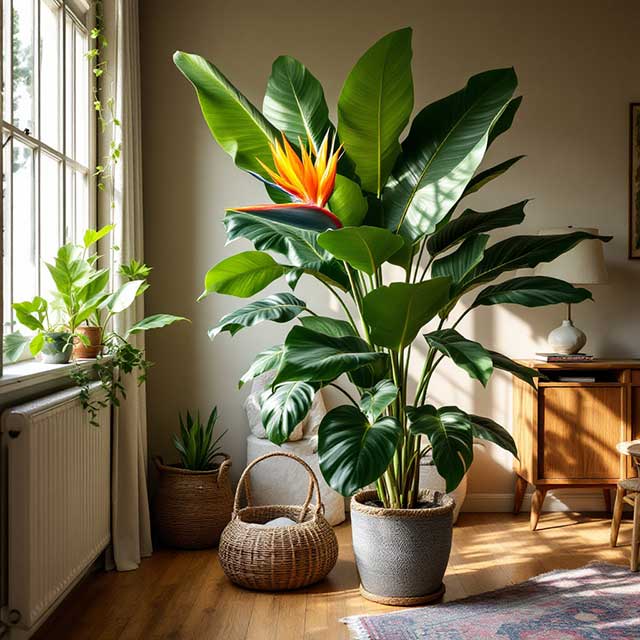
This is considered a houseplant in places where outdoor freezing temperatures are common.
In the lower elevations of the Southwest, it is placed indoors. However, if you live in an area where you do not get freezing temperatures, you can plant them outdoors.
Not only is the Strelitzia reginae visually striking, but it also has some amazing qualities that make it even more fascinating. This plant is native to South Africa and thrives in warm climates. It is incredibly resilient and can tolerate drought conditions, making it a perfect addition to any garden.
In addition, the Strelitzia reginae attracts birds and butterflies, adding a touch of natural beauty to your outdoor/indoor space.
One of the best things about the Strelitzia reginae is that it is relatively easy to care for. It prefers full sun or partial shade and well-draining soil. Watering should be done regularly but not excessively, as overwatering can lead to root rot.
Pruning is necessary to maintain its desired shape and remove dead leaves or flowers. With a little bit of love and attention, this plant will reward you with its vibrant blooms year after year.
They can get up to twelve feet in height and about 4-5′ feet wide. Great for those who have high room ceilings. More on How to Grow a Bird of Paradise Plant.
Difference Between Bird of Paradise Plants
You should now know the difference between these plants. You can also search using the botanical names of each plant. The top results will corroborate this post.
Please add your comment in the box provided below. We would love to hear your thoughts on these plants.
New to Southwest Gardening?
Stop wasting money on plants that will not survive our heat and drought.
My Southwest Gardening Made Simple eBook shows you which trees, shrubs, flowers, and vegetables actually thrive in New Mexico, Arizona, and West Texas.
The best plants for hot, dry climates
Common mistakes that kill Southwest plants
Easy-to-follow advice for beginners

Paul Guzman is a lifelong Southwest gardener and gardening writer with decades of experience helping homeowners grow beautiful landscapes in the desert Southwest. He writes for Guzman’s Garden Centers in Las Cruces, New Mexico, with contributing expertise from Gary Guzman, owner of Guzman’s Garden Centers. If you have any questions or enjoyed this post, feel free to share your thoughts in the comments below.
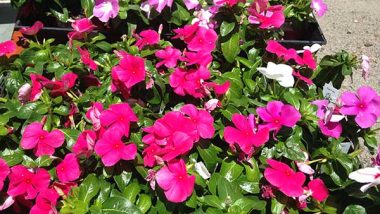
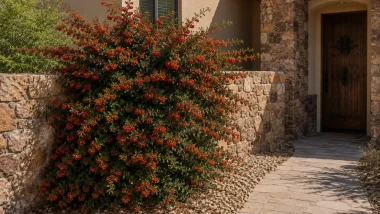
The last 2 pics are not the same plant. Strelitzia Nicole is the giant BOP, with a creamy white/blue flower, and looks sort of like a banana tree. The very last pic is S. reginae, a 4′ tall plant with bright orange/blue flowers.