Last updated on May 8th, 2026 at 10:26 am
Garden stock plants are also known as Matthiola incana plants. Commonly called Stock Plants, hoary Stock, or just Stock. These colorful plants are grown as annuals in the Southwest and other parts of the country. They are grown and used in flowering bed gardens and planted for their pleasant sweet smell and their wonderous flowering color.

Stock Flowering Plants
Stock plants are excellent for adding vibrant landscape color during the spring, summer, and even into the fall season. Their rich blooms, especially in shades of purple, blue, pink, and white, can really brighten up flower beds, borders, containers, and entryways. When I first got started in gardening many years ago, I would often confuse stock plants with snapdragons because of their somewhat similar flower spikes and colorful blooms. However, stock plants are known for their sweet fragrance and dense clusters of flowers, which make them especially attractive in the garden.
Stock (Matthiola incana) is considered a tender perennial, although many gardeners in the Southwest grow it as a cool-season annual for the best flowering display. It generally performs well in USDA zones 7–10, where winters are milder. In areas with intense summer heat, stock plants usually look their best during the cooler months of spring and fall. With plenty of sunlight, well-drained soil, and regular watering, they can provide weeks of beautiful color and a pleasant fragrance in the landscape.
Propagate Stock Plants
The benefit of having stock plants in the garden is that you can propagate new plants easily. By taking cuttings or dividing the plant, you can create multiple new plants from one parent plant. This not only saves you money but also allows you to share your favorite plants with friends and family. It’s like having your own little nursery right in your backyard!
Not only do stock plants provide a constant source of new plants, but they also offer a sense of stability and continuity in the garden. As the backbone of your garden, these plants create a foundation for your overall design.
They provide a consistent backdrop against which other plants can shine. With their reliable growth habit and predictable flowering or foliage patterns, stock plants bring a sense of balance and harmony to your outdoor space.
When To Plant
Springtime is when they will look their best; however, you can plant them in partial shade to make them last longer into the summer seasons. It is considered a herbaceous perennial in cooler-type climates. The most common Stock will grow from 1.5 to about 2.5 ft. tall and about 4″ wide. There are also the tall ones that reach up to 3 ft. tall.
Stock plants are hardy, easy-to-care-for plants with very little maintenance involved. Watering and occasional fertilizing are all you need to do. The blooms are long-lasting and will generate more without you having to deadhead them. There are over 50 cultivars of stock plants.
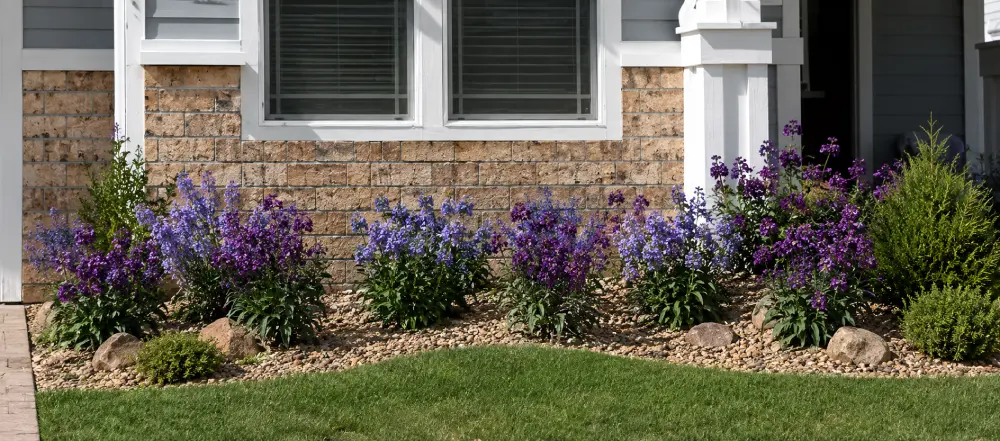
The most common flower is purple, but they also come in light pink, white, and yellow. They will go perfectly as a flowering border plant in spring. They like well-drained soil and need to be watered more often during the early summer months.
Best to fertilize once per month starting in early spring and ending in mid-summer. Use a good fertilizer with a higher analysis of phosphorus, which is the middle number on all fertilizers.
Problems with Stock Plants
They are hardy plants with few problems. Root rot can occur if your soil does not drain well. The strong, sweet smell will repel most insects, and diseases are almost non-existent. Spray with Neem oil or Insecticidal soaps when and if insects do show up.
Where to place these plants?
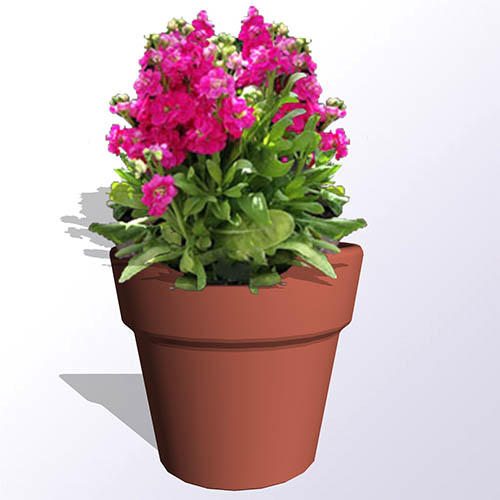
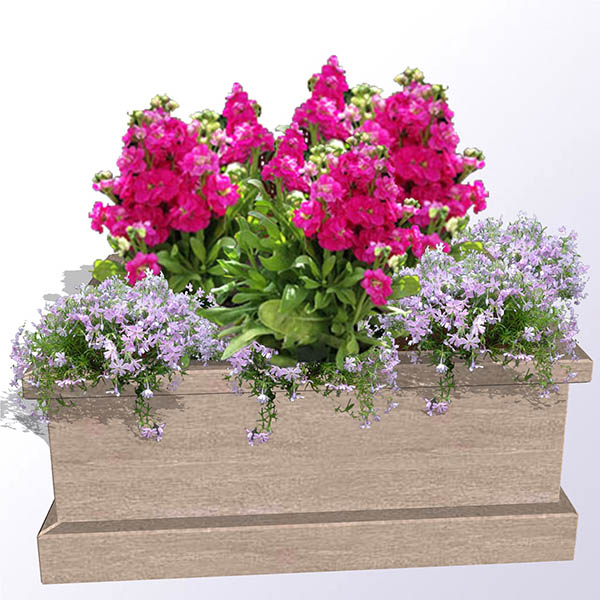
Plant them in flower beds along the border wall or in the middle with other shorter-type plants. They will bloom from early spring until it gets really hot. You can also use them in containers, plant them in the middle of the pot, and use shorter trailing plants for a great effect.
Geraniums are good companion plants.
Read more about Matthiola incana at Wikipedia.
USDA zones 7-10
Stock Flowering Plants
New to Southwest Gardening?
Stop wasting money on plants that will not survive our heat and drought.
My Southwest Gardening Made Simple eBook shows you which trees, shrubs, flowers, and vegetables actually thrive in New Mexico, Arizona, and West Texas.
The best plants for hot, dry climates
Common mistakes that kill Southwest plants
Easy-to-follow advice for beginners
Instant PDF Download - Only $19

Greenhouse Manager, Master Gardener, and Webmaster.
If you have any questions or enjoyed this post, feel free to share your thoughts in the comments below.