Last updated on December 26th, 2025 at 12:35 pm
How to care for corn plants. These plant tips are for indoor houseplant use and should not be confused with “Corn Plants” that are grown for edible purposes. There is a lengthy list of Dracaena plants, from the Lucky bamboo to the green Dracaena plant. All Dracaena plants are easy to care for and are somewhat drought-tolerant—dracaena plant care advice.
The Size of Dracaena Fragrans
Depending on the type, they will grow about five feet tall and two or three feet wide. If you trim the bottom leaves, they will grow taller. Use good, well-draining potting soil for better growth. In its natural habitat, Dracaena Fragrans will produce a flower, but rarely indoors.
Re-pot your Dracaena plant after about one year. If grown correctly, Dracaenas should double in size in a year’s time. These plants are native to Africa and Sudan and are considered tropical plants. You can have them outdoors where there are no freezing temperatures, and they should be placed in shady conditions. The bright, direct Southwest sun will scald the foliage.
The Tornado Dracaena
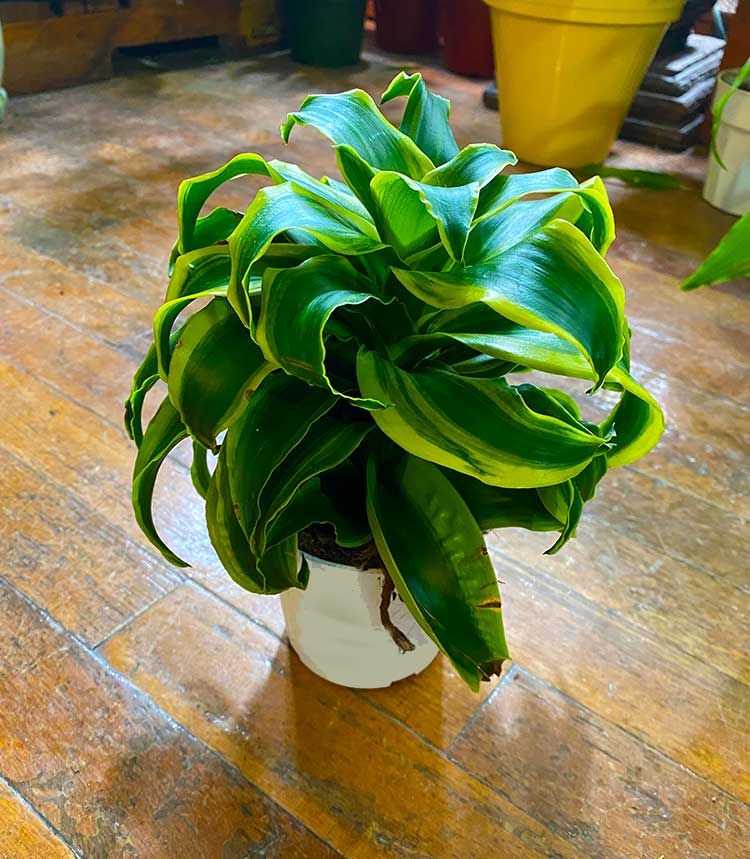
A showy, curvy display of leaves with light yellow edges. It will grow anywhere indoors; however, you should not place it where there is direct sunlight. Indirect sunlight works better on the north and east windows, and they will do well. Let the plant dry out before watering again. The Tornado Dracaena is a hard-to-find plant. If you find it at your local nursery, purchase it, and you will be happy you did.
The Striped Dracaena warnekii

Long shiny variegated leaves with light yellow stripes on their sides. Use good, loamy, well-draining soil, and be sure to let the soil dry out before watering again. Grows up to five feet tall and almost three feet wide. This beauty likes indirect sunlight and humidity.
The Limelight Dracaena
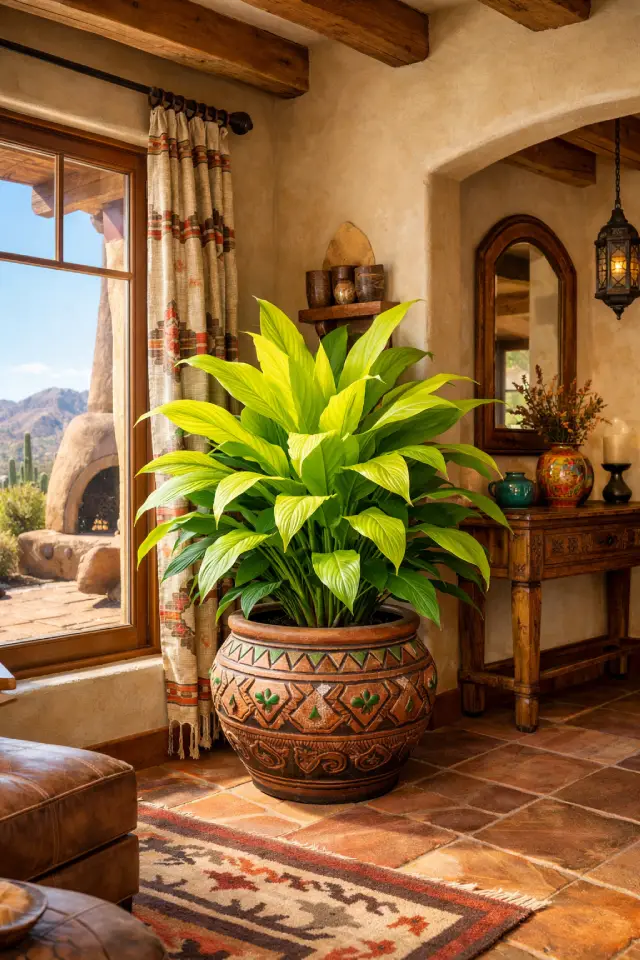
Glossy, shiny green leaves, and from my experience, it does not like cold temperatures or anything lower than 50 degrees Fahrenheit. It will start to look bad if placed where the temperatures drop below 55 degrees Fahrenheit. Furthermore, this Dracaena is a slow grower and, like most Dracaena plants, it needs good, well-drained soil. Most people tend to overwater. You should let it dry out before watering again, typically about every 8-10 days or so.
The Common Green Dracaena Plant

The Common Green Dracaena—often called the Cornstalk Plant—is one of the most popular indoor plants you’ll find at local nurseries. Its long, glossy, dark green leaves resemble the blades of corn and give any room a lush, tropical look. This hardy plant is loved for its ability to adapt to a variety of light conditions, from low-light corners to bright, indirect sunlight. It’s an excellent choice for offices, living rooms, or entryways where natural light may be limited. The Green Dracaena is also low-maintenance, requiring only occasional watering and a quick wipe of its leaves to keep them free of dust. With the right care, it can grow tall and elegant over time, making it a perfect statement plant that adds both greenery and air-purifying benefits to your indoor space.
Fertilizing Dracaena Fragrans Plants
These plants do not require frequent fertilizing; however, if they do need some, it is best to use a high-quality water-soluble fertilizer. I recommend Grow’ More’s 20-20-20 water-soluble fertilizer.
Problems with Dracaena Fragrans Plants
The most frequent problem is mealybugs. White-cottony insects are hard to spot at first, but once they are infected with these bugs, it can become a big problem. First, isolate the plant and keep it away from other houseplants. It is best to act quickly and spray with neem oil or insecticidal soap. Several applications should be done before these insects are gone.
Mealybugs love the shoots of new foliage, which is where they first start to appear. Again, act quickly, and you will have a better chance of removing these plant pests. If the plant is completely covered with these insects, it is best to wrap the plant in plastic and throw it into the garbage bin.

Are Dracaena plants Toxic?
Yes, they are toxic to dogs and cats. You can read more over at the ASPCA website.
Pet-Friendly Plants for the Southwest.
How to care for corn plants

New to Southwest Gardening?
Stop wasting money on plants that will not survive our heat and drought.
My Southwest Gardening Made Simple eBook shows you which trees, shrubs, flowers, and vegetables actually thrive in New Mexico, Arizona, and West Texas.
The best plants for hot, dry climates
Common mistakes that kill Southwest plants
Easy-to-follow advice for beginners

Paul Guzman is a lifelong Southwest gardener and gardening writer with decades of experience helping homeowners grow beautiful landscapes in the desert Southwest. He writes for Guzman’s Garden Centers in Las Cruces, New Mexico, with contributing expertise from Gary Guzman, owner of Guzman’s Garden Centers. If you have any questions or enjoyed this post, feel free to share your thoughts in the comments below.