Last updated on September 20th, 2026 at 09:05 am
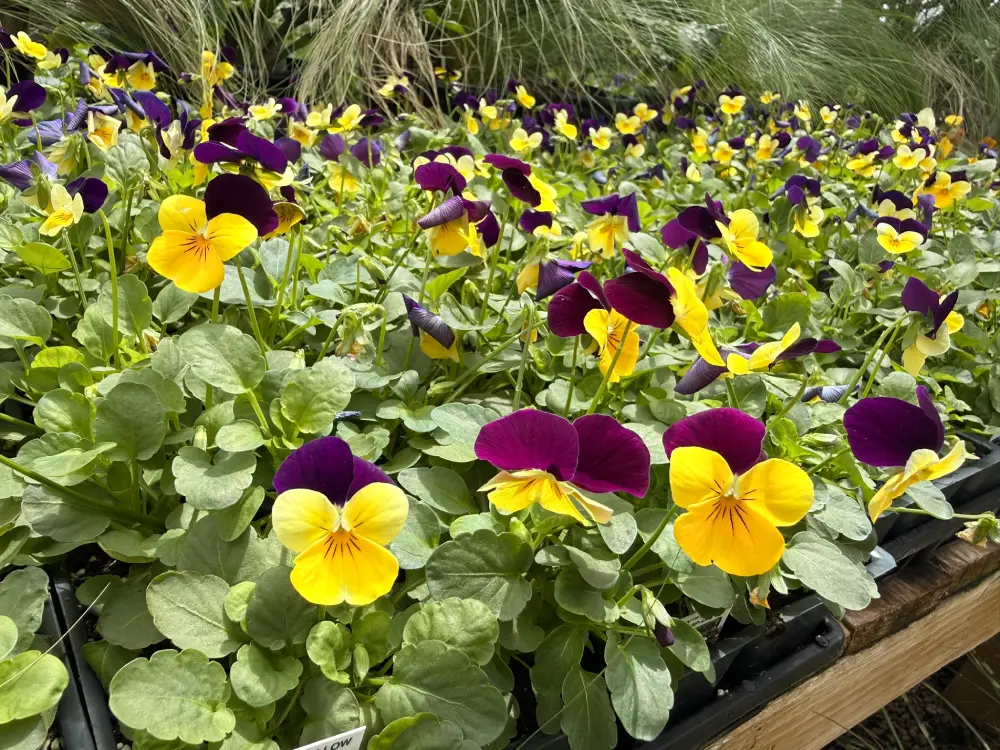
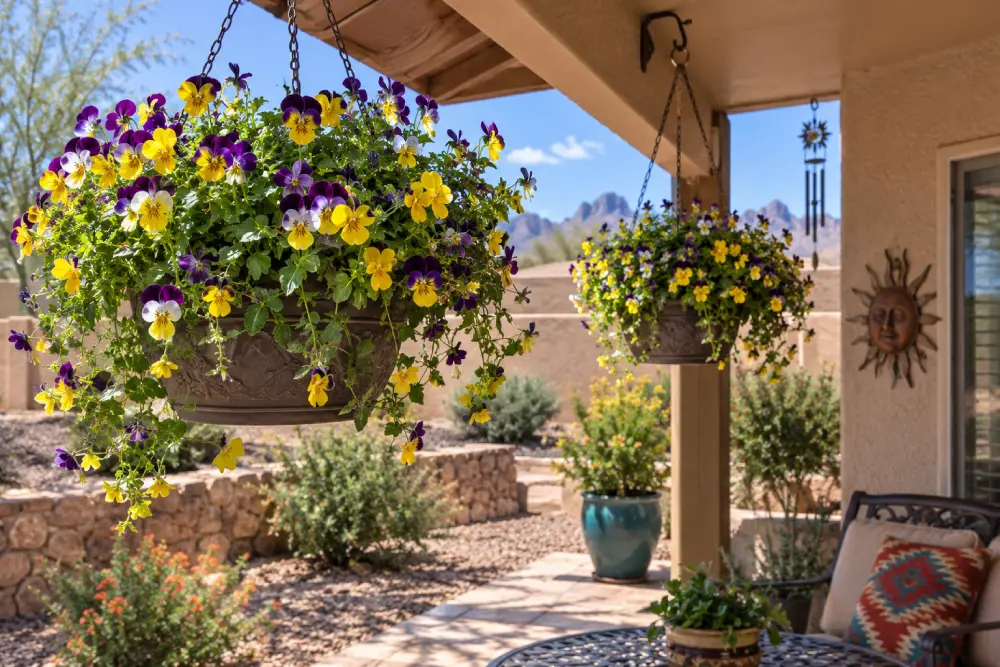
Plant them in containers or in the flowering garden. You should plant them in masses for a great-looking effect. Use them in front of taller perennials or annuals during the spring and fall months. They will do well in hanging baskets and in tall pots.
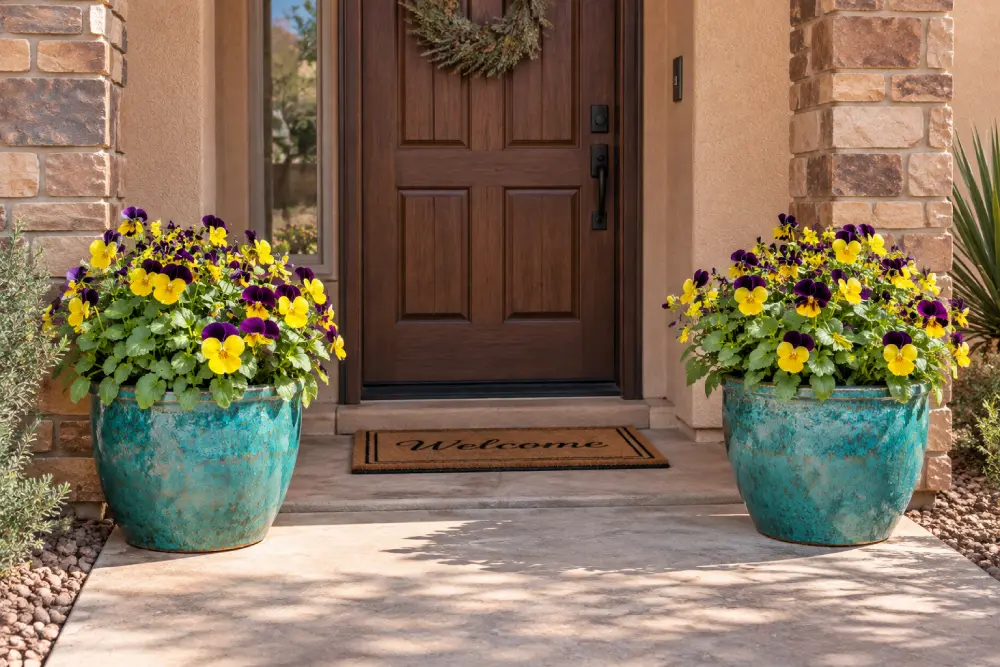

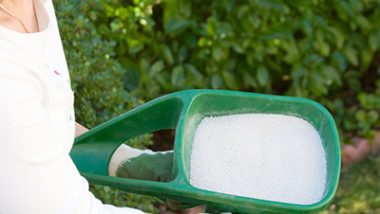
Use them in spring and fall for great outdoor colors. They like loose loamy rich soil. To keep them looking their best you should fertilize them at least twice per month. A good 20-20-20 analysis will work great. There are a ton of colors and varieties to choose from. You can visit Wikipedia for a big list of Viola Varieties right here. Viola Varieties.
This is not a drought-tolerant plant. Water every other day during the spring and fall seasons, sometimes daily, if they start to look droopy during the mid-summer heat.
Deadheading Violas will help them rebloom repeatedly. The more you are deadheading the more flowers will spring out.
Most of Viola’s plants are annuals, however, if you live in an area where freezing temperatures are rare they will come back after the fall seasons. Be sure to trim them back and cover them with mulch. This will help them spring back up in springtime. The English Viola is a hardier plant and is considered a perennial; you can read more information here.

Planting Violas for Your Garden

Johnny Jump-ups are exceptional flowering plants. They will do well in hanging baskets or in containers with other annuals or perennials. They like rich loamy well-drained soil. Feed them 1-2 times per month for better results. Use a good 20-20-20 analysis.
The Coreopsis Flowering Plant.
New to Southwest Gardening?
Stop wasting money on plants that will not survive our heat and drought.
My Southwest Gardening Made Simple eBook shows you which trees, shrubs, flowers, and vegetables actually thrive in New Mexico, Arizona, and West Texas.
The best plants for hot, dry climates
Common mistakes that kill Southwest plants
Easy-to-follow advice for beginners

Paul Guzman is a lifelong Southwest gardener and gardening writer with decades of experience helping homeowners grow beautiful landscapes in the desert Southwest. He writes for Guzman’s Garden Centers in Las Cruces, New Mexico, with contributing expertise from Gary Guzman, owner of Guzman’s Garden Centers. If you have any questions or enjoyed this post, feel free to share your thoughts in the comments below.