Last updated on June 28th, 2026 at 12:28 pm
Pyracantha varieties are quite versatile and interesting plants. When considering the nature of the pyracantha plant, one might wonder whether it is classified as a vine or a shrub. The truth is that it can be both.
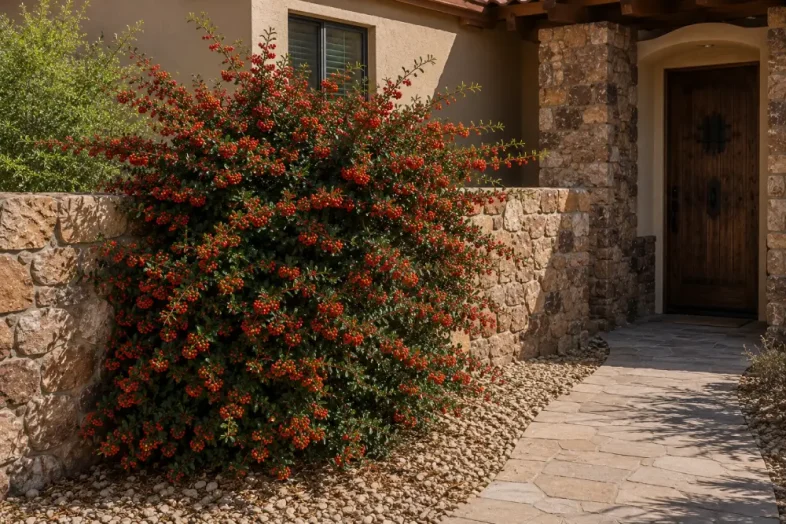
Pyracantha can be trained into a large, bushy shrub that can stand alone as a focal point in a garden, or it can be guided along structures like fences or walls, taking on a vine-like appearance. This flexibility allows gardeners to use pyracantha in various ways, making it a unique addition to any landscape.
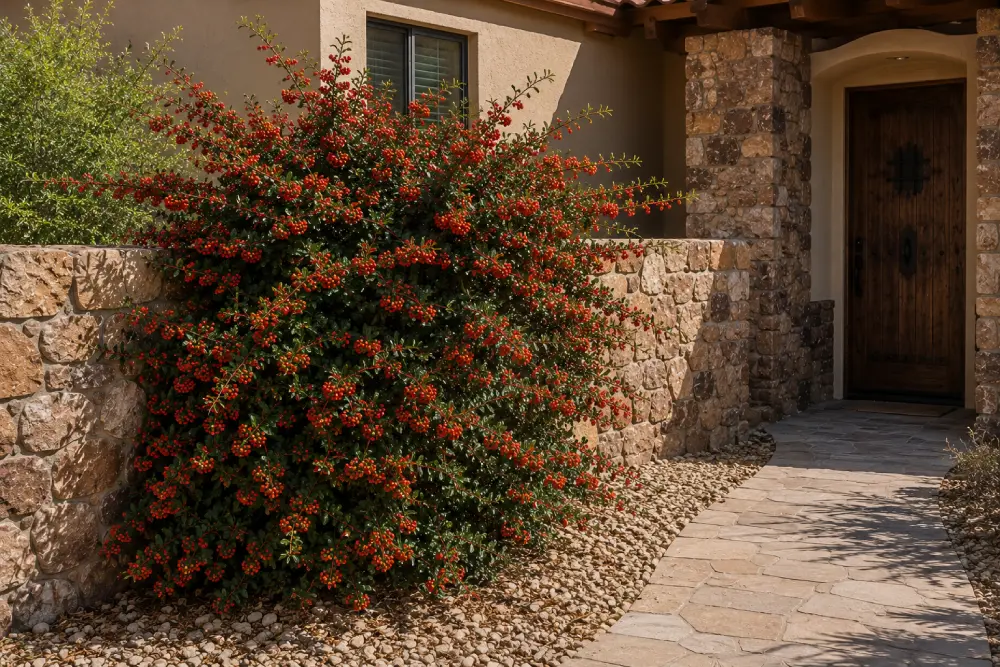
What’s particularly striking about pyracantha is its impressive display of berries, which it produces abundantly, especially during the fall season. These bright, colorful berries not only enhance the visual appeal of the plant but also persist well into late winter, providing a source of interest even when many other plants have lost their foliage.
Flowers on a Pyracantha Plant
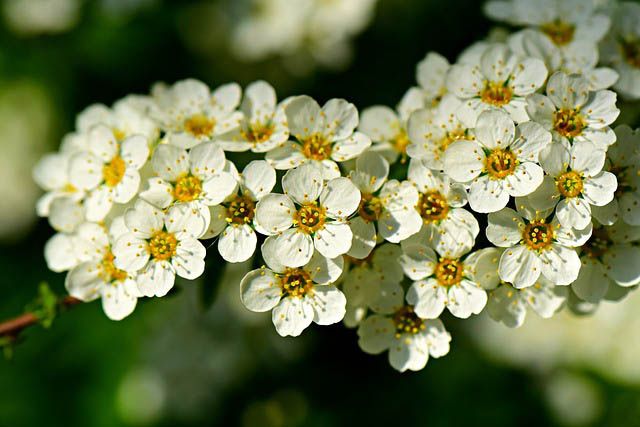
Additionally, all varieties of pyracantha will showcase charming little white flowers in the spring, creating a profusion of blossoms that attract various pollinators and add to the plant’s overall beauty.
However, it’s worth noting that while pruning can be beneficial, over-pruning may leave noticeable gaps in the plant, detracting from its lush appearance. For optimal health and growth, it is advisable to focus on removing any dead or dying limbs and branches rather than excessive pruning. This targeted approach helps to maintain a robust structure while ensuring that the plant continues to flourish.
Pyracantha plants are not really drought-tolerant it is recommended to water regularly even after establishment.
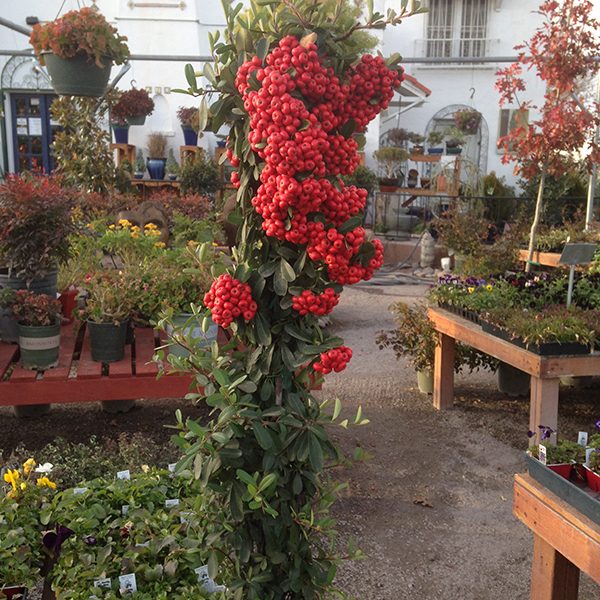
Mohave Pyracantha
Will grow dark green foliage with sharp thorns it grows upright. Highly valued for its huge masses of bright red-orange berries that create a spectacle of fall color. The Mohave will fruit earlier than other varieties. Can be used as an excellent evergreen hedge, screen, or accent plant. Can also be planted in a container, but its thorns are vicious and will impale almost anyone who tries to handle it.
A large red berry, Pyracantha, is against a wall.

The Victory Pyracantha
A good upright-growing pyracantha that displays intense red berry clusters. And it will hold them late into the season, including winter. An excellent choice for use as a hedge, screen, windbreak, or barrier planting. Small, white, spring flowers produce attractive berries in the fall.
Pyracantha fortuneana ‘Graberi’
Pyracantha ‘Graberi’ is a fast-growing evergreen shrub that is prized for its dense growth, glossy green foliage, and spectacular clusters of bright red berries that appear in fall and often persist through late winter. In spring, the shrub is covered with masses of small white flowers that attract bees and other beneficial pollinators before giving way to the colorful berries. It performs best in full sun and well-drained soil and is highly tolerant of heat, drought, and many Southwest growing conditions once established.
This versatile shrub is an excellent choice for planting along walls, fences, or property lines, where it can be trained as an espalier or allowed to grow naturally into a dense screen. Its thorny branches make it an outstanding barrier hedge for deterring unwanted foot traffic while also serving as an effective windbreak and privacy screen. Birds are attracted to the berries during the colder months, adding seasonal interest to the landscape. With occasional pruning to maintain its size and shape, Pyracantha ‘Graberi’ provides year-round beauty, security, and wildlife value in Southwest gardens.
Pests and Diseases on Pyracantha
Pyracantha varieties will get diseases, mainly pyracantha scab and fireblight. But these diseases can be treated with an all-purpose fungicide spray. To avoid diseases, make sure the soil drains properly and keep it away from sprinkler overspray.
Fertilize with a good all-purpose fertilizer once in spring, summer, and fall for good, healthy pyracantha plants.
Insects Problems. The woolly aphid will attack all pyracantha varieties. Spray with a systemic insecticide for best results, and do this at the initial sight of insects.
Missouri Botanical Garden – Pyracantha Plant Finder
Pyracantha Varieties

New to Southwest Gardening?
Stop wasting money on plants that will not survive our heat and drought.
My Southwest Gardening Made Simple eBook shows you which trees, shrubs, flowers, and vegetables actually thrive in New Mexico, Arizona, and West Texas.
The best plants for hot, dry climates
Common mistakes that kill Southwest plants
Easy-to-follow advice for beginners

Paul Guzman is a lifelong Southwest gardener and gardening writer with decades of experience helping homeowners grow beautiful landscapes in the desert Southwest. He writes for Guzman’s Garden Centers in Las Cruces, New Mexico, with contributing expertise from Gary Guzman, owner of Guzman’s Garden Centers. If you have any questions or enjoyed this post, feel free to share your thoughts in the comments below.