Last updated on June 20th, 2026 at 10:28 am
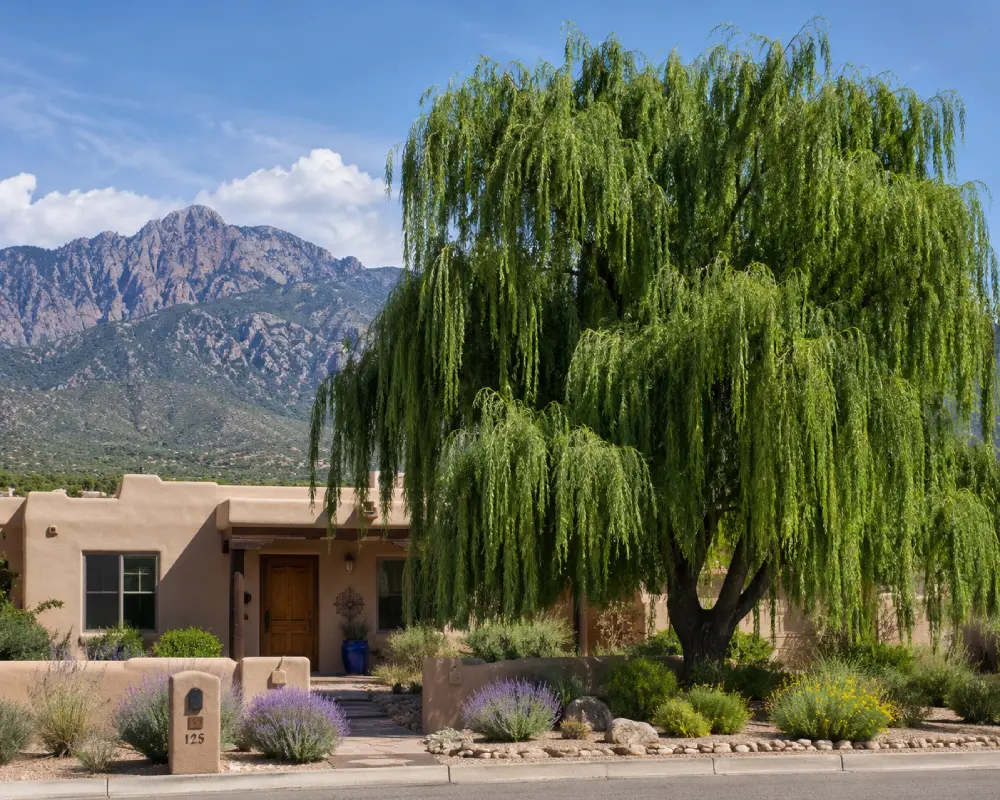

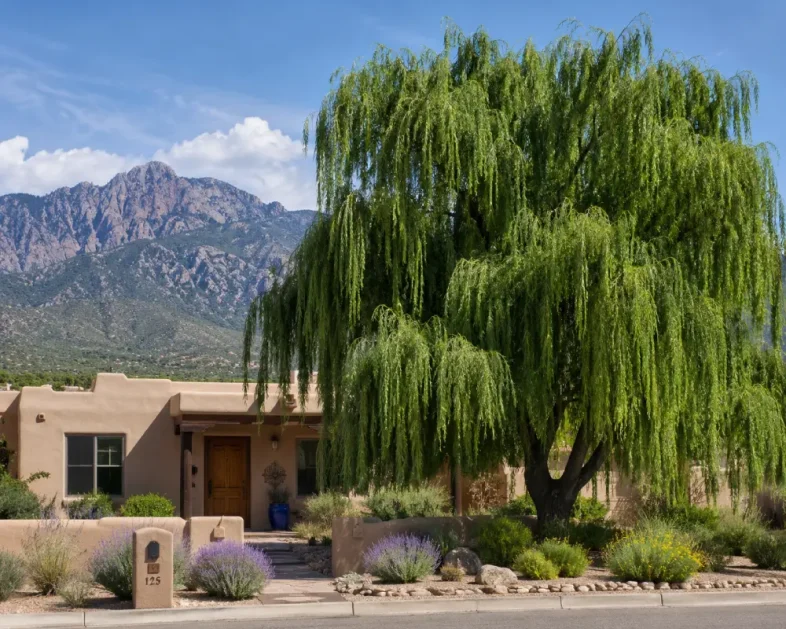
Give it plenty of space to grow and place it where water drains after heavy monsoon rains. It is a good idea to plant a stand-alone tree in front of a large yard. It provides lots of shade for those looking for a good shade tree.
Weeping Willow problems
The weeping willow tree is susceptible to borers, especially the emerald ash borer. Borers will bore a hole into the tree, usually followed by clear Sap. Purchase borer control from your local nursery. Its soft wood makes it easy for most borers to penetrate its limbs and trunk.
How Fast will a Weeping Willow grow?
The Weeping Willow is a large tree that grows super fast. With regular watering and fertilizing, it can double its size in just one year. But because of its rapid growth, it often sheds old limbs and branches. That means you’ll need to spend a lot of time cleaning up and maintaining it during the growing season.
When to Prune a Willow Tree?
As mentioned before, these trees grow fast, and It’s best to prune in late winter or early summer for new vigorous growth. Trimming or pruning willow trees is a big job, especially when they reach 50 ft. tall and wide. It is wise to hire a good tree-trimming expert to help you do the job. Smaller, younger trees are easier to do for the do-it-yourself homeowner.
It’s best to prune dead or dying limbs. Limbs or branches that are close to power lines should be trimmed by a professional tree trimmer. Your local electrical power company may prune your trees at no cost if they are truly interfering with your power lines. Here are more tree pruning tips.

Weeping Willow Tree Problems
One major issue with weeping willows is their vulnerability to willow borers. Why does this happen? It’s because their wood is soft, which makes it an easy target. These pests, known scientifically as Cryptorhynchus lapathi, are a common threat to these trees. Learn more about these borers at HomeGuidesSFgate.com
Learn more about Southwest trees.
New to Southwest Gardening?
Stop wasting money on plants that will not survive our heat and drought.
My Southwest Gardening Made Simple eBook shows you which trees, shrubs, flowers, and vegetables actually thrive in New Mexico, Arizona, and West Texas.
The best plants for hot, dry climates
Common mistakes that kill Southwest plants
Easy-to-follow advice for beginners

Paul Guzman is a lifelong Southwest gardener and gardening writer with decades of experience helping homeowners grow beautiful landscapes in the desert Southwest. He writes for Guzman’s Garden Centers in Las Cruces, New Mexico, with contributing expertise from Gary Guzman, owner of Guzman’s Garden Centers. If you have any questions or enjoyed this post, feel free to share your thoughts in the comments below.