Last updated on November 28th, 2025 at 08:34 am
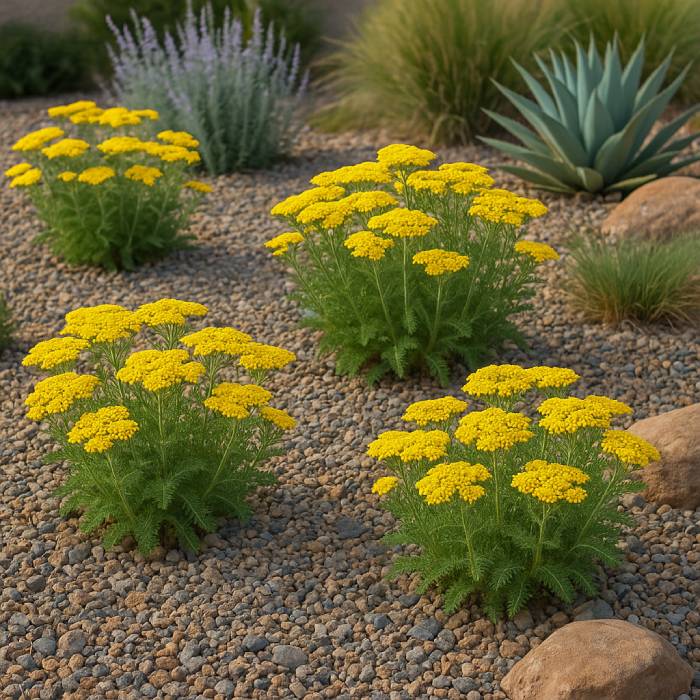
Yarrow Plant Pictures Landscape (Achillea millefolium), you can use for landscaping. These plants can be used in rock gardens or in any area that has full sun. The common Yarrow goes by many names, bloodwort, devil’s nettle, staunch weed, and many others. It will grow up to 2-3 ft. tall if conditions are just right.
It will bloom in mid-spring until late summer; most are white, yellow, purple, and red in color. You can see these plants popping out along roadsides and between interstate roads throughout the Southwest. The white and yellow blooms can be seen while traveling along the interstates. Yarrow plants need some cold temperatures during the winter season.
Yarrow Plant Pictures
The Red Yarrow Plant
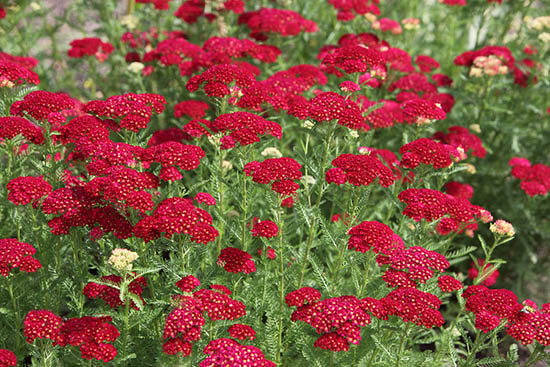
The red yarrow, known for its vibrant hue, can reach a height of up to 15 inches. It’s a herbaceous perennial, meaning it returns year after year without needing to be replanted. Often referred to as the little feather plant or “plumajillo” in Spanish, its name captures its delicate, feathery leaves.
This hardy plant is a favorite for many gardeners who appreciate its resilience and the splash of color it brings to any landscape. Have you ever thought about adding one to your garden to enjoy its beauty and practical benefits? Whether used in traditional medicine or simply as a decorative touch, red yarrow offers much more than meets the eye. It does well in rock gardens or a Xeriscape landscaping area.
White Yarrow Flower

The yarrow white flower, with its pure white petals, is a stunning example of nature’s beauty. Have you ever noticed how its clusters seem to glow in the sunlight? This hardy plant with its delicate blooms isn’t just lovely to look at; it’s a favorite among gardeners for its ability to attract beneficial insects. Isn’t it fascinating how something so simple can add such elegance to a garden? Whether you’re planting it for its charm or its practical benefits, the white yarrow flower is always a delightful choice.

Where to plant yarrow
Plant it in full sun and place it towards the back in garden beds. If placed in shade or partial shade, they will have a hard time blooming and will look scraggly. Full sunshine is what they like and is almost maintenance-free. Fertilize occasionally during the growing season’s late spring and summer. It does wet conditions throughout the season. Making it great for gardens that require little water. From my own experience, these plants can also take lots of water. They seem to grow and look the same with little or lots of water but the roots should never be soaked for long periods of time.
Planting Yarrow Seeds
Store-bought seeds of Yarrow are easy to grow. You should plant them about 1/4″ deep into loose soil and they will germinate in about 12 – 14 days. It is best to sow them in late winter when temperatures are about 70° Fahrenheit, is when they start to germinate too deeply and might not germinate. I’ve seen Yarrow grow in poor conditions and hard soil, but it is best to use good loamy soil.
Yarrow plant images often showcase its beauty throughout the seasons. By late fall, the plant dries out, and its seeds naturally fall to the ground. These seeds are remarkably self-sufficient, requiring minimal effort from humans to sprout. With the right conditions—like sunlight, moist soil, and space to grow—many of these seeds will germinate on their own, replenishing the plant without any special care.
Yarrow Plants – Minor Cuts and Bruises
Yarrow is a wild plant that people have used for hundreds of years to help with cuts and bruises. If you crush the leaves and put them on your skin, they can help stop bleeding fast. Some folks drink yarrow tea when they feel sick because it may help lower a fever. I’ve seen people use yarrow in homemade skin creams, too. Even now, some of us keep a bit of dried yarrow at home just in case anyone gets a scrape or a bug bite. It’s easy to find, and most of us can learn to use it safely if we do a little research first.
The yarrow plant is somewhat toxic to cats and dogs.
USDA planting zone for Yarrow is 3-10. Perfect for the Southwest Landscape areas.
It is also used for a variety of ailments including wounds, anxiety, digestive disorders and much more. Read more over at Verywellhealth.com
Conclusion
Yarrow plants work really well in the Southwest because they handle heat and dry spells without much trouble. You don’t need to water them all the time, so they’re great if you want a plant that won’t give you a hard time during the summer. Some people worry these plants might take over the yard, but you can keep them in check by trimming them now and then. If you’ve tried growing yarrow or want to share your thoughts, drop a comment below. Let’s help each other out.

Greenhouse Manager, Master Gardener, and Webmaster.
If you have any questions or enjoyed this post, feel free to share your thoughts in the comments below.