Last updated on March 6th, 2026 at 12:29 pm
How to Use Insecticidal Soaps – Do They Really Work?
Will insecticidal soaps work? Well… they do, and they don’t.
Over the years, a lot of our customers have tried mixing up their own soap and water solution to control aphids, whiteflies, and other soft-bodied insects. Most of the time, they’ll tell me the same thing: “It kinda worked,” or “I sprayed them, but they came right back.”
The reason is simple — soap sprays only work when they actually hit the insects. They don’t leave any lasting protection on the plant. Once the spray dries, it’s basically done doing its job. If new insects move in the next day, the soap won’t stop them.
Another issue is coverage. Aphids and other pests like to hide underneath leaves or deep inside tender new growth. If the spray doesn’t reach those spots, a lot of the insects survive, and the population builds right back up.
That’s why some gardeners feel like the soap “sort of works,” but never completely solves the problem.
Now, insecticidal soaps can still be useful, especially if you catch an infestation early and spray thoroughly every few days. They’re also a good option for gardeners who prefer a more natural approach.
But if the infestation is heavy — and that often happens in the Southwest with warm temperatures and fast insect cycles — many gardeners eventually switch to a stronger insecticide just to make sure the problem is completely under control.
In other words, soap sprays can help manage insects, but they usually require persistence and good coverage to be effective.
Yes, they work, but there are some guidelines to follow before spraying your plants with your concoctions of soap and water.
So what is a good organic insecticide? A good question…the insecticidal soaps found in local and big-box nurseries do work but they should be applied correctly or you will wind up damaging your plants or not removing these pests at all.
Commercial Insecticidal soaps contain potassium salts and fatty acids, which are the main ingredients that kill the bad bugs. These brand insecticide soaps are calibrated for maximum efficiency, so there is less chance of damaging your plants and a better chance of killing bad bugs.
It is important to read and follow the instructions on the label of these types of products. Safer soap products are a good alternative to harsh insecticides.
Look for the OMRI®-listed on all organic products. OMRI stands for – Organic Materials Research Institute.
Homemade Soaps for Insects
What type of soap should I use? The best type of soap to use is dishwashing type soap, particularly Dawn dishwashing soap. Typically about 2-3 tbs. One gallon of water will do the trick.
Mix it in a gallon container, then pour it into your spray bottle. Save the rest for future sprayings. Do not reuse after 6 months of storage. It will become less effective after 6 months.

You could go stronger, but that could damage your plants’ foliage. It’s important to use bottled water or soft tap water. Hard water from the faucet contains minerals that may harm or damage plants. It also makes the foliage of plants look unsightly.
Soft-bodied insects like aphids, scales, whiteflies, psyllids, mealybugs, and spider mites are good candidates for soapy sprays.

You will have a hard time killing large insects like caterpillars, box elder insects, and sawflies, as they are too big to kill with soap. Even the commercial type of soap will not kill them.
Do not use the following types of soaps for Insects.
- Dishwashing machine-type soaps
- Clothing Detergents soaps
- Dish Soap that contains a degreaser ingredient
- These types of soaps are harsh and will damage your plants
Will Insecticidal Soap kill beneficial insects?
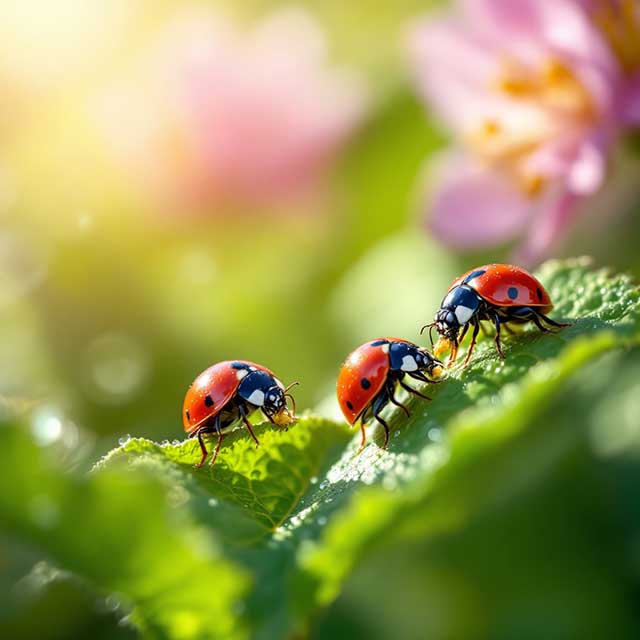
Another benefit of soap insecticides is that beneficial insects such as lacewings, ladybugs, and praying mantis are not affected by soap sprays. Soapy sprays will not kill ladybugs and other beneficial insects…However, I would refrain from spraying directly at these insects. The last thing you want is to have these beneficial bugs die or go elsewhere.
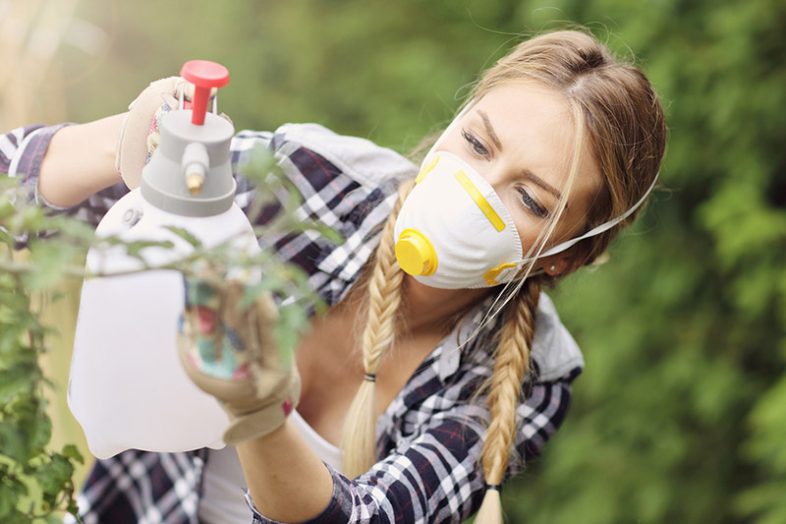
Whether you are using commercial brand soaps or your own mixture, it’s important to spray directly on the bad insects and not the plant. Again, soap insecticides work by thoroughly saturating the insects, not the plant.
Conclusion
If you mix up your own soapy spray with dish soap and water, you can get rid of some bugs on your plants, no problem. People have done this for ages. It kills insects by messing up their outer layer, so they dry out. But here’s the catch: when you use brands like Safer Brand or Bonide, those soaps are made for plants.
Scientists put them together, test them, and then fix the amount of soap to make sure they’re strong enough to kill bugs but gentle enough so your plants don’t get hurt or burned. When you just guess with dish soap from your kitchen, weird things can happen. You might burn the leaves or not kill enough bugs. If you ask me, it feels better using something that’s been tested, so you spend less time worrying. The price isn’t all that bad either, since a little bit goes a long way.
So, sure, you can throw together a homemade mix if you’re in a hurry or just want to see if it works for yourself. But if you care about your plants and want fewer surprises, you might be better off getting a proven brand. It’s just easier to trust stuff that’s made for the job and won’t mess up your favorite flowers or vegetables.
Do you have comments or questions? Please comment below.

Greenhouse Manager, Master Gardener, and Webmaster.
If you have any questions or enjoyed this post, feel free to share your thoughts in the comments below.