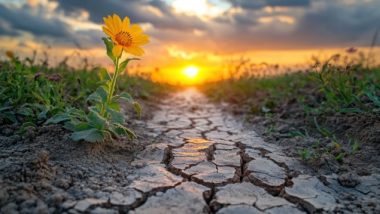
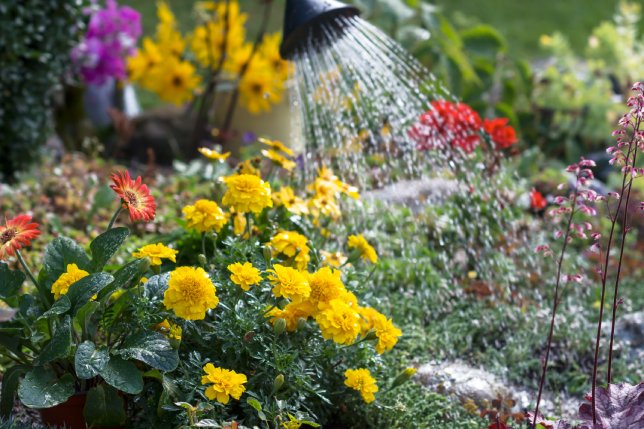
Signs your garden needs more water. Watering is the heartbeat of a healthy garden, especially in and around the Southwest. When I slip outside in the early morning, I can almost tell at a glance if my plants are thirsty. Too little water, and my garden starts to look limp and tired. Too much, and I risk root rot or fungus. Finding that sweet spot keeps everything growing strong. If I ignore the subtle warnings, my veggies shrink, or my flowers fade fast. Both too much and too little water have real consequences, like stunted growth, crispy leaves, and even plant death. That’s why watching for the right signs is so important.
Key Signs Your Garden Needs More Water
Recognizing when my garden needs a drink isn’t hard—if I pay close attention. Plants, like people, show stress in obvious ways. Whether it is a flowering garden or a vegetable/herb garden here are the most common tips my garden gives me when it’s thirsty.
Wilting Leaves and Drooping Stems
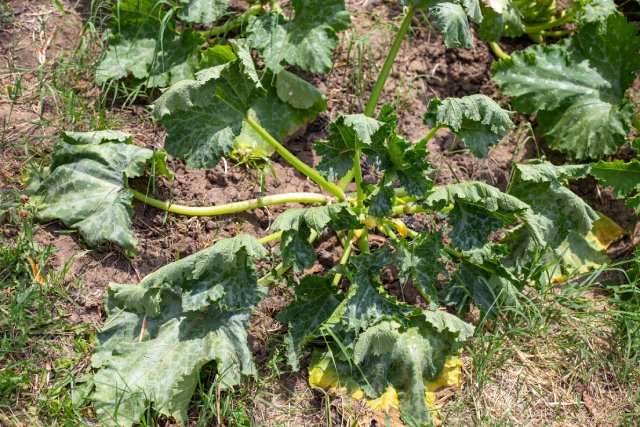
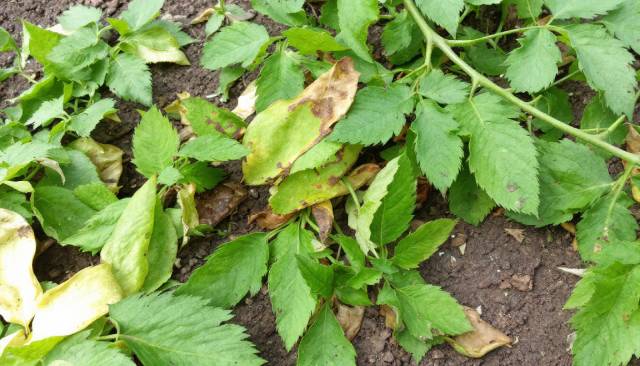
Wilting hits fast, especially during hot afternoons. I see leaves drooping or stems laying lower than normal. Temporary wilting can happen when the sun is high, but if things don’t perk up in the cool evening, I know it’s not just heat—it’s real drought stress. This means my plants’ roots can’t pull up enough water, and if I wait too long, they may never fully recover.
Dry or Crumbly Soil
Soil tells a secret about moisture better than any gadget can. I press a finger or a trowel a couple inches into the dirt. If it feels dry or crumbles apart, that’s a clear sign my garden is thirsty. It’s important to check deeper down, not just the surface—roots live below. According to this plant watering guide, if my finger comes out clean, it’s time to water. Wet soil sticks, so I look for that feeling as a good indicator too.

For more detail on checking soil, I sometimes use a moisture meter or just dig with my hands to see how far down the dryness goes. If it’s powdery past the top inch, that’s a red flag.
Browning or Crispy Leaf Edges
When leaf edges and tips start turning brown or feel crispy, my plants are calling for help. Brown patches, especially at the edges, often show up before the whole leaf dries out. This means water isn’t reaching all areas of the plant. If I see this pattern, it’s usually a sign I waited too long or my watering was too shallow.

Slow Growth or Smaller Than Usual Flowers and Fruits
I get excited for big tomatoes or bright sunflowers. But when my plants aren’t getting enough water, they grow slow, bloom less, or set tiny fruit. Flowers may be stunted, and veggies stay undersized. Consistent watering helps my garden reach its full potential. Inconsistent moisture creates stress, which leads to weak or slow growth.
Premature Leaf Drop
If I notice plants dropping leaves sooner than normal—way before fall sets in—it’s a clear cry for water. Many plants ditch some leaves to save the main stem and roots. It’s their way of surviving a dry spell. If I ignore these early drops, I risk losing more than just a few leaves.
Factors That Increase Your Garden’s Water Needs
Sometimes it feels like my garden needs more water than usual. Several outside factors can speed up moisture loss or simply make my plants thirstier.
High Temperatures and Intense Sun Exposure
Heat is like a thief in the garden—it steals water quickly. When temperatures spike or there’s a stretch of sunny days, everything dries out much faster. I keep an eye on these days, since even my toughest plants wilt quicker. Water evaporates right from the soil and the plant’s leaves, so shade during peak hours can help cut down water loss.
Windy Weather
Strong winds pull moisture up and away from leaves and soil. I notice sandy patches drying out extra fast on breezy afternoons. Even a gentle, steady wind can dry my garden faster than a hot, still day. That’s why after windy weather, I check for dryness and water more if needed.
Sandy or Fast-Draining Soil
If my soil is sandy, water slides right through and is gone before roots can get a good drink. I have to add water more often and sometimes mulch extra deep. Mulching helps hold moisture where the roots need it most. This tip comes straight from watering vegetable gardens, where they recommend watering sandy beds more often to keep up.
Dense Planting and Root Competition
When plants grow close together, their roots battle for every drop of water. If my beds are packed, I make sure to water enough for all of them, not just the ones I see wilting first. Overcrowded beds dry out quicker and may need water sooner than I expected.
Learn how to use mulch to help with water retention
Conclusion
When I really listen and look for the signs, my garden tells me when it’s thirsty. Wilting, dry soil, brown edges, stunted growth, and early leaf drop—these are all my garden’s ways of waving a little red flag. By recognizing these warnings early, I save my plants a lot of stress.
To keep things happy and healthy, I:
- Check the soil with my finger a few inches deep.
- Water slowly and deeply so water reaches the roots.
- Use mulch to lock in moisture.
- Adjust my routine during heat waves, windy spells, or after packing in new plants.
- Make sure you have good drainage… too much water can cause root rot.
Staying alert to these simple signals is the easiest way to enjoy a bright, healthy garden all season. Thirsty plants can’t hide for long, and with a little extra attention, I help my garden thrive. More tips and watering techniques, including the best time of day, can be found on the Old Farmer’s Almanac and Homesteading Family for those who want to dig in a little deeper!

Greenhouse Manager, Master Gardener, and Webmaster.
If you have any questions or enjoyed this post, feel free to share your thoughts in the comments below.