Last updated on February 20th, 2026 at 07:46 am
Spider Plant Care
What’s so great about spider plants? Simply put — they’re tough, reliable, and easy to grow. This is one of those plants that almost anyone can keep alive because it adapts well to most indoor conditions and doesn’t need a lot of fuss.
Spider plants look great in pots, hanging baskets, wine barrels, or just about any container you have around the house. They’re perfect for brightening up indoor spaces and can even be moved outdoors during warmer weather if you have a shaded spot.
Just be careful with full summer sun. In the Southwest, that hot mid-summer heat can cause leaf scorch pretty quickly, so give them protection from intense afternoon sun if they’re outside
The Care of Spider Plants
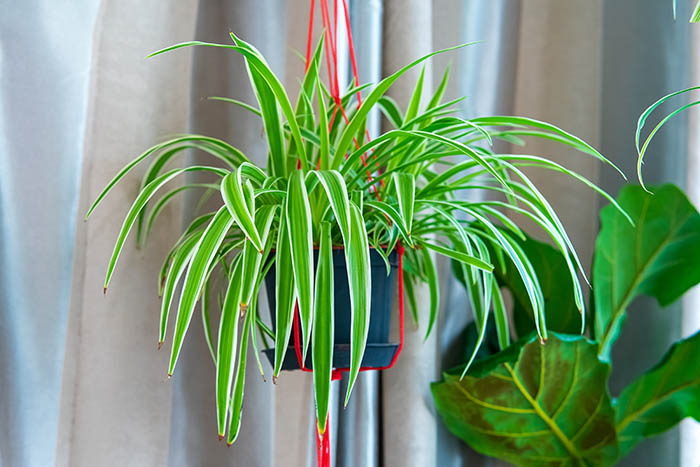
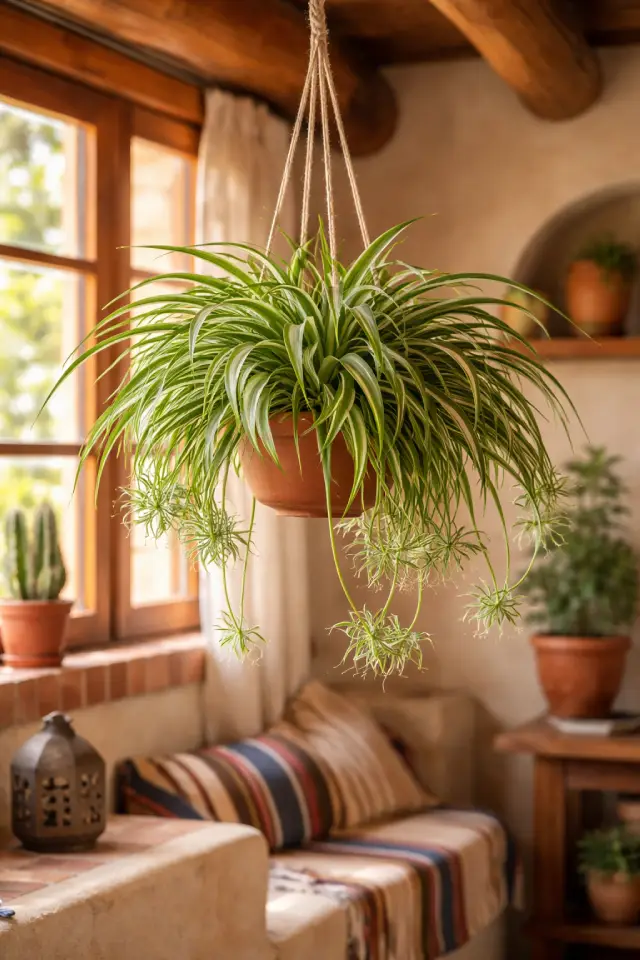
Spider plants (Chlorophytum comosum) are clump-forming perennials that look their best in hanging baskets. They produce long, arching leaves — sometimes solid green but often variegated with white stripes — and send out long stems that develop small plantlets at the ends, commonly called “spiderettes” or babies.
These little offshoots are one of the reasons spider plants are so popular. Once the spiderettes grow small roots, you can easily snip them off and place them in soil or water to start brand-new plants. Before you know it, one healthy spider plant can give you several more to place around the home or share with friends and family.
They grow fairly quickly when given bright, indirect light and like to dry slightly between waterings. Too much water or constantly soggy soil is usually the biggest mistake people make with them.
Watering Spider Plants
Let spider plants dry out a bit before watering again. A simple way to check is the “finger method” — stick your finger about an inch into the soil. If it feels dry, it’s time to water. If it’s still moist, wait another day or two. During the hotter summer months, you’ll usually need to water more often since the soil dries faster.
Spider plants also enjoy a little humidity. Giving them a light mist once a week can help keep the foliage looking fresh, especially in dry indoor air. They aren’t heavy feeders, so fertilizer isn’t required very often. If you decide to feed them, use a houseplant fertilizer at half strength, or go with gentle organic options like kelp meal, rock phosphate, or bone meal.
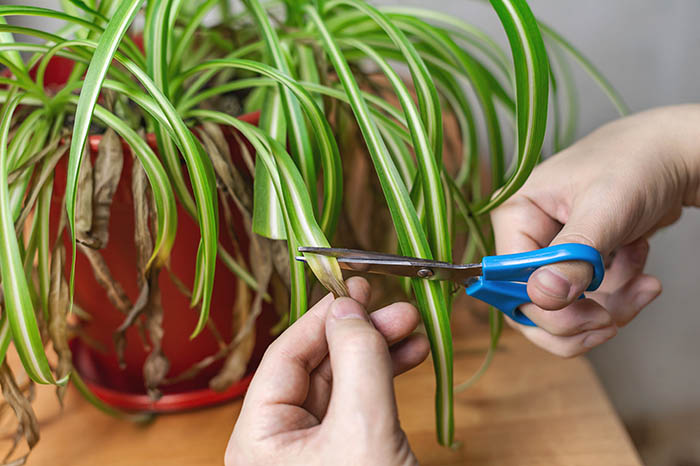
And don’t worry about trimming brown tips — it’s perfectly fine to snip them off with clean scissors to keep the plant looking neat. It won’t hurt the plant at all.
See the image below.
Problems with This Plant
As mentioned earlier, these plants are easy to care for and not susceptible to insects or diseases. One big problem is droopy leaves, usually caused by too much water or not enough water. Check your container to make sure it drains well.
Are Spider Plants toxic to dogs and cats?
Spider plants (Chlorophytum comosum) are considered non-toxic to both cats and dogs. 👍
That means:
-
They are generally safe to have around pets
-
Not considered poisonous if chewed or nibbled
-
Listed as non-toxic by major pet safety sources
Some cats will eat this plant; you might see:
-
Mild upset stomach
-
Vomiting
-
Loose stool
This isn’t poisoning — just irritation from overeating plant material.
Spider plants are one of those dependable plants that reward you with very little effort. Give them decent light, don’t overwater, and they’ll continue to grow, produce babies, and brighten up your indoor space for years. Whether you’re just starting with houseplants or adding to your collection, spider plants are a simple, reliable choice that rarely disappoints.
Learn more about this plant at Wikipedia.com
Have questions or need more information? Comment Below.

Greenhouse Manager, Master Gardener, and Webmaster.
If you have any questions or enjoyed this post, feel free to share your thoughts in the comments below.