🌹 How to Care for Desert Roses Indoors & Outdoors
How to care for Desert Rose (Adenium obesum) is a striking plant known for its swollen base, glossy leaves, and vibrant trumpet-shaped flowers. Native to Africa and the Middle East, it thrives in hot, dry conditions, making it perfect for the Southwest climate.
If you’re keeping your Desert Rose in a bright living room or letting it soak up the sun outside, the way you take care of it really matters. With the right attention, like giving it enough sunlight, not overwatering, and protecting it from the cold, your Desert Rose will keep looking strong and healthy. Some people might say these plants can grow on their own, but they do a lot better with a little help from us.

🌞 Light Requirements
-
Outdoors: Desert Rose needs at least six hours of full sun every day. If you give it plenty of bright, direct light, you’ll see stronger stems and more flowers. Some folks try to keep it in shade, but it just won’t grow well there. If you want your Desert Rose to really do its thing, put it right where the sun hits all day. Remember, it does not like temperatures below 30 degrees F.
-
Indoors: Put your plant close to a window that faces south or west, since those spots usually get the most light during the day. If your room doesn’t get much sunlight, you can use a grow light to help your plant stay healthy. These lights work well, and lots of people use them, especially in winter or in rooms that stay pretty dim most of the time. Just try to set things up so your plant still feels like it’s getting real sunshine.
- More on Indoor Houseplants.
Tip: Leggy growth means your plant isn’t getting enough light.
💧 Watering Desert Roses
-
Outdoors: Water deeply but infrequently—about once every 7–10 days in summer. Allow the soil to dry before watering again.
-
Indoors: Water every 10–14 days. Use pots with drainage holes to avoid root rot.
-
Winter Dormancy: Water sparingly (once a month) when growth slows.
🌡️ Temperature & Humidity
-
Loves warm temperatures (65–90°F).
-
Protect from cold—below 50°F can cause damage.
-
If indoors, keep away from drafty windows in winter.
🌱 Soil & Potting
-
Use a well-draining cactus or succulent mix.
-
Add sand or perlite for extra drainage.
-
Repot every 2–3 years, preferably in spring.
🌸 Fertilizing for Blooms
-
Feed with a balanced liquid fertilizer (10-10-10 or 20-20-20) once a month during the growing season, mainly during the spring season.
-
Stop fertilizing in winter when growth slows.
✂️ Pruning & Shaping
-
Prune in late spring to encourage branching and more flowers.
-
Remove dead or weak stems to improve airflow.
-
You can shape the swollen trunk (caudex) for a bonsai-like effect.
🚫 Common Problems
-
Yellow leaves → Overwatering or poor drainage.
-
No blooms → Not enough sunlight or fertilizer.
-
Root rot → Caused by soggy soil.
📍 Best Use in the Southwest
-
Outdoors: Works beautifully in rock gardens, desert landscapes, or large decorative pots.
-
Indoors: A perfect statement plant near sunny windows with Southwest décor.
Pictures of Desert Rose Plant
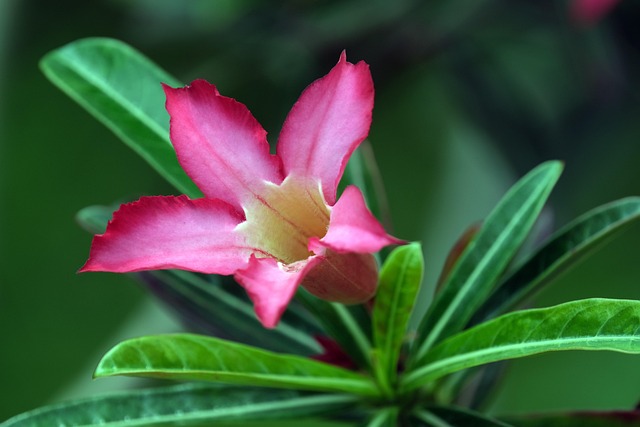
Desert Rose Outdoors in a Bonsai Pot

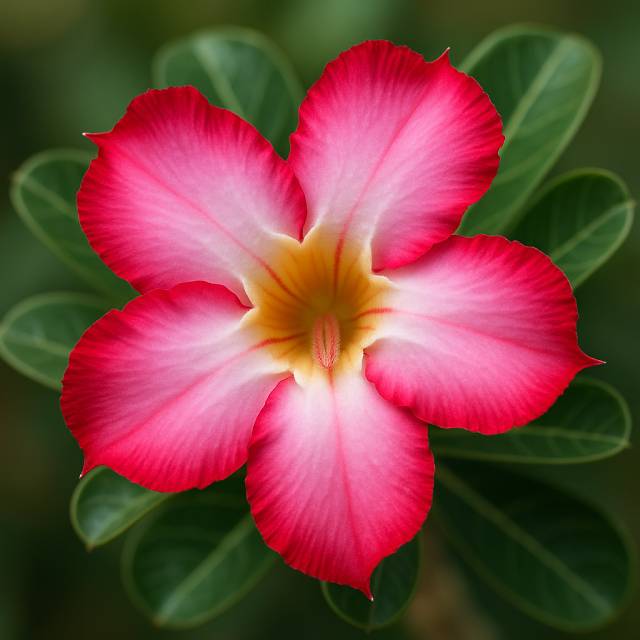
Desert Rose Close-up Bloom
✅ Final Thought on the Desert Rose: When you give Desert Roses plenty of bright sunlight, use soil that drains quickly, and watch your watering, these plants respond with bold, colorful flowers. They’ll brighten up a sunny windowsill or patio, pushing out trumpet-shaped blooms when their needs are met. Some people worry they’re tricky to grow indoors, but with a light hand on the watering can and a pot with drainage holes, Desert Roses stay healthy and keep blooming throughout the season. Their resilience stands out, and even those new to houseplants find success by following these simple steps.. They’re hardy, unique, and add a touch of tropical beauty to any Southwest-style home.

Greenhouse Manager, Master Gardener, and Webmaster.
If you have any questions or enjoyed this post, feel free to share your thoughts in the comments below.