Last updated on August 10th, 2025 at 10:41 am
Simple Steps for Brilliant Blooms
How to Care for Cosmos Plants. If you love bright, cheerful flowers that bloom for months, you’ll be impressed with the cosmos plant. These airy, daisy-like flowers bring a wild touch to any garden bed and invite pollinators like bees and butterflies. What’s even better? Cosmos are easy to care for, even if you’ve never gardened before. Growing cosmos is rewarding and lets you relax while your garden bursts with color.
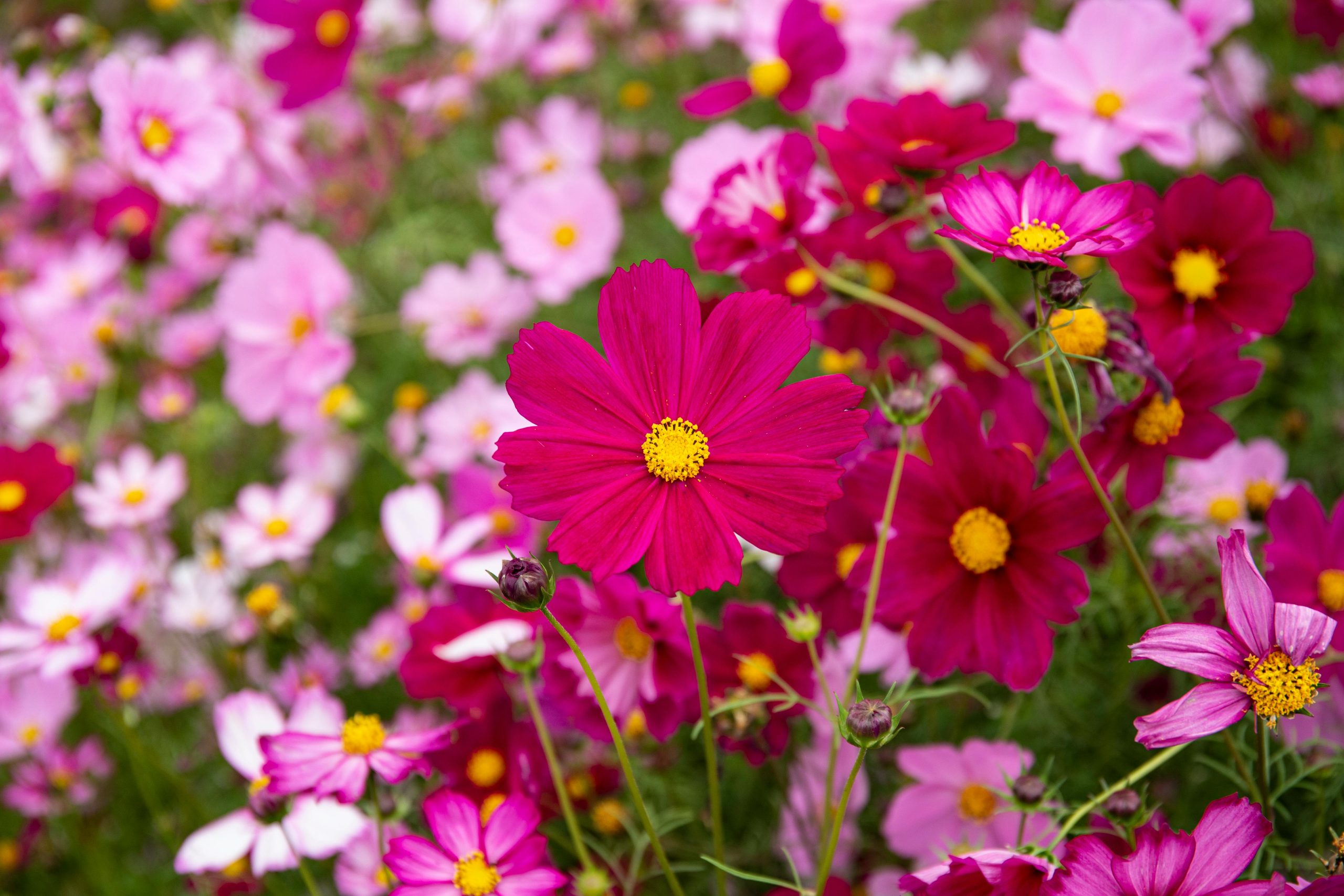
Essential Steps for Growing Healthy Cosmos Plants
Getting cosmos plants off to a strong start makes all the difference. With a few smart moves early on, you’ll get bigger blooms and stronger stems.
Choosing the Right Location
 Photo by Nikolett Emmert
Cosmos plants love the sun. They do best when they get at least six to eight hours of direct sunlight each day. When I plant mine, I always look for a spot that soaks up morning and afternoon light.
If you’re in a region with very hot summers, some afternoon shade can help, but too much shade means fewer blooms. Cosmos doesn’t like cramped spaces. I keep about 12 to 18 inches between each plant so air can flow easily and the stems don’t get tangled up.
Soil Preparation and Planting
Cosmos plant roots want loose, well-draining soil. These plants aren’t too picky about fertility. In fact, rich soil with lots of compost can leave you with more leaves than flowers. I keep the soil on the lean side and skip heavy feeding.
Quick tips for planting cosmos:
- Pick soil that drains well (sandy or loamy soils work great)
- Rake in a little balanced fertilizer if your soil is really poor
- Sow cosmos seeds right in the garden after frost ends, or start them indoors if you want early flowers
- Cover seeds with just 1/4 inch of soil—they need some light to sprout
Most cosmos seeds sprout in a week or so. Thin them out if seedlings crowd together. This will help each cosmos plant grow stronger. Depending on the variety they can be annuals or perennials. They are also self-seeding meaning they will come back in seed the next season. Want more information visit this site – Epic Gardening.
Watering and Feeding Requirements
Cosmos plants like a steady drink when they’re young but hate sitting in soggy soil. After the seedlings get going, I let nature do most of the watering. If there’s a dry stretch, I water deeply once a week.
Here’s what works for me:
- Water at the base, not over the top, to keep leaves healthy
- Allow the soil to dry a bit between watering
- Add mulch to help lock in moisture and stop weeds
- Avoid overfeeding—cosmos often bloom better with less food
If you want, add a dash of liquid fertilizer once during early flowering, but it’s usually not needed.
Ongoing Care to Keep Cosmos Plants Thriving
Once cosmos plants are growing, keeping them healthy is pretty easy. A little attention now and then pays off with months of color—varieties of the Cosmo Plant.
Deadheading and Pruning for Continuous Bloom
Cosmos are like marathon runners—they’ll keep blooming if you help them shed spent flowers. Deadheading (snipping off old blooms) tells the plant to grow more.
Here’s how I keep my cosmos blooming:
- Trim faded flowers with scissors or your fingers
- If stems get leggy or straggly, cut them back by a third
- Prune stems before seeds mature if you don’t want volunteers popping up next year
Deadheading isn’t just about looks. It tells your cosmos plant, “Let’s make more flowers!”
Pest, Disease, and Wildlife Management
Cosmos plants rarely suffer major problems, but it’s smart to watch for common issues. Aphids sometimes gather on new shoots. I just hose them off with water or wipe them away if it’s a small infestation.
Look out for:
- Aphids: Blast with water or use insecticidal soap if they take over.
- Powdery mildew: Water early in the day and give plants space to breathe.
- Slugs and snails: Pick them off by hand or sprinkle crushed eggshells around the base.
Deer and rabbits might nibble cosmos now and then, but usually, they find other things tastier.
Supporting, Staking, and Overwintering
Tall cosmos plants can get floppy, especially after a rain. I stake the largest ones with bamboo or sturdy sticks, tying the main stems gently so they don’t snap.
If strong winds are common where you live, growing your cosmos plant along a fence gives that extra support. For most folks, cosmos are treated as annuals, which means they die in fall.
If you live where winters are mild, mulch around the roots, and sometimes the plants come back from dropped seeds the next spring.
- Use light stakes for tall varieties (over 3 feet)
- Re-tie as needed throughout the season
- Don’t worry about digging them up in fall—let dropped seeds do the work
Planting Cosmos in Containers
Cosmos flowers grow well in both small pots and big planters, so you can use them just about anywhere. They fit right in on a sunny porch, your kitchen windowsill, or even outside along the fence. Some people think these flowers need a lot of space to look good, but they’ll thrive and brighten up any spot, indoors or out. If you want easy color wherever you like, cosmos are a smart pick.

Are Cosmo Plants Dog and Cat Friendly?
Cosmo Plants aren’t toxic to pets or people, so you don’t have to stress if your cat, dog, or kids are around them. Still, it’s smart to watch where little ones and pets wander, just in case someone gets too curious. Even safe plants can be a mess if leaves or dirt end up everywhere. Keeping an eye out helps everyone stay happy.
Conclusion
Bringing the cosmos plant into your garden is like inviting a pop of joy that just won’t quit. These flowers need very little care and reward you with weeks, sometimes months, of nonstop color.
I love how easy they make me feel like a “real” gardener, even when I’m just figuring things out. Try different colors, mix them with your favorite annuals, or let them turn a boring spot into a wild meadow. If you forget a watering or miss some deadheading, they’ll often forgive you. Grow cosmos once and you’ll see why these dependable beauties are favorites in gardens big and small.

Greenhouse Manager, Master Gardener, and Webmaster.
If you have any questions or enjoyed this post, feel free to share your thoughts in the comments below.