Last updated on November 14th, 2025 at 07:17 am
Pet Safe Indoor Plants for Southwest Homes
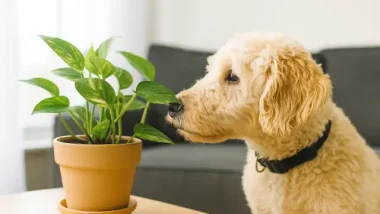
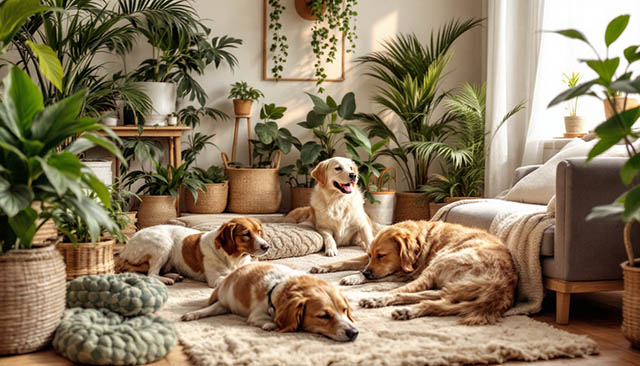
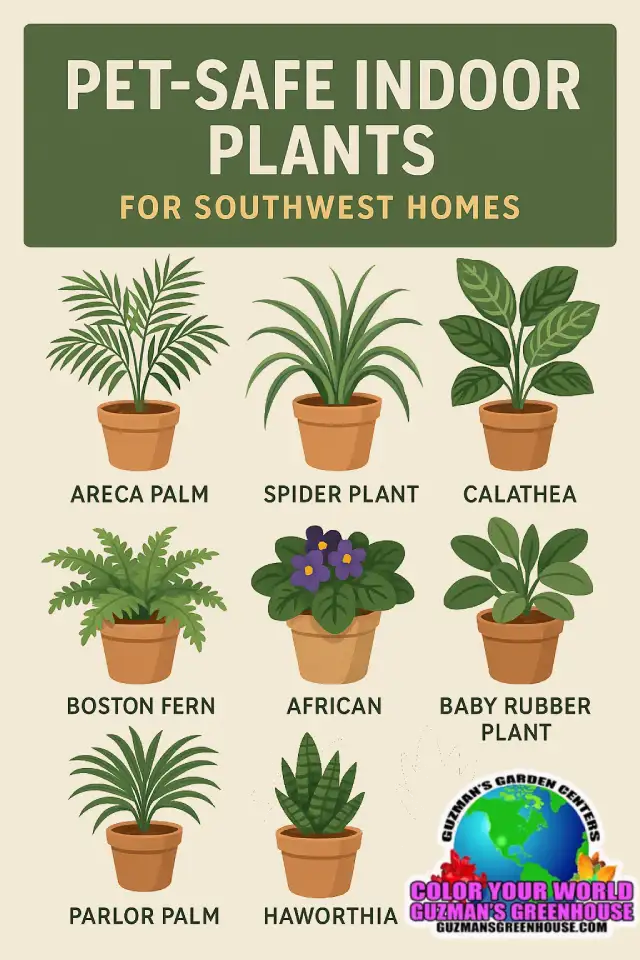
Pet safe indoor plants. If you share your home with cats or dogs, you know how curious they can be—especially around plants! Many popular houseplants look beautiful but contain toxins that can make pets sick. The good news: there are plenty of pet-safe plants that are attractive, easy to grow, and well-suited to our Southwest climate. These options brighten your living space, help purify the air, and keep furry friends safe.
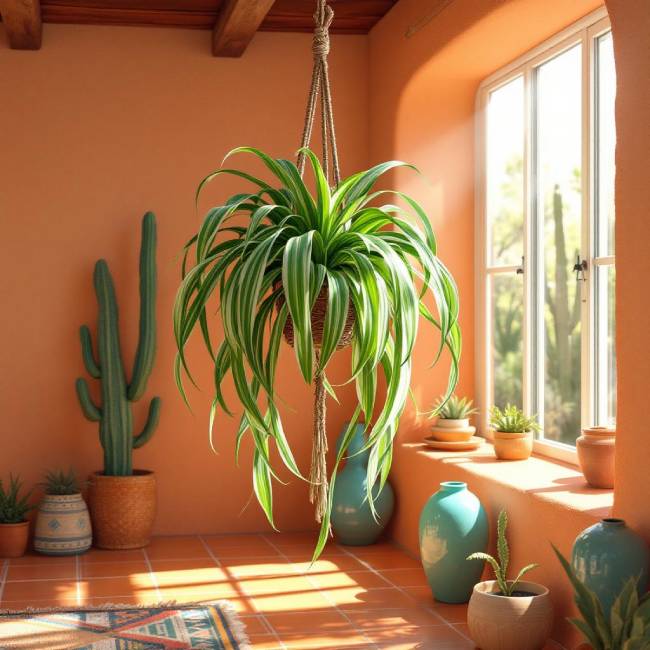
1. Spider Plant (Chlorophytum comosum)
Safe for cats and dogs. Long, arching leaves and baby “spiderettes” add movement and charm—the Care of Spider Plants.
- Light: Bright, indirect
- Water: When top soil dries
- Tip: Perfect for hanging baskets or high shelves.
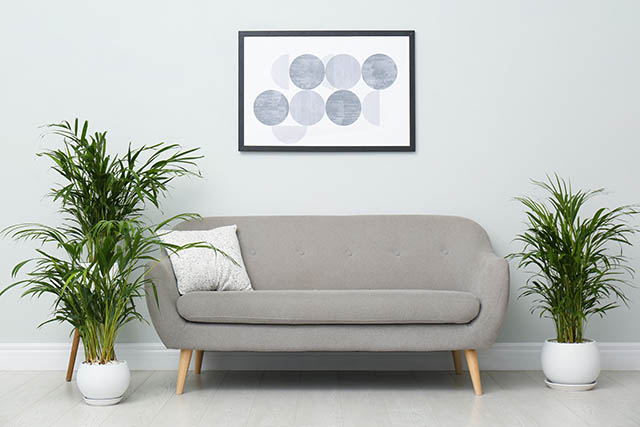
2. Areca Palm (Dypsis lutescens)
Lush, tropical look without pet risk; an excellent natural air purifier.
- Light: Filtered sun
- Water: Keep lightly moist
- Care: Wipe fronds to remove dust.
3. Boston Fern (Nephrolepis exaltata)
Soft, feathery fronds and completely non-toxic to pets. Loves humidity.
- Light: Bright, indirect
- Water: Keep evenly moist
- Southwest Tip: Mist often or use a humidity tray.

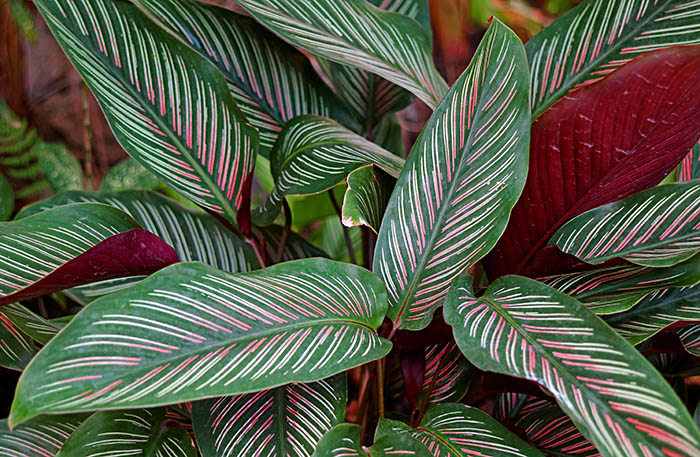
4. Calathea (Prayer Plants, Calathea spp.)
Striking patterned leaves that close at night; safe for cats and dogs.
- Light: Medium, filtered
- Water: Prefer distilled/rainwater
- Care: Keep away from vents and hot sun.
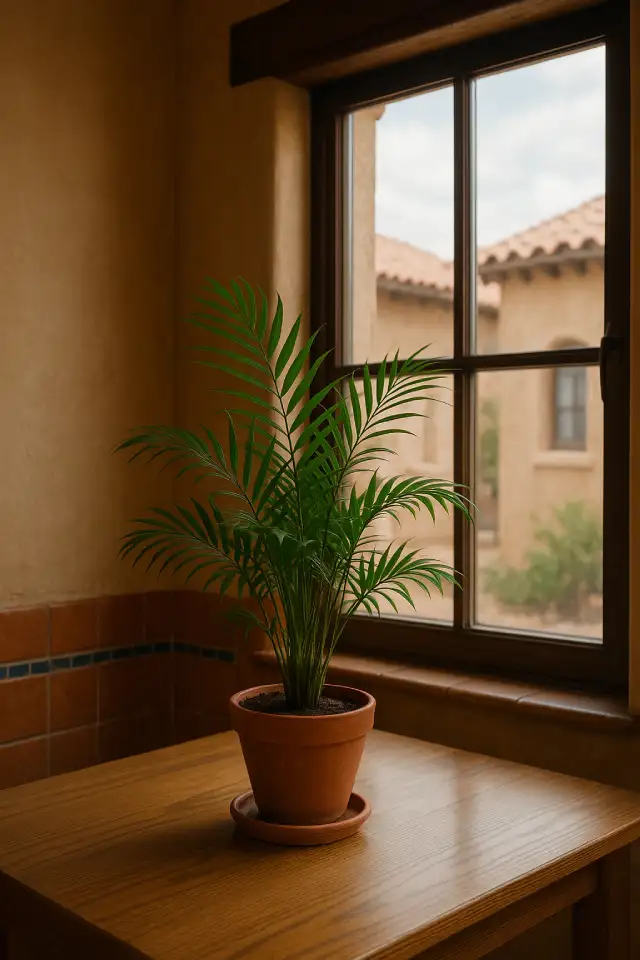
5. Parlor Palm (Chamaedorea elegans)
Compact, elegant, and tolerant of lower light; excellent for small spaces.
- Light: Low to moderate
- Water: Allow soil to dry slightly
- Bonus: Long-lived with minimal care.
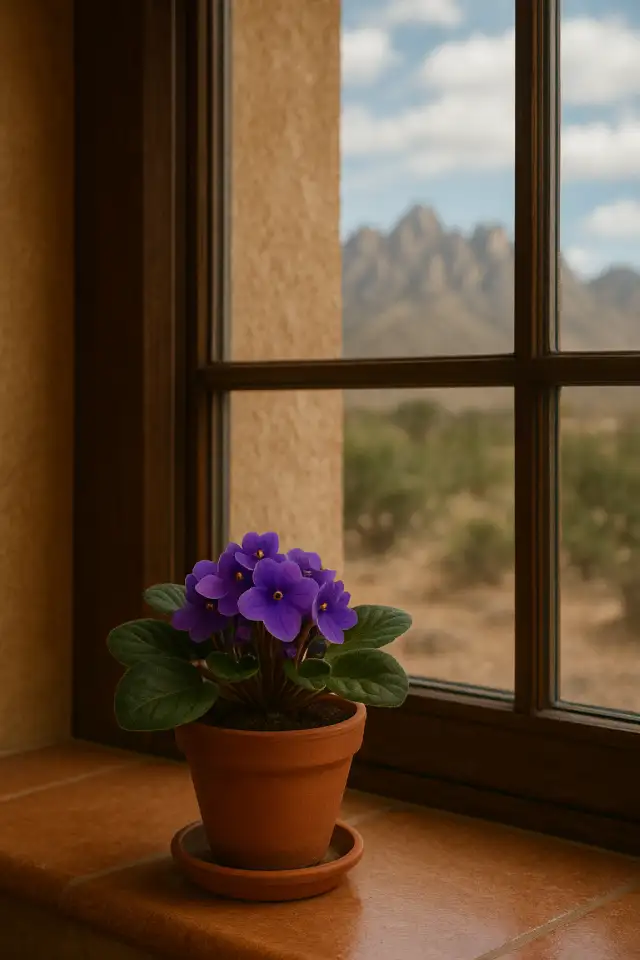
6. African Violet (Saintpaulia ionantha)
Colorful blooms through the year; pet-safe and great for windowsills.
- Light: Bright, indirect
- Water: Keep evenly moist
- Tip: Bottom-water to avoid leaf spotting.
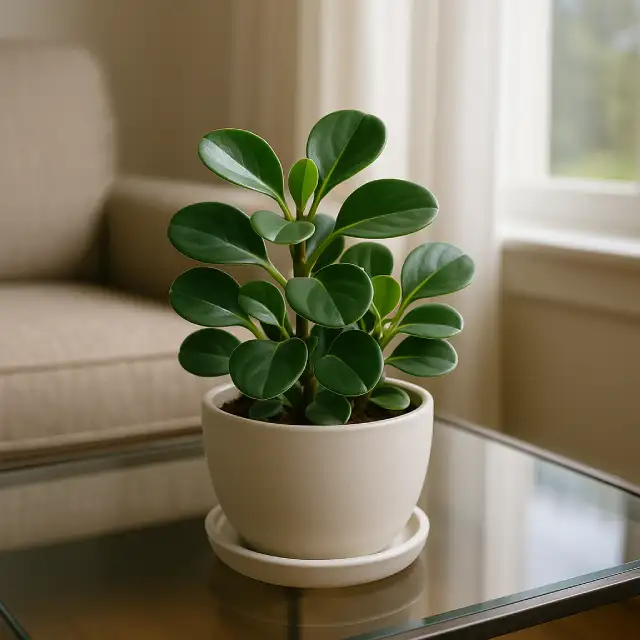
7. Baby Rubber Plant (Peperomia obtusifolia)
Compact, pet-friendly Peperomia (not the toxic Ficus rubber tree).
- Light: Bright, indirect
- Water: When the top inch dries
- Style: Great in small ceramic pots.
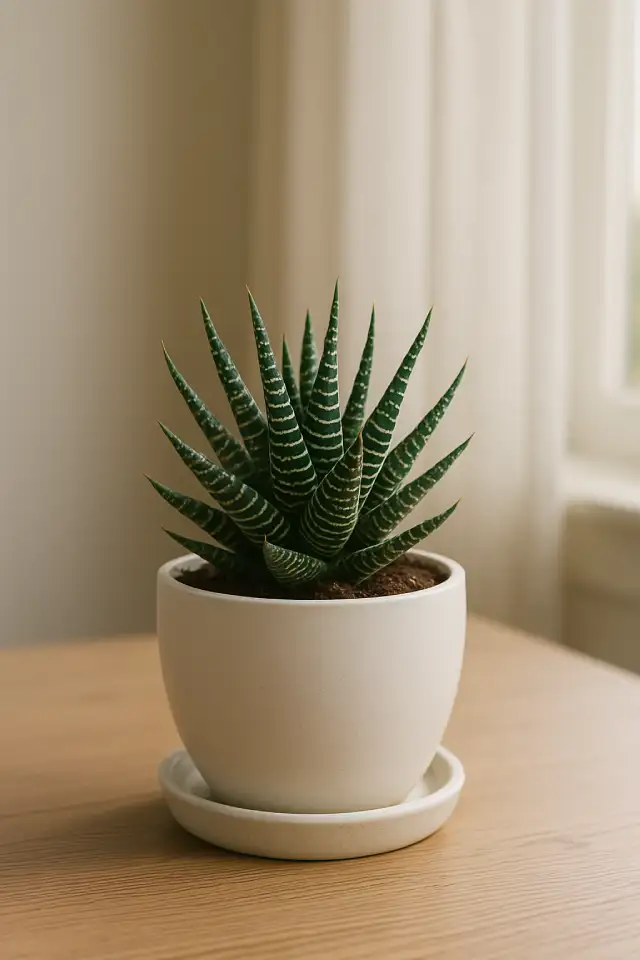
8. Haworthia (Haworthia spp.)
Pet-safe succulent lookalike—small, tidy, and drought tolerant.
- Light: Bright light to partial sun
- Water: Every 2–3 weeks
- Soil: Use cactus/succulent mix for drainage.
Creating a Pet-Safe Plant Space
Place non-toxic plants at floor level or near pet play areas, and keep any questionable species out of reach. Inspect leaves for chew marks when introducing a new plant. Use ceramic pots with saucers to prevent spills, and favor organic or slow-release fertilizers indoors.
Resources & Next Steps
- Compare with our guide: 10 Toxic Houseplants for Cats & Dogs.
- Visit our Las Cruces locations for expert help choosing pet-safe plants.
Frequently Asked Questions About Pet-Safe Indoor Plants
1. What are the best indoor plants that are safe for cats and dogs?
Some of the best pet-safe indoor plants include the Spider Plant, Areca Palm, Boston Fern, Calathea, African Violet, and Parlor Palm. These plants are non-toxic to cats and dogs and thrive in typical Southwest indoor environments.
2. Are succulents safe for pets?
Most succulents are not safe for pets, but a few, such as Haworthia and Echeveria, are non-toxic. Avoid Aloe Vera, Jade Plant, and Euphorbia species, as they can cause vomiting or irritation if chewed.
3. How can I keep my pets from chewing on houseplants?
Place plants out of reach on high shelves or hanging baskets, and use pet-safe deterrent sprays around the base. You can also provide pet grass or catnip to satisfy their curiosity naturally. Why do cats eat plants?
4. Do pet-safe plants still need special care?
Yes, even pet-safe plants need proper care to stay healthy. Provide the right balance of light, water, and humidity. Avoid chemical fertilizers indoors—opt for organic or slow-release types instead.
5. Can indoor plants improve air quality for pets and people?
Absolutely! Many pet-safe plants—like Spider Plants, Boston Ferns, and Areca Palms—help filter indoor air pollutants. They add oxygen, humidity, and a calming natural touch to your home. More information on “Best Air Purifier Plants.”
Visit Guzman’s Greenhouse for more indoor plant care tips, Southwest gardening advice, and help designing a pet-friendly, beautiful space.

Greenhouse Manager, Master Gardener, and Webmaster.
If you have any questions or enjoyed this post, feel free to share your thoughts in the comments below.