Planting the Sotol Plant in a Xeriscape Landscape
Planting the Sotol Plant. If you want a stunning, low-maintenance focal point for your desert yard, the Sotol plant (Dasylirion wheeleri) is one of the best choices you can make. Native to New Mexico, Arizona, and northern Mexico, this hardy succulent thrives in arid climates and adds dramatic Southwest character to any xeriscape landscape.
What Is the Sotol (Desert Spoon) Plant?
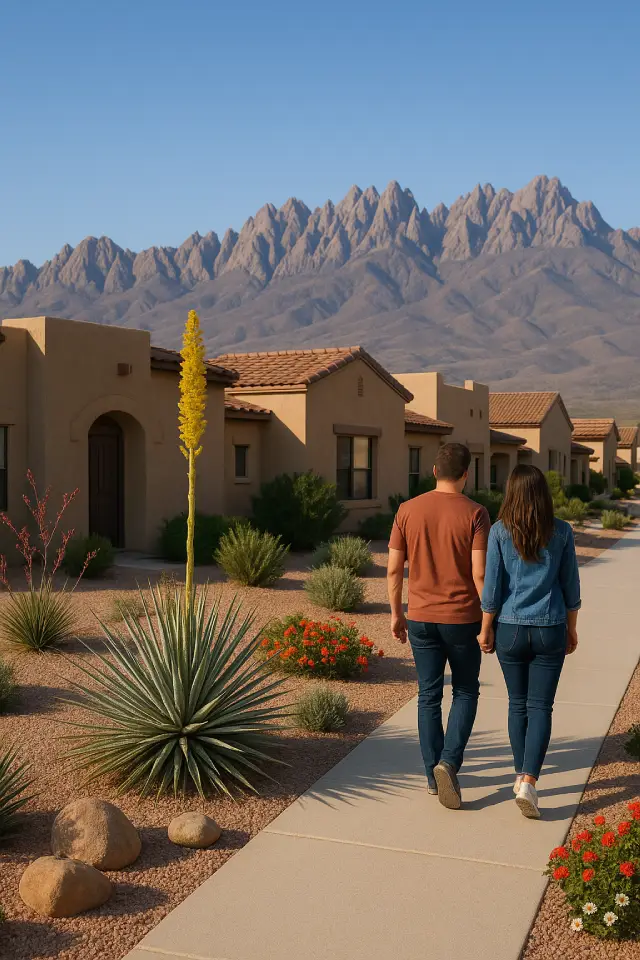
Often mistaken for a yucca or agave, Sotol, also known as Desert Spoon, forms a beautiful rosette of slender, serrated leaves that radiate outward like a fountain. Its blue-gray foliage shimmers in sunlight and adds texture to rock and gravel gardens. Mature plants grow 3–4 feet tall and wide, with flower stalks that can reach up to 15 feet high.
The tall bloom spike carries clusters of creamy flowers that attract bees, hummingbirds, and butterflies. Unlike agaves, Sotol does not die after flowering—it continues to grow and add structure to your landscape for years.
Why Sotol Belongs in a Xeriscape Design
Sotol is built for survival in tough, dry environments. Once established, it needs very little water, making it a star performer in xeriscape gardening. The plant’s deep roots store moisture, while its tough leaves minimize evaporation—two natural traits that make it perfect for conserving water.
Its symmetrical shape and cool blue tones add architectural balance to a desert garden. Pair it with other drought-tolerant plants like
-
Red Yucca (Hesperaloe parviflora) for vertical contrast and red-orange blooms,
-
Parry’s Agave (Agave parryi) for symmetry and texture,
-
Blue Glow Agave for modern color contrast,
-
Dallas Red Lantana to add long-lasting summer color, and
-
Blackfoot Daisy for a soft white ground-cover accent.
This combination of textures and colors brings year-round interest while keeping irrigation minimal.
Best Location and Soil Preparation
Plant your Sotol in full sun where it will receive at least six hours of direct light daily. It prefers well-draining, rocky, or sandy soil similar to its natural desert environment.
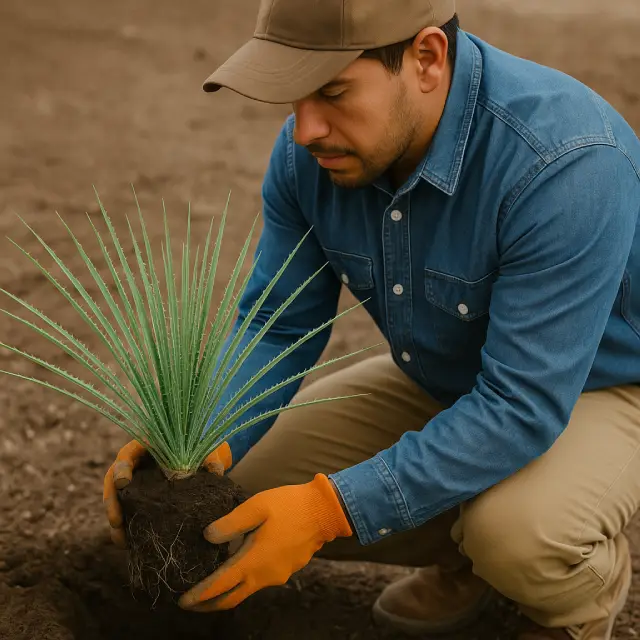
Before planting, amend heavy clay soil with coarse sand, small gravel, or pumice to improve drainage. Dig a hole twice as wide as the root ball and set the plant so that the base of the rosette sits slightly above ground level to prevent water pooling.
Water deeply but infrequently during the first year—about once every two weeks in summer—to help roots establish. After that, rainfall is usually sufficient.
Planting the Sotol Plant
Desert Landscapes
Sotol’s sculptural form makes it an excellent accent or centerpiece in a xeriscape design. It pairs well with desert gravel, natural stone, or decomposed granite. For a professional look, group three Sotols together at varying heights near boulders or use a single plant as a focal point beside your driveway or entryway.

When illuminated with soft landscape lighting, the plant’s spiky silhouette casts dramatic shadows that emphasize its structure at night. Surround it with smaller flowering perennials like Dallas Red Lantana and Blackfoot Daisy for a splash of color and contrast.
Maintenance and Care
Caring for Sotol is simple. Prune dead or damaged leaves near the base using gloves and long-handled shears—the leaf edges have small teeth. Avoid overwatering and ensure good drainage, especially after heavy rain.
Mature Sotols may bloom every few years, sending up a tall flower spike that adds seasonal interest. After flowering, remove the stalk once it dries. Sotol rarely needs fertilizer, but you can apply a slow-release cactus or succulent feed in early spring if desired.
Bringing the Desert’s Beauty Home
Few plants capture the spirit of the American Southwest like the Sotol. Its resilience, symmetry, and bluish-silver color make it a natural choice for homeowners who want a low-water, high-impact garden design.
By planting Sotol alongside companions such as Red Yucca, Parry’s Agave, Blue Glow Agave, Dallas Red Lantana, and Blackfoot Daisy, you’ll create a landscape that is both sustainable and stunning—one that reflects the beauty and toughness of desert life.
Sotol is also a Distilled Spirit, read more about this Wikipedia.

Greenhouse Manager, Master Gardener, and Webmaster.
If you have any questions or enjoyed this post, feel free to share your thoughts in the comments below.