Battling the Top Three Southwest Garden Pests Organically: Aphids, Spider Mites, and Whiteflies
Top Three Southwest Garden Pests. For the past twenty years, I have been helping gardeners with their garden problems. Customers often stop me and ask, What are these tiny bugs on my plants? Most times, the culprits are pests like aphids, spider mites, or whiteflies.
Aphids crowd on new shoots and leave behind sticky residue. Spider mites look almost like moving dust and can turn leaves speckled and pale. Whiteflies hide under leaves and flutter up when you shake the plant. Sometimes people blame other insects, but these three are the ones I see again and again on both houseplants and garden plants.
Gardening in the Southwest offers unique beauty—vivid sunsets, drought-tolerant plants, and year-round growing potential. But with the sunshine and warmth come three persistent insect problems.
Left unchecked, these tiny pests can damage leaves, stunt plant growth, and spread disease. Fortunately, you don’t need harsh chemicals to keep them in check. With organic methods, you can protect your garden while keeping it safe for pollinators, pets, and people.
1. Aphids: The Sap-Sucking Invaders

The Problem:
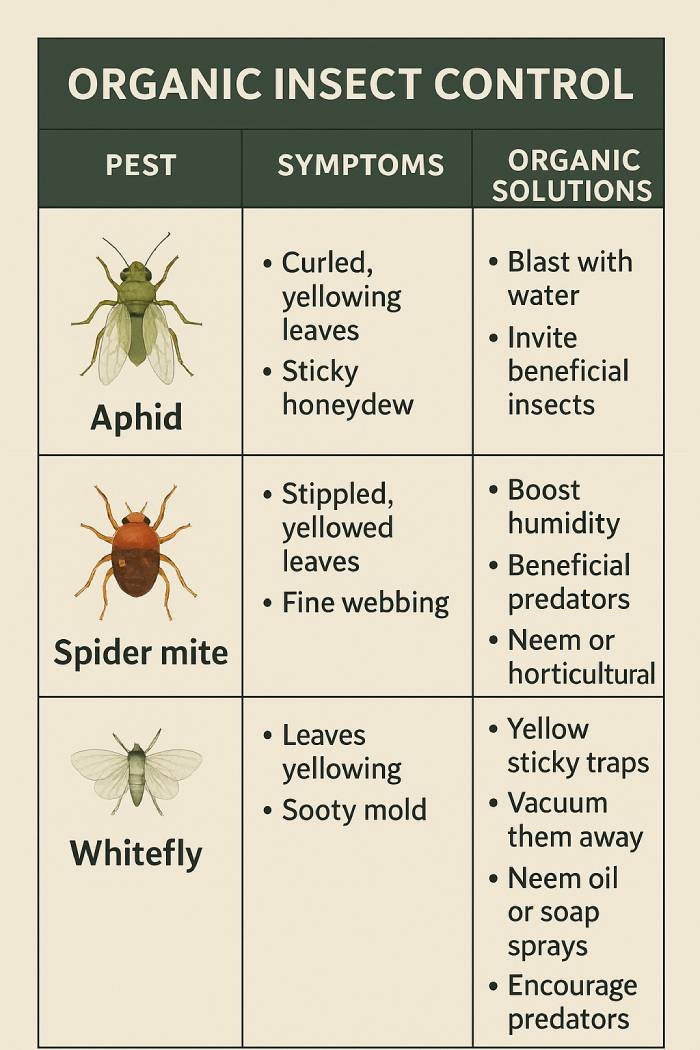
Aphids cluster on tender new growth, sucking out plant sap and leaving leaves curled, yellow, or sticky with honeydew (which attracts ants and sooty mold). These insects come in a wide range of colors. Red, green, black, grey, and yellow.
Organic Solutions:
-
Blast with Water: A strong stream from your garden hose knocks aphids off leaves, often enough to keep populations under control.
-
Invite the Good Guys: Ladybugs, lacewings, and parasitic wasps are natural aphid predators. You can attract them by planting dill, fennel, and yarrow.
-
Neem Oil or Insecticidal Soap: Apply a diluted neem spray or soap directly onto aphid colonies. Both are safe for most beneficial insects when applied carefully.
-
Companion Planting: Grow garlic, onions, or marigolds near susceptible plants—aphids dislike their strong scent.
2. Spider Mites: The Dusty Web Weavers
The Problem:
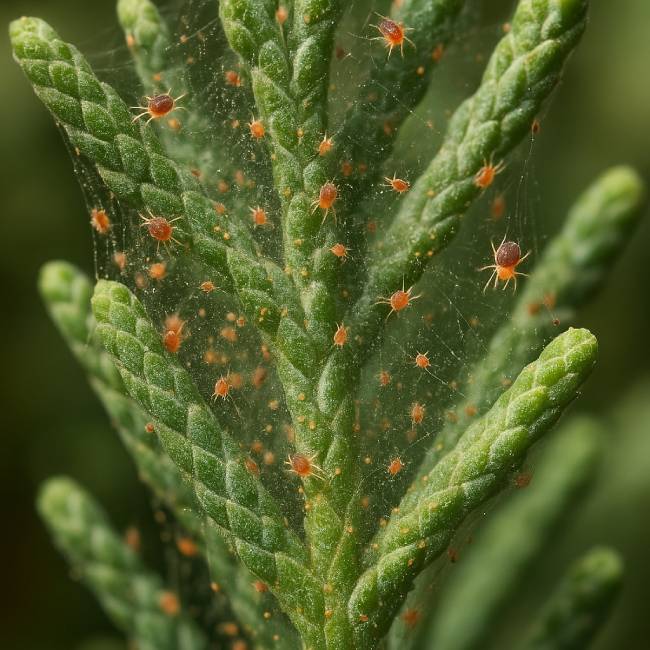
Spider mites thrive in hot, dry climates—making them a frequent Southwest USA issue. These tiny arachnids leave stippled, yellowing leaves and fine webbing. Infestations can quickly overwhelm stressed plants.
Organic Solutions:
-
Boost Humidity: Spider mites hate moisture. Spray or rinse the undersides of the leaves often. This simple step can help keep pests away, since many bugs like to hide where it’s dark and still. When you add some water to these areas, it disrupts their hiding spots and makes your plant less welcoming for them. Some might wonder if this extra water could cause problems for the plant. As long as you let the leaves dry and avoid soaking the soil, there’s little risk. Regular misting helps you spot early signs of damage, too, so you can act before things get out of hand.
-
Beneficial Predators: Predatory mites (Phytoseiulus persimilis) and lady beetles feed on spider mites. Encourage or purchase them for biological control.
-
Neem or Horticultural Oils: Oils smother spider mites and their eggs. Apply in the evening to avoid leaf burn under the intense Southwest sun.
-
Keep Plants Healthy: Drought-stressed plants are most vulnerable. Regular deep watering and mulching help plants resist damage.
3. Whiteflies: The Flying Menace
The Problem:
Whiteflies hide on the undersides of leaves, flying up in a cloud when disturbed. Like aphids, they suck sap and excrete honeydew, leading to sooty mold. They reproduce rapidly in warm weather.
Organic Solutions:
-
Yellow Sticky Traps: Place traps near plants to monitor and reduce populations. Whiteflies are attracted to the color yellow.
-
Vacuum Them Away: A handheld vacuum on a low setting can physically remove large numbers in the early morning.
-
Neem Oil or Soap Sprays: Apply directly to the undersides of leaves where whiteflies gather.
-
Encourage Predators: Tiny parasitic wasps (Encarsia formosa) are highly effective natural enemies of whiteflies.
General Organic Pest Management Tips for the Southwest
-
Inspect Regularly: Early detection is the best defense. Check the undersides of leaves often.
-
Avoid Overfertilizing: Too much nitrogen encourages soft, juicy growth that pests love.
-
Use Reflective Mulches: Silver-colored mulches deter whiteflies and aphids by confusing their navigation.
-
Rotate Crops: Don’t plant the same vegetables in the same spot each season. If you do, you’re inviting pests that remember where their favorite crops grew last year. Switching things up breaks their pattern and helps keep your garden healthier. Even if moving plants sounds like extra effort, it’s a simple step that pays off. You’ll notice fewer pests and stronger plants when you give your soil a new challenge each year.
Final Thoughts on Southwest Garden Pests
Controlling aphids, spider mites, and whiteflies organically in the Southwest requires consistency and observation. Instead of a one-time chemical fix, think of it as creating balance in your garden. By using water, natural predators, and plant-based sprays, you’ll not only protect your plants but also encourage a thriving ecosystem right in your backyard.