Did you know that there are many types of Snapdragons (Antirrhinum majus), which are among the most popular cool-season flowers. They are loved for their upright blooms, wide color range, and ability to thrive when many other plants struggle. Whether you’re planting in containers, borders, or garden beds, choosing the right types of snapdragons makes all the difference.
Below is a breakdown of the main Snapdragon varieties, how they grow, and where they perform best—especially in Southwest and desert gardens.
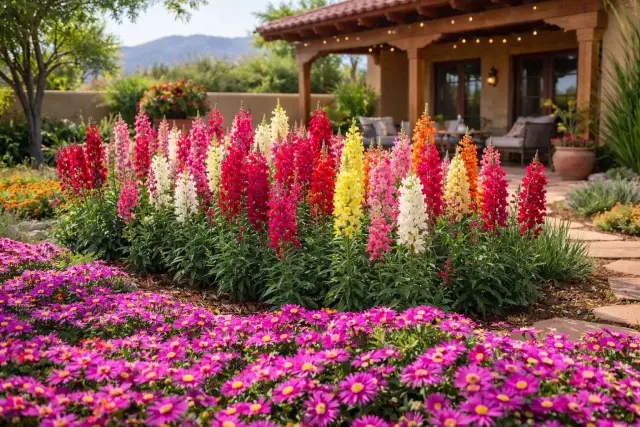
Tall Snapdragons (Cut-Flower Types)
Tall snapdragons are known for their long flower spikes and dramatic vertical presence.
Key features:
-
Height: 24–36 inches
-
Best use: Cut flowers, back of flower beds
-
Bloom season: Fall through spring in mild climates
Popular tall snapdragon series:
-
Rocket series
-
Liberty series
-
Sonnet series
These varieties perform well in cooler fall and winter temperatures, making them ideal for New Mexico and West Texas landscapes.
Intermediate Snapdragons (Landscape Favorites)
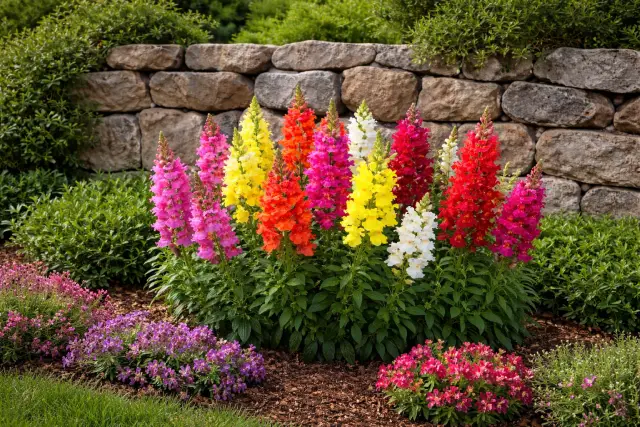
Intermediate snapdragons strike a perfect balance between size and versatility.
Key features:
-
Height: 12–24 inches
-
Best use: Flower beds, borders, mass plantings
-
Growth habit: Strong stems with excellent flower coverage
Popular varieties:
-
Monarch series
-
Solstice series
-
Chimes series
These snapdragons are excellent for seasonal color and adapt well to full sun to partial shade.
Dwarf Snapdragons (Compact & Container-Friendly)
Dwarf snapdragons remain low-growing and neatly compact, which makes them an excellent choice for small garden beds, borders, containers, and tight spaces where you want bright color without plants becoming tall, floppy, or overcrowded.
Key features:
-
Height: 6–10 inches
-
Best use: Containers, edging, window boxes
-
Maintenance: Low
Popular dwarf series:
-
Montego series
-
Floral Showers series
They are perfect for pots, patios, and walkways, especially where wind exposure is a concern.

Trailing Snapdragons (Spreading & Cascading)
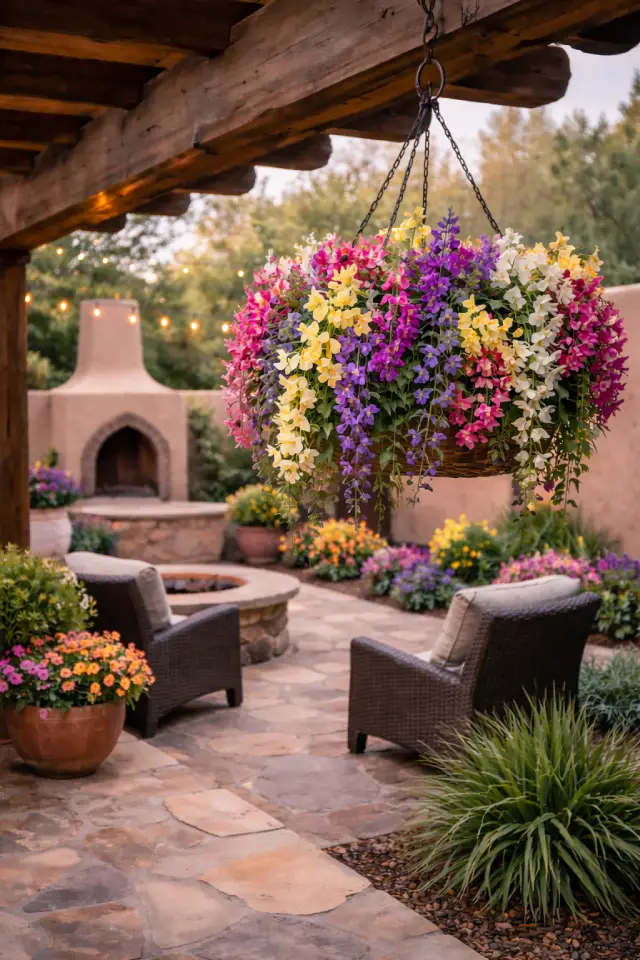
Trailing snapdragons have a softer, spreading growth habit that gently cascades and spills beautifully over the edges of containers, hanging baskets, raised beds, and garden walls, adding a graceful, flowing look wherever they are planted.
Key features:
-
Growth: Trailing / cascading
-
Best use: Hanging baskets, raised planters
-
Unique look compared to upright types
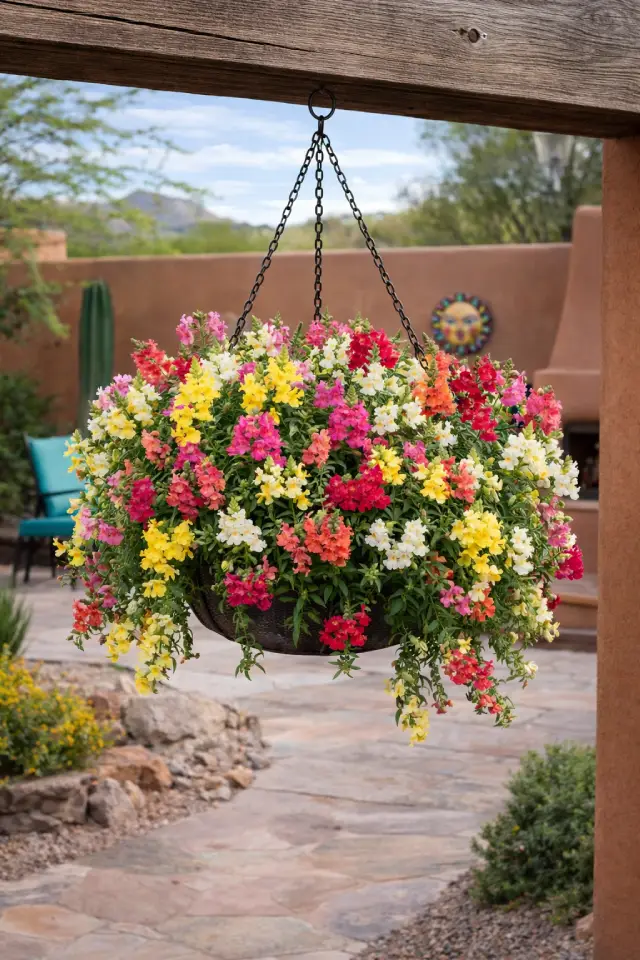
Popular varieties:
-
Candy Showers series
-
Luminaire trailing snapdragons
These varieties are excellent for visual interest in container gardens and mixed planters.
Snapdragon Colors & Flower Types
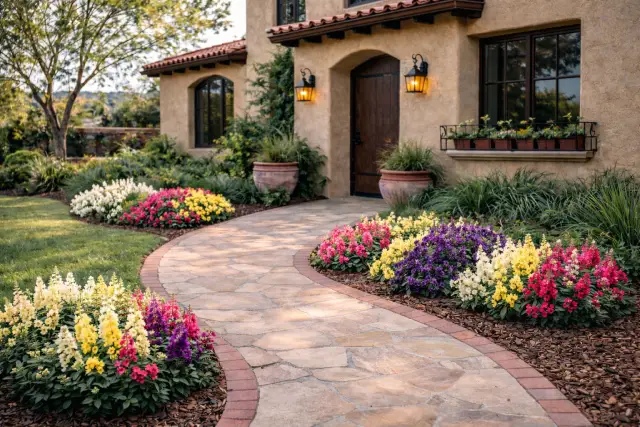
Snapdragons are available in nearly every color imaginable, including:
-
Red, pink, yellow, orange
-
White and cream
-
Bi-color and pastel blends
Some newer varieties also feature double or azalea-style blooms, adding extra texture to garden displays.
Best Snapdragons for Southwest Gardens
For desert and Southwest climates, choose snapdragon varieties that tolerate:
-
Cool nights
-
Mild frosts
-
Bright winter sun
Most gardening stores will have these types of snapdragons during the early spring.
Planting tips:
-
Best planting time: Early Spring or Fall
-
Sun: Full sun to light afternoon shade
-
Water: Regular but well-drained soil
Snapdragons often bloom all winter long in mild climates, making them one of the best cool-season flowers for the region.
Are Snapdragons Safe for Pets and Pollinators?
-
✅ Non-toxic to cats and dogs
-
🐝 Attract bees
-
🐦 Attract hummingbirds
This makes snapdragons a great choice for pet-friendly and pollinator-friendly gardens.
Final Thoughts
With tall, dwarf, intermediate, and trailing options available, snapdragons offer endless possibilities for gardeners. Choosing the right type ensures better performance, longer bloom time, and a more visually balanced landscape.
Whether you’re planting for fall color, winter blooms, or spring transitions, snapdragons remain one of the most reliable and rewarding flowers you can grow.
Why are they called Snapdragons? More on this in a bit, with some snapdragons.

Greenhouse Manager, Master Gardener, and Webmaster.
If you have any questions or enjoyed this post, feel free to share your thoughts in the comments below.