Varieties of Cosmo Plants: Brighten Up Your Garden with These Easy Blooms

Cosmo plants turn ordinary garden patches into color-filled backyards. These simple-to-grow flowers come from Mexico and Central America but now pop up in gardens across the globe. If you’ve ever seen a bed of Cosmo, you know their pinks, whites, reds, oranges, and even chocolatey browns draw the eye in and bring out that “wow” feeling.
Plant fans love Cosmos. Why not? They’re low fuss, grow like crazy, and attract butterflies and bees. Add their fine leaves and feathery look, and you’ll see why so many choose them. Whether you’re new to growing or have a green thumb, Cosmos don’t disappoint. Let’s take a closer look at what makes these varieties distinct and how to select the best one for your space.
Understanding the Main Varieties of Cosmo Plants
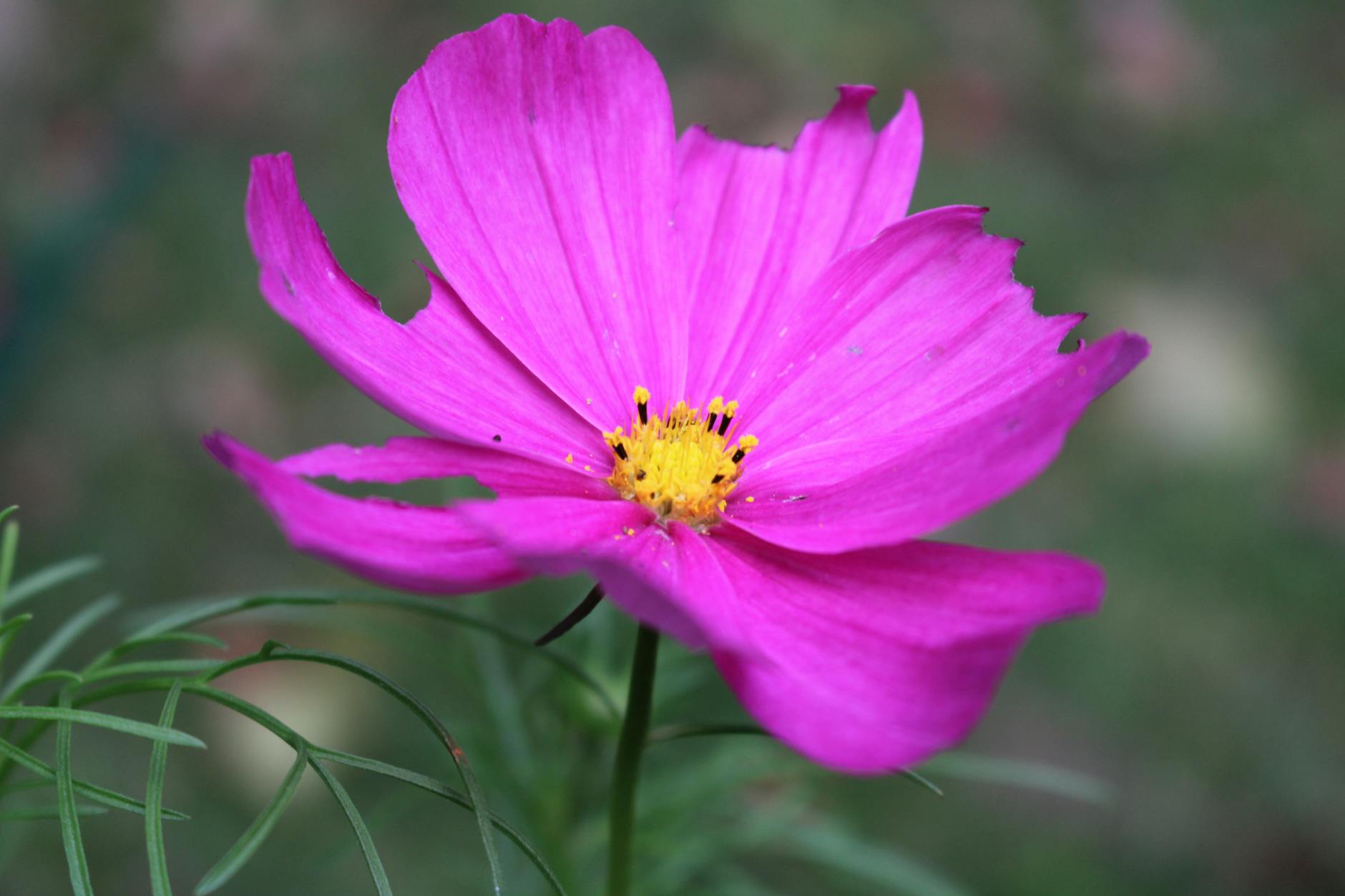
Photo by alex ohan
Cosmos bipinnatus: The Classic Garden Favorite
Cosmos bipinnatus wears the crown when it comes to cosmos flowers. People call it the “Common Cosmos” for a good reason. You’ll spot it in cottage gardens, wildflower meadows, and curbside gardens everywhere. This one comes from Mexico originally, and can take hot, sunny spaces with ease.
- Colors: Pinks, purples, whites, reds.
- Petals: They can be flat or slightly ruffled, with yellow dot centers.
- Height: Grows tall—up to 6 feet if happy.
- Garden Style: Perfect for wild, natural gardens. Stuff these blooms among veggies, along fences, or anywhere you want easy color.
Kids and bees both love these! The giant bushy plants hide flaws, fill ugly corners, and rarely need much upkeep.
Cosmos sulphureus: The Golden Cosmos
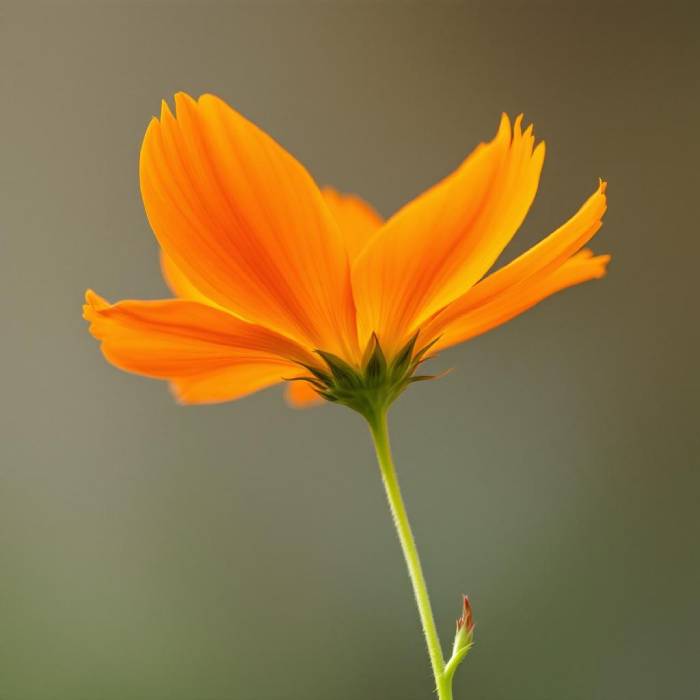
Want a bold yellow or orange punch in your garden? Cosmos sulphureus is your pick. Unlike its pink relatives, this one glows in golds and tangerines.
- Heat Lover: This Cosmo handles hot, dry spots, so gardens that get lots of sun see splashy results.
- Pollinator Party: Bees, butterflies, and hummingbirds flock to these.
- Growing Habit: Grows a bit shorter than bipinnatus, usually topping out around 2 to 4 feet.
- Common Use: Brightens borders or fills in sunny dry spots where other plants tap out.
If you want a flower that seems built for long, sweaty summers, try this one. It won’t fade out in the heat.
Cosmos atrosanguineus: The Chocolate Cosmos
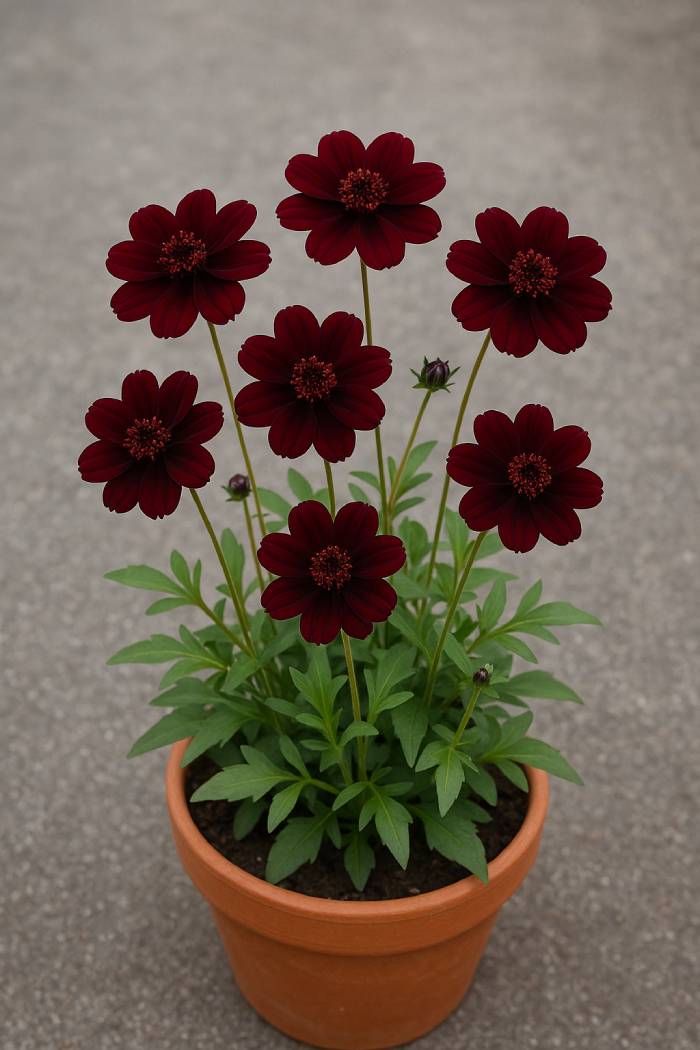
Here’s where Cosmo plants really surprise people. The Chocolate Cosmos, or Cosmos atrosanguineus, wears deep, rich burgundy-red petals. But it’s the smell that gets folks talking. This one actually smells like chocolate!
- Looks: Blooms are nearly black, with a silky texture.
- Fragrance: Warm days pull out a light cocoa scent.
- Height: Compact, growing about 1.5 to 2 feet high.
- Needs: Unlike the other Cosmos (which grow from seeds), Chocolate Cosmos grows from tubers. This makes it a little fussier—give it well-drained soil, steady water, and, if you live where it freezes, dig the tubers and store them until spring.
If you love rare and cool plants, this Cosmo will be the star of your garden beds or pots.
Choosing and Growing the Perfect Cosmo for Your Garden
How do you pick which Cosmo to grow? Think about the feel and color you want, then match it with your garden’s needs.
Factors to Consider When Selecting Cosmo Varieties
Climate:
If your summers sizzle, go for Cosmos sulphureus. Cooler places or spots that get some shade work fine for Cosmos bipinnatus. With Chocolate Cosmos, you’ll need to bring the tubers indoors over winter if you’re somewhere that freezes.
Color Preferences:
Love classic pink gardens? You’ll want Cosmos bipinnatus. For fiery oranges and yellows, Cosmos sulphureus wins. If you’re after something unusual, the chocolate-colored blooms will set your garden apart.
Space:
For small gardens, trays, or patios, Chocolate Cosmos or dwarf types of bipinnatus fit right in. Have a big, wild spot? Plant tall bipinnatus and sulphureus for a lively bed.
Tips for Planting and Maintaining Healthy Cosmos
Cosmos offer wild color with little work, but a few steps can help them really shine.
- Start from Seeds:
Direct sow seeds outdoors after the last frost for the healthiest plants. If your season is short, you can start seeds indoors a few weeks before your last frost. - Give Them Sun:
Plant Cosmos where they’ll get at least 6 hours of bright sunlight each day. Shady spots mean fewer flowers. - Water Wisely:
Cosmo roots don’t like sitting in soggy soil. Water deeply, but only once the soil dries out. Letting them get a little thirsty makes for stronger plants and more blooms. - Deadhead for More Blooms:
Snip off browning or faded flowers. This sends all the plant’s energy into new buds, so you’ll get a longer flowering season. - Support Tall Types:
Tall bipinnatus might need a small bamboo stake to stay upright. Wind and heavy blooms can tip them over. - No Fancy Fertilizers Needed:
Too much fertilizer actually means more leaves and fewer flowers. Use simple compost if anything at all. - Attract Pollinators:
Let some Cosmos go to seed by the end of the year. Birds love the seed, and you’ll get self-sown free flowers next year.
Learn more about this plant over at How to Care for Cosmos Plants
Conclusion
Cosmos bring a garden to life with their bright colors, easy care, and fun look. They fit into wild beds, border walkways, or even into pots on your balcony. You don’t need much space or skill. Just pick your favorite type, drop in some seeds or a tuber, and let nature do the rest.
If you love trying new things, change up your Cosmo mix each season. The simple change of color or shape can make your garden feel brand new every year. With Cosmos, everyone, young or old, can enjoy gardening that gives back season after season. Try one next season and watch your outdoor space pop with color and motion.

Greenhouse Manager, Master Gardener, and Webmaster.
If you have any questions or enjoyed this post, feel free to share your thoughts in the comments below.