
Last updated on March 29th, 2026 at 07:50 am
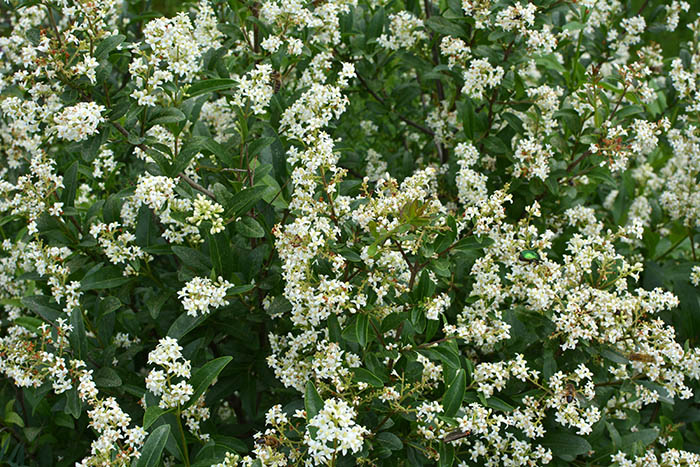
The Wax Leaf Privet (Ligustrum japonicum) thrives in Southwest climates, making it a reliable choice for year-round greenery. This hardy perennial stays lush and vibrant through all seasons, maintaining its rich, dark green, glossy leaves.
It typically reaches a height of 8 to 10 feet and spreads about 5 feet wide, creating a compact yet striking presence in gardens or as a privacy hedge. During spring, it produces clusters of small, creamy-white flowers, adding a subtle touch of elegance and fragrance. Its waxy foliage not only looks polished but also makes it resistant to harsh conditions, making it low-maintenance and versatile for various landscape designs.
Waxleaf Privet as Border Wall
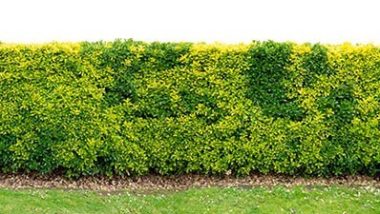
Yes, this plant can be used as a nice, dense privacy wall screen. Perfect to keep neighbors from looking into your yard. You can also use it as a topiary and form it into a ball, square, or a 2-to 3-tiered plant in a nice ornamental container. See the Photos Below.
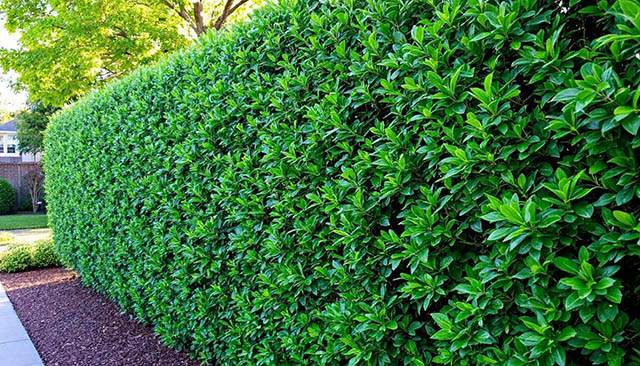
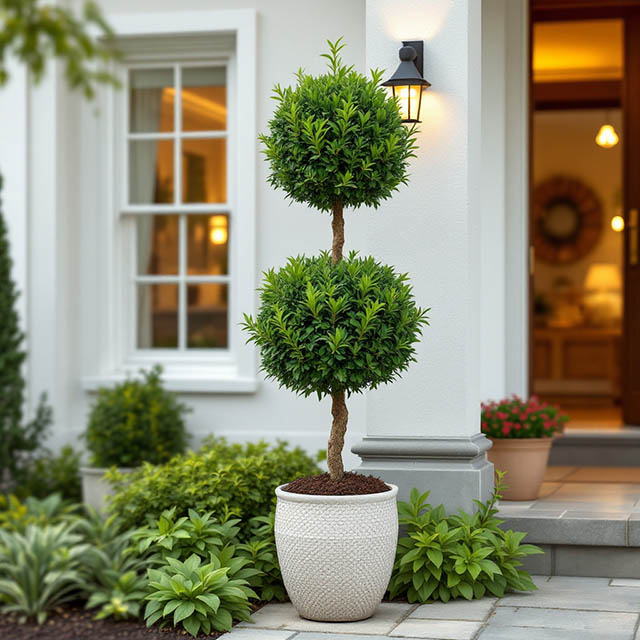
Dense foliage all year long. Place it as a background plant with small, colorful perennials or annuals in front. Fragrant white flowers during the spring season. Plant 3-4 for a great-looking contemporary hedge. Use them as a complementary plant for your lawn.
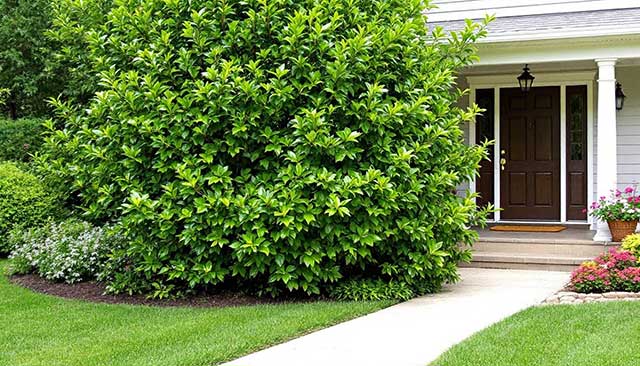
Do insects like this plant?
They are susceptible to leaf miners and spider mites. Look for them during the hot summer season. For best results, use a systemic insecticide to remove these pests.
Use it as a stand-alone large plant. Wax Leaf Privet has nice, dense foliage; see the image below. Fertilize it with a good 20-20-20 fertilizer once in summer, spring, and fall. More often, if you want quick, thick, dense foliage.

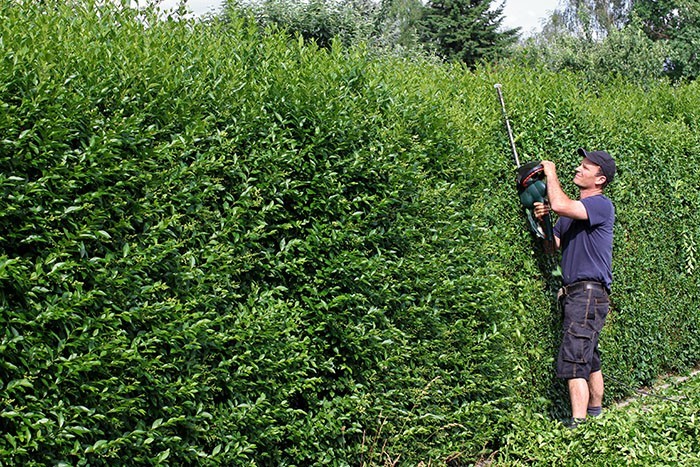
Turn the Wax Leaf Privet into a dense, thick hedge. Keep the neighbors from looking into your yard.
Are Waxleaf Privets toxic to dogs and cats?
Yes—waxleaf privet (Ligustrum japonicum) is toxic to both dogs and cats.
All parts of the plant—especially the berries and leaves—contain compounds (like glycosides) that can cause poisoning if ingested.
Best Pet-Safe Hedge Options (Southwest Friendly)
Texas Sage (Leucophyllum frutescens)
- Pet-safe: Generally considered safe
- Water: Very low once established
- Size: 5–6ft tall
- Look: Soft gray-green with purple blooms after rain
This is one of the best overall substitutes. It’s drought-tolerant and thrives in desert climates. Texas Sage Bush

Greenhouse Manager, Master Gardener, and Webmaster.
If you have any questions or enjoyed this post, feel free to share your thoughts in the comments below.

This is an invasive plant in most of the country. I never recommend planting.
Yes, but not in and around the Desert Southwest where it will not become invasive, not enough rainfall. You can also plant them in containers eliminating the invasive nature of these plants.