What Really Causes Tomato Leaf Curl? Simple Answers and Solutions [2025]
What Really Causes Tomato Leaf Curl. You check on them every morning, hoping for perfect green leaves, and then out of nowhere, they start curling or twisting. Leaf curl is a common problem, and it can be pretty frustrating, especially when you’re hoping for a big, healthy crop.
You’re not alone if your tomato plants are sending up curly, funny-looking leaves. This post will break down what causes leaf curl, why it happens, and what you can actually do about it. Let’s get your tomato plants back on track, so you can grow the best tomatoes on the block.
Is it a virus, bacteria, or insects?
Keep reading to discover what actually causes leaf curl and how you can spot the signs early. There are a few reasons plants develop curled leaves, and knowing why can help you care for them better.
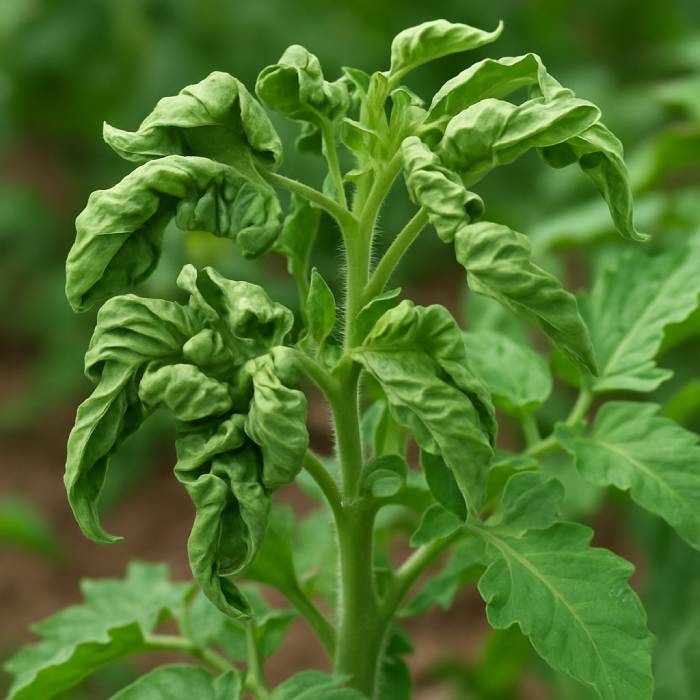
Common Physiological Causes of Leaf Curl
Tomato leaves often curl because the plant is stressed by something that’s part of its environment. These aren’t usually signs of disease but more like your tomatoes trying to tell you they’re uncomfortable. Let’s break down some of the usual suspects—things like water, weather, and nutrients. Good news: if you spot these early, you can often fix them with a couple of changes to your care routine.

Photo by Aleem Ahmad
Water Stress (Drought and Overwatering)
Tomatoes act a lot like people when it comes to water—they don’t like too much or too little. Water stress is the top reason for leaves curling up.
- Not enough water (drought):
- Leaves curl up and in, trying to save moisture.
- The edges can look dry and crispy.
- This curling is the plant defending itself, almost like how people squint on a bright day.
- According to university extension guides, letting the soil dry out too often strains tomato plants and causes this leaf curling.
- Too much water (overwatering):
- Roots start to drown, so the plant struggles to take up air.
- Leaves can curl down or roll inward, sometimes even turning yellow.
- Soggy soil can also lead to other problems like root rot.
High Temperatures and Environmental Stress
Tomatoes love sunshine, but too much heat can send them into survival mode. High temps, strong sunlight, and stiff winds all add to the stress cocktail.
- Heat stress:
- On hot days (above 85°F or 29°C), leaves often roll inward.
- The plant tries to shade itself and lose less water.
- A study by the University of California found that “physiological leaf roll” is the plant protecting itself, not an illness.
- Sun and wind:
- Intense sun dries out the leaf surface quickly.
- Wind can strip away moisture, especially if the soil is already dry.
- Leaves protect themselves by folding or curling.
Tomatoes will usually bounce back from a hot spell, but if extreme weather keeps up, you might see curling all season. Shade cloth, mulch, or row covers are simple ways to help your plants deal with sun and wind.
Nutrient Imbalances and Over-Fertilization
Just like us, tomatoes get grumpy if their food is off balance. Most of the time it comes down to too much or too little of key nutrients, especially nitrogen and potassium.
- Too much nitrogen:
- Heavy, lush leaves that curl and look too dark green.
- Fast growth that’s floppy or twisted.
- Extra fertilizer (especially high-nitrogen types) triggers lots of leaf and stem growth but confuses the plant, causing curling.
- Potassium and other deficiencies:
- Not enough potassium or certain micronutrients can cause tips or edges to roll and even brown.
- The plant is trying to move what little food it has to the most important spots, leaving some leaves short.
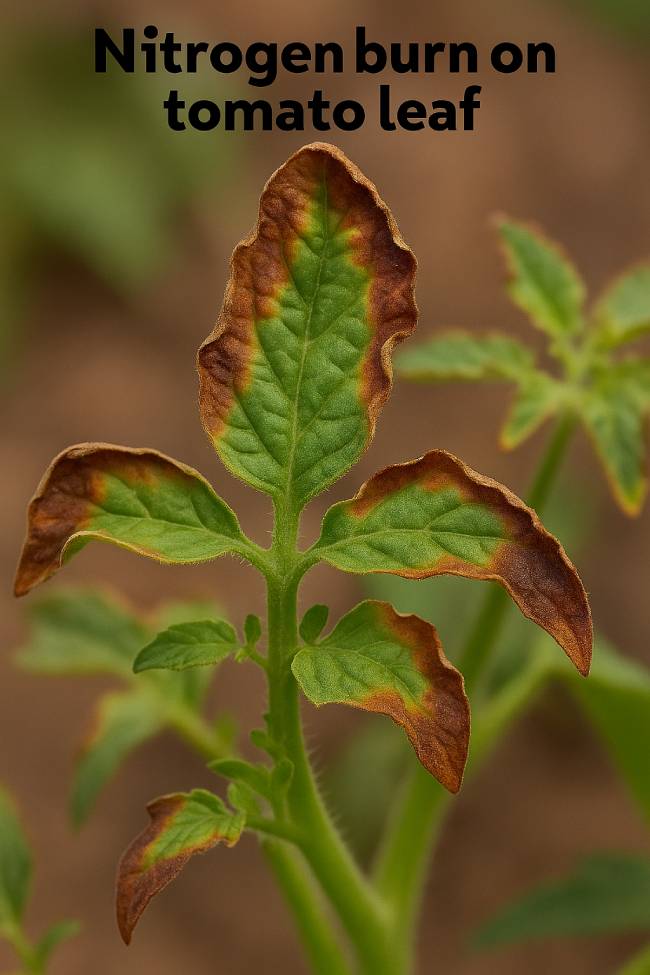
Here are some signs that nutrition might be the root of the curl problem:
- The curling starts after a fresh round of fertilizer or if you’re using lots of composted manure.
- The soil is sandy, or you haven’t fertilized in a long time.
- New growth is distorted or twisted.
A balanced approach to feeding is best—think slow and steady. Stick with recommended rates on fertilizer labels or, even better, get a simple soil test. That way, you’ll know exactly what your tomatoes need and avoid the guessing game altogether.
Infectious and Pest-Related Causes of Leaf Curl
Leaf curl on tomato plants isn’t always about the weather or how you water. Sometimes, tiny attackers are the real problem. Certain bugs, viruses, bacteria, or even a few fungi can make tomato leaves curl, twist, and look sickly. It’s like your plants are throwing up red flags, asking for help. Here’s how to tell if sneaky invaders are to blame—and what signs to look for.
Viral Infections (Tomato Yellow Leaf Curl Virus and Others)
Viruses are microscopic troublemakers that need help from insects to move from plant to plant. The most talked about is the Tomato Yellow Leaf Curl Virus (often just called TYLCV), but there are a few others that hurt tomatoes, too.
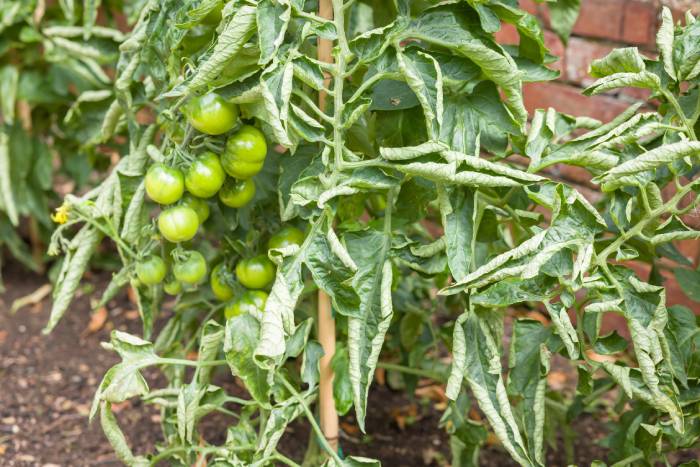
- What to look for:
- New leaves are tight, small, and super curly right at the top.
- The plant can look stunted, almost as if it stopped growing.
- Leaves may turn yellow—especially along the edges.
- You might see fewer flowers and smaller fruit that never grows right.
- How does it spread?
- Whiteflies are the main carriers. They bite one plant, pick up the virus, and then pass it to the next tomato they feed on.
- Some viruses can also come in on infected transplants.
- It’s pretty fast; once one plant is infected, nearby tomatoes are at risk too.
- Symptoms compared to stress:
- The leaf curl from viruses is sharp and twisted, not just soft or rolled like with water or heat problems.
- Plants look sickly overall, not just curling but struggling to grow at all.
Pests That Induce Curling (Aphids, Whiteflies, Thrips)
Some bugs don’t just spread viruses—they actually make leaves curl just by feeding on them. Let’s break down the main offenders and how you can spot their damage.
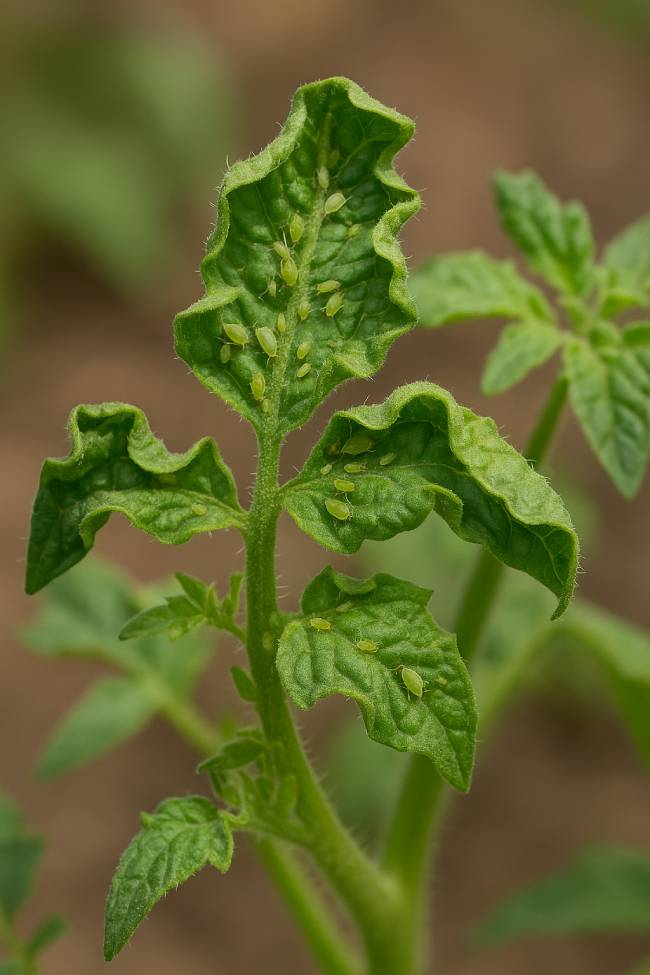
- Aphids:
- These are soft, tiny bugs that come in green, black, or even orange colors.
- You’ll usually find them in clusters on the undersides of new leaves.
- Aphids suck out the juices, causing leaves to cup, twist, or fold up.
- Look for sticky “honeydew” and ants hanging around, protecting their aphid farm.
- Whiteflies:
- Whiteflies look like tiny white moths that fly up in a cloud when you shake the plant.
- Their feeding causes leaves to turn yellow, curl in at the edges, and can even bring on sooty black mold from their sugary waste.
- They lay eggs on the bottom of leaves, so check there if your plants look wilted and curled.
- Thrips:
- These are skinny, tiny insects that leave bronze or silvery streaks across leaves.
- Thrip damage looks like twisted, crumpled new leaves, sometimes with little black dots (their poop).
- The leaf curling is usually tightest on the freshest growth.
Key Damage Patterns:
- Pest damage usually starts with the youngest leaves.
- Look for bugs themselves, sticky stuff, or tiny black spots before you treat.
Bacterial and Fungal Infections
Viruses and pests get all the attention, but sometimes leaf curl can come from bacteria or fungi. These cases are less common, but they’re still worth knowing about, especially when the usual treatments don’t help.
- Bacterial causes:
- Rare, but some bacteria that cause wilts (like bacterial wilt, Ralstonia solanacearum) can make leaves curl as they block water up the stem.
- Symptoms look like wilted, limp leaves with some curling, even when the soil is moist.
- Sometimes, if you cut the stem and squeeze it, you’ll see milky sap ooze out—a sure sign of bacterial trouble.
- Fungal culprits:
- Certain diseases, like Fusarium or Verticillium wilt, start with yellowing and curling on the lower leaves.
- Leaves might curl up, wilt, dry out, then turn brown.
- These fungi live in the soil and can stick around for years, so rotation is important if you’ve had these before.
How to Spot the Difference:
- Bacterial or fungal leaf curl usually shows up along with yellowing, browning, and drooping of the whole plant.
- Curling is often lower on the plant at first, not just on the new growth.
When curling is paired with yellow, brown, or black patches—or the whole plant looks weak no matter how you care for it—it’s time to check for diseases, not just stress or bugs.
How to Diagnose the Cause of Leaf Curl
Looking at curly tomato leaves can feel like trying to solve a mystery without clues. Is it the weather? Are bugs to blame? Getting it right saves time, helps your plants bounce back, and often means more tomatoes for you. Let’s break the process into simple steps anyone can follow at home.
Visual Clues and Patterns of Curling
Knowing what kind of curl you see is half the battle. Tomato plants show different patterns depending on what’s stressing them. Here’s how you can use those visual clues to tell stress from sickness.
- Physiological Curling (Caused by Environment or Care)
- Leaves curl mostly upward or inward, but don’t twist much.
- Plant still looks green and mostly healthy, with no major yellowing or brown spots.
- Curling often shows up after sudden changes in weather or watering.
- New growth looks fairly normal, just a little bent or rolled.
- Lower leaves may be more curled than the top leaves.
- Disease or Pest Curling
- Leaves curl, twist, and may look deformed or shrunken (not just rolled).
- Yellowing, spots, or dead patches appear alongside the curling.
- Puffiness, stunted growth, or edges turning purple or brown.
- Curling is most severe on new (top) leaves, and overall plant growth looks weak.
- Bugs, eggs, or sticky residue found under leaves.
- Multiple leaves are affected, sometimes rapidly.
Take a step back and compare what you see with these signs. The pattern tells you a lot more than just the curl alone.

Photo by Kindel Media
Step-by-Step Troubleshooting Process
Not sure what’s causing your tomato leaves to roll? Here’s a checklist you can follow to hunt down the cause right in your own garden. Start with the basics and work your way to the trickier stuff.
- Look at the Pattern on the Plant
- Are all the leaves curling, or just the top or bottom ones?
- Is it just one plant, or all your tomatoes?
- Are the leaves curled tight or just softly rolled?
- Check the Soil
- Stick your finger about two inches deep. Is it wet, muddy, bone dry, or just damp?
- Smell the soil. Sour smells can mean root rot from soggy ground.
- If the ground is dry, mark a calendar to track how often you water.
- Scan for Weather Damage
- Think back: Was there a big heatwave, cold snap, or heavy wind recently?
- Does the plant perk up again in cooler weather?
- Inspect for Bugs and Pests
- Turn over the leaves, especially on the tops of the plants.
- Look for tiny bugs (like aphids or whiteflies), black specks (thrip droppings), or sticky stuff.
- Use a magnifying glass if you have one. Kids love helping with this step.
- Check for Disease Signs
- Search for yellow, brown, or black spots on leaves.
- Is the whole plant drooping or just some leaves?
- Stems oozing strange goo or smelling foul can signal disease.
- Are the leaves at the top badly curled and stunted? That can sometimes mean virus.
- Think About Nutrition
- Did you just fertilize? Maybe with high-nitrogen fertilizer?
- Soil sandy or not fertilized all season?
- Leaves dark green and floppy, or pale and thin?
- Compare to Healthy Plants
- Are any nearby tomatoes or other plants showing the same thing?
- Problems that jump from plant to plant quickly are often pests or disease.
- Take Notes and Photos
- Snap photos and jot down what you see.
- This helps if you talk to your local garden center or extension agent.
Quick Troubleshooting Chart:
| Symptom | Likely Cause | Next Step |
|---|---|---|
| Curling only after hot, dry weather | Physiological (heat, drought) | Adjust watering, shade plant |
| Soft curl, no spots, lower leaves | Overwatering | Let soil dry a bit, check drainage |
| Tight curl, yellowing, bugs present | Pests (aphids, whiteflies) | Treat for bugs, remove infected leaves |
| Curl with yellowing + stunted growth | Virus or disease | Remove plant, clean tools |
| Dark green, floppy, twisted leaves | Too much nitrogen | Cut back on fertilizer |
Work through these checkpoints step by step. You’ll usually find the main cause after a quick investigation, and your tomatoes will thank you with better growth and bigger fruit.
Effective Prevention and Treatment Strategies
No one wants to see their tomato plants struggle with curled leaves. Luckily, you can do plenty to keep them healthy and happy. The right habits in your garden can make a big difference before problems start, and even if something goes wrong, there are good ways to step in and fix it. Let’s look at simple ways to protect your tomatoes from leaf curl using both smart routine care and the best pest and disease control.
Cultural Practices to Prevent Physiological Curl
You can prevent most physiological leaf curl with the basics—good watering, the right mulch, proper feeding, and helping your plants handled tough weather. Keeping up with these habits is like building a strong shield for your garden.
- Consistent Watering
Tomatoes like steady moisture, not big swings from dry to soggy. Soak the soil when you water, aiming for about 1 to 1.5 inches a week. Water at the base, not on the leaves, to avoid wet foliage that attracts disease. Mulch helps keep soil from drying out too fast between waterings. - Mulching
Spread 2 to 3 inches of straw, wood chips, or shredded leaves around each plant. Mulch is like a comfy blanket that keeps the roots cool, stays moisture in the soil, and cuts down on weeds. It helps prevent sharp swings in temperature or dryness that cause leaf curl. - Balanced Fertilization
Tomatoes get cranky if they’re overfed, especially with too much nitrogen. Use a balanced fertilizer meant for vegetables and follow the directions—don’t just pour it on. If you use compost or manure, choose well-rotted options. Too much of a good thing, and leaves will curl and get dark green. If you’ve never checked your soil, a simple test kit can tell you what your garden actually needs. - Temperature Management
Sudden heat can stress tomatoes out fast. On days when the weather jumps over 85°F (29°C), cover plants with light shade cloth or give them extra water in the morning. In cold snaps, use row covers or old sheets to keep plants from getting shocked. Even a few degrees’ difference helps keep leaves relaxed instead of curling up.
Quick Habits Checklist:
- Water deeply and on schedule
- Lay down mulch right after planting
- Fertilize with balance, not just “more is better.”
- Shade or cover plants during weather extremes
If you do these things each week, you’ll stop most curling trouble before it starts.
Pest and Disease Control Measures
Keeping bugs and diseases away is a big part of stopping leaf curl, especially with pests like aphids or viruses sneaking in. Smart choices now can keep your tomatoes strong all season.

Photo by Arina Krasnikova
Organic Solutions First
A lot of gardeners (including me) prefer to reach for safe, non-chemical fixes:
- Release ladybugs or lacewings to hunt down pests like aphids and whiteflies.
- Spray leaves with insecticidal soap or neem oil. Both work well for soft-bodied bugs and break down quickly in the garden.
- Remove diseased or curled leaves by hand, especially if you see bugs or sticky residue.
- Hose off mild infestations with a strong blast of water.
- Use Horticultural Oil to prevent insect larvae from hatching.
Conventional Options When Needed
Sometimes pests or viruses get ahead of us. Here’s when stronger tools help:
- Use a recommended garden systemic insecticide only if bugs are out of control and other options aren’t working.
- Follow label directions closely and avoid spraying when bees are flying or on breezy days.
- Always wash tomatoes well before eating.
Resistant Varieties and Exclusion
Planting the right tomatoes saves headaches:
- Choose tomato types labeled “virus-resistant” or “VFN-resistant” (for Verticillium, Fusarium, and Nematodes).
- Use floating row covers to protect young plants from flying insects for the first several weeks. This helps keep whiteflies and aphids off without chemicals.
- Keep weeds in check and use yellow sticky traps to monitor for pest problems.
- Rotate tomato crops each year. Never plant tomatoes in the same spot season after season if possible.
Simple Exclusion Steps:
- Screen greenhouse doors and windows so pests can’t ride in.
- Remove and trash (not compost) infected plants at first signs of virus or heavy bug damage.
- Wash hands and tools after handling sick or infested plants to avoid spreading trouble.
Summary of Key Actions:
- Try organic controls first—for safety and pollinator health.
- Use resistant tomato types and physical barriers.
- Clean up after bug or virus outbreaks and rotate crops every year.
Keeping up with these proven habits lets you relax more during tomato season. When you combine smart care with a watchful eye, you can prevent most leaf curl problems from taking over your garden.
Conclusion
Leaf curl on tomato plants can look scary, but most of the time, it’s your plant reacting to some kind of stress or attack. Knowing what’s behind the curling—whether it’s weather, watering, bugs, or disease—makes all the difference for a healthy crop. When you spot trouble early and use the right fix, your tomatoes bounce back stronger.

Greenhouse Manager, Master Gardener, and Webmaster.
If you have any questions or enjoyed this post, feel free to share your thoughts in the comments below.