Last updated on February 14th, 2026 at 02:11 pm
If you garden in Southern New Mexico or West Texas, you already know our climate is different. High heat, low humidity, alkaline soil, and long dry spells change everything — including the insects in your yard.
Not all bugs are bad.
In fact, some insects are your best defense against aphids, whiteflies, spider mites, and other common Southwest garden pests.
Here are 10 beneficial insects that thrive in desert climates and help protect your plants naturally.
1. Lady Beetles (Ladybugs)
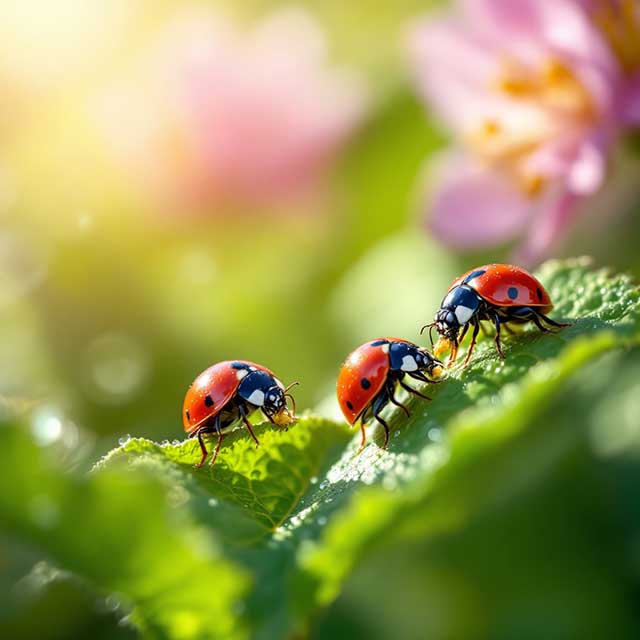
Ladybugs are one of the most recognizable beneficial insects. In the Southwest, they are especially helpful for controlling aphids, which explode in early spring and again in fall.
They feed on:
-
Aphids
-
Scale insects
-
Mealybugs
Encourage them by planting flowering herbs like dill and fennel.
Learn more about attracting ladybugs here.
2. Native Bees
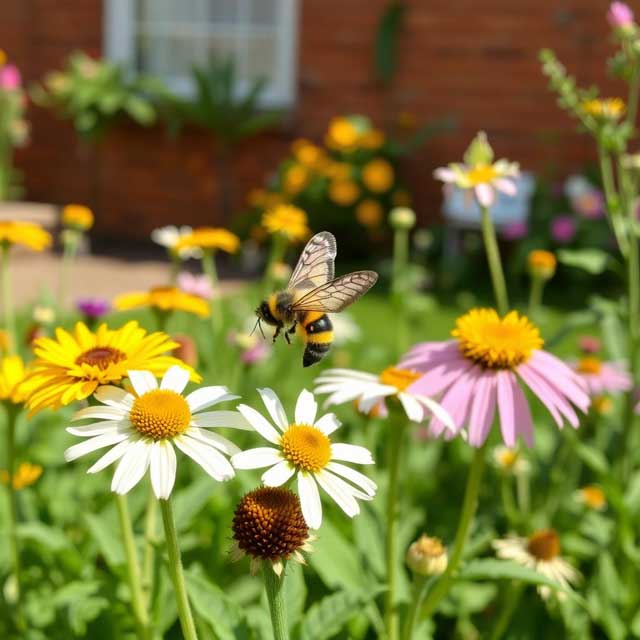
While bees are known for pollination rather than pest control, they are essential in Southwest vegetable gardens and flowering landscapes.
Desert-adapted native bees thrive in:
-
Sandy soil
-
Xeriscape landscapes
-
Low-water environments
Encourage them by avoiding broad-spectrum insecticides.
Check out tips for supporting pollinators like bees here.
3. Green Lacewings
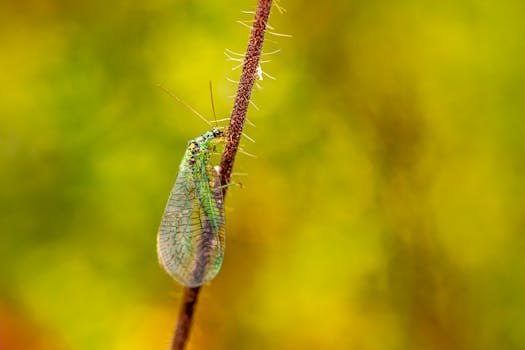
Lacewing larvae are sometimes called “aphid lions.” They are extremely effective in hot climates and tolerate the Southwest heat better than many other predatory insects.
They control:
-
Aphids
-
Thrips
-
Whiteflies
-
Spider mites
Plant yarrow or coreopsis to attract them.
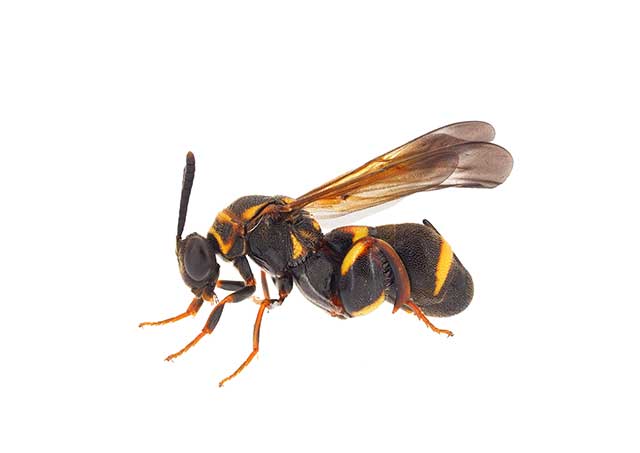
4. Parasitic Wasps
Though tiny and rarely noticed, parasitic wasps are powerful natural pest controllers.
They target:
-
Caterpillars
-
Whiteflies
-
Aphids
They are particularly useful in warm desert climates where pest populations grow quickly.
Find more about their role in gardens here.
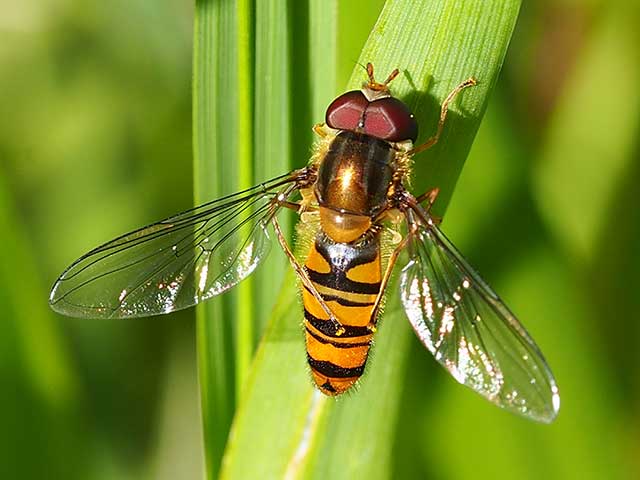
5. Hoverflies (Syrphid Flies)
These small flies resemble bees but do not sting. Their larvae are powerful aphid predators.
They thrive in:
-
Vegetable gardens
-
Flower beds
-
Southwest herb gardens
Plant native wildflowers to attract adults.
Discover how to attract hoverflies and other insects here.
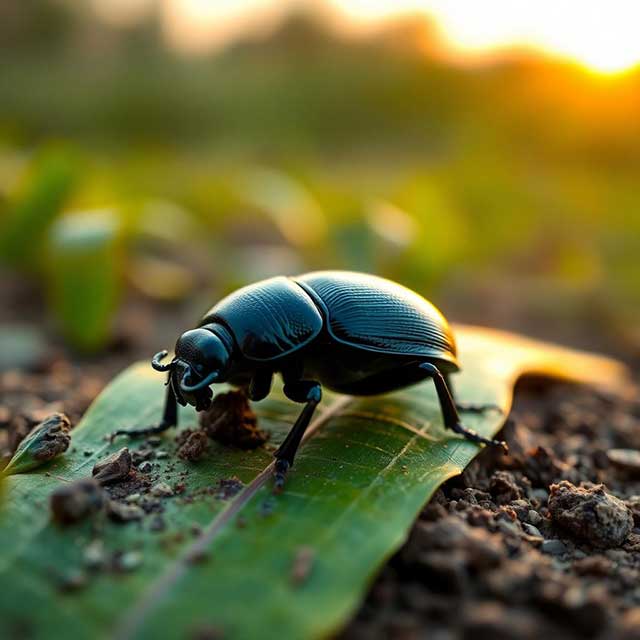
6. Ground Beetles
Ground beetles are especially valuable in Southwest landscapes because they tolerate dry soil and rocky conditions.
They help control:
-
Cutworms
-
Slugs
-
Soil-dwelling pests
Mulch lightly and avoid excessive pesticide use to keep them around.
7. Butterflies
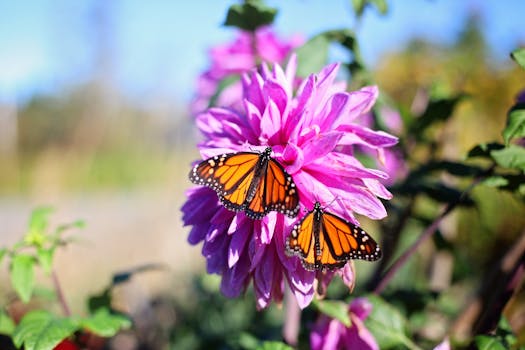
While not every stage of a butterfly’s life is beneficial (caterpillars can munch on plants), adult butterflies are excellent pollinators. They add beauty and are wonderful to look at in your garden while helping flowers and crops thrive. Just plant their favorite flowers like lavender and zinnias to attract them! Learn more about Types of plants that attract butterflies.
8. Dragonflies
Dragonflies are aerial acrobats that feast on mosquitoes, flies, and midges. If you’ve got a water feature in your garden, they’re likely to show up. Not only do they lower annoying bug populations, but they’re also fun to watch as they zip through the air.

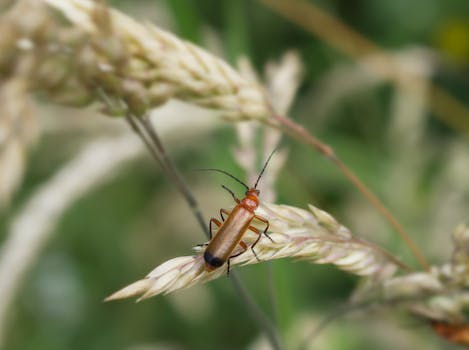
9. Soldier Beetles
These beetles are great pollinators that also love to feed on aphids, caterpillars, and grasshopper eggs. They’re harmless to humans and plants but a nightmare for soft-bodied pests. You can attract them by planting goldenrod, marigolds, and milkweed.
10. Praying Mantises
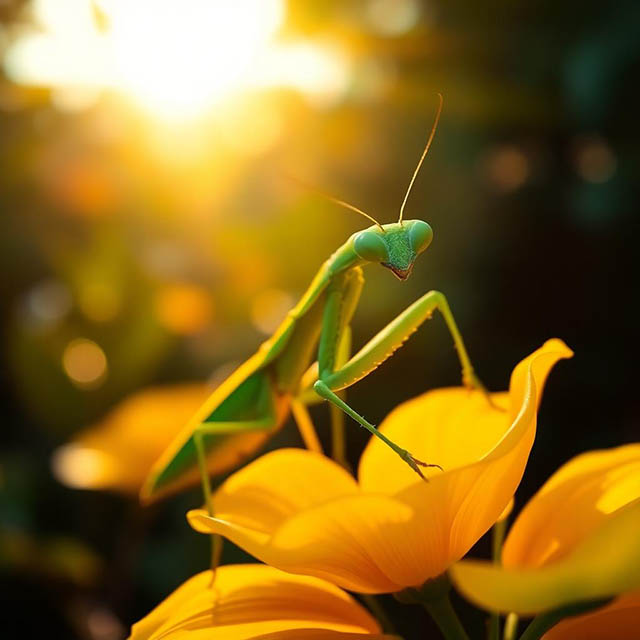
Praying mantises are common in desert landscapes and feed on a wide variety of insects.
They are general predators and will eat:
-
Caterpillars
-
Beetles
-
Grasshoppers
They are excellent in xeriscape gardens with shrubs and perennials.
11. Spiders
Spiders are often misunderstood, but they are excellent pest managers.
In Southwest gardens, they reduce:
-
Mosquitoes
-
Moths
-
Flying insects
Allowing some web-building spiders in shrubs and hedges helps maintain balance.
12. Assassin Bugs
These predatory insects are common in desert regions and feed on many garden pests.
They help reduce:
-
Caterpillars
-
Beetles
-
Leafhoppers
Be cautious handling them, as they can bite if disturbed.
Why Beneficial Insects Matter in the Southwest
In hot, dry climates like Las Cruces and El Paso, pest populations can grow rapidly due to long warm seasons.
Using beneficial insects instead of chemical sprays:
-
Reduces pesticide dependency
-
Protects pollinators
-
Maintains soil health
-
Supports sustainable gardening
Encouraging natural predators is one of the best long-term strategies for desert gardening success.
How to Attract Beneficial Insects in Desert Gardens
-
Plant native wildflowers
-
Use drip irrigation instead of overhead watering
-
Avoid broad-spectrum pesticides
-
Provide small water sources
-
Include flowering herbs
Even xeriscape landscapes can support strong insect diversity when designed properly.
Frequently Asked Questions
Do beneficial insects survive extreme Southwest heat?
Many species are heat-adapted and thrive in desert conditions, especially native varieties.
Should I buy ladybugs and release them?
In most cases, creating a habitat is more effective than releasing purchased insects.
Will beneficial insects eliminate all pests?
No. The goal is balance, not total elimination.
Conclusion
Beneficial insects are an excellent way to do organic gardening. By attracting them, you’ll be helping your garden grow naturally and cutting down on pesticide use. Simple steps like planting diverse flowers and avoiding harsh chemicals can turn your yard into a paradise for these helpful critters.
For more tips on how to attract these bugs and make your garden thrive, have a look at this article.
So, who’s going to start rolling out the welcome mat for ladybugs and lacewings? Make space for these little helpers, and they’ll return the favor by keeping your garden happy and healthy.

Greenhouse Manager, Master Gardener, and Webmaster.
If you have any questions or enjoyed this post, feel free to share your thoughts in the comments below.