Last updated on December 29th, 2025 at 07:36 am
Choosing Chinese Pistache Trees for Southwest Landscaping (Pistacia chinensis). The Chinese Pistache tree (non-bearing) is probably one of the best trees to plant in and around the Southwest. It is a small to medium-sized ornamental tree, and of course, it is native to China. A very drought-tolerant hardy tree for regions where rainwater is low, but still want a good hardy tree for shade or ornamental landscape. It is related to the nut-bearing pistachio tree but will not produce nuts.
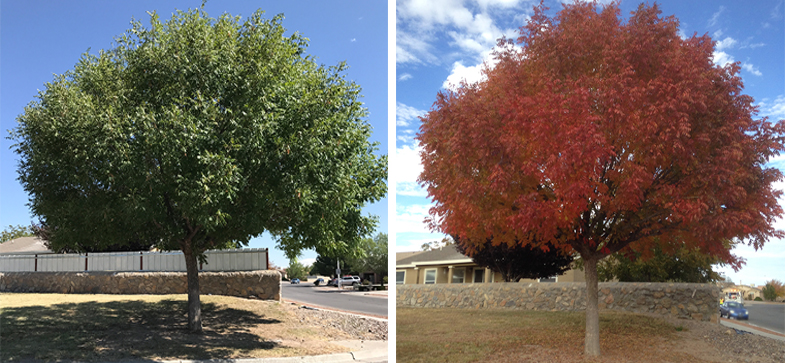
Male Chinese Pistache trees usually develop a more reddish color, but it’s tricky to tell males and females apart when you’re shopping at most nurseries. Early on, they can look a bit awkward and lanky during their first two or three years after being planted. But once they hit four or five years, they really start to fill out and develop that nice, umbrella-shaped canopy that people love. Plus, they’re super drought-tolerant, which makes them a great choice if you’re looking for a low-maintenance tree that can handle dry conditions.
The perfect tree for your backyard
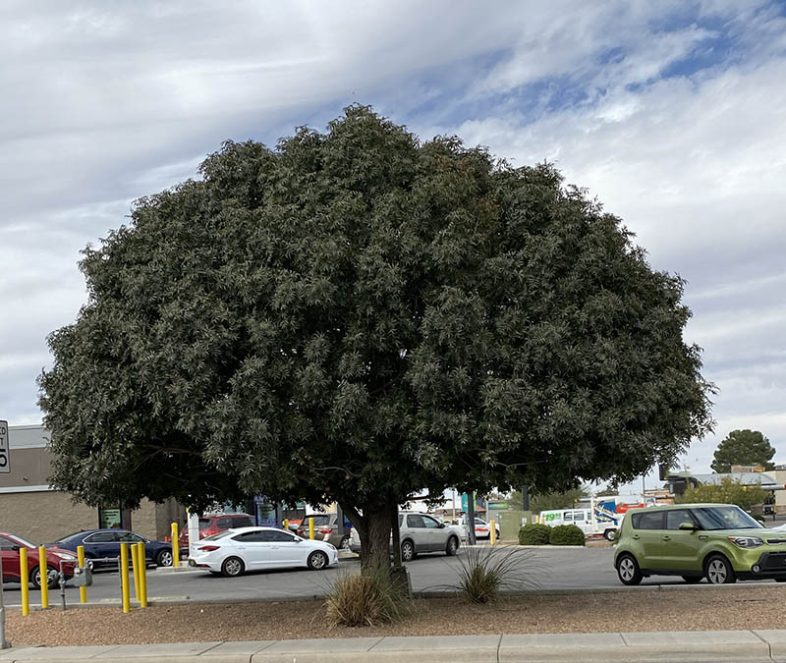
Well, there is no such thing as a “perfect tree,” but this one gets pretty close for Southwest landscaping. It will eventually grow up to 40-50 ft. tall and 35 ft. wide. It is a moderate grower and drought-tolerant tree, but will grow much faster if you water it more often. Chinese Pistache tree produces a beautifu,l well-rounded canopy perfect for shade or ornamental landscape. It is a disease and insect-resistant tree and hardy down to -20 ° F. It can also tolerate the Southwest’s alkaline soils.
City and state landscaping officials throughout the Southwest favor this tree because of its exceptional durability and low-maintenance nature. It thrives in harsh conditions—intense heat, poor soils, limited water, and compacted ground—making it an ideal choice for medians, parking lots, sidewalks, and other high-traffic urban areas where many trees struggle to survive.
Beyond its toughness and easy care, this tree also brings strong seasonal interest. In autumn, its foliage reliably turns rich shades of bright bronze to deep red, holding its color longer than many other trees in the region. This combination of endurance, minimal upkeep, and dependable fall color makes it a practical yet visually appealing choice for public landscapes across the Southwest.
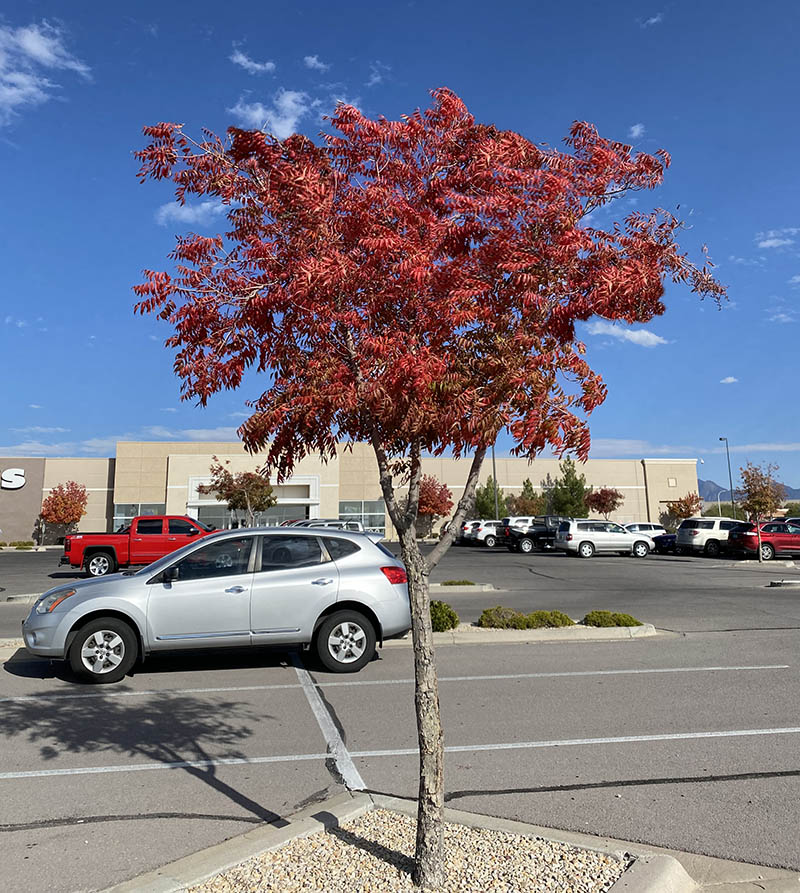

It is a moderate to fast-growing ornamental tree that will provide shade during the summer, spring, and fall seasons. An exceptionally good tree that is well adapted to the Southwest USA region.
Types of Chinese Pistache Trees
There are several varieties of these trees. The female will produce red berries during the fall. These berries are not edible for human consumption however birds love them.

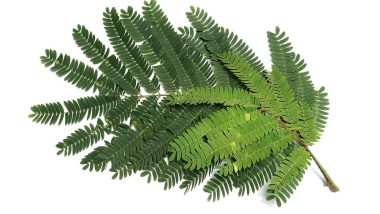
The “Kieth Davey” is a good specimen tree for bright red fall color. Branches form nicely shaped, pinnately divided foliage. The leaves will turn brilliant dark orange to scarlet red color. The Kieth Davey Chinese Pistache is strictly a male tree and will not produce red berries in the fall. A great tree for medium to large backyards for shade and fall color. You can see a photo of this tree at Monrovia.com

The Red Push is another variety that grows larger and produces red foliage color in mid-fall.
What pet owners should know
-
🌳 Leaves, bark, and wood: Not listed as toxic by major veterinary or plant-safety references.
-
🍂 Seeds/berries: Also not known to be poisonous. That said, pets shouldn’t eat large amounts of any plant material—mild stomach upset is possible with any non-food item.
-
🐾 Overall safety: Commonly used in city landscapes, parks, and residential yards, including areas where pets and children are present.
Southwest Trees for desert areas. Fall Colors in the Southwest.

Greenhouse Manager, Master Gardener, and Webmaster.
If you have any questions or enjoyed this post, feel free to share your thoughts in the comments below.