Last updated on March 1st, 2026 at 02:12 pm
If you want dependable summer color in Southwest New Mexico, zinnias are hard to beat. Why Zinnias Thrive in Hot Weather
They love the heat.
They tolerate our intense sun.
And they bloom nonstop when many other flowers are struggling.
Whether you garden in Las Cruces, El Paso, or surrounding desert communities, zinnias are one of the easiest and most rewarding warm-season flowers you can grow.
Are Zinnias the Best Heat-Tolerant Annual for New Mexico?
Zinnias, especially Zinnia elegans, are native to Mexico and parts of Central America. That’s why they handle our climate so well.
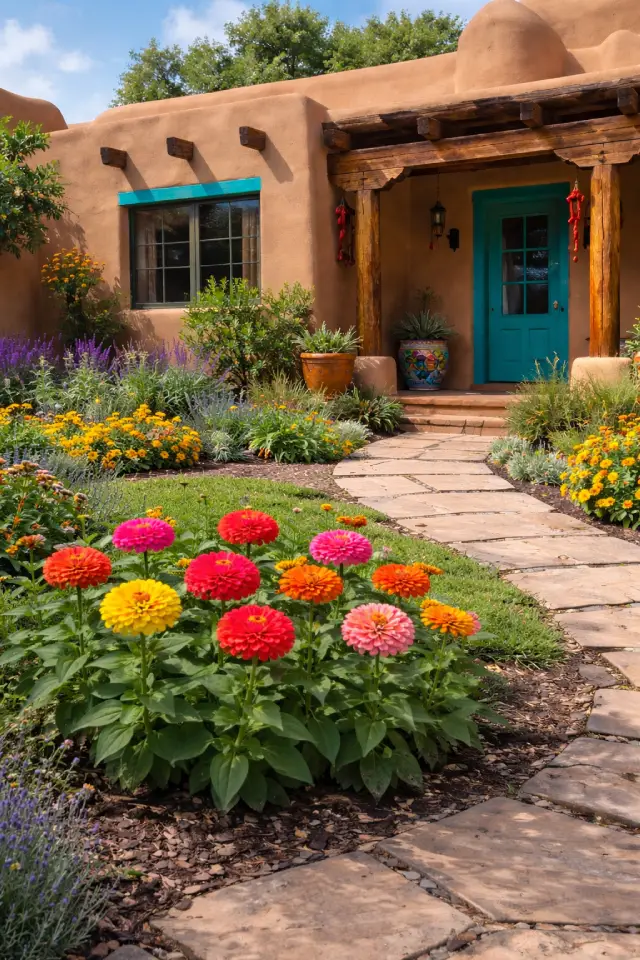
They are built for:
-
High heat
-
Intense sunlight
-
Dry air
-
Alkaline soils
Unlike many bedding plants that fade in July, zinnias often perform their best during the hottest part of summer.
When to Plant Zinnias in Southern New Mexico
In our region, zinnias are best planted:
-
Late April through early June (after danger of frost)
-
From seed directly in the ground
-
Or as starter plants once soil temperatures warm up
Because they love heat, planting too early can actually slow them down.
If you want continuous color, you can sow seeds again in mid-summer for a second flush that carries into fall.
Sun and Soil Requirements
Zinnias need:
Full sun — at least 6–8 hours daily
Well-drained soil — they do not like soggy roots
Moderate watering — deep but not constant
One mistake many gardeners make is overwatering. In desert climates, we’re used to compensating for heat, but zinnias prefer drying out slightly between deep soakings.
Mulching lightly with compost can help retain moisture without suffocating roots.
Best Zinnia Varieties for the Southwest
Not all zinnias grow the same. Choosing the right type makes a difference.
Tall Varieties (Great for Cutting)
-
Benary’s Giant
-
State Fair Mix
These can reach 3–4 feet tall and are excellent for bouquets.
Compact Varieties (Perfect for Borders & Containers)
-
Profusion Series
-
Zahara Series
These stay shorter and tend to be more mildew-resistant. 10 Non-native plants for Southwest New Mexico.
Common Problems (And How to Avoid Them)
Powdery Mildew
In humid climates, this is common, but in Southwest New Mexico, it’s usually caused by:
-
Poor air circulation
-
Overhead watering late in the day
Water at the base and space plants properly.
Leggy Growth
This happens when zinnias don’t get enough sun.
In our region, that usually means they were planted in too much shade.
They truly perform best in full sun.
Do Zinnias Attract Pollinators?
Absolutely.
Zinnias are magnets for:
-
Bees
-
Hummingbirds
If you’re trying to increase pollinator activity in your yard, zinnias are one of the easiest additions you can make.
Can Zinnias Handle Monsoon Season?
Yes — but drainage matters.
Heavy summer rains can rot roots if the soil is compacted. Raised beds or slightly mounded rows help prevent standing water.
Do Zinnias Ever Come Back?
Sometimes they reseed themselves.
If you leave spent flowers on the plant and don’t disturb the soil, you may see volunteer seedlings pop up the following spring. But they are still technically annuals.
Why Zinnias Are a Safe Choice for Pet Owners
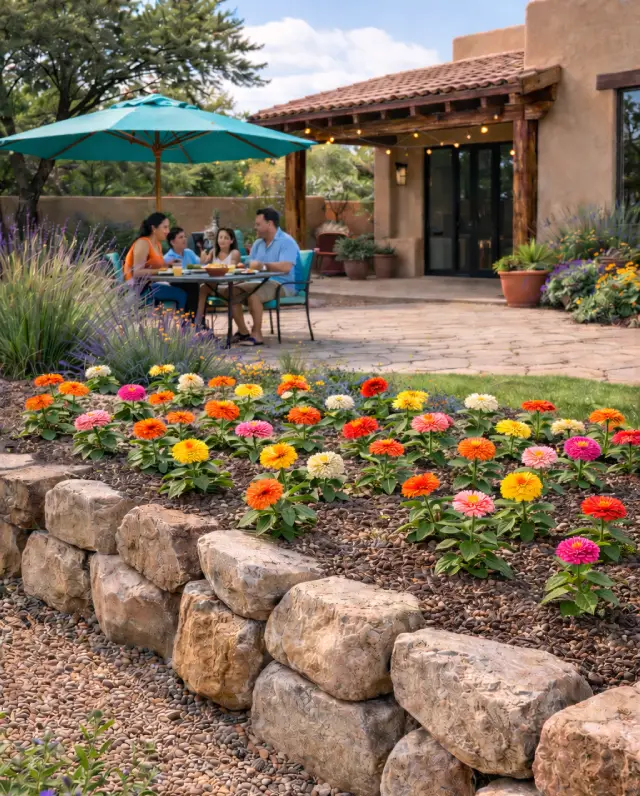
If you’re planting around patios or areas where pets roam, zinnias are a smart option because they are:
-
Non-toxic
-
Heat tolerant
-
Easy to grow
-
Attractive to pollinators
-
Affordable and widely available
Final Thoughts
If you’re looking for a low-risk, high-reward flower for the Southwest, zinnias should be near the top of your list.
They are:
-
Affordable
-
Easy to grow
-
Heat tolerant
-
Perfect for cutting gardens
-
Excellent for pollinators
And most importantly, they thrive in our desert climate when many other flowers fade.
Other heat-tolerant plants are the Lantana Plants
For detailed botanical information, see the Missouri Botanical Garden Plant Finder profile for Zinnia elegans
If you’re serious about growing flowers, vegetables, and drought-tolerant plants successfully in our desert climate, my Southwest Gardening Made Simple digital guide walks you step-by-step through soil prep, watering schedules, plant selection, and seasonal timing.
.

Greenhouse Manager, Master Gardener, and Webmaster.
If you have any questions or enjoyed this post, feel free to share your thoughts in the comments below.