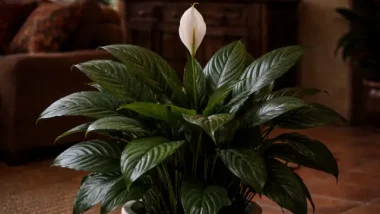
Cast Iron Plant (Aspidistra) Care Guide
Low-Light, Low-Maintenance Houseplant That Thrives on Neglect. Cast Iron Plant Care Guide.
The Cast Iron Plant (Aspidistra elatior) lives up to its name. Known for its toughness and long life, this classic houseplant is one of the easiest indoor plants to grow, making it ideal for beginners, busy homeowners, and low-light spaces.
If you’re looking for a durable, low-maintenance indoor plant that can handle poor lighting, irregular watering, and temperature swings, the Cast Iron Plant is a top contender.
Why the Cast Iron Plant Is So Popular
The Cast Iron Plant earned its reputation in the Victorian era, when it survived dim homes, coal dust, and inconsistent care. Today, it remains a favorite for modern interiors thanks to its:
-
Thick, glossy green leaves
-
Exceptional tolerance to low light
-
Ability to handle missed waterings
-
Resistance to most pests and diseases
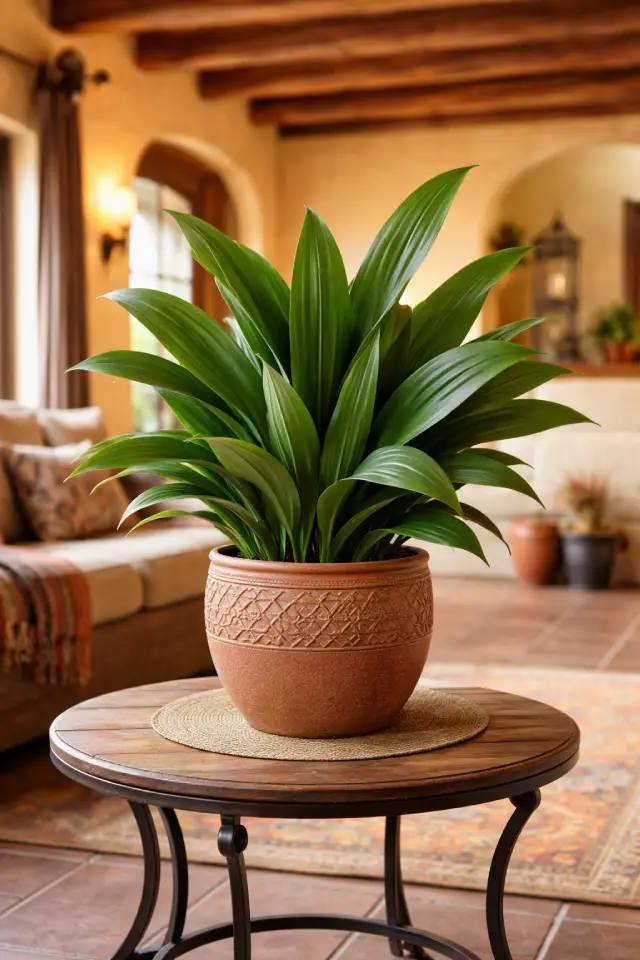
This plant is often recommended for offices, apartments, hallways, and shaded rooms.
Light Requirements for Cast Iron Plants
One of the biggest advantages of the Cast Iron Plant is its low-light tolerance.
Best light conditions:
-
Low to moderate indirect light
-
North-facing windows or shaded rooms
-
Interior spaces with artificial light
Avoid:
-
Direct sunlight (causes leaf scorch and fading)
-
Bright south- or west-facing windows
👉 This makes it one of the best low-light houseplants available.

How Often to Water a Cast Iron Plant
The Cast Iron Plant prefers to dry slightly between waterings.
Watering tips:
-
Water when the top 2–3 inches of soil are dry
-
Reduce watering during fall and winter
-
Always use a pot with drainage holes
Overwatering is the number one mistake with Aspidistra. Too much water can lead to root rot, while underwatering is rarely an issue.
Best Soil for Aspidistra
Use a well-draining indoor potting mix.
Ideal soil mix includes:
-
Standard houseplant soil
-
Added perlite or coarse sand for drainage
Heavy, compacted soils should be avoided, especially in humid or cooler indoor environments.
Temperature & Humidity Needs
Cast Iron Plants are extremely adaptable.
Ideal conditions:
-
Temperatures between 60–85°F
-
Average indoor humidity
-
Tolerates dry air better than most houseplants
Keep plants away from cold drafts, heaters, and air conditioning vents.
Fertilizing Cast Iron Plants
Aspidistra plants are light feeders.
-
Fertilize every 6–8 weeks during spring and summer
-
Use a balanced liquid houseplant fertilizer
-
Do not fertilize in winter
Too much fertilizer can cause leaf discoloration and salt buildup.
Common Problems & Solutions
Yellowing leaves
-
Usually caused by overwatering or poor drainage
Brown leaf tips
-
Often from excess fertilizer or salts in water
Dusty leaves
-
Wipe with a damp cloth to improve appearance and photosynthesis
Good news: pests are rare, making this plant nearly problem-free.
Is the Cast Iron Plant Good for the Southwest?
Absolutely. While it’s primarily an indoor plant in the Southwest, the Cast Iron Plant performs very well in homes with dry air and temperature swings. It’s a great choice for southwestern-type homes.
-
Las Cruces & El Paso homes
-
Low-light interiors
-
Covered patios with deep shade (frost protection required)
Final Thoughts
If you want a plant that looks elegant but asks for very little, the Cast Iron Plant is hard to beat. Its resilience, adaptability, and timeless look make it a perfect addition to nearly any indoor space.
Whether you’re a beginner or a seasoned plant lover, this is truly a plant that thrives on neglect.
Why is it called the Cast Iron Plant?
Indoor Houseplant Names and Pictures

Greenhouse Manager, Master Gardener, and Webmaster.
If you have any questions or enjoyed this post, feel free to share your thoughts in the comments below.