Homestead Red Verbena: Bring a Burst of Color to Your Garden
Homestead Red Verbena grabs your attention fast. Its brilliant red blooms brighten any homestead, and it keeps coloring up the landscape long after most flowers fade away. I love how it fills empty garden space with energy, and it’s no wonder more people are planting Red Verbena every year. If you’re big on vibrant flowers and tough plants, this one’s for you.
All About Red Verbena: Characteristics and Appeal
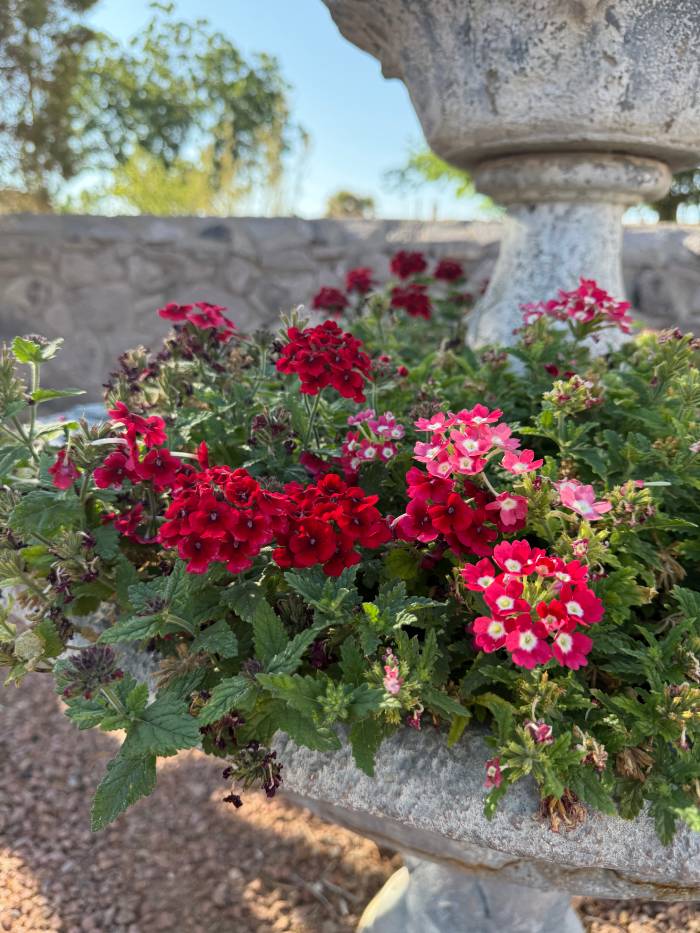
Red Verbena isn’t just another flower. Its clusters of bright red flowers stand out against deep green leaves, making it a star in any garden. The blooms pop up from early spring through fall, giving months of easy color. They are also related to Lantana plants.
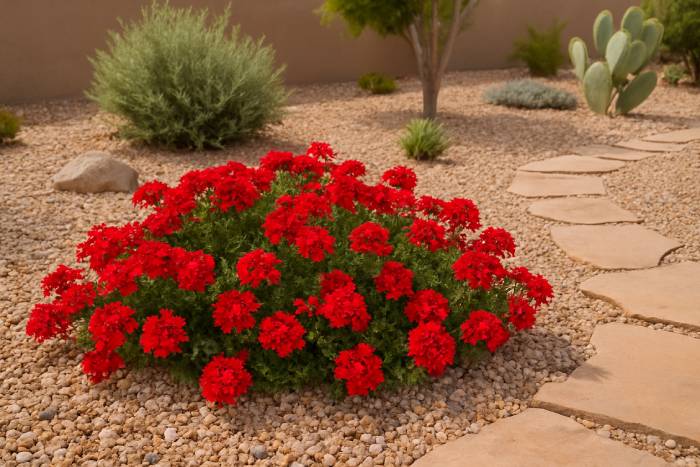
The flowers grow in tight bunches, almost like living fireworks. You get a carpet of color that butterflies and bees visit every day. Red Verbena loves sunshine, and it looks as good in a border as it does in a container on the porch.
Why do gardeners rave about it? Red Verbena is tough. It can handle heat, doesn’t mind dry spells, and comes back strong with a little care. You don’t have to fuss over it. Even new gardeners find Red Verbena friendly and forgiving.
If you want to explore more options, check out the classic Purple Verbena Plant Details for a different take on color and care. These varieties mix well together for a lively garden display. The Verbena plant is a large family; learn more over at Wikipedia.
Planting and Caring for Red Verbena on Your Homestead
Getting Red Verbena started isn’t tricky. I always pick a sunny spot, since these plants crave sunlight. At least six hours of sun a day works best. If they get less, you’ll notice fewer blooms and scraggly growth.
Soil: Red Verbena likes well-drained soil. If your dirt gets soggy, mix in sand or compost. This keeps the roots happy and reduces the chances of rot.
Planting:
- Dig a spot big enough for the roots.
- Set the plant at the same depth as it was in its pot.
- Space multiple plants 12 to 18 inches apart. They’ll fill in the gaps as they grow.
Watering: Water deeply after planting. After that, let the soil dry before watering again. These plants hate wet feet but bounce back quickly from short dry spells.
Where to Plant Homestead Red Verbena
- Along garden edges
- In rock gardens
- Hanging baskets
- Large pots
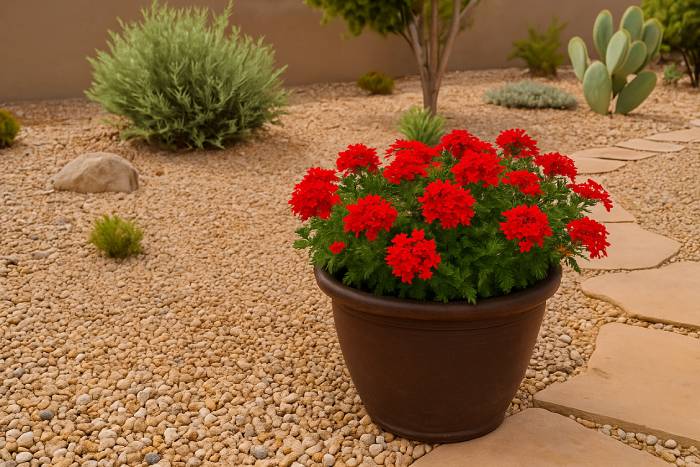
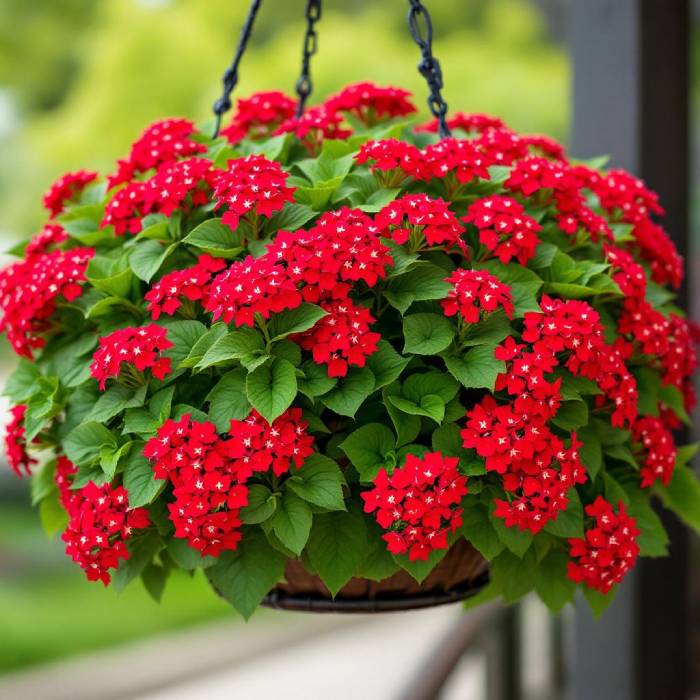
Red Verbena works well with flowers like marigolds and gazanias. Mixing them together makes the colors even more intense. For more ideas on pairing Verbena with other bold bloomers, take a look at which plants give Spring Flowering Colors to keep your beds bright all season.
Seasonal Care and Maintenance Tips
Keeping Red Verbena looking good takes less work than you might think. Here’s my routine for the seasons:
Spring: Give them a small dose of all-purpose fertilizer when new growth appears. Cut back any dead stems for a fresh start.
Summer: Trim faded flowers every week or two (this is called deadheading). This keeps the plant busy making new blooms. If they get leggy or thin, snip them back by a third—they’ll come back thick and bushy.
Fall: As temperatures drop, cut the plant back again. Add a thin layer of mulch to protect roots if you expect frost. In mild climates, Red Verbena sometimes keeps blooming through winter. If not, it usually returns from the roots in spring.
Winter: Most Red Verbena plants go dormant where it gets cold. Don’t worry, they’re just resting. In pots, move them to a sheltered spot or cover them with frost cloth during extra cold snaps.
For more on caring for all colors of Verbena in your garden, check the advice on general Verbena flowers for your garden.
Is Verbena toxic to dogs and cats?
Most Verbena Varieties are not toxic to dogs or cats; however, the lemon verbena will cause gastrointestinal upset. Find out more about toxic and non-toxic plants to pets at the ASPCA Website.
Quick Red Verbena Care Reminders
- Full sun is a must
- Let the soil dry out between waterings
- Trim often for best blooms
- Mix with other sun-lovers for big impact
Conclusion
Red Verbena brings easy, lasting beauty to any space. It stands out with bright colors, lures in pollinators, and thrives even if you forget to water now and then. I keep planting it because Red Verbena asks for little but gives a lot.
If you want months of flowers without high-maintenance care, add Red Verbena to your homestead. With the right spot and just a few upkeep steps, you’ll enjoy color that lasts from spring past fall. Try mixing it with other Verbena types for your own dazzling display.
Let your garden come alive—grab some Red Verbena this season and see the difference for yourself!

Greenhouse Manager, Master Gardener, and Webmaster.
If you have any questions or enjoyed this post, feel free to share your thoughts in the comments below.