Last updated on July 15th, 2025 at 07:24 am
How to Fix Overwatered Plants and Bring Them Back to Life
I’ve done this more times than I’d like to admit. We’ve all been there—watering a plant with good intentions, only to realize it’s starting to look sad and droopy. Overwatering is a common mistake, but luckily, it’s something you can fix. I’ll walk you through simple steps to save your plant and get it back to healthy growth.
You don’t need special tools or a green thumb for this. With a little care and attention, you can bring your thirsty-for-air plant back to life and avoid making the same mistake twice. Let’s get started.
What are the Signs of Overwatering in Plants
Spotting overwatering early makes all the difference for your plants. A lot of people think more water means happier plants, but that’s not always true. Plants give off a few clear signals when they’ve had too much to drink. I pay close attention to how my plants look and feel, not just how wet the soil seems. Here’s what you should watch for first.
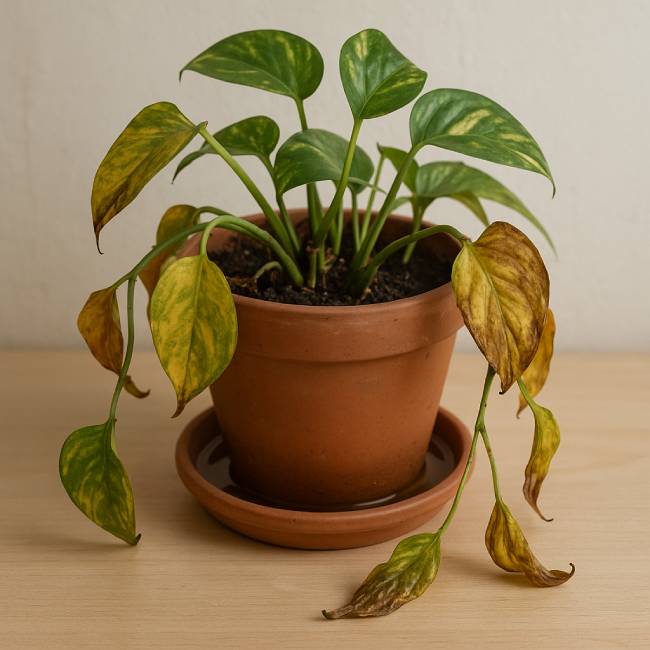
Wilting and Yellowing Leaves
How to fix the Overwatering of Plants
Wilting is a classic sign, but it can throw people off. We often link limp, droopy leaves with a thirsty plant, but overwatering can do the same thing. If you see leaves hanging low even though the soil is soaked, your plant may need air, not more water. Think of it like being stuck outside in wet shoes—too much water just makes things uncomfortable.
Yellowing leaves are another big giveaway. When roots sit in water, they can’t pull up the nutrients your plant needs. The leaves start to lose their color and turn yellow, usually from the bottom up. You might notice:
- Leaves fading to a pale yellow or almost translucent
- Older leaves are dropping off first
- Wet, mushy stems along with yellowing
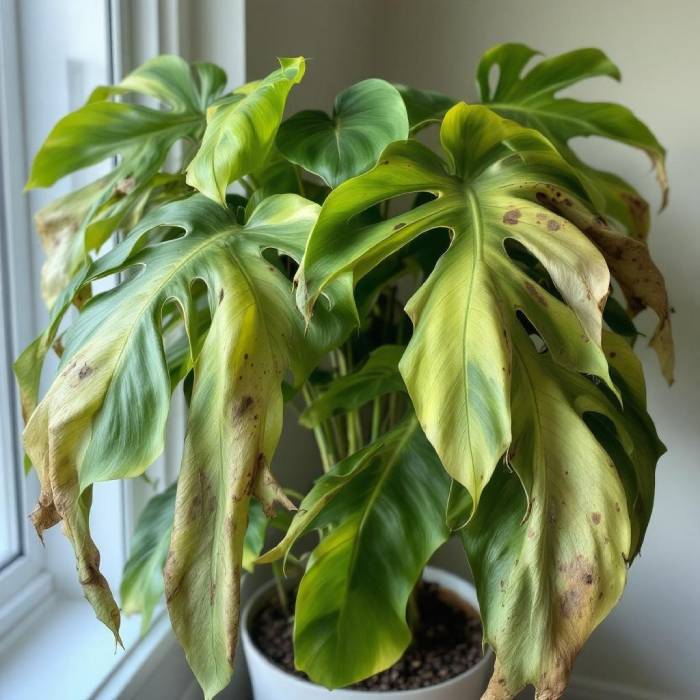
It’s easy to confuse this with fertilizer problems, but if the soil feels soggy every time you check, overwatering is probably to blame. Always touch the soil before grabbing your watering can. If it feels wet or sticky, give your plant a break and let things dry out. Your plant is much happier breathing real air than hanging out in a swamp.
What Comes Next After Saving Overwatered Plants
You’ve learned how to spot the signs of too much water, and you’ve started making changes so your plants can breathe again. Once you’ve gotten your plant out of “the swamp,” it’s time to think about what happens next. Recovery isn’t just about drying things out. It’s about helping your plant bounce back strong and making sure you don’t end up with the same soggy roots all over again.
Tips for Keeping Your Plants Happy Moving Forward
I find that sticking to a few simple habits helps my plants stay healthy for the long haul. Here’s what’s worked best for me and can help you too:
- Only water when the top inch of soil feels dry. Trust your fingers—don’t just water on a schedule.
- Check your pots for good drainage. Make sure water can get out so the roots aren’t swimming.
- Use pots with drainage holes. Avoid fancy pots with no holes at the bottom, or use them as a cover with a real nursery pot inside.
- Keep an eye out for stressed leaves. Droopy or yellow leaves are warnings to step back and rethink how much you’re watering.
- Try a moisture meter if you’re unsure. These little tools can take the guesswork out, showing you if your plant needs a drink or needs to dry out.
Building Confidence as a Plant Parent
Taking care of plants is a little bit like learning to ride a bike. Sometimes you tip over before you find your balance. The good news is, most plants are tougher than we think. If you check the soil before watering and fix any drainage problems, you’ll be right back on track.
Remember, it’s normal to make mistakes when you’re learning something new. Overwatering happens to everyone at some point. What matters most is how you adjust and care for your plant after you notice the problem. A little patience and regular checks will help your plants forgive and forget, growing happy and healthy again.

Greenhouse Manager, Master Gardener, and Webmaster.
If you have any questions or enjoyed this post, feel free to share your thoughts in the comments below.
I have newly planted grass and a ton of weeds came up with it. Is there anything I can use to help control the weeds. I have been pulling by hand but I am loosing the battle. Help??
I need to know what kind of grass and weeds you have. A picture of your lawn where most of the weeds are. You can visit this page to upload a photo. Contact us. In the mean time you can also visit this articles on how to get rid of weeds.