Last updated on July 30th, 2025 at 06:34 am
- The Surprising Insect Shaping Desert Gardens and Cactus Health
- The Difference between Cochineal and Mealybug
- Cochineal Defined: What Is It and Where Does It Come From?
- Cochineal’s Role in Desert Landscaping and Cactus Health
- Harvesting and Uses: From Natural Dye to Modern Applications
- Supporting Biodiversity in the Desert Garden
- Conclusion for What is Cochineal?
The Surprising Insect Shaping Desert Gardens and Cactus Health
What Is Cochineal? Pronounced (koch-uh-neel). If you’ve spent any time caring for cacti, you’ve likely heard about cochineal. These tiny bugs hide under a fluffy white coating and suck the juices out of prickly pear pads. Most people don’t realize cochineal’s impact reaches far beyond a garden, though. For centuries, people used this insect for its bright red dye, which once colored clothes, food, and even money.
The first time I noticed this white, cottony insect, I thought it was a Mealybug. Still, after conducting some research and engaging in a lengthy discussion with several desert gardeners, I realized what it was. What was also surprising was the long history that this insect has with desert gardening.
The Difference between Cochineal and Mealybug
If you look at cochineal and mealybugs, you’ll notice some clear differences right away. Both are scale insects, but the Cochineal bugs live mostly on prickly pear cactus, and people use them to make a red dye. These bugs give off a deep red color when crushed.
Mealybugs, on the other hand, show up on lots of plants and do not make a useful dye. They’re mostly a pest you don’t want around your houseplants or garden. Both look kind of similar; they’re small and covered in a white, waxy coating.
But cochineal bugs help people get that bright red color for food and makeup, while mealybugs just suck sap and hurt your plants. So, if you see bugs on a cactus, it might be cochineal, but if they’re all over different kinds of plants, odds are it’s mealybugs. Don’t mix them up, especially if you care about your plants or natural food dyes.

Cochineal isn’t just a piece of history—it’s a big part of what keeps desert plants and gardens thriving or struggling. If you love desert landscaping, you’ll want to know how cochineal affects your favorite plants, especially if you grow prickly pear. To dive deeper into why these insects matter and how to spot them, check out the guide on Cochineal Insects on Cactus.
Cochineal Defined: What Is It and Where Does It Come From?
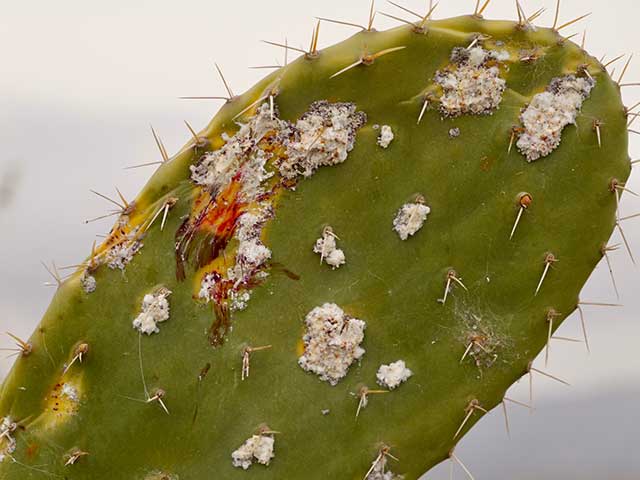
Cochineal is a tiny insect with a big story. When you look at a prickly pear cactus and notice white, cottony clumps, you’re probably seeing cochineal bugs. These insects belong to the genus Dactylopius and have been found all over deserts in North and South America for hundreds of years. Famous for their deep red dye, these bugs also play a role in the health of desert gardens. Cochineal might seem small, but its habits and history are anything but boring. If you spot them on your prickly pear, you’re seeing a bug with real scientific and cultural value.
Lifecycle and Habitat of Cochineal Insects
Cochineal insects spend their lives almost glued to certain types of cacti, especially prickly pear, or Opuntia. They start life as tiny eggs, which hatch into crawlers. These young bugs move around a bit before settling down to feed by sucking sap straight from cactus pads.
Throughout their lives, you can spot them in these main stages:
- Egg: The female lays eggs under her body, protected by a white, waxy fluff.
- Nymph (Crawler): These are the young bugs, and they can move short distances to find a good feeding spot.
- Adult: Most adult females stay in one place and look like tiny white spots. Males can fly, but they don’t live long.
These bugs love hot, dry places and stick to areas where prickly pear cactus grow wild. You’ll see cochineal colonies deep in the desert or in gardens where the right cactus thrives. Their white cocoons look almost like cotton balls stuck to the green pads.
If you want to learn more about how to spot these insects and what they do to cacti, check out the advice in Identifying Insects and Diseases on Plants. You’ll get clear pictures and tips for recognizing cochineal among other common pests.
Cochineal’s link to prickly pear is the reason you hear about them whenever someone talks about desert gardening. These insects prefer pads full of juice, making the most of cactus life in some of the world’s hottest, driest spots. For more about the cacti they live on, the Prickly Pear Cactus Care Guide gives you hands-on advice for growing and protecting these plants.
For desert plant fans, knowing where cochineal bugs come from and how they live helps you keep your garden healthy and your cacti safe. If you want even more examples of cochineal’s favorite cactus homes, you’ll enjoy the gallery in Desert Plants with Names and Pictures—you might spot some familiar friends!
Cochineal’s Role in Desert Landscaping and Cactus Health
Cochineal might look like harmless white fluff on a cactus pad, but these insects can cause real problems in a desert garden. I see them most often on prickly pear, but they can target other popular cacti, too. The way cochineal insects feed weakens plants, affecting both their health and appearance. If you’re passionate about desert landscaping, spotting and treating cochineal early helps protect your garden’s unique beauty.
Managing Cochineal Infestations in Your Garden
Recognizing cochineal in your garden is easier once you know what signs to watch for. I always look for:
- White, cotton-like patches clustered on cactus pads
- Sticky, red residue (from crushed bugs)
- Yellowing pads or areas where the cactus seems to lose strength
A small group of cochineal may look decorative at first, but if left unchecked, they multiply fast. Over time, they weaken cactus pads, slow growth, and make your plants more likely to get other diseases. This is especially true for classic desert favorites like prickly pear and even the unforgettable Golden Barrel Cactus Plant.
To stay ahead of cochineal, I recommend these easy steps:
- Check your cacti regularly. A quick look every week keeps surprises to a minimum.
- Wash away small infestations with a strong blast of water from a hose. This removes bugs and helps control their numbers.
- Use insecticidal soap. Spraying cactus pads with insecticidal soap works well for heavier infestations without harming beneficial bugs.
- Prune affected pads. If a pad is covered or heavily damaged, safely remove it and throw it away—don’t compost it.
For eco-friendly gardeners, these steps work without needing harsh chemicals. They help keep pollinators and good bugs in your yard.
Be mindful that cochineal attracts ants, which protect these bugs because they like the sap. If ants are a problem, use a gentle ant barrier around your plants.
For more details on keeping your plants healthy, check out Common Plant Diseases. It’s a handy resource to help you identify plant problems and choose safe, effective solutions for your desert garden.
Cochineal is just one challenge desert gardeners face, but with smart planning and simple habits, you can enjoy strong, good-looking cacti year-round.
Harvesting and Uses: From Natural Dye to Modern Applications
Cochineal insects might be small, but the way people collect and use them is big news for anyone who loves desert plants and beyond. These bugs have provided bright red color for centuries, starting with early dye makers and reaching our kitchens, closets, and art studios today. Let’s look at how cochineal is harvested and why it’s still so valuable for creative folks, gardeners, and anyone curious about the things hiding in plain sight on cactus pads.
Cochineal in Art, Culinary, and Industry
Cochineal’s main claim to fame is its strong, natural red dye. This comes from carminic acid, a bright pigment the bugs produce to protect themselves from predators. People saw this vibrant red and, with some work, made it part of daily life.
Traditional Uses:
- Textiles: Local people in Mexico and South America used cochineal to dye clothing, blankets, and woven goods. This red was a sign of importance and proud craft.
- Historic Art: Artists once prized cochineal for making vivid red paints. Many famous old paintings likely got their deep reds straight from cochineal dye.
How they harvested it: Collectors pick or scrape the white, powdery clusters off cactus pads (mainly prickly pear). The bugs are dried and crushed, then the red dye is separated and cleaned. It sounds simple, but there’s real skill in careful collection to keep cactus plants healthy and productive, especially in dry regions where the prickly pear grows best.
Modern Applications:
- Food Coloring: If you’ve eaten strawberry yogurt, ruby-red candies, or fancy juices, you’ve probably tasted cochineal. Its label might read “carmine” or “E120,” but it’s the same dye. Lots of folks appreciate it because it’s natural and comes from renewable sources.
- Cosmetics: Red blush, lipstick, or nail polish sometimes get their color from cochineal. Many natural makeup brands choose it over artificial colors.
- Creative Projects: Artists today, much like those from history, use cochineal dye in home crafts, painting, and fabric-making to create bold, beautiful reds using only basic, eco-friendly materials.
It’s fun to think that the same bug helping your prickly pear grow can add a pop of color to paintings, food, and clothes. For creative homeowners and gardeners, this connection between natural desert life and bright artistic projects is inspiring. If you’re curious how cactus plants, like the golden barrel cactus, fit into unique home designs and creative gardens, you can see examples at Golden Barrel Cactus Plant Details.
Cochineal’s journey from cactus pad to finished product shows why these desert insects still matter. Their value lasts, whether you’re growing tough garden plants or adding a splash of color to your creative life.
Supporting Biodiversity in the Desert Garden
If you want a healthy, eye-catching desert garden, supporting biodiversity is your best bet. Cochineal insects, prickly pear cacti, and other desert plants all play a part in keeping the desert alive. When I walk through a garden like this, I see a tough network of plants and insects, each one doing its job to keep things balanced. Let’s look at the bigger picture so you can build a stronger, more sustainable garden at home.
Cochineal and Its Place in the Desert Web
Cochineal might seem like a pest at first, but they actually add to the life around them. These tiny bugs are a food source for birds, lizards, and even some mammals. By feeding on prickly pear, cochineal also help keep cactus growth in check, which stops any one plant from taking over. This balance supports lots of different plants and animals, not just the prickly pear.
Native cacti, like the prickly pear and golden barrel, give shelter to good insects, birds, and small reptiles. Their flowers bring in pollinators like bees and butterflies, helping native wildflowers spread. So when you see cochineal on a cactus, remember—they fit into a bigger story about how desert gardens work.
If you’re curious about how other desert plants shape their homes, check out this guide on How to propagate native plants. Learning how to grow native species is key to boosting garden diversity and keeping local wildlife happy.
Best Practices for Sustainable Desert Gardening
Supporting biodiversity means making a few smart choices in your landscape. When you garden with nature in mind, you cut down on pests and create a thriving, balanced space.
Try these simple tips for more biodiversity and a tough, beautiful garden:
- Plant a mix of native species. Different plants attract different bugs, birds, and pollinators. Variety is your secret weapon.
- Avoid pesticides when you can. Let nature’s helpers (like ladybugs and lacewings) do their work. Many common chemicals can hurt the bugs you want to keep.
- Welcome small critters. Build bug hotels, lay out small rocks, or tuck fallen branches in garden corners. These little shelters give insects and lizards a place to hide and hunt.
- Water less often, but deeply. Native plants (like cacti and desert shrubs) thrive on less. Frequent, shallow watering can wash away soil life.
- Look for signs of invasive species. Some plants bully out natives and reduce variety. Get familiar with invasive plants in the Southwest so you can gently remove them.
It’s all about letting nature do what it does best, but giving it a nudge in the right direction.
Why Evergreen Shrubs Matter in Desert Biodiversity
Evergreen shrubs are like anchor points in desert gardens. Their green leaves offer shade, homes, and food all year long, even in heat or drought. By mixing in tough, evergreen choices, you keep your garden alive for wildlife, plus you get color through the hottest summers and cold snaps.
Want some inspiration for adding color and keeping your garden thriving when the rest of the world slows down? Browse the list of Winter Garden Colorful Plants. These shrubs help support a wider web of life and look good doing it.
A garden full of different plants and insects works like a team. Cochineal, their host cacti, and a few smart plant choices all come together to build a yard that’s both tough and full of life. When you plan for diversity, you get a desert garden that stays beautiful, healthy, and packed with surprises year after year.
Conclusion for What is Cochineal?
Cochineal is more than just an odd spot on a cactus pad. These bugs link history, color, and desert gardening in a way that’s both practical and a little bit fascinating. I see them as a reminder that even the smallest creatures shape the story of desert gardens. Learning how to spot and handle cochineal helps our plants grow strong and keeps the cycle of life turning in our yards.
When we care for our landscapes, we’re also caring for the hidden life that makes the desert so special. Take a closer look at your prickly pear or golden barrel—there’s a whole world happening right there. If you want to learn more about desert favorites, dive into the Golden Barrel Cactus Plant Care.
Let’s keep sharing what we find, watching how cochineal and other insects support a thriving desert garden. Thanks for reading and taking the time to get to know these colorful, surprising bugs right in your own backyard.
Learn more about “What is Cochineal” at Wikipedia.

New to Southwest Gardening?
Stop wasting money on plants that will not survive our heat and drought.
My Southwest Gardening Made Simple eBook shows you which trees, shrubs, flowers, and vegetables actually thrive in New Mexico, Arizona, and West Texas.
The best plants for hot, dry climates
Common mistakes that kill Southwest plants
Easy-to-follow advice for beginners

Paul Guzman is a lifelong Southwest gardener and gardening writer with decades of experience helping homeowners grow beautiful landscapes in the desert Southwest. He writes for Guzman’s Garden Centers in Las Cruces, New Mexico, with contributing expertise from Gary Guzman, owner of Guzman’s Garden Centers. If you have any questions or enjoyed this post, feel free to share your thoughts in the comments below.