How to get rid of weeds
How to get rid of weeds? If you’re here, chances are you’re as tired of dealing with them as I am. Weeds are the worst, and trying to keep them in check through spring, summer, and fall is no small task. If you’ve been asking yourself, “How do I get rid of weeds, and how do I keep them from coming back?” you’re in the right place. Let’s tackle this together.
Removing weeds from your landscape area.
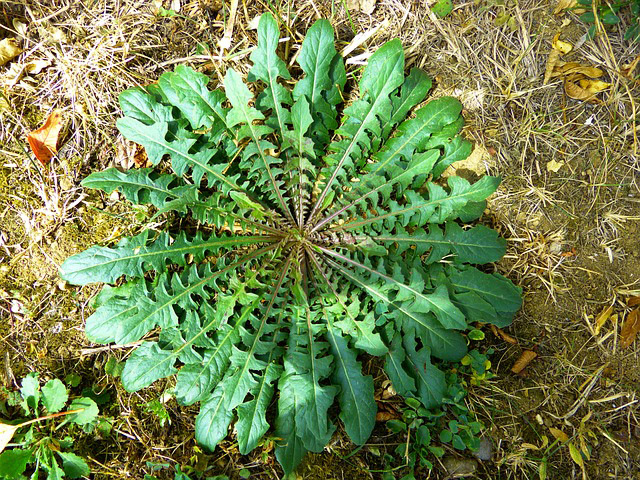
There are thousands of weed-killing products on the market today. Which ones work best, and what is the secret? Well, there is no secret, but there are many ways to keep your yard, landscape, or property free of weeds. Weeds grow in just about any place, in cement and asphalt cracks, around ornamental plants, shrubs, and trees. And during the spring and Monsoon seasons, they sprout out just about everywhere.
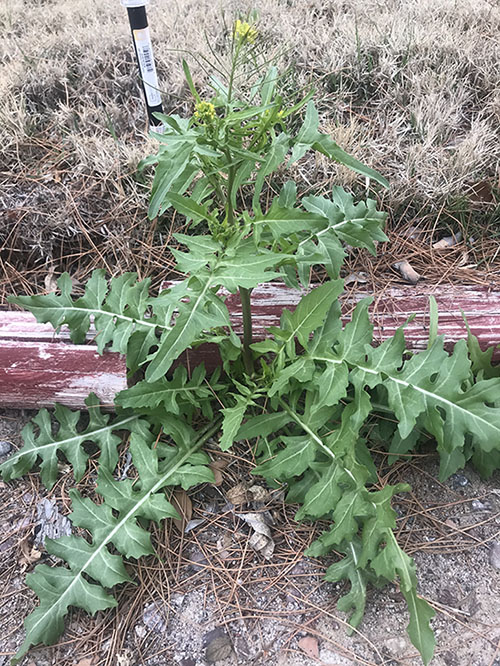
Just a little sprinkle of rain can get them started faster than you and I can pull them out. So, here are some great ways to blast those weeds away and help keep them from coming back.
Think Pre-emergent
What the heck is a preemergent herbicide? This type of product will help eliminate weeds throughout the growing seasons. It is simple, the product helps control the seeds from germination. Including wanted seeds. The main ingredient is Dithiopyr.
When to Use a Pre-Emergent Herbicide
Early Spring: Apply a pre-emergent herbicide (weed preventer) before weed seeds begin to germinate. These products create a barrier in the soil that prevents many common weed seeds from sprouting. For best results, apply the product in areas where weeds were a problem the previous year.
Keep in mind that pre-emergent herbicides do not kill existing weeds. If weeds are already growing or visible above the soil surface, you will need to remove them by hand or use a post-emergent herbicide designed to kill actively growing weeds.
Pre-emergent herbicides do not distinguish between weed seeds and desirable seeds. If you have recently planted grass seed, flower seeds, or vegetable seeds in the treated area, those seeds may also fail to germinate. For this reason, avoid using pre-emergent herbicides in areas where you plan to sow seeds unless the product label specifically states it is safe to do so.
Learn more about Pre-Emergent here.
Does Roundup Work to Kill Weeds?
Yes, it does: Use Roundup™ to kill existing weeds. The newest type of Roundup™ will kill down to the roots.
Remember, Roundup™ will also kill anything green that it comes in contact with, including cactus or native plants. Always spray during a non-windy day. Do not use Roundup on any lawn. Follow the instructions on the label to the T.
What Does the EPA Say About Glyphosate?
Glyphosate is a nonselective herbicide used in some weed-killing products, including certain Roundup® formulations. Because product ingredients can vary, always check the label before purchasing or applying any herbicide.
According to the EPA, its scientific review found no human-health risks of concern when glyphosate products are used according to their current label directions. The agency has also maintained that glyphosate is “not likely to be carcinogenic to humans.” However, the EPA is currently updating its evaluation and working toward a final registration-review decision. Other organizations have reached different conclusions, which is one reason glyphosate remains controversial.
Regardless of which herbicide you choose, carefully follow the product label and keep the spray away from desirable grasses, flowers, shrubs, and trees.
Read the EPA’s current information about glyphosate and its regulatory status.
This is more accurate, balanced, and safer to publish because it reflects the EPA’s current position without presenting an old statement as a final, undisputed conclusion.
Killzall™ Will basically do the same thing, but they do have it with a pre-emergent, which helps the weed seeds from coming back. The main ingredient for Roundup™ and Killzall™ is glyphosate.
What about products that contain 2-4-D?
How to get rid of weeds
The number one way to remove weeds is to pull them out by hand, roots and all. Gloves and good weed-pulling tools are recommended. It is 100% organic and eco-friendly.

Removing weeds from your lawn
If weeds are growing in your lawn, you can use a product called Weed-Out Plus™ made by Ferti-Lome. Most Retail greenhouses or nurseries will have this product year-round. It will not harm ornamental grasses but will kill existing weeds in your lawn.
It comes in a liquid form and needs to be sprayed on according to the instructions.
A few tips on using almost any type of herbicide. It’s best to use it when temperatures hover around 85 degrees. Please do not use it on newly planted lawns. The types of weeds weed-out plus™ kills.
- Chickweed
- Crabgrass
- Barnyardgrass
- Foxtail Black-Eyed Susan
- Buttercup
- Catnip
- Chickweed
- Dandelion
- Dollarweed
- Ground Ivy
- Jimsonweed
- Morning Glory
- Poison Ivy
- Poison Oak
- Ragweed Spurge
- Thistle
- Shepherds Purse
- Prostrate Spurge
Do organic weed-killing products work?
Yes, they do. But not as well as products that contain glyphosate. Corn gluten works as a pre-emergent; it controls most broadleaf weeds.
Products that contain Vinegar also work, and one of the best is “Soil Menders” enhanced vinegar herbicide. Ask for it at your local greenhouse retail store.
Bio-safe weed control is another safe organic herbicide. But do not spray it on wanted plants or lawns.
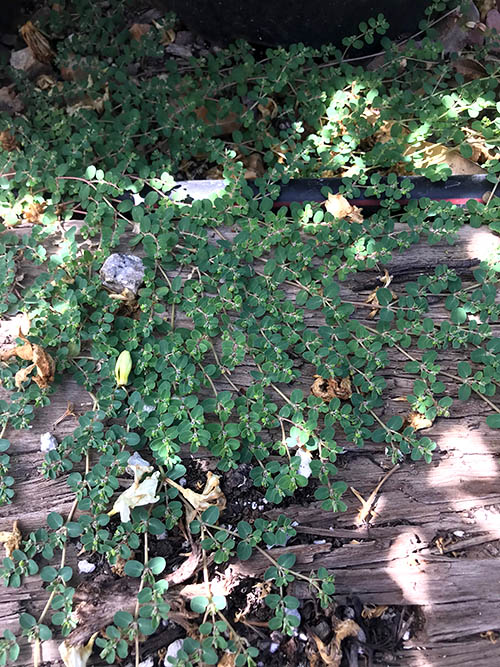
Mid Summer: Any remaining weeds should be pulled by hand, roots and all…Oh, I know It’s dirty hard work. This method works very well, and hiring the next-door kid is really inexpensive. It is important to remember that all weeds will produce seeds. Cutting, mowing, or even pulling them by hand will drop more seeds into your lawn or landscape.
How to get rid of weeds

The best way to maintain a weed-free lawn is through regular, year-round care. Proper watering, routine mowing, and a consistent fertilizing schedule will help your grass grow thick and healthy. A dense lawn leaves less room for weeds to take root and spread.
Both Bermuda grass and fescue can crowd out many common weeds when properly maintained. However, thin, stressed, or poorly watered areas create open spaces where weeds can quickly become established.
Guzman’s Garden Centers carries lawn fertilizers, weed-control products, and other lawn-care supplies throughout the spring, summer, and fall. If you are unsure which product to use, ask one of our staff members for help selecting the right treatment for your type of grass and weeds.
.
Here is a website with a guide to help you identify the type of weeds you might have in your garden or lawn area. Weed Identification Guide
What about Goatheads?
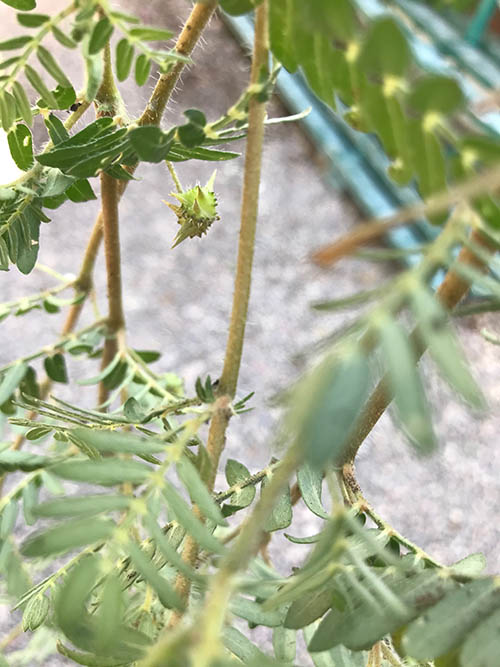
Yeah, Goatheads are mean-looking, sharply pointed seeds. It will puncture bike tires, tennis shoes, and even auto tires. The weeds are in the (Caltrop family). It produces a small yellow flower and is also called puncturevine or Texas sandburs. This weed thrives in and around the Southwest region of the U.S.
The seed is the goatweed itself, as it will fall off and begin growing another weed. You must remove these weeds from your lawn, or they will take over the lawn.
How to kill Goatheads
Pre-emergent will keep the Goathead seeds from germinating, but they will usually bounce back later in the year and for sure the next year.
Pulling them out by hand is difficult, but probably the best way to keep them from coming back. Chopping them off with a weed wacker will only strengthen their root system. Roundup™ and Killzall will kill them, but these products will also damage other plants and lawns nearby if not applied correctly. They are non-selective herbicides!
If they are in an open field, you can burn them off with a propane burner. However, on the lawn, it’s best to pull them out by hand. Also, a good, thick, healthy lawn will prevent them from germinating.
Did you know Goatheads have a natural predator? Yes, it is called the Puncturevine Weevil.
How to Kill Weeds
