Last updated on October 24th, 2025 at 12:30 pm
Get good at Growing Healthy Organic Plants. Organic gardening can be a great thing for a healthier diet. Consider your garden an investment of your time and hard work. Many gardeners can get stressed because they’re not quite sure where to start. Here are some solid tips to help you get started.
Killing Weeds Organically
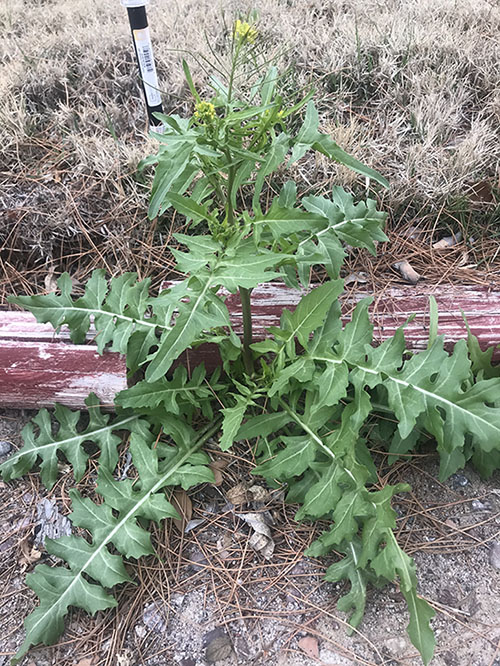
One truly easy organic way to kill weeds in your garden is to use boiling water. Using this method will kill weeds down to the roots. It is important to keep the boiling water away from other wanted plants and yourself.
This method works mainly on young weeds that are just emerging. If the weed is large and has been there for quite some time, it will only kill the top portion of the plant. Additionally, it will grow back and produce more seeds, thus more weeds!
The best way to remove weeds organically is to pull them out by hand. Oh, I know it is a tough chore, but you could hire someone to do this. After pulling weeds out, remember to apply an organic preemergent to keep the weeds from germinating again and again.
More about killing weeds here at “How to Get rid of Weeds”.

Does Vinegar work to kill weeds?
Another easy-to-kill weeds organically is to use vinegar, salt, and dish soap. Did you know that vinegar is more toxic than Roundup? Especially if they are purchased at local nurseries or greenhouses as most contain up to 20% acetic acid. The grocery store vinegar is typically 5%. It is something to think about before looking in your kitchen pantry for Vinegar to kill weeds. Read more about using Vinegar to kill unwanted plants.
Choose plants that produce high yields
Below is a list of plants that produce high yields. Additionally, there are many more but this list is a good start and will do well in and around the American Southwest.
- Tomatoes
- Squash
- Potatoes
- Okra
- Peppers
- Basil
- Chives
- Thyme
- Mint
- Dill
There are normally non-genetically modified plants. If you are starting from seeds look for the “NON-GMO” label on the seed packets. These often give higher yields due to higher survival rates.
Use organic fertilizers to feed your plants
Smart gardeners are switching to organic methods to grow healthier plants without harmful chemicals. Organic fertilizers, made from natural materials like compost, manure, or bone meal, enrich the soil and support strong plant growth. With so many options available, you can choose ones tailored to your garden’s needs, whether it’s improving soil structure or boosting nutrients like nitrogen and potassium. This approach not only benefits your plants but also creates a safer environment for your family and local wildlife. Why rely on synthetic chemicals when organic alternatives prove effective and eco-friendly? Below is a list.
Top 10 organic fertilizers
- Bone Meal
- Blood Meal
- Fish Emulsion
- Manure
- Corn Gluten
- Cottonseed meal
- Kelp
- Bat Guano
- Worm Castings
- Compost Make Your Own
One of the best is Fox Farm™ organic fertilizers are good for feeding your plants.
Which is best? There are many factors on which is best. Where you live, soil, weather, rain, and much more. Furthermore, if I had to choose one, it would be Fox Farm fertilizers with Bat Guano a close second. Yes, Fox Farm products do have a Bat Guano fertilizer.
What about ornamental plants?
The same thing applies to plants that do not produce edible food. Conversely, planting and growing bulbs are very simple, and once planted, the bulbs will grow for years. It’s important to choose your plants carefully, you could have flowers blossom from the first weeks of spring to the end of the summer. How to choose the right plants for your garden.
Mowing your lawn

It is a good idea not to trim it too low to the ground. The rule of thumb is to go at about a medium level in early spring then move the lever up one notch as time goes on. Eventually, at the end of the fall season.
Another good tip is to leave your grass growing a bit longer so that the roots can grow deeper. This results in a stronger lawn and is less likely to dry out. I have seen neighbors, relatives, and friends who cut their lawns low every time. This is not good for your lawn. If the grass is too short, that will lead to shallow roots, which will cause a brown/yellowish and dried-out lawn.
How to irrigate your garden
Best Practices & Application Tips
Since you’re targeting gardener women 35-60 in the Southwest and want content for both beginner & seasoned gardeners, here are the best practices to highlight:
-
Soil test first: Knowing pH, nutrient levels, and organic matter content helps pick the right product and avoid waste or misapplication. (Many Southwest soils are alkaline, low in organic matter.)
-
Match fertility to plant stage: Vegetables vs shrubs vs indoor plants may have different nutrient demands.
-
Water timing matters: On arid soils, apply when the soil is competent to transfer nutrients (not too dry). Organic fertilizers often require microbial activity (which needs moisture) to break down.
-
Feed schedule: Many organics deliver over time — you may not need to feed as often as synthetic. But check the label for “feed every X weeks”.
-
Compost + fertilize eqn: Organics are great, but pairing with compost or soil amendment often yields best results (i.e., chemical free build of soil).
-
Avoid over-application: Even “natural” fertilizers can cause issues if used excessively. Slow release means build gradually.
-
Consider salt load: In drought/irrigation situations, watch for salt buildup. Some organics have lower salt risk than synthetics.
-
Local climate adaptation: For desert gardens: select materials that improve water retention, don’t promote excessive vegetative growth that burns under intense sun without water.
-
Education piece for your eBook/marketing: Emphasize the “soil health” story (microbes, structure, long term) rather than just “quick green leaves” — fits well with your demographic and eco‐mindset.
Healthy Organic Plants

Greenhouse Manager, Master Gardener, and Webmaster.
If you have any questions or enjoyed this post, feel free to share your thoughts in the comments below.