Last updated on May 10th, 2026 at 02:03 pm
A Complete Guide
Arrowhead Plant indoors. Also called the Arrowhead Vine. It is scientifically known as Syngonium podophyllum, and has earned its place among the most popular houseplants. Its vibrant foliage, easy care, and air-purifying properties make it a favorite for green-thumbed beginners and seasoned plant enthusiasts alike.
Native to tropical regions, this adaptable plant thrives indoors with just a bit of attention and the right conditions. Ready to learn how to keep your Arrowhead Plant happy and healthy? Here’s everything you need to know.
Understanding Your Arrowhead Plant
Before you start caring for your Arrowhead Plant, take a moment to understand its origins, unique traits, and why it’s such a fantastic choice for an indoor companion.
Scientific Background and Origins
The Arrowhead Plant belongs to the Araceae family and originates from Central and South America. In the wild, it grows as a creeping vine, climbing trees in tropical forests. As a houseplant, it’s typically grown in its juvenile, bushy form, but with time, it can develop its natural trailing or climbing habit. Its ability to adapt to different environments is one reason it’s so beloved.
Is it a Vine or a Plant?
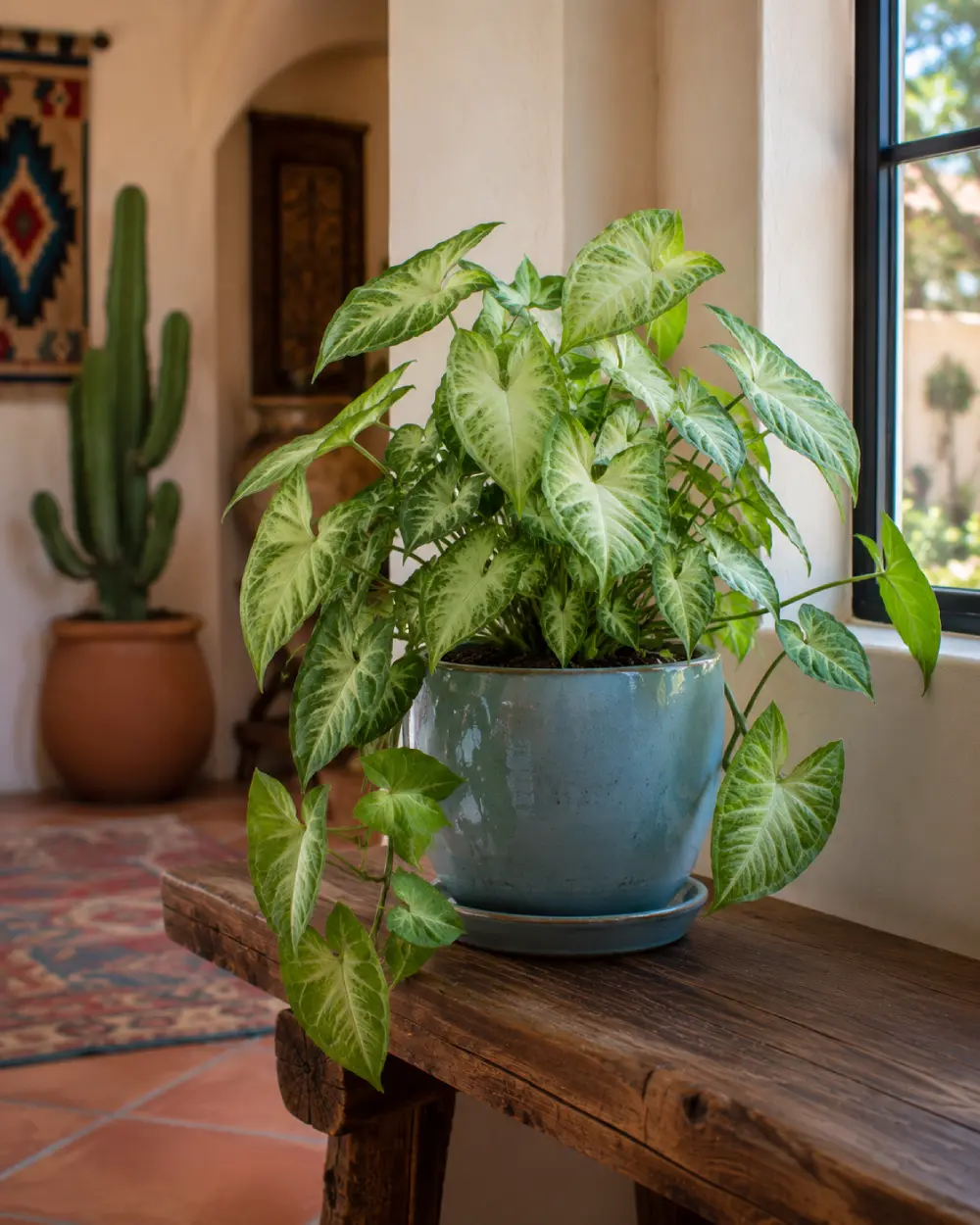
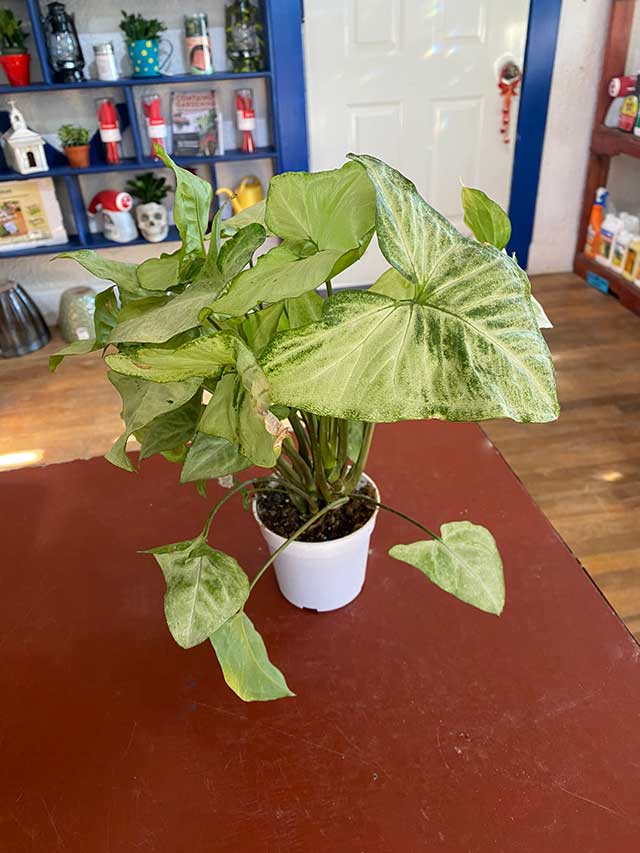
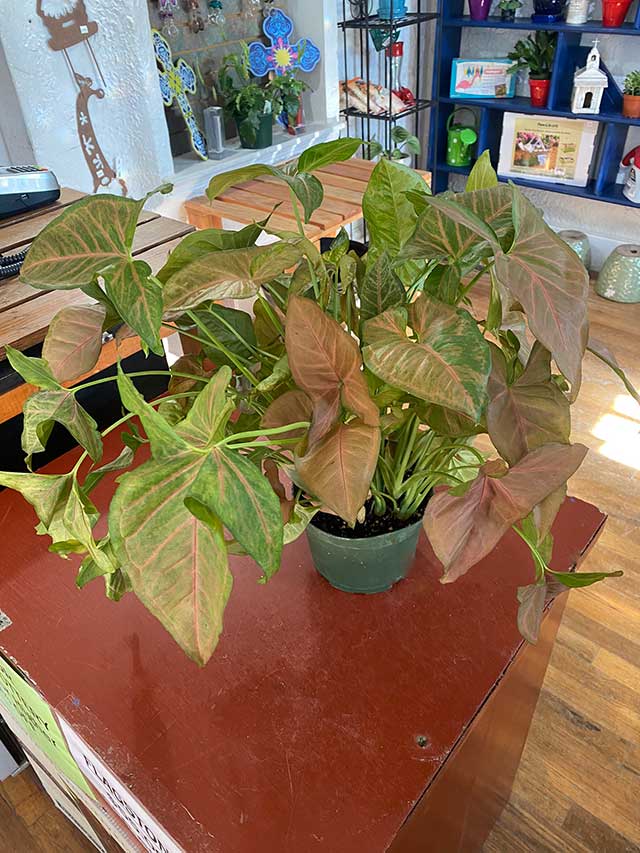
As its name suggests, the plant’s leaves resemble arrowheads when it’s young. The foliage comes in various striking shades, including green, white, pink, and even silvery hues. As the plant matures, the leaves can develop more lobes and take on a unique shape. It will shoot out new stems and foliage like a Vine as it grows. However, by pruning off the new stems, it becomes a stand-alone plant.
Why It’s Ideal for Indoors
The Arrowhead Plant isn’t just pretty—it’s practical. Its lush leaves act as natural air purifiers, improving your indoor air quality. Plus, it’s low-maintenance, thrives in various light conditions, and recovers well from neglect. Whether you’re looking to brighten a corner or add life to your desk, this plant delivers.
Optimal Environmental Conditions
Providing the right environment for your Arrowhead Plant isn’t complicated. Let’s break it down into manageable steps.
Lighting Requirements
Bright, indirect light is key to keeping your plant happy. Place it near an east- or north-facing window where it gets filtered sunlight. Avoid harsh midday sun, which can scorch the leaves and leave unsightly brown spots. If your space is darker, don’t worry—the plant tolerates low light, though its growth might slow, and its colors may fade slightly.
Temperature and Humidity Preferences
Arrowhead Plants prefer temperatures between 60-75°F, mimicking their native tropical climate. Avoid placing the plant near cold drafts or heating vents, as temperature swings can cause stress. High humidity keeps the foliage lush, so consider using a humidifier or misting the plant regularly. Grouping it with other plants can also boost humidity naturally.
Soil Mix and Potting Needs
For best results, use a well-draining potting mix. A blend of peat moss, perlite, and regular potting soil works perfectly. This combination allows proper drainage while holding enough moisture. Always ensure the pot has drainage holes to prevent waterlogged roots, which can lead to rot.
Watering and Feeding Guidelines
Keeping your Arrowhead Plant hydrated and well-fed is essential, but there’s a fine line between enough and too much.
Watering the Arrowhead Plant
Fertilizing Frequency and Type
Feed your Arrowhead Plant monthly during the spring and summer when it’s actively growing. Use a balanced liquid fertilizer diluted to half strength. In the fall and winter, growth slows, so you can cut back or skip feeding altogether. Avoid over-fertilizing, as it can cause salt buildup and damage the roots.
How to Prune Arrowhead Plant
Pruning and repotting are simple tasks that keep your plant thriving and looking its best. Regular pruning helps maintain the plant’s shape and encourages bushier growth. Use clean, sharp scissors to trim any leggy vines, dead leaves, or damaged foliage. You can also remove any yellowing leaves to redirect energy to healthier parts of the plant. If you want a fuller look, pinch off the tips of new growth to promote branching.
Repotting to Promote Growth
From my experience, it is best to repot every two years or when roots start circling inside the pot. Choose a pot that’s one size larger than the current one. When repotting, gently loosen the root ball and remove any dead roots. After placing it in fresh soil, water thoroughly to help it settle. Be careful not to bury the plant too deep.
Common Problems and Troubleshooting
Even with the best care, your Arrowhead Plant might face a few challenges. Here’s how to tackle them.
Yellowing Leaves
Yellow leaves are often caused by overwatering, so check the soil’s moisture level first. If that’s not the issue, consider whether your plant needs more light or fertilizer. Too much light or poor nutrition can also lead to yellowing.
Pest Infestations
Common pests like spider mites, mealybugs, or aphids may occasionally attack your plant. Spot them early by inspecting the leaves regularly, especially the undersides. Treat infestations by wiping the leaves with soapy water or using an insecticidal spray. Neem oil is another effective and natural option. You can see pictures of these insects over at ‘Insects and Diseases on Plants‘.
Root Rot and Prevention
Root rot is a common problem caused by overwatering or poor drainage. If your plant is wilting despite regular watering, check the roots. Healthy roots are white, while rotting roots are mushy and dark. The way I treat root rot is to trim away the affected roots and repot them in fresh, well-draining soil. Adjust your watering schedule to prevent recurrence.
The Arrowhead Plant is an indoor plant. But it can be planted outdoors where there are no freezing temperatures. Anything below 35 degrees Fahrenheit and it will die.
Arrowhead Plant Care Indoors
More information at Thespruce.com
Conclusion
Caring for an Arrowhead Plant doesn’t require a green thumb—just a little attention and a commitment to meeting its basic needs. By providing the right light, warmth, hydration, and occasional feeding, you’ll have a thriving, vibrant plant that enhances your home’s atmosphere. Plus, the joy of watching it grow and change over time makes it all the more rewarding. So grab your plant, follow these tips, and enjoy the beauty it brings to your space!

New to Southwest Gardening?
Stop wasting money on plants that will not survive our heat and drought.
My Southwest Gardening Made Simple eBook shows you which trees, shrubs, flowers, and vegetables actually thrive in New Mexico, Arizona, and West Texas.
The best plants for hot, dry climates
Common mistakes that kill Southwest plants
Easy-to-follow advice for beginners

Paul Guzman is a lifelong Southwest gardener and gardening writer with decades of experience helping homeowners grow beautiful landscapes in the desert Southwest. He writes for Guzman’s Garden Centers in Las Cruces, New Mexico, with contributing expertise from Gary Guzman, owner of Guzman’s Garden Centers. If you have any questions or enjoyed this post, feel free to share your thoughts in the comments below.