Last updated on March 27th, 2026 at 08:13 am
Stylish Choices for a Drought-Smart Garden [2025]
Dry summers and tighter water rules are changing how I look at my garden. Low water plants are becoming the choice for many gardeners. These tough, good-looking plants save water and make my outdoor space stand out.
Picking the right low-water plants matters for more than just the garden’s look. It helps cut down my water bill and supports local water conservation efforts. I’ve found that a drought-friendly garden can still be full of life and beauty—no sacrifice needed.
Why Choose Low Water Plants?
Deciding to use low-water plants in my garden changed everything about how I see outdoor style and care. It’s not just about surviving dry seasons—these plants have real perks for my wallet, the environment, and my own free time. They check off all the boxes: responsible, practical, and still eye-catching. Here’s what I value most about making the switch.
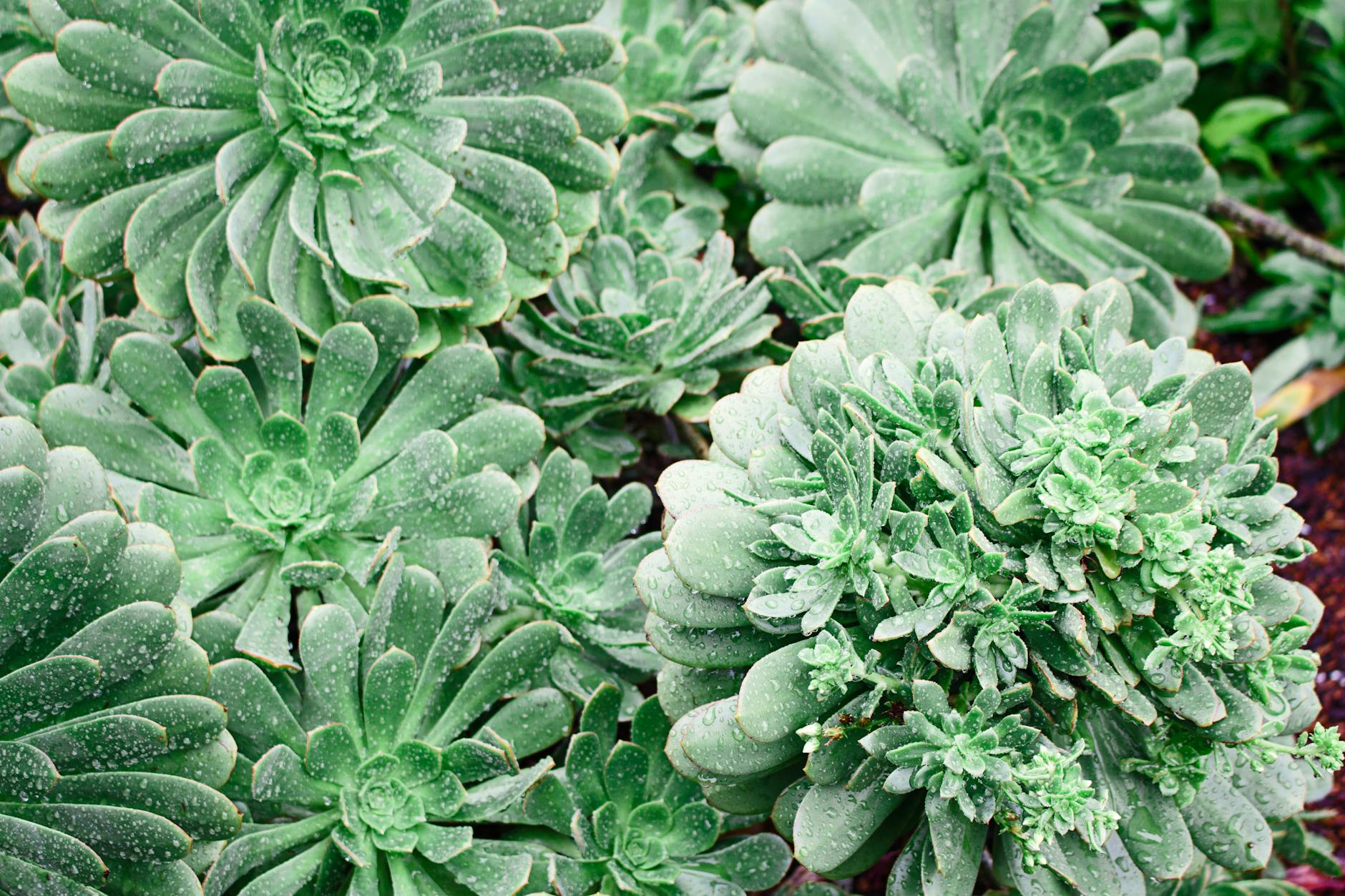
Photo by anna-m. w.
Environmental Benefits
Low water plants thrive with less—even when rain is rare. Using these kinds of plants helps me use far less water and actively support local conservation efforts. Growing awareness about climate change means it’s on all of us to think about where our water goes. These plants make that easier without any extra effort.
Choosing low-water plants helps me:
- Cut down on water waste.
- Support local wildlife, like bees and butterflies.
- Reduce my personal carbon footprint (less water use, less pumping and transport required).
I take pride knowing my choices help protect one of our most important resources.
Cost Savings
Spacing out watering sessions is a game-changer for my utility bill. Installing efficient irrigation—like simple drip lines or soaker hoses—reduces runoff and keeps my plants happy without soaking my budget. Swapping a traditional lawn for drought-friendly plants saves money in the long run. Many local utilities even offer rebates or programs to switch, making the change even easier on the wallet.
Here are a few ways low-water plants help me save:
- Lower monthly water bills
- Less spent on fertilizers and pesticides
- Reduced need for lawn equipment
For proven ways to save with drought-friendly yards, this guide on cost savings with drought-tolerant landscaping has simple and effective tips.
Ease of Maintenance
I’ll admit it: I don’t want to spend all weekend in the yard. One of the best things about low-water plants is how easy they are to care for. Most don’t need regular watering or fertilizing. Many, like succulents and certain Southwest grasses, even thrive on a little neglect.
Some perks of choosing these plants for an easier routine:
- Fewer hours spent watering and pruning
- Fewer weeds due to dense plantings
- Long stretches without much work at all
A Smart Fit for Changing Climates
With hotter, drier seasons becoming the new normal, it makes sense to think ahead. Many low-water plants are built for extreme weather, meaning my garden still looks good even when temperatures rise, and rain disappears. Responsible landscaping isn’t just a trend. It’s smart, long-term planning that pays off.
Low water plants aren’t just practical—they’re a sharp response to our changing world. They give me peace of mind, knowing my yard works with climate realities, not against them.
Top Low Water Plants That Add Visual Appeal
Low-water plants are a smart and stylish answer to dry conditions, but they don’t have to look plain. The right picks capture attention with eye-catching color, unbeatable textures, and sculptural shapes. Here are some favorites I use when I want a garden that stands out—even during a drought.

Photo by Amar Preciado
Succulents: Vibrancy and Modern Style
Succulents bring a modern vibe to any garden. Their geometric shapes and surprising colors never get old. These low water champions don’t just survive—they thrive with little fuss.
Some standout varieties I like to use include: agave
- Echeveria: Rosette shapes and shades from deep purple to bright lime.
- Agave: Bold, dramatic spikes; some stay small, others grow huge.
- Sedum: Soft mats or upright clusters, with pink, red, or gold tones.
By mixing heights and forms, succulents offer lots of texture for containers, borders, or rock gardens. They’re among the most popular low-water plants for visual appeal.
Lavender: Fragrance and Flowers
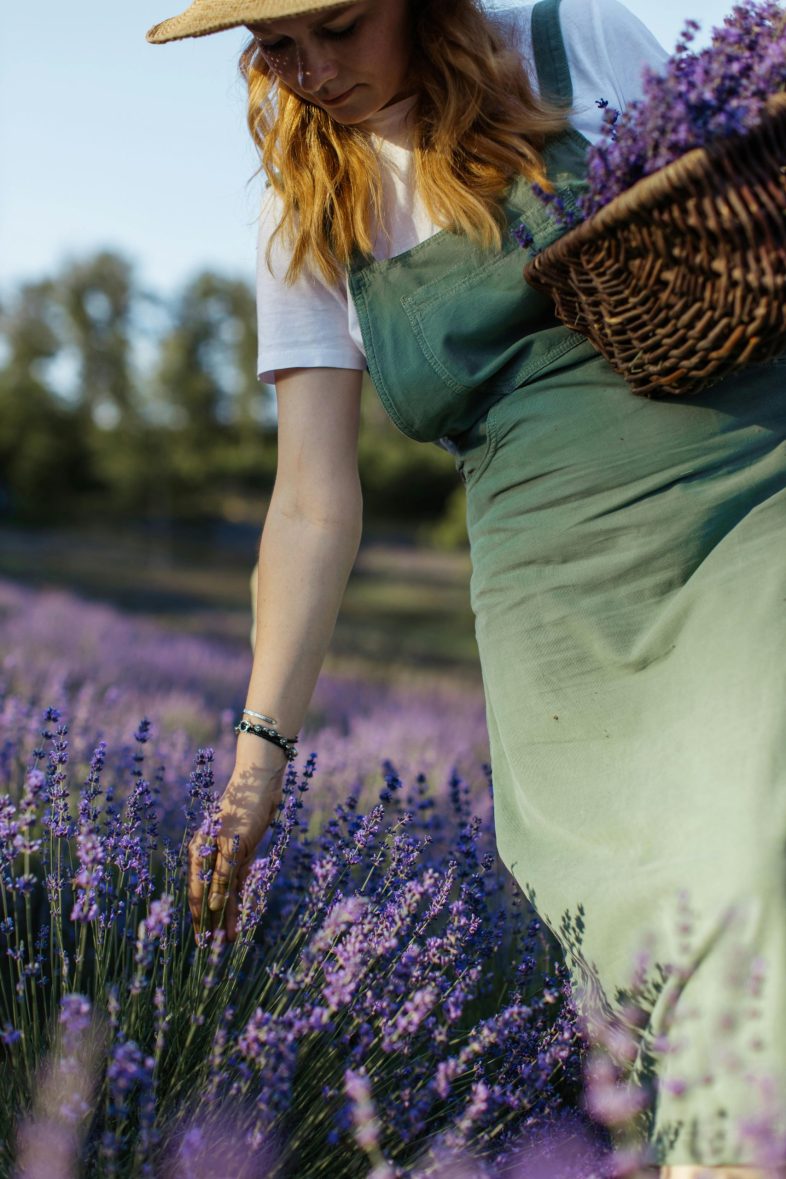
Lavender is more than a water saver—it delivers incredible bonus features. Its fragrant blooms turn heads, and the plant holds up great in sunny, dry spots. I love using lavender along a walkway, where each passing step kicks up the plant’s herbal scent.

Reasons to plant lavender:
- Drought-tolerant and fuss-free
- Silvery foliage adds year-round interest
- Purple flowers attract pollinators
Lavender thrives in the ground or in pots, and looks right at home in cottage or Mediterranean-inspired yards.
Russian Sage: Tall and Airy Color
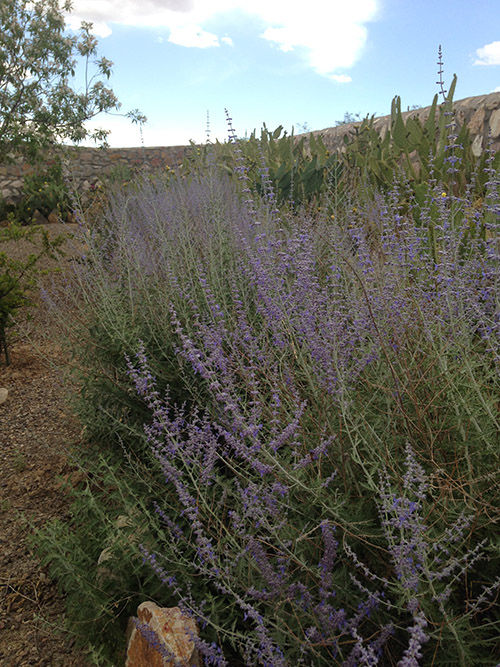
Russian sage stands tall and brings something special to dry gardens. Its spires of tiny purple flowers float above silvery foliage, catching the breeze with a soft, airy look. The plant needs almost no water once it’s settled in.
Why I recommend Russian sage:
- Grows big and bushy, filling space fast
- Light purple color pops against green backgrounds
- Handles heat and poor soil with ease
It’s a top pick for bold, lasting color through the summer. For more inspiration, check out recommendations on drought-tolerant plants that impress.
Yucca: Architectural Interest
Yucca plants are like living sculptures. Stiff, pointed leaves form crowns with clear lines—perfect for a clean, modern look. Yuccas almost never need watering and shrug off even the hottest days.
Why yuccas stands out:
- Striking, architectural shape
- Plant it once, enjoy it for years
- Needs almost no care or water
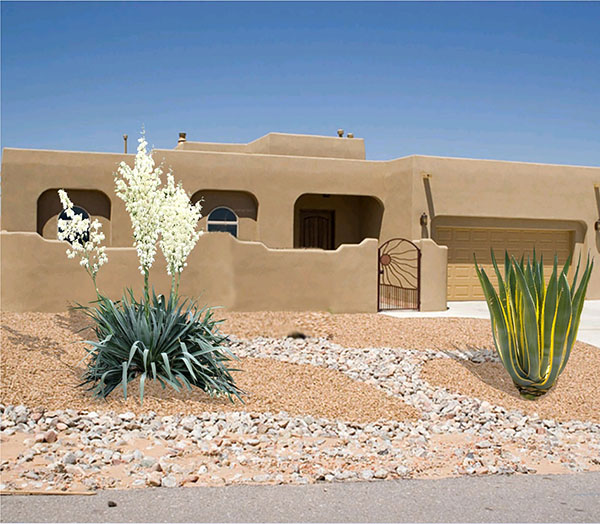
Plant yucca in open beds, borders, or containers to anchor your garden design. It’s ideal for anyone who wants max impact with minimal work. For a full list of strong performers, browse this feature on top drought-tolerant plants for stunning yards.
Ocotillos for low-water landscape

When I look at an Ocotillo, I see more than just a spiky shrub. These wild plants are tall and skinny, with long, thorny stems that look almost like they’re reaching for the sky. When it rains, they surprise everyone and burst out in bright green leaves, covering those bare-looking stems almost overnight. Then, when it’s dry, they drop their leaves and turn back to tough sticks. In spring, the flowers pop out in bold red clusters on the ends of each stem, and they grab your attention right away. Hummingbirds and bees can’t resist them either.
Designing a Beautiful Low Water Landscape
A low water garden isn’t just practical—it’s a chance to get creative with color, texture, and shape for a truly showstopping yard. I’ve learned that smart planning takes these hardy plants from sturdy to stunning. With the right layout and combo of plants, you can have a stylish space that handles drought and still turns heads. Let’s dig into what works best when arranging low water plants for maximum effect.
Plan Visual Layers for Depth
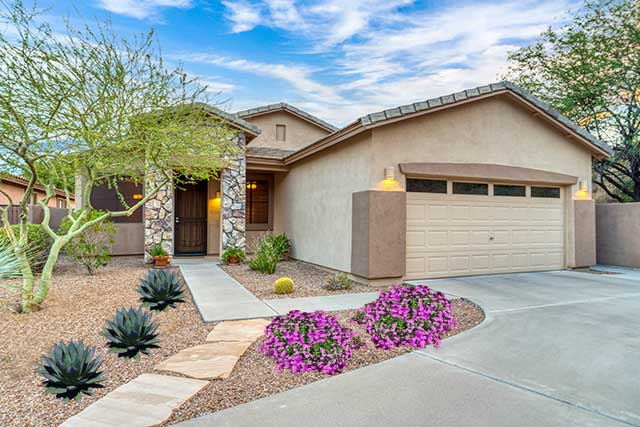
One trick I use is layering plants by height and spread. Place taller low water plants like yucca or Russian sage at the back or in the center of a bed. Next, use mid-sized stars like lavender or red hot poker in the middle. Round out the edges with ground-hugging succulents or drought-loving thyme.
This strategy gives a full look and draws your eye across the garden, making even small spaces feel bigger and lusher.
Play With Color Schemes
Low water plants can bring vibrant color even without a lot of blooms. Use silvery foliage (like lavender) as a neutral base, then place in pops of orange, purple, or gold. Grouping similar shades together creates a soothing effect while bold contrasts offer a modern vibe.
A few color combos I find work great:
- Silvery lavender, purple Russian sage, and golden yarrow.
- Red hot poker, grevillea, and sedum for fiery tones.
- Blue fescue with coral penstemon and bright green succulents for a cool mix.
Group by Water Needs
A big tip for a beautiful and sustainable garden is to group low water plants with similar thirst levels. This avoids overwatering the tough ones and keeps the neediest happy. Mass plantings of the same variety also create big visual impact—think a drift of purple sage under a stand of silver yucca.
Arranging plants by their watering needs not only looks tidy but also saves water and effort. You’ll find more practical guidance in this helpful guide on water-efficient landscaping.
Simple Design Tips for Curb Appeal
- Repeat plant shapes and colors for a cohesive feel.
- Frame focal points like a fountain or sculpture with bold plants.
- Leave a few open spots to highlight star specimens.
- Edge pathways with trailing plants for a soft-yet-structured look.
If you’re after ideas that won’t bust your budget, check out these inexpensive drought tolerant landscaping ideas—perfect for mixing style and savings.
Arranging low water plants is all about experimenting with what catches your eye. Try something bold, swap out what doesn’t work, and remember—nature loves variety.
Care Tips for Thriving Low Water Gardens
Caring for low water plants means working smarter, not harder. The right habits keep your garden healthy and looking brilliant all year long. Focusing on soil, mulch, and how you water makes a big difference, especially when you want your drought-smart garden to truly thrive. Here’s how to set up a yard to look great with a fraction of the water.

Photo by Artem Podrez
Soil Preparation Sets the Stage
Good soil is like a strong foundation for any thriving garden—especially for low water plants. They reward you with beauty if roots can grow deep and easily soak up every drop.
Here’s what I do for better soil:
- Add a thin layer of compost (about 1 inch) before planting. This boosts nutrition and helps the soil hold moisture.
- Break up any hard or compacted soil so roots don’t struggle.
- If your garden has heavy clay or is extra sandy, work in organic material to improve drainage and water holding.
- For very sandy spots, nutrients and water can disappear fast. Fix this by mixing in organic material so everything sticks around longer.
For even more on prepping your garden beds for low water plants, the step-by-step advice from Xeriscaping: Creative Landscaping by CSU Extension is a real timesaver.
Mulching for low watering plants
Mulch acts like a sun hat and blanket for your garden. It protects roots, keeps the soil cool, and stops precious water from evaporating too fast.
- Use organic mulch, gravel, or decomposed granite—whatever matches your garden style.
- Spread mulch in a layer at least 2-3 inches thick. Thicker layers help even more in dry climates.
- Keep mulch a few inches away from plant stems to prevent rot and let air get through.
- Replace mulch as it breaks down or gets thin.
Sheet mulching is also worth a try if you want less weeding and richer soil. Laying down cardboard, then topping it with mulch, blocks weeds and slowly improves the dirt underneath. A great breakdown on mulching for tough gardens comes from this guide on mulching for a drought-tolerant garden.
Watering Techniques That Work
Water is precious, so each drop should reach your plants where they need it most. Here’s how I keep my low water plants happy without unnecessary waste:
- Water early in the morning or later in the evening to reduce evaporation. One hour before sunset works best.
- Always water at the soil level—right near the roots—not on the leaves.
- Drip lines or soaker hoses are perfect for steady, targeted watering.
- Use a moisture meter or poke a finger a couple of inches into the soil. If it feels dry, it’s time to water.
- Focus on longer, deeper watering rather than quick surface sprinkles. This trains roots to grow deep for better drought survival.
For more practical solutions, this list of watering tips for drought-friendly plants is always worth a look.
Caring for low water plants just takes a few smart habits. Focus on soil, mulch, and proper watering to trade wasted effort for a garden that stays beautiful, even through a dry spell.
Conclusion
Bringing low water plants into my garden has done more than lower my water bill. It’s helped me build a space that feels fresh, inviting, and easy to care for. These plants don’t just save resources—they add real beauty and interest, proving I don’t have to pick between looks and smart choices.
Choosing low water plants lets me garden with a lighter touch on the planet while still enjoying color, texture, and life outside my door. Every season, these tough plants remind me that sustainable gardens can be striking and full of character.
Thanks for reading and sharing your time with me. If you’re thinking about a change in your own yard, start with one or two new low water plants and see the difference for yourself. Let me know what you try or what you want to learn more about—I’m here to help you grow a garden that works in every way.

Greenhouse Manager, Master Gardener, and Webmaster.
If you have any questions or enjoyed this post, feel free to share your thoughts in the comments below.