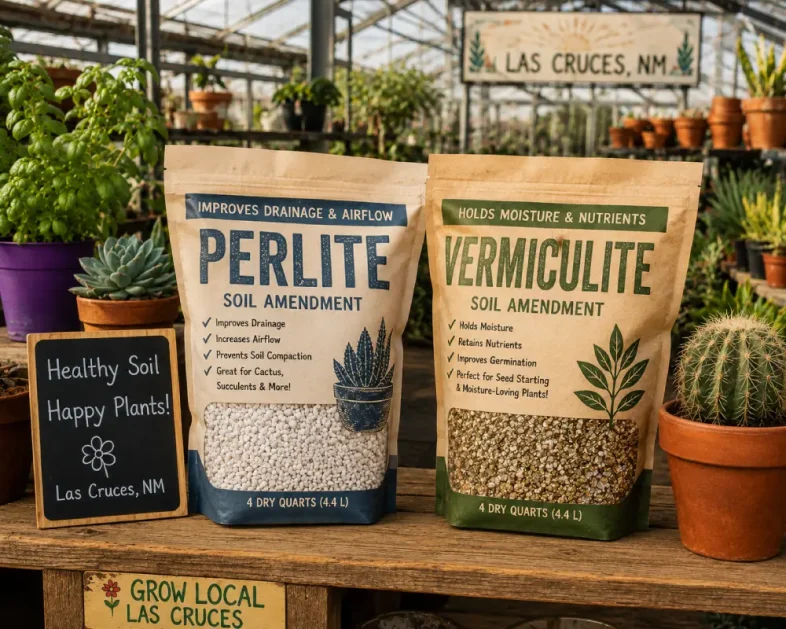
If you have ever opened a bag of potting soil and noticed little white pieces mixed into the soil, you were probably looking at perlite. If you see tiny brown or gold flakes that almost resemble fish scales, that is usually vermiculite. Both are commonly used in gardening, but they each do different jobs.
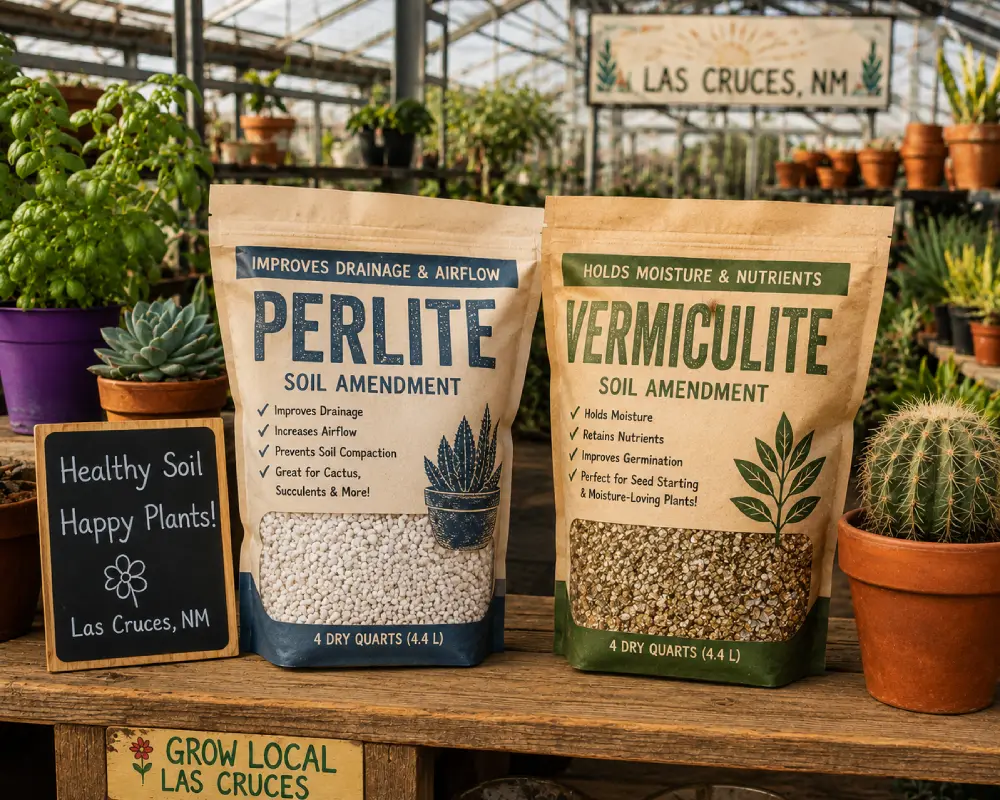
In the Southwest, where heat, dry air, and poor soils can create challenges, understanding how these ingredients work can make a big difference in how your plants perform.
What Is Perlite?
Perlite is a lightweight volcanic material that is heated until it expands into small white particles. It is sterile, lightweight, and commonly added to potting mixes and garden soils.
The main job of perlite is to improve drainage and airflow.
When soil becomes compacted, plant roots struggle to breathe. Water can also sit too long around the roots, which may lead to root rot and fungus problems. Perlite helps prevent this by creating small air pockets throughout the soil.
Benefits of Perlite
- Improves drainage
- Helps loosen compacted soil
- Increases oxygen around roots
- Helps prevent root rot
- Makes heavy soils lighter
- Useful for cactus, succulents, herbs, and desert plants
Perlite is especially helpful in the Southwest because many areas have clay-heavy soils that drain slowly. Mixing perlite into garden beds or containers can help water move through the soil more evenly.
If you grow cactus or succulents, perlite is almost essential. These plants prefer fast-draining soil and dislike staying wet for long periods.
What Is Vermiculite?
Vermiculite is a natural mineral that expands when heated. Unlike perlite, vermiculite is designed to hold moisture rather than increase drainage.
The texture is softer and more sponge-like. It absorbs water and slowly releases it back into the soil as plants need it.
Benefits of Vermiculite
- Holds moisture longer
- Helps retain nutrients
- Improves seed germination
- Keeps soil from drying too quickly
- Helps young roots stay evenly moist
Vermiculite works especially well for seed starting. Seeds need consistent moisture to sprout properly, and vermiculite helps prevent the soil from drying out too fast.
It can also help hanging baskets and potted plants during the hot summer months when containers dry out quickly.
The Main Difference Between Perlite and Vermiculite
The easiest way to remember the difference is this:
- Perlite helps soil drain faster.
- Vermiculite helps soil hold moisture longer.
In many cases, gardeners use both together in potting mixes to create a balance between drainage and moisture retention.
Which One Should You Use?
That depends on the type of plants you are growing.
Use More Perlite For:
- Cactus
- Succulents
- Lavender
- Rosemary
- Agave
- Aloe
- Desert plants
- Plants that dislike soggy soil
Use More Vermiculite For:
- Seed starting
- Tropical plants
- Ferns
- Vegetables
- Hanging baskets
- Moisture-loving plants
For general container gardening, a mixture containing both ingredients usually works very well.
Are They Good for Garden Beds?
Yes, especially in difficult soils.
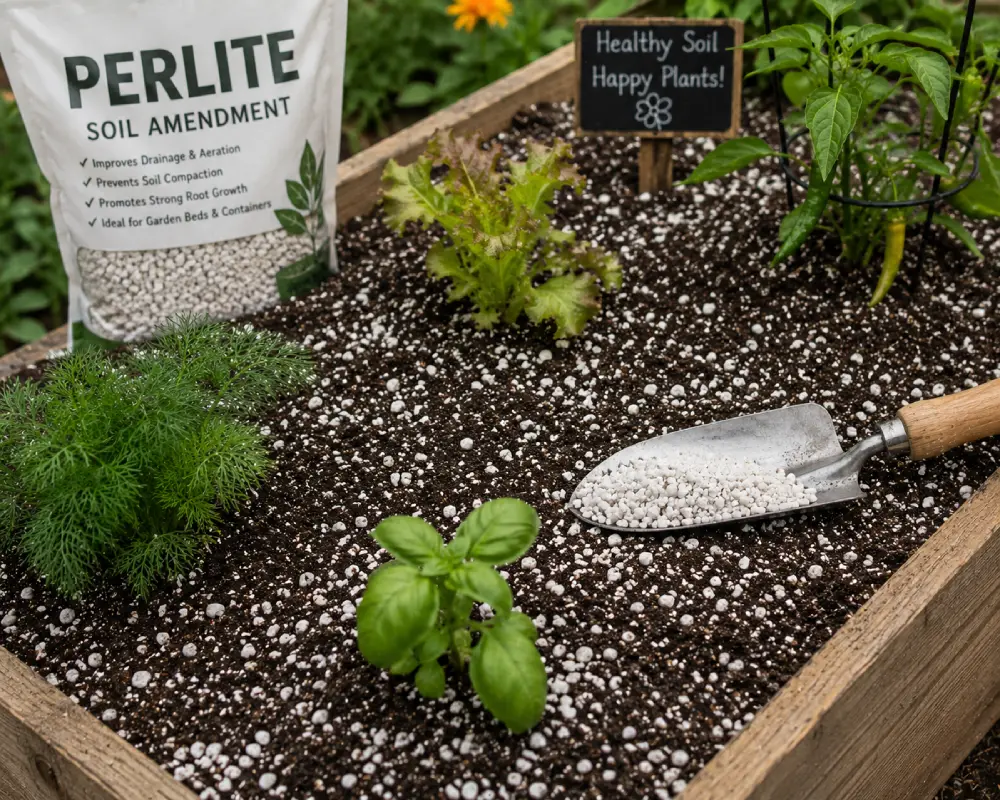
In the Southwest, clay soils often become hard and compacted. Adding perlite can help loosen the soil and improve drainage. Vermiculite can help sandy soils hold moisture a little longer between waterings.
However, in large outdoor beds, compost is still one of the best overall soil amendments you can add. Perlite and vermiculite work best when combined with organic matter.
Do They Break Down?
Perlite does not really break down very fast. It stays in the soil for many years.
Vermiculite will slowly compress over time, but it still lasts quite a while in potting mixes.
Both are considered safe and commonly used in gardening and greenhouse production.
Final Thoughts
Perlite and vermiculite may not look very exciting, but they can greatly improve the health of your plants.
If your soil stays too wet, drains poorly, or becomes compacted, perlite can help open things up and improve airflow around the roots.
If your containers dry out too quickly or you are starting seeds, vermiculite can help hold moisture longer and reduce stress on young plants.
In many Southwest gardens, using the right soil amendments can mean the difference between struggling plants and healthy, thriving growth.
New to Southwest Gardening?
Stop wasting money on plants that will not survive our heat and drought.
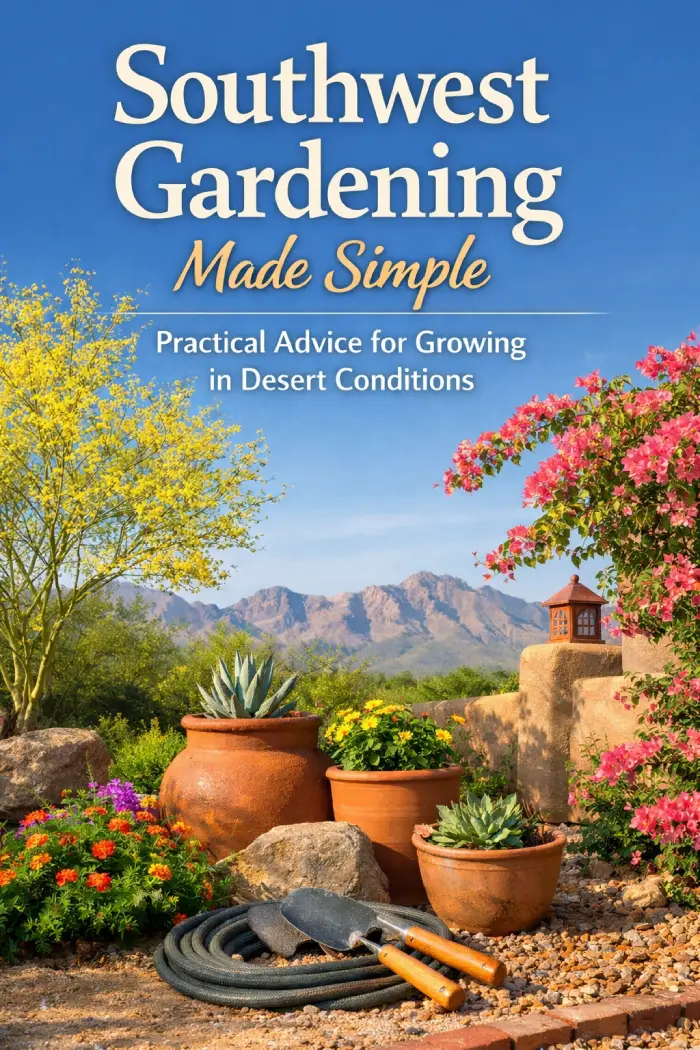
My Southwest Gardening Made Simple eBook shows you which trees, shrubs, flowers, and vegetables actually thrive in New Mexico, Arizona, and West Texas.
The best plants for hot, dry climates
Common mistakes that kill Southwest plants
Easy-to-follow advice for beginners

Paul Guzman is a lifelong Southwest gardener and gardening writer with decades of experience helping homeowners grow beautiful landscapes in the desert Southwest. He writes for Guzman’s Garden Centers in Las Cruces, New Mexico, with contributing expertise from Gary Guzman, owner of Guzman’s Garden Centers. If you have any questions or enjoyed this post, feel free to share your thoughts in the comments below.