Last updated on September 3rd, 2026 at 01:03 pm
How to Add Fall Color Without High Water Use
How to add fall color. Discover vibrant drought-tolerant plants that add brilliant fall color to your Las Cruces or El Paso landscape. Xeriscape design tips to keep your yard colorful and water-wise this autumn.
Introduction
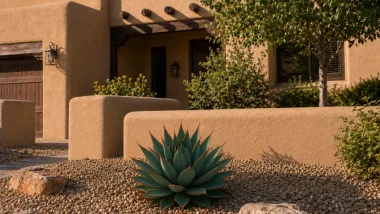
Fall in the desert Southwest doesn’t have to mean dull landscapes. With the right combination of low-water plants, soil care, and design strategy, your yard can glow with seasonal color all the way through November. Whether you live in Las Cruces, NM or the El Paso area, adding fall color doesn’t have to come with higher water bills. Xeriscaping principles and drought-tolerant plants can keep your yard beautiful and sustainable year-round.
1. Choose Drought-Tolerant Plants with Autumn Appeal
Many desert plants produce colorful foliage or blooms during the fall months. Try mixing these water-wise favorites for rich texture and color:
- Red Yucca (Hesperaloe parviflora): Long, coral-red flower stalks often bloom into fall. The plant requires almost no supplemental water once established.
- Nandina domestica (Heavenly Bamboo): Its red-bronze foliage intensifies in autumn, especially when temperatures cool. Ideal for accenting patios or walkways.
- Mexican Bird of Paradise (Caesalpinia mexicana): Bright yellow clusters of flowers bring life to the garden through late fall.
- Red Bird of Paradise (Caesalpinia pulcherrima): Blooms all summer long and into mid-fall.
- Autumn Sage (Salvia greggii): A hardy perennial with red, pink, or coral blooms that attract hummingbirds well into November.
- Muhly Grass (Muhlenbergia capillaris): Airy pink plumes sway beautifully in the breeze—low maintenance and stunning in mass plantings.
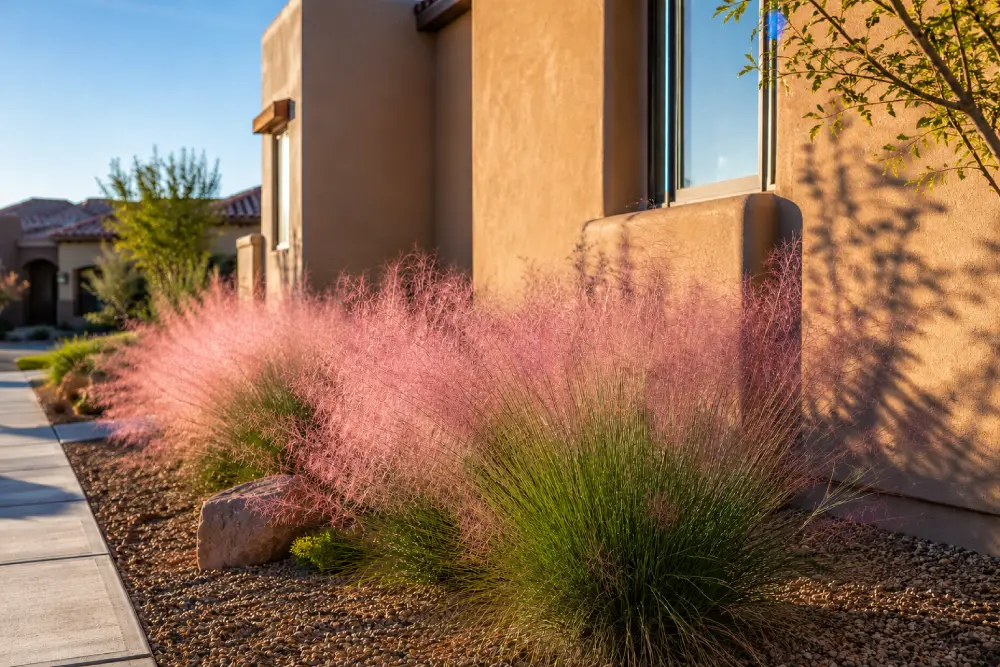
Pro tip: Combine three or more species that bloom at different times. You’ll maintain continuous color without increasing water demand.
2. Group by Water Needs (Hydrozoning)
A simple but effective xeriscaping principle is hydrozoning—grouping plants with similar water requirements.
- High-water zone: Small patches near the home for seasonal flowers or potted color.
- Moderate-water zone: Shrubs like Autumn Sage or Nandina that need occasional deep watering.
- Low-water zone: Cacti, Agaves, and ornamental grasses that survive mostly on rainfall.
This design approach reduces waste and ensures each plant gets just what it needs.

3. Use Gravel and Mulch to Enhance Color
Southwest landscapes rely heavily on contrast. Warm-toned gravel—like tan, peach, or arroyo-colored rock—makes greens and reds pop without adding plants or water. Apply 2–3 inches of mulch around the base of your plants to lock in moisture and stabilize soil temperatures.
If you prefer organic mulch, shredded cedar or pecan shells blend well with desert décor and gradually improve the soil.
4. Add Seasonal Color with Containers
Containers are perfect for seasonal splashes of color because they use water efficiently and are easy to swap out. Try:
- Chrysanthemums (Mums): Compact and colorful for fall.
- Marigolds: Tough annuals that tolerate mild frosts.
- Ornamental Kale or Alyssum: Cool-season plants that pair beautifully with desert shrubs.
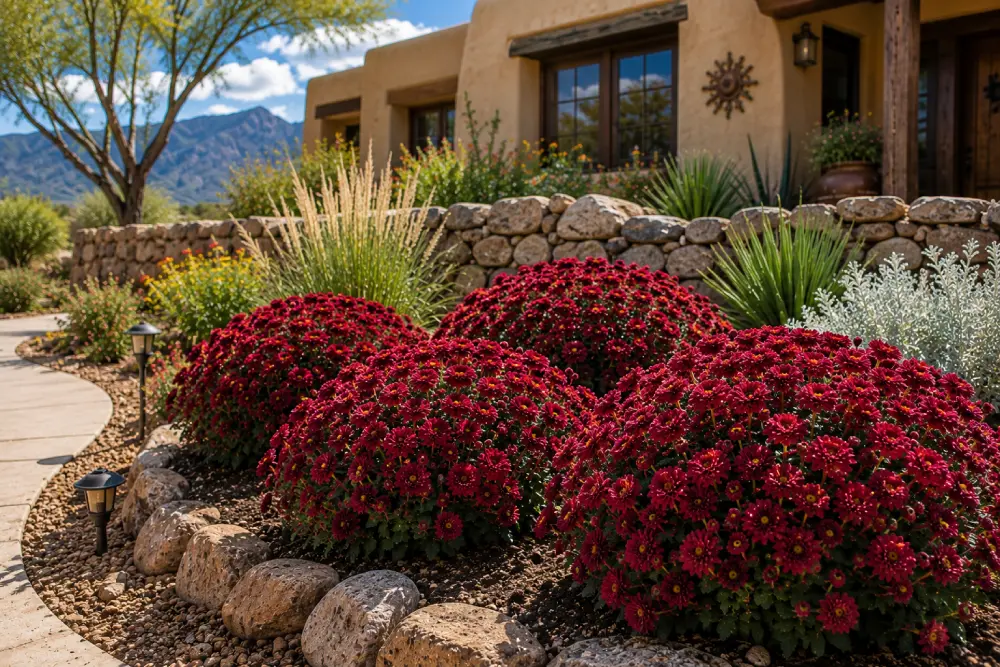

Use ceramic or clay pots in terracotta or turquoise tones to complement the Southwest aesthetic. For extra savings, connect pots to a drip irrigation line with emitters or hand-water with captured rainwater.

5. Rethink Your Lawn Areas
Traditional lawns require the most water of any landscape feature. Consider replacing high-water turf with:
- White Dutch Clover or Buffalo Grass for eco-lawns
- Decorative Gravel pathways between beds
- Native groundcovers like Lantana or Trailing Dalea
Even a partial conversion to water-wise groundcovers can dramatically cut water use while adding texture and seasonal variation.
6. Maintain Smart Watering Habits
To keep your garden thriving with minimal water:
- Water deeply, not often. Encourage roots to grow deeper into the soil.
- Water in early morning. Reduces evaporation and fungal growth.
- Check emitters monthly. Clean clogs and adjust flow for new plantings.
- Shut off irrigation after rains. Autumn storms in southern New Mexico often provide natural moisture—take advantage of it.
7. Accent Lighting for Evening Color
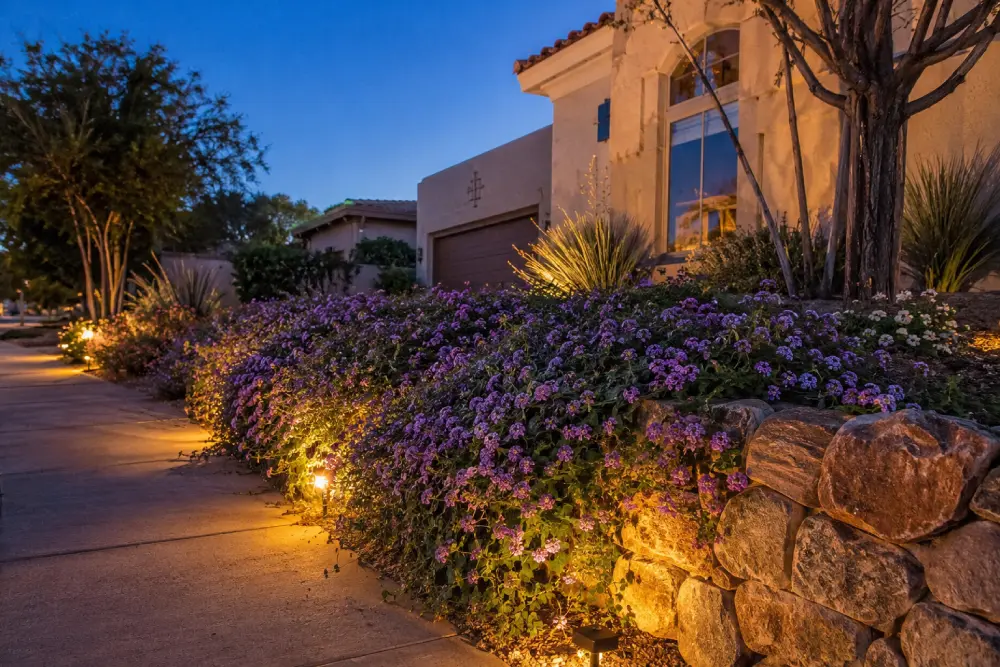
Autumn sunsets arrive earlier, but that does not mean you have to stop enjoying your landscape after dark. Soft, carefully placed landscape lighting can highlight the beautiful red, gold, bronze, and orange colors of fall foliage during the evening hours. Aim lights upward beneath colorful trees or shrubs, or place them along walkways where the light can gently reflect from nearby leaves.
Solar-powered path lights are easy to install and require no electrical wiring. Low-voltage LED lights are another energy-efficient option that usually provides brighter and more dependable illumination. Choose warm-white bulbs instead of harsh, bright-white lighting to bring out the natural warmth of autumn colors.
Avoid using too many lights or pointing them toward windows and neighboring homes. A few well-positioned fixtures will create a warm, inviting appearance while also making steps, pathways, and entrances safer after sunset.
Conclusion
By choosing drought-tolerant plants, grouping them wisely, and emphasizing contrast and texture, you can design a truly stunning fall landscape that thrives in our desert climate. Plants like Red Yucca, Autumn Sage, and Mexican Feather Grass bring rich seasonal tones and movement without demanding heavy watering. Mixing warm foliage colors with silvery greens and varied leaf textures creates visual interest that lasts well into winter. Remember, water conservation doesn’t mean sacrificing color or creativity—it means working with nature rather than against it. When you plan with the climate in mind, every plant choice supports both beauty and sustainability, giving your yard that vibrant Southwest charm while keeping maintenance and water use to a minimum.
Visit GuzmansGreenhouse.com for more tips on xeriscape design, seasonal planting, and local Southwest landscaping ideas.
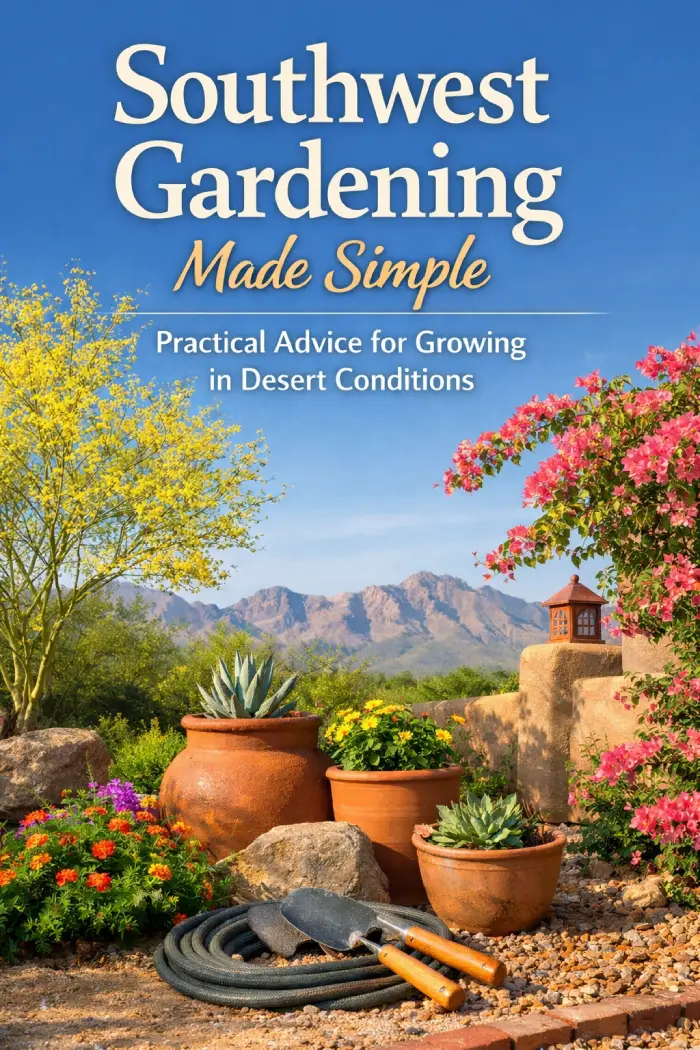
New to Southwest Gardening?
Stop wasting money on plants that will not survive our heat and drought.
My Southwest Gardening Made Simple eBook shows you which trees, shrubs, flowers, and vegetables actually thrive in New Mexico, Arizona, and West Texas.
The best plants for hot, dry climates
Common mistakes that kill Southwest plants
Easy-to-follow advice for beginners

Paul Guzman is a lifelong Southwest gardener and gardening writer with decades of experience helping homeowners grow beautiful landscapes in the desert Southwest. He writes for Guzman’s Garden Centers in Las Cruces, New Mexico, with contributing expertise from Gary Guzman, owner of Guzman’s Garden Centers. If you have any questions or enjoyed this post, feel free to share your thoughts in the comments below.