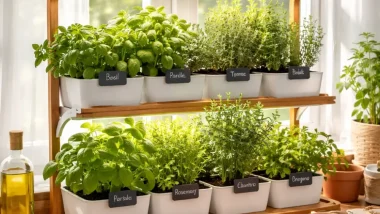
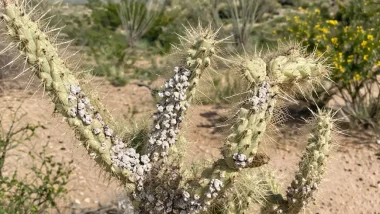
Keeping insects out of your indoor garden is one of the most important things you can do to keep your plants healthy and thriving. Even though your plants are inside, pests can still sneak in—through soil, new plants, open windows, or even on your clothes. The good news is, with a few simple habits, you can prevent most problems before they ever start.
Let’s walk through it in a practical, real-world way.
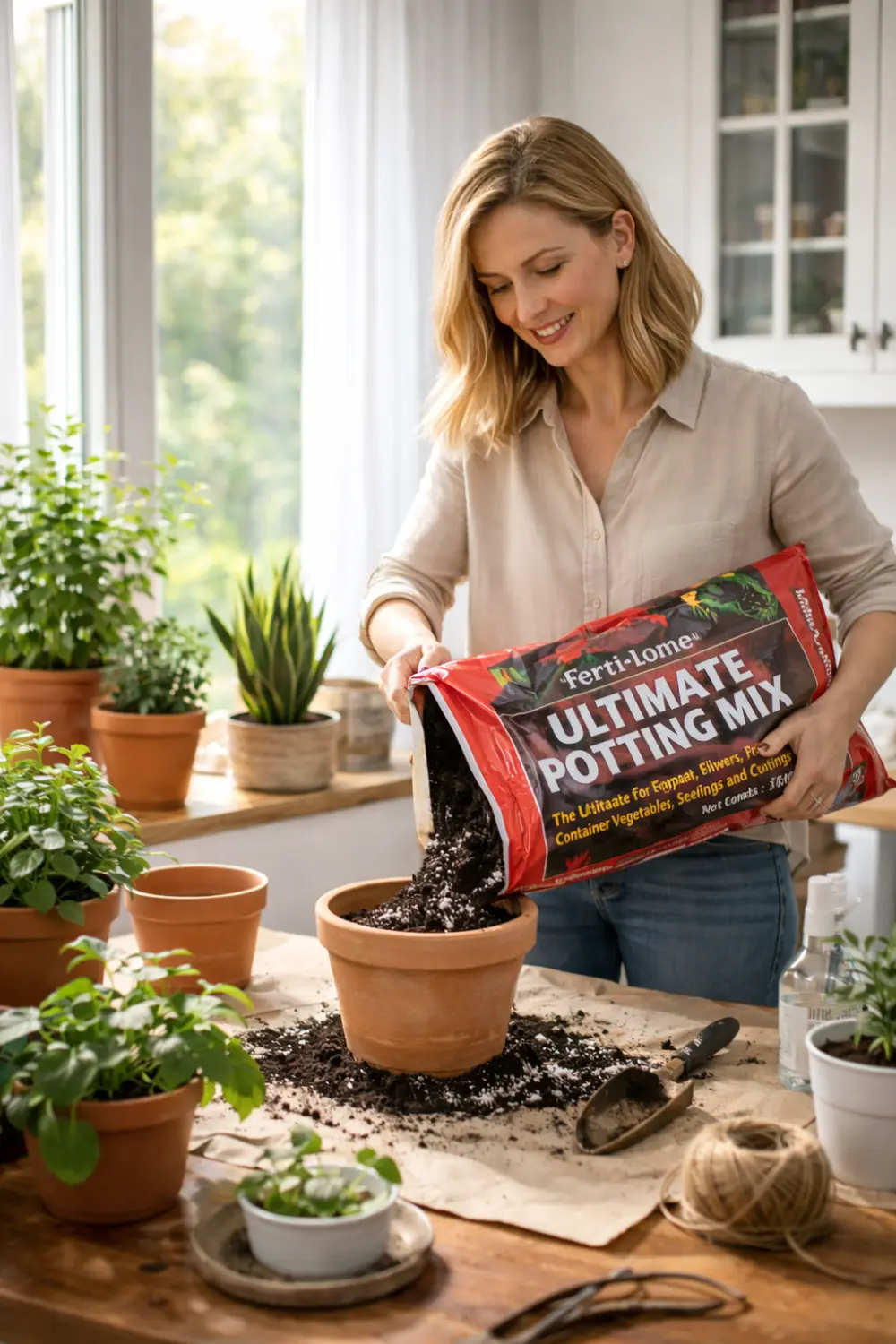
First, start with clean soil. If you’re bringing in soil from outside, you’re also bringing in the possibility of insect eggs, larvae, and other unwanted issues. That’s why it’s always best to use a high-quality, bagged potting mix for indoor plants. It’s designed to be clean and well-draining. If you’re reusing soil, make sure it’s been properly refreshed or sterilized—otherwise, you could be inviting pests in without even realizing it.
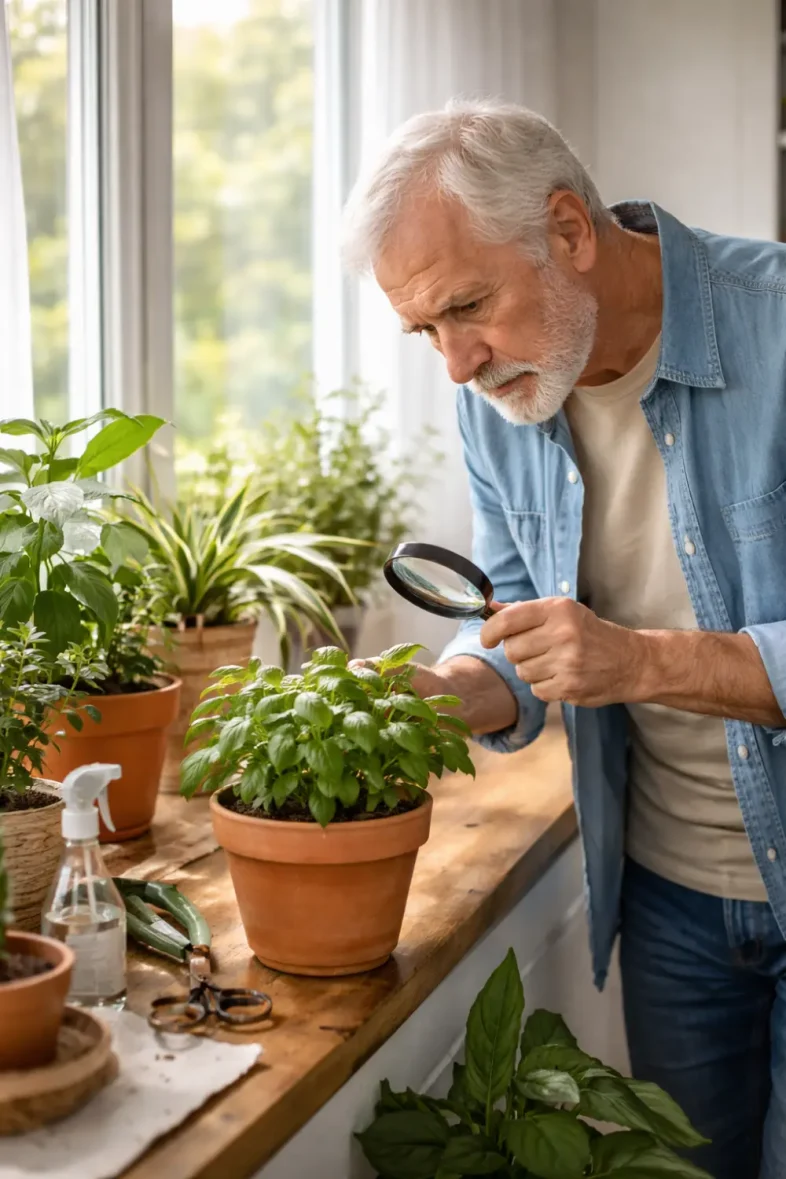
Next, be careful with new plants. This is one of the biggest ways insects enter your indoor garden. When you bring home a new plant, don’t immediately place it next to your others. Take a few minutes to really look it over—check under the leaves, along the stems, and even the surface of the soil. If you want to be extra safe, keep that plant in a separate area for a week or two. It might seem like a small step, but it can save you a lot of trouble later.
Watering is another big factor. Overwatering doesn’t just hurt your plants—it creates the perfect environment for pests like fungus gnats. These tiny flies love moist soil. If your soil stays wet all the time, you’re basically rolling out the welcome mat for them. Let the top inch or two of soil dry out before watering again, and always make sure your pots have good drainage. This one change alone can eliminate a lot of insect issues.
You’ll also want to keep your indoor garden area clean. Dead leaves, fallen debris, and old plant material can attract pests quickly. Make it a habit to remove anything that doesn’t belong in the pot. While you’re at it, wipe down your plant leaves every now and then. Dust buildup can weaken plants and make them more attractive to insects. Clean plants are healthier plants—it’s that simple.
If pests do show up, don’t panic. You’ve got some solid, safe options. Neem oil is one of the most effective natural treatments and works by disrupting the life cycle of insects. Insecticidal soap is another good choice, especially for soft-bodied pests like aphids or spider mites. And if you’re dealing with flying insects, yellow sticky traps can help you monitor and reduce their population. The key is to act early—small problems are much easier to control than full infestations.
Another thing people often overlook is airflow and light. Weak, stressed plants are more likely to attract pests. Make sure your plants are getting enough light for their needs, and don’t overcrowd them. Good spacing improves airflow, which helps keep pests from settling in. If your space feels a little stagnant, even a small fan can make a difference.
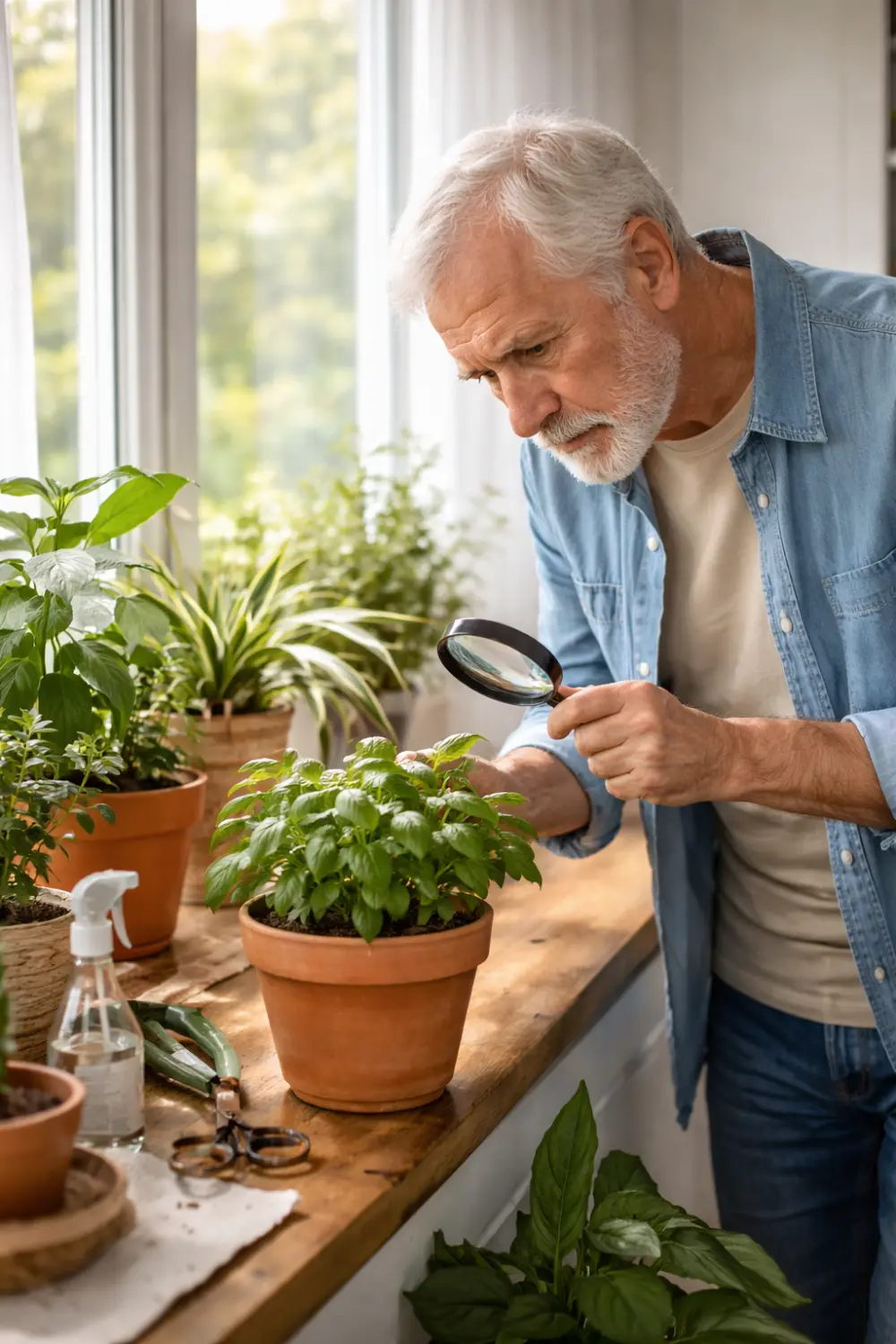
A man checking for insects in his houseplants
Finally, get in the habit of checking your plants regularly. You don’t need to overthink it—just take a quick look every few days. Check the leaves, stems, and soil. If something looks off, it probably is. The earlier you catch a problem, the easier it is to fix.
At the end of the day, keeping insects out of your indoor garden comes down to consistency. Stay on top of the basics, pay attention to your plants, and you’ll avoid most pest problems before they ever get out of hand.
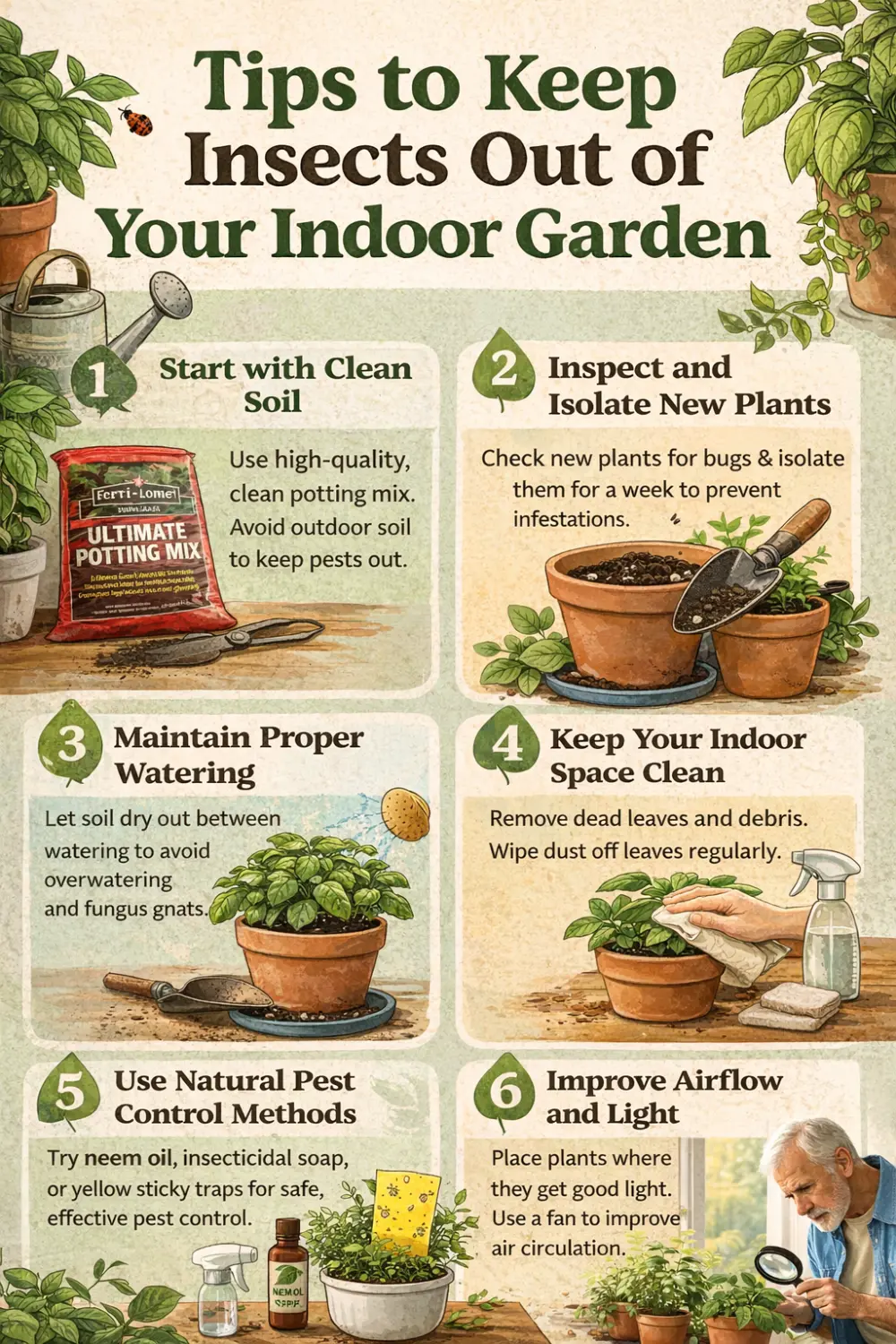
Share this Infographic with your friends and relatives.
Infographic on keeping insects out of indoor garden.
New to Southwest Gardening?
Stop wasting money on plants that will not survive our heat and drought.
My Southwest Gardening Made Simple eBook shows you which trees,
shrubs, flowers, and vegetables actually thrive in New Mexico, Arizona, and West Texas.
Watering schedules that actually work
The best plants for hot, dry climates
Common mistakes that kill Southwest plants
Easy-to-follow advice for beginners
Paul Guzman is a lifelong Southwest gardener and gardening writer with decades of experience helping homeowners grow beautiful landscapes in the desert Southwest. He writes for Guzman’s Garden Centers in Las Cruces, New Mexico, with contributing expertise from Gary Guzman, owner of Guzman’s Garden Centers. If you have any questions or enjoyed this post, feel free to share your thoughts in the comments below.
To provide the best experiences, we use technologies like cookies to store and/or access device information. Consenting to these technologies will allow us to process data such as browsing behavior or unique IDs on this site. Not consenting or withdrawing consent, may adversely affect certain features and functions.
Functional
Always active
The technical storage or access is strictly necessary for the legitimate purpose of enabling the use of a specific service explicitly requested by the subscriber or user, or for the sole purpose of carrying out the transmission of a communication over an electronic communications network.
Preferences
The technical storage or access is necessary for the legitimate purpose of storing preferences that are not requested by the subscriber or user.
Statistics
The technical storage or access that is used exclusively for statistical purposes.The technical storage or access that is used exclusively for anonymous statistical purposes. Without a subpoena, voluntary compliance on the part of your Internet Service Provider, or additional records from a third party, information stored or retrieved for this purpose alone cannot usually be used to identify you.
Marketing
The technical storage or access is required to create user profiles to send advertising, or to track the user on a website or across several websites for similar marketing purposes.