If you’ve ever planted something in Las Cruces and watched it struggle—or die—you’re not alone.
This is one of the most common frustrations for gardeners in the desert.
You buy a healthy plant, bring it home, plant it… and within weeks, it starts to decline.
The truth is, it’s usually not the plant.
It’s the conditions—and how we manage them.
Let’s break down the real reasons plants fail in the desert, and more importantly, how you can fix them.
Why Do Plants die in the Desert?
—
1. Watering Incorrectly
This is the number one reason plants die in Las Cruces.
Most people either:
- Water too often
- Don’t water deep enough
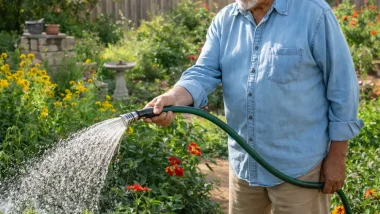
In desert conditions, shallow watering leads to weak root systems.
Plants need deep watering so roots can grow down into cooler soil where moisture lasts longer.
If you are not sure how to water properly, read this guide: How often should you water plants in Las Cruces?
—
2. Extreme Heat Stress
Las Cruces summers are intense.
When temperatures climb above 100 degrees, plants go into survival mode.
You may notice:
- Wilting during the day
- Leaf burn
- Reduced growth
This is normal—but without proper care, it can lead to plant failure.
Solutions:
- Water early in the morning
- Use mulch to retain moisture
- Provide afternoon shade when possible
—
3. Poor Soil Conditions
Desert soil is often low in organic matter and drains very quickly.
This means water does not stay available to the plant long enough.
To improve your soil:
- Add compost
- Use soil amendments
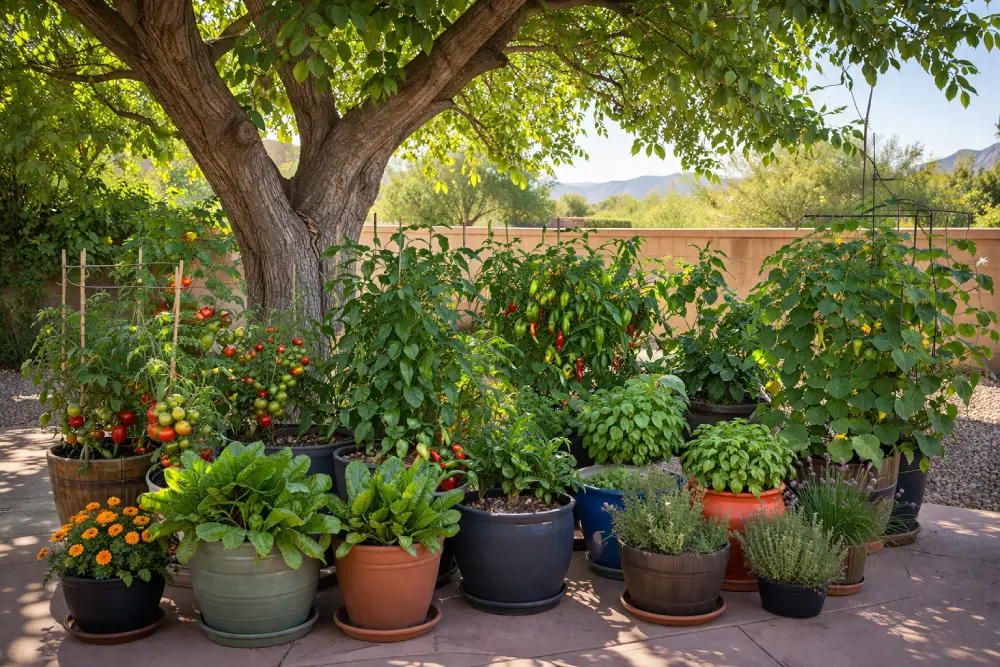
- Consider raised beds for vegetables
- Try planting vegetables in containers, and move them to a shady area.
Better soil helps retain moisture and supports stronger root growth.
—
4. Planting at the Wrong Time
Timing matters more in the desert than almost anywhere else.
Planting too late in spring can expose plants to extreme heat before they are established.
Planting too early in the fall can still expose them to summer-like conditions.
If you are growing vegetables, follow a seasonal guide like this:
https://guzmansgreenhouse.com/best-vegetables-las-cruces-nm/
—
5. Not Understanding the Plant Type
Not all plants behave the same in the desert.
Desert-adapted plants need less water and care.
Non-native plants can thrive—but they require more attention.
When planting non-native plants:
- Water daily for the first 2–3 weeks
- Then switch to every other day as they establish
- Add mulch to retain moisture
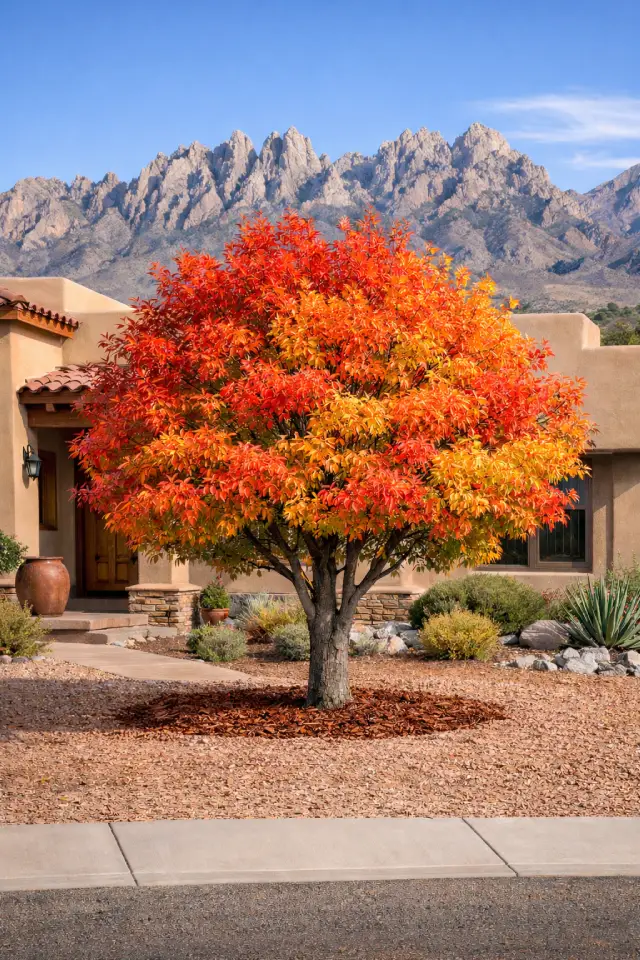
Understanding your plant’s needs makes a big difference.
—
6. Transplant Shock
When you move a plant from a container into the ground, it goes through stress.
In the desert, this stress is amplified by heat and dry conditions.
To reduce transplant shock:
- Plant early in the morning or evening
- Water immediately after planting
- Provide temporary shade if needed
—
7. Lack of Mulch
Mulch is one of the most overlooked tools in desert gardening.
Without mulch:
- Water evaporates quickly
- Soil temperatures rise
- Roots dry out faster
Adding mulch helps:
- Retain moisture
- Keep soil cooler
- Reduce plant stress
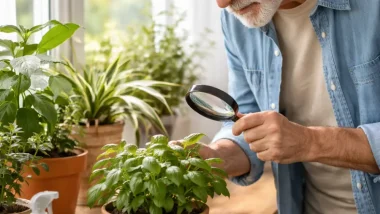
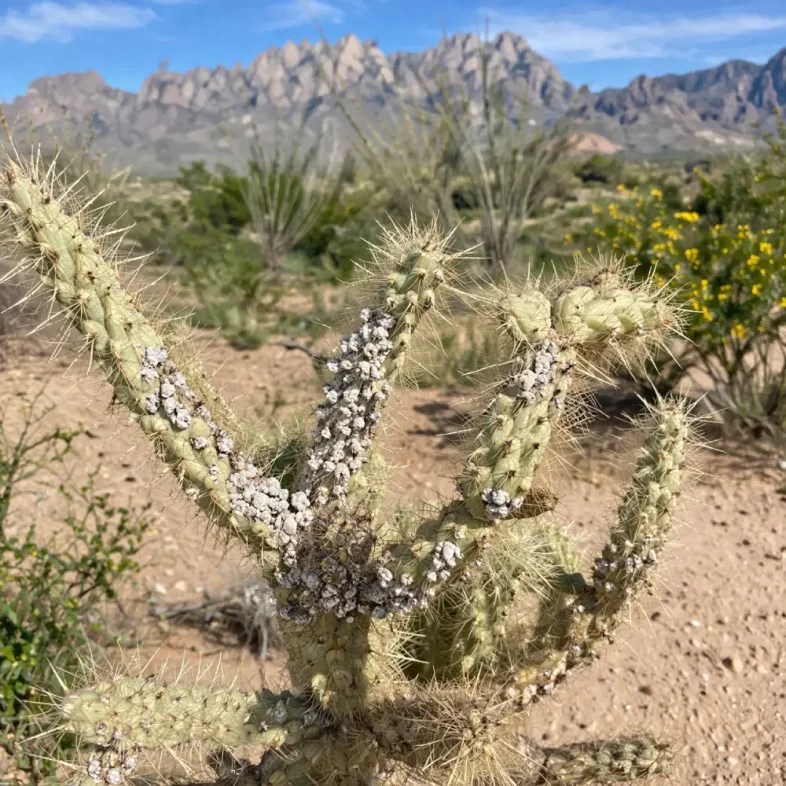
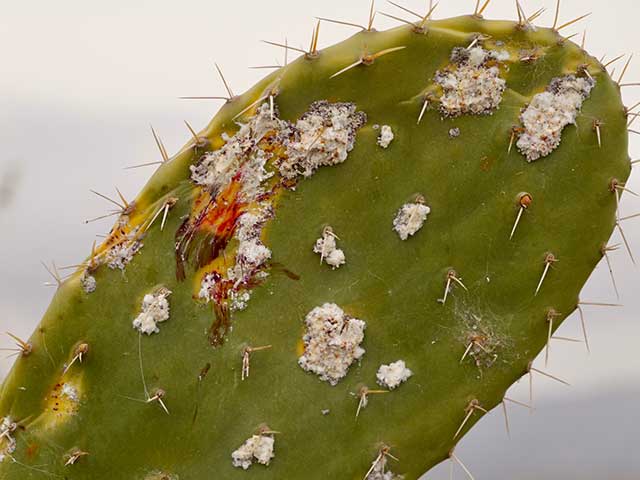
Insects and diseases can kill desert plants if left untreated.
Even though many desert plants are tough and well-adapted to the harsh conditions of places like Las Cruces, they are not immune to problems. Insects such as aphids, spider mites, and scale can weaken plants by feeding on their leaves, stems, and roots. Over time, this stress can cause yellowing, stunted growth, and eventually plant death.
Diseases—especially fungal and bacterial issues—can also develop, particularly when plants are overwatered or have poor drainage. Root rot is one of the most common and deadly problems in the desert. It often starts silently underground and may not be noticed until the plant is already in serious decline.
Desert plants are naturally resilient, but they rely on the right conditions to stay healthy. When those conditions are off—too much water, poor airflow, or sudden weather changes—they become vulnerable.
The key is early detection and consistent monitoring.
Regularly inspect your plants for signs of trouble such as:
- Discolored or spotted leaves
- Sticky residue or visible insects
- Wilting despite adequate watering
- Unusual growth patterns
Catching problems early makes them much easier to manage. In many cases, simple solutions like adjusting watering, improving soil drainage, or applying horticultural oil can prevent minor issues from becoming major ones.
Final Thoughts
Most plants do not die because they are “bad plants.”
They fail because desert conditions are not properly managed.
If you focus on:
- Proper watering
- Soil improvement
- Correct timing
- Mulch and protection
You will dramatically increase your success.
—
Want to Avoid These Mistakes Completely?
If you want a complete system for gardening in the Southwest, I put everything together in one place.
My guide walks you through:
- Exactly how to water
- What to plant and when
- How to succeed in desert conditions
You can check it out here:
https://guzmansgreenhouse.com/southwest-gardening-made-simple-ebook/
New to Southwest Gardening?
Stop wasting money on plants that will not survive our heat and drought.
My Southwest Gardening Made Simple eBook shows you which trees, shrubs, flowers, and vegetables actually thrive in New Mexico, Arizona, and West Texas.
The best plants for hot, dry climates
Common mistakes that kill Southwest plants
Easy-to-follow advice for beginners

Paul Guzman is a lifelong Southwest gardener and gardening writer with decades of experience helping homeowners grow beautiful landscapes in the desert Southwest. He writes for Guzman’s Garden Centers in Las Cruces, New Mexico, with contributing expertise from Gary Guzman, owner of Guzman’s Garden Centers. If you have any questions or enjoyed this post, feel free to share your thoughts in the comments below.