How to start an indoor garden. Starting an indoor garden offers a wide range of benefits, both for your home and your well-being. Houseplants naturally enhance your living space by adding color, texture, and life, making any room feel more inviting and comfortable. They act as living décor, bringing a fresh, natural element indoors.
Beyond appearance, indoor gardening can have a positive effect on your mental health. Caring for plants has been shown to help reduce stress, promote relaxation, and create a sense of calm. The simple routine of watering, pruning, and watching plants grow can be very rewarding and therapeutic.
Indoor gardening is also an enjoyable and engaging activity. Whether you’re growing herbs, flowers, or small vegetables, it gives you a hands-on connection to nature right inside your home. Over time, it can become both a fun hobby and a satisfying way to create a healthier, more peaceful environment.
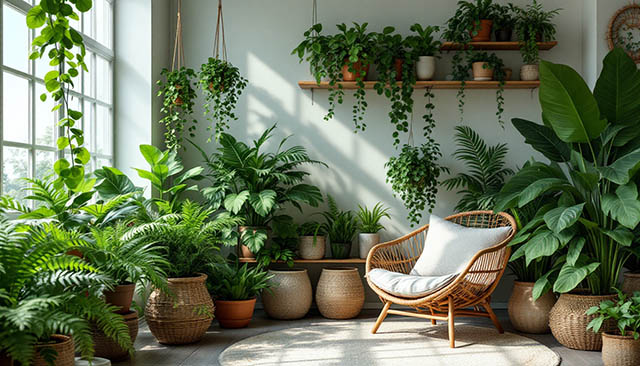
If you want to have indoor organic gardening, many herbs and plants are easy to grow. You can find them at the local nursery or even through online sites. They can be bought at most local independent nurseries. Specifically, the following 8 kinds are great examples of plants that you can grow indoors.
Plants to Use for an Indoor Garden
The Kentia Palm Indoors
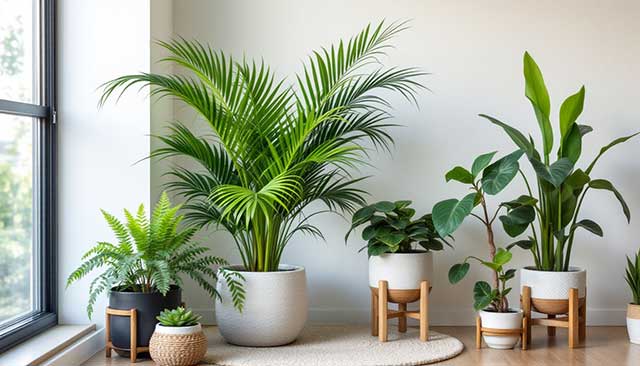
You’ll often find these used as indoor decorations in a variety of spaces. They’re commonly placed in doctors’ offices, waiting areas, bank lobbies, and even the entrances of local motels. People choose them for their appealing appearance, ease of care, and low maintenance needs. The Kentia Palm is not toxic to dogs or cats. According to the ASPCA
Find more information here at “The Kentia Palm Plant“.
The Boston Fern plant

The Boston fern, on the other hand, is placed by many inside a bathroom or at a greenhouse as it loves high humidity and doesn’t require feeding a lot, once a month will suffice.
Ferns make excellent indoor plants, adding a touch of greenery to your space. They’re generally low-maintenance and prefer environments where they won’t be exposed to freezing temperatures. If you live in a tropical area or somewhere with consistently mild weather, you can also grow them outside without any issues.
The Boston Fern is non-toxic to dogs and cats.

Small Cactus plants for an indoor Garden
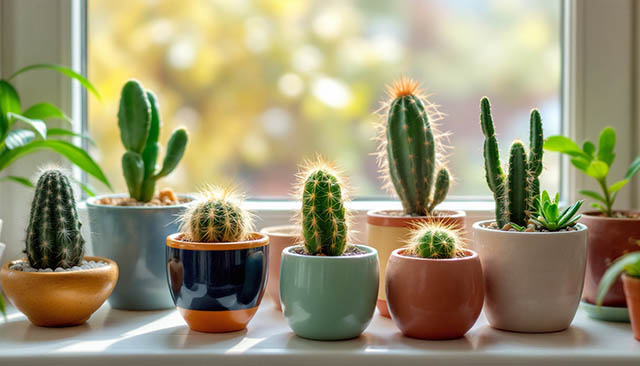
Small cacti are perfect for compact living spaces because they don’t take up much room and are incredibly low-maintenance. Their minimal size makes them ideal for shelves, desks, or windowsills where larger plants might feel overwhelming. Plus, with so many unique shapes and varieties, they can add a touch of character without crowding your space.
The vast majority of small cactus plants are not toxic to cats and dogs. However, the spines may cause injury to pets.
Peace Lily
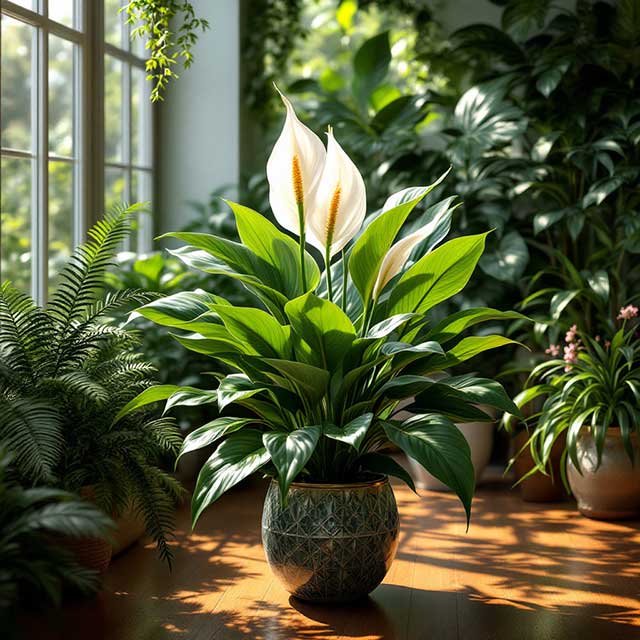
The peace lily is one of my favorite indoor plants because it’s low-maintenance and thrives with minimal effort. It’s perfect if you’re prone to forgetting a watering schedule since it signals its thirst by wilting slightly, making it easy to know when it needs care. It does well in indirect light, so you don’t need to place it right by a window. Plus, it’s great for air purification, which is a nice bonus if you’re spending a lot of time indoors.
Just keep it out of reach of pets and kids, as the leaves can be toxic if ingested.
English Ivy
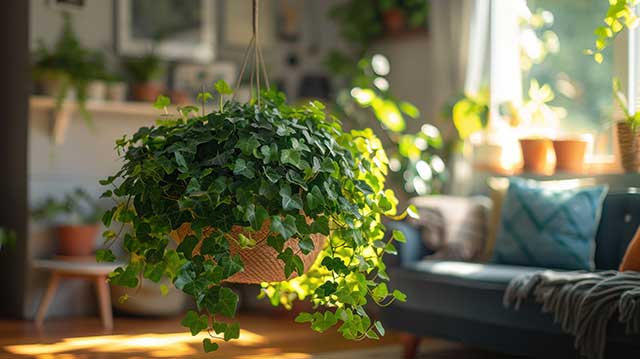
If you want to grow English ivy indoors, you’ll need to learn a few basics. Start by placing it somewhere with bright, indirect light—too much sun can scorch its leaves, but too little will cause it to struggle. Do you tend to overwater houseplants? With ivy, that’s a problem. Let the top inch of soil dry out before watering again, but don’t let it stay dry for too long either. Keep the room’s humidity level up, especially in winter when indoor heating dries the air. English ivy can be hung on topiaries or baskets, making it ideal for beautifying to your home.
English Ivy is toxic to dogs and cats,
The Weeping fig
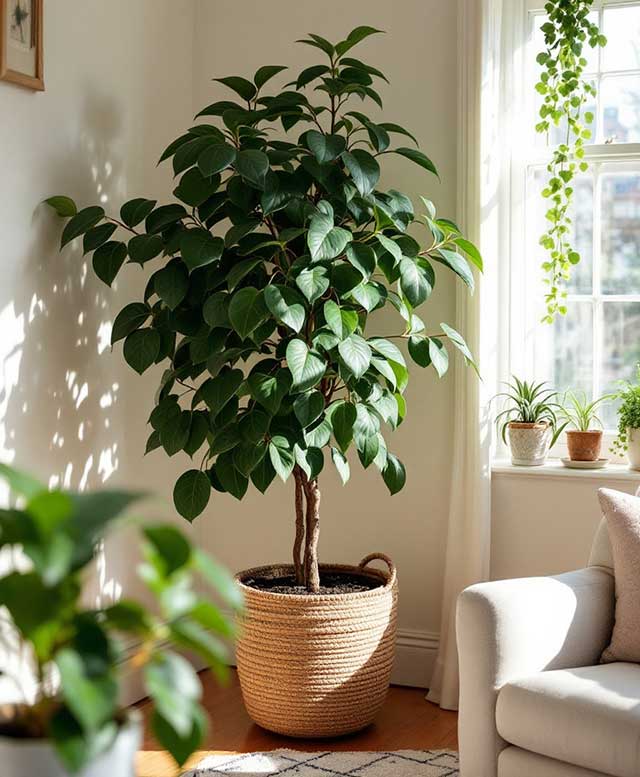
The weeping fig, or Ficus benjamina, is a popular indoor plant that’s both beautiful and relatively easy to care for. It has glossy green leaves and a graceful, drooping appearance, which adds a touch of elegance to any space. These plants thrive in bright, indirect light and need consistent watering—just make sure the soil isn’t soggy, as they hate sitting in water. If the leaves start dropping, don’t panic. It’s often caused by a change in light or moving the plant, and it usually bounces back. Want a healthier plant? Wipe the leaves occasionally to keep them dust-free and help it breathe better.
The Weeping fig is toxic to Cats and Dogs.
Use Herbs for an Indoor Garden
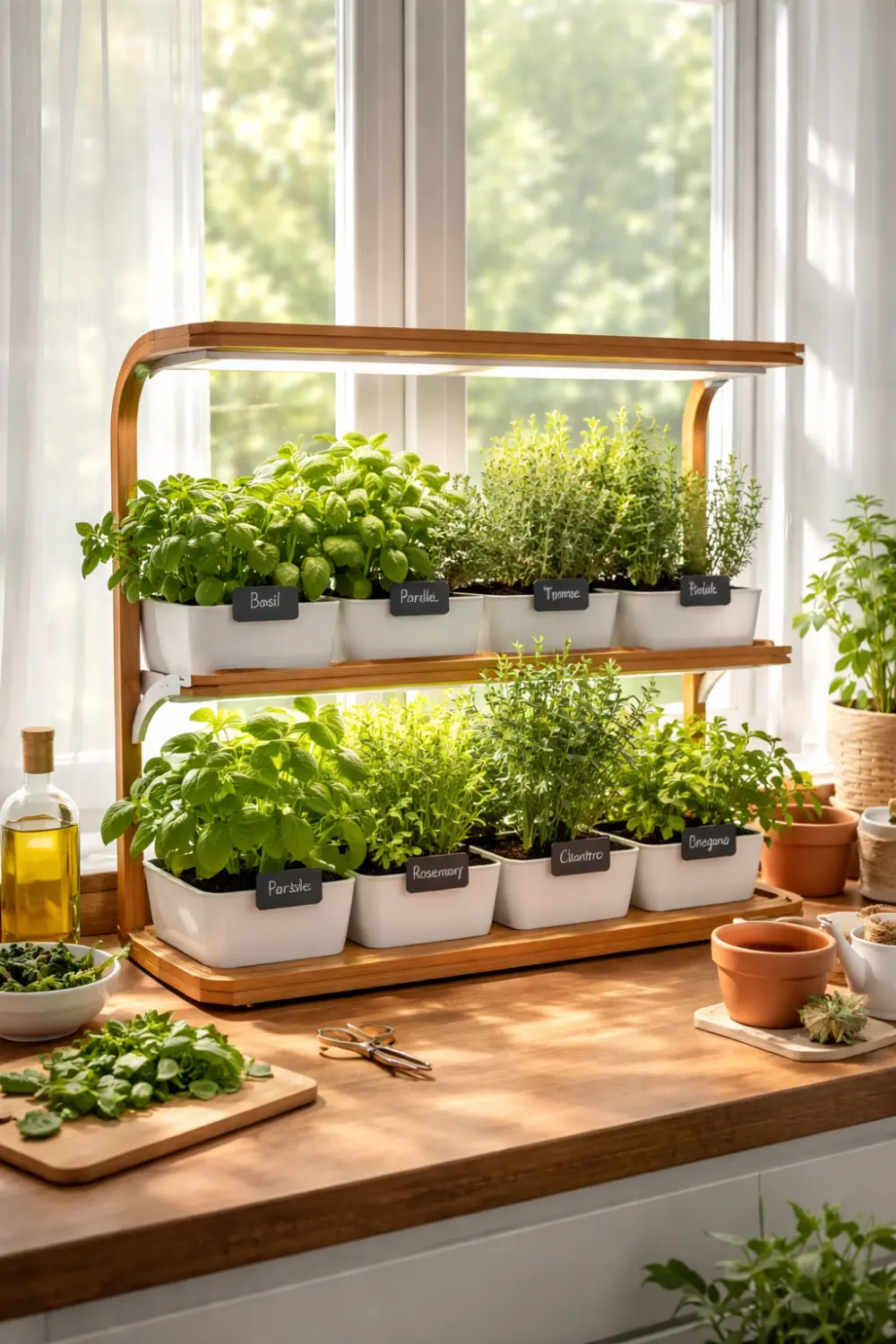
When it comes to indoor herbs, they require special maintenance care, but when you see them grow, the rewards are remarkable. For them to thrive properly and healthily, most varieties of herbs will need to be exposed to full sun for six hours every day. The soil will need to be enriched, and the container must have perfect drainage.
Some of the popular indoor herbs include lemongrass, which you can grow by cultivating a stalk in a container or pot with a few inches of water. The mint leaves are excellent for tea and must be grown separately from other herbs, as this variety of herb can be more invasive than the others.
Lemon Grass is toxic to dogs and cats, but they must ingest large quantities in order for them to get sick.
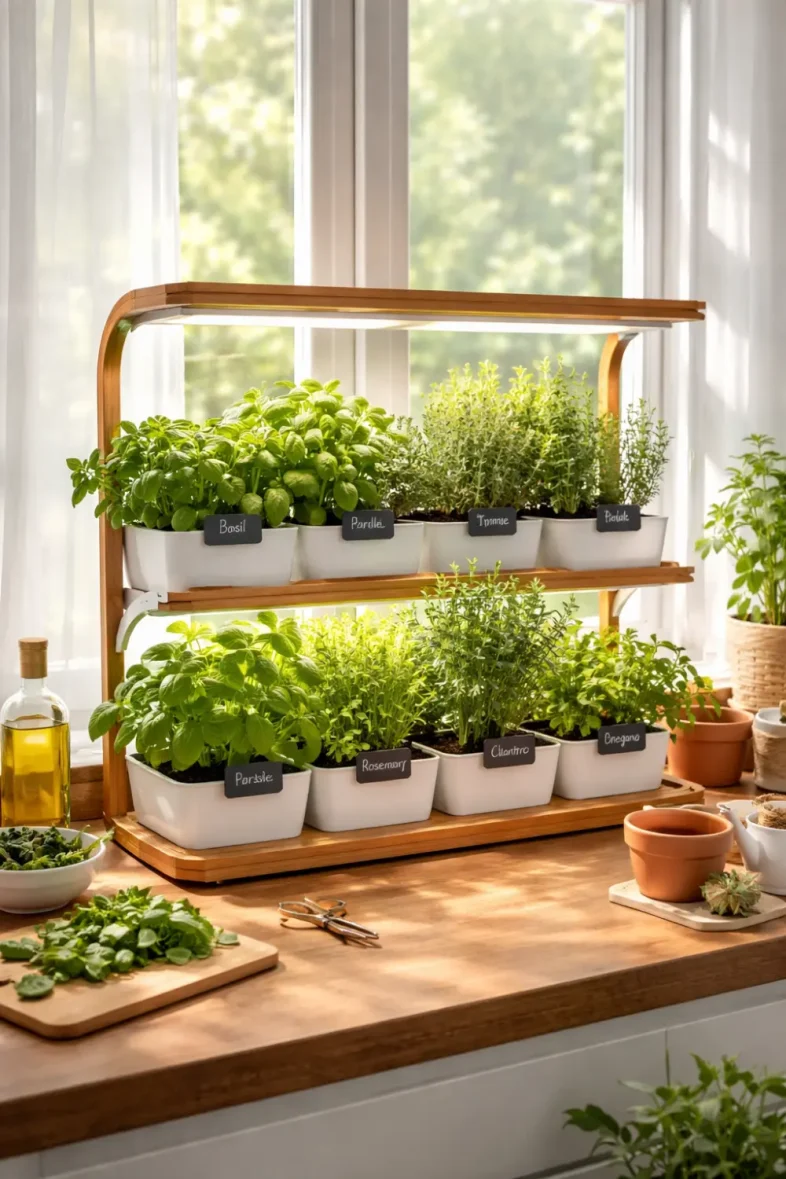
The chive, on the other hand, requires a lesser amount of light than the others, while the parsley and bay tree are both slow-growing herbs, but always worth your wait, as they are great herbs to have on hand for your cooking activities. There are other varieties of herbs that you can grow indoors, like sage, thyme, oregano, cilantro, basil, and rosemary.
Organic indoor gardening is such a wonderful and rewarding activity that anyone can have. With the many benefits it provides, there is no reason for you to procrastinate on this idea. You will definitely see it when you start to reap the full benefits.
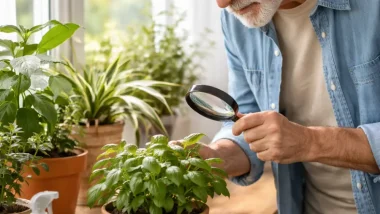
Keeping insects out of your indoor plants.
New to Southwest Gardening?
Stop wasting money on plants that will not survive our heat and drought.
My Southwest Gardening Made Simple eBook shows you which trees, shrubs, flowers, and vegetables actually thrive in New Mexico, Arizona, and West Texas.
The best plants for hot, dry climates
Common mistakes that kill Southwest plants
Easy-to-follow advice for beginners

Paul Guzman is a lifelong Southwest gardener and gardening writer with decades of experience helping homeowners grow beautiful landscapes in the desert Southwest. He writes for Guzman’s Garden Centers in Las Cruces, New Mexico, with contributing expertise from Gary Guzman, owner of Guzman’s Garden Centers. If you have any questions or enjoyed this post, feel free to share your thoughts in the comments below.