Last updated on August 21st, 2026 at 10:04 am
September is an interesting month for gardeners in Las Cruces. The afternoons can still be hot, but the mornings gradually become cooler, and we know fall is on its way.
This changing weather makes September a good month to refresh flower beds, start a fall vegetable garden, and add new trees or shrubs to your landscape. However, timing is important. Planting during the first week of September is much different from planting near the end of the month.
If temperatures are still reaching the mid-90s, you may want to wait before planting cool-season flowers. Trees, shrubs, and perennials can be planted earlier, provided they receive enough water while getting established.
Here is what you can plant in September in Las Cruces and other lower-elevation areas of southern New Mexico.
Plant Fall-Blooming Flowers
By September, many summer annuals begin to look tired. Petunias become leggy, vincas may develop bare areas, and container plants start showing damage from several months of intense heat.
You do not necessarily have to remove every summer flower immediately. Healthy vincas, lantanas, angelonias, and ornamental sweet potato vines may continue looking good until the first frost. Instead, remove only the plants that are declining and replace them as cooler weather arrives.
Some good flowers and foliage plants for September include:
Garden Mums
Garden mums are one of the most popular choices for early fall. They provide an instant display of yellow, orange, bronze, red, purple, pink, or white flowers.
Place mums in a sunny location and keep the soil evenly moist. A mum growing in a container may need water every day while temperatures remain hot.
Pansies and Violas
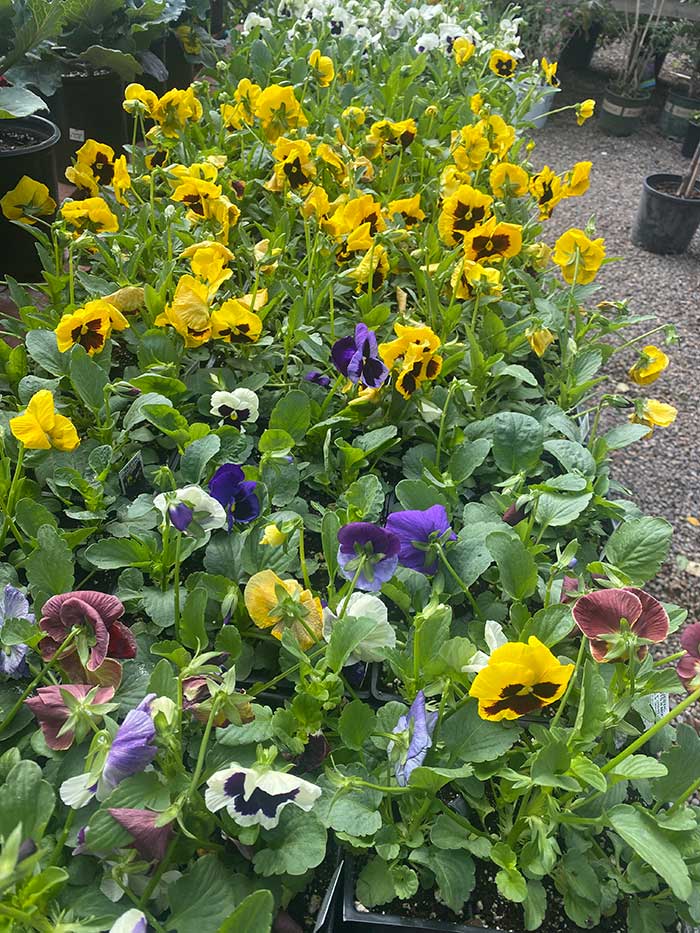
Pansies and violas provide color from fall through winter and into early spring. However, do not plant them too early if daytime temperatures are still high.
They perform much better when the days begin cooling down. In Las Cruces, this often means waiting until late September or October.
Snapdragons
Snapdragons are another excellent cool-season flower. They are available in dwarf, medium, and tall varieties and come in many colors.
Plant them in full sun or light afternoon shade. Snapdragons frequently survive our milder winter temperatures and produce another flush of flowers in early spring.

Dianthus
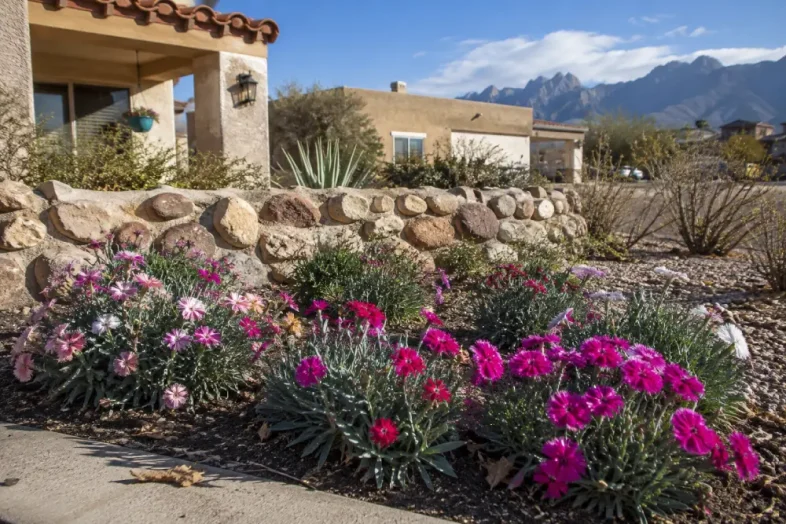
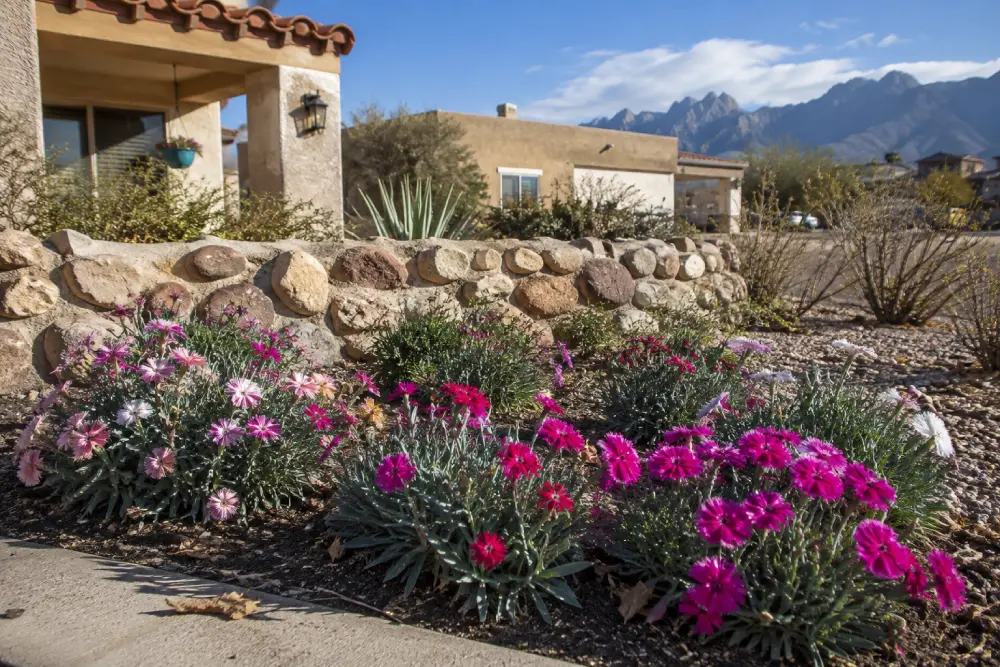
Dianthus is a compact flowering plant that works well along walkways, borders, and the front of garden beds. It tolerates cool temperatures and may continue blooming well into winter. Also called sweet williams. There are over 300 species of this plant.
Calendula
Calendula produces cheerful yellow and orange flowers. It enjoys cooler weather and is a good choice for flower beds, raised gardens, and decorative containers.
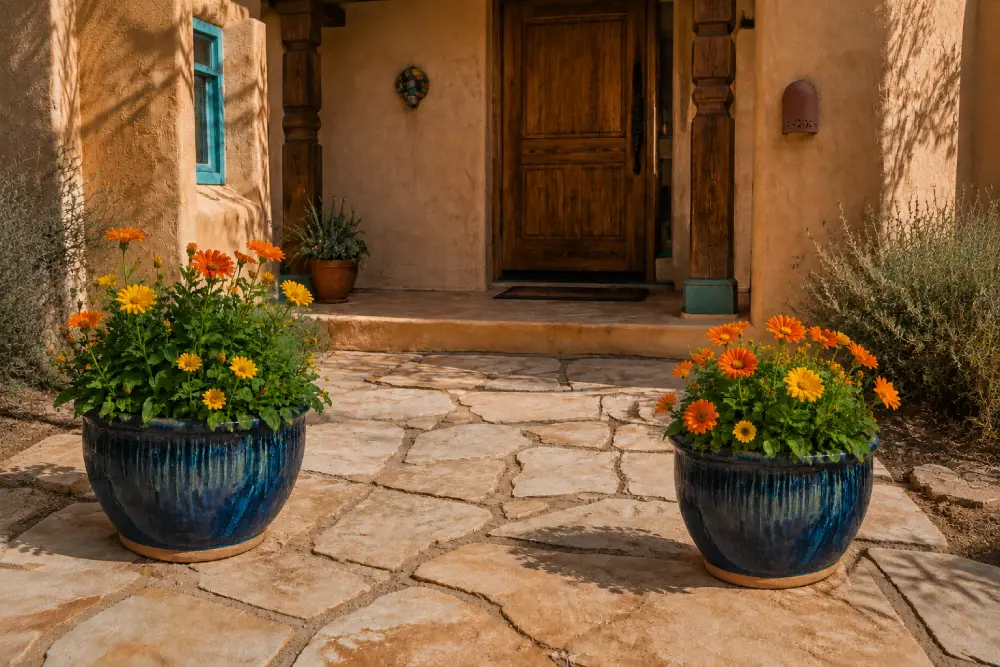
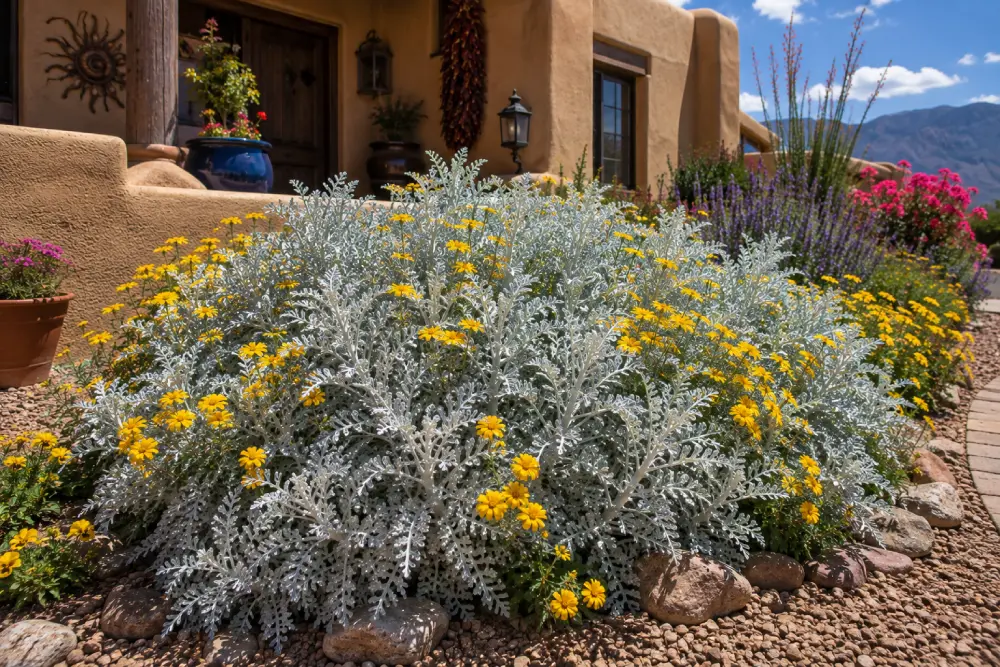
Dusty Miller
Dusty Miller is grown mainly for its soft, silver-gray foliage. It contrasts nicely with mums, pansies, snapdragons, and other colorful fall flowers.
Other good fall choices include ornamental kale, ornamental cabbage, alyssum, and stock.
Start a Fall Vegetable Garden
September is also a good time to begin growing cool-season vegetables. Unlike tomatoes, peppers, squash, and melons, these vegetables perform better as temperatures become cooler.
Good vegetables to plant include:
- Carrots
- Radishes
- Beets
- Turnips
- Spinach
- Swiss chard
- Kale
- Broccoli
- Cauliflower
- Cabbage
- Leaf lettuce
- Green onions
Carrots, radishes, beets, turnips, and spinach can be started directly from seed. Broccoli, cabbage, cauliflower, kale, and Swiss chard are often easier to establish from young transplants.
Do not plant everything on the same day. Plant a short row of radishes, carrots, or leafy greens and then plant another row about two weeks later. This is called succession planting, and it prevents your entire crop from becoming ready to harvest at once.
According to the NMSU Home Vegetable Gardening Guide, hardy cool-season crops can be planted during late summer for a fall harvest. NMSU also provides a detailed New Mexico planting and harvesting guide for home vegetable gardens.
Remember that September soil can still be very warm. Keep newly planted seeds consistently moist until they germinate. A light layer of compost or fine mulch can help prevent the surface from drying out too quickly.
Plant Cool-Season Herbs
Several herbs grow exceptionally well during the cooler months in southern New Mexico.
Try planting:
- Cilantro
- Parsley
- Chives
- Dill
- Thyme
- Oregano
- Rosemary
- Sage
Cilantro usually struggles during our summer heat because it bolts and produces flowers too quickly. Once temperatures cool down, it becomes much easier to grow.
Rosemary, thyme, oregano, and sage are perennial herbs. Plant them in soil that drains well and avoid keeping their roots constantly wet.
Parsley and cilantro can tolerate some frost. They can also be grown in containers and moved to a protected location during unusually cold weather.
September Is a Good Time to Plant Trees
Fall is one of the best times to plant many trees in Las Cruces. Cooler temperatures reduce stress on newly planted trees, while the soil remains warm enough for roots to continue developing.
Trees planted in September or October have several months to establish roots before the intense heat returns the following summer.
Some dependable choices for our area include:
- Chinese pistache
- Desert willow
- Chitalpa
- Vitex
- Arizona ash
- Lacebark elm
- Fruitless mulberry
- Afghan pine
- Live oak
- Red oak
- Pecan trees
- Fruit trees suited to southern New Mexico
Before buying a tree, consider its mature height and width. A small tree in a nursery container may eventually grow 30, 40, or even 50 feet tall.
Do not plant large shade trees directly against the house, underneath utility lines, or too close to block walls. Give the tree enough space to develop naturally.
After planting, water deeply around the root ball. Do not assume that cooler fall temperatures mean a newly planted tree no longer needs regular watering.
Add Shrubs and Perennials
September is also an excellent month to add shrubs and perennial plants. Fall planting gives their roots time to grow before summer temperatures return.
Good choices for sunny Las Cruces landscapes include:
- Texas sage
- Red yucca
- Autumn sage
- Rosemary
- Pyracantha
- Waxleaf privet
- Dwarf bottlebrush
- Apache plume
- Damianita
- Lavender
- Agastache
- Gaura
- Salvia
- Penstemon
Always check the mature size before planting. One of the most common landscaping mistakes is placing shrubs too close together. This may look good when the plants are small, but it creates an overcrowded landscape several years later.
Desert-adapted shrubs still need regular watering during their first year. Being drought tolerant does not mean a newly planted shrub can survive without water.
What Should You Avoid Planting in September?
September is not the best time to plant warm-season vegetables such as tomatoes, peppers, squash, cucumbers, or melons. There probably will not be enough warm weather remaining for them to mature before the first frost.
You should also be cautious when planting frost-sensitive tropical plants. Bougainvillea, hibiscus, tropical palms, and similar plants may not have enough time to become established before freezing weather arrives.
These plants can still be enjoyed in containers, but be prepared to protect or move them indoors when cold weather arrives.
September Planting Tips for Las Cruces
No matter what you plant, a few basic steps will improve your chances of success.
Plant During the Cooler Part of the Day
Plant early in the morning whenever possible. Avoid planting during the hottest part of the afternoon.
Water the Root Ball Thoroughly
Water the plant while it is still in its nursery container. Water it again immediately after planting to settle the soil around the roots.
Do Not Plant Too Deeply
The top of the root ball should be level with or slightly above the surrounding soil. Planting too deeply can suffocate roots and cause long-term problems.
Use Mulch
Apply two to three inches of mulch around trees, shrubs, flowers, and vegetables. Keep mulch several inches away from tree trunks and plant stems.
Mulch helps conserve moisture and protects roots from sudden temperature changes.
Be Careful With Fertilizer
Newly planted trees and shrubs usually do not need heavy fertilization. Their first job is to establish roots. Too much fertilizer may encourage tender growth that can be damaged by freezing temperatures.
Watch the Weather
September weather in Las Cruces can change quickly. We may experience hot afternoons, windy days, heavy monsoon rain, or an early cold front.
Check the soil regularly and adjust your watering according to the weather.
Take Advantage of the Fall Planting Season
September does not mean the gardening season is over. In many ways, it is the beginning of another planting season in southern New Mexico.
You can replace tired summer flowers, start a productive vegetable garden, add herbs, and plant trees or shrubs before winter arrives. Just remember that early September may still feel like summer, while the end of the month can feel much more like fall.
If you are unsure which plants are suitable for your yard, visit one of our two Guzman’s Garden Centers locations in Las Cruces. Our staff can help you select plants that will perform well in our local heat, soil, and winter temperatures.
Frequently Asked Questions
Is September a good time to plant in Las Cruces?
Yes. September is a good time to plant trees, shrubs, perennials, herbs, fall vegetables, and cool-season flowers. Wait until temperatures begin cooling before planting pansies and other flowers that dislike extreme heat.
What flowers can I plant in September in New Mexico?
Good choices include garden mums, pansies, violas, snapdragons, dianthus, calendula, Dusty Miller, ornamental kale, alyssum, and stock. In southern New Mexico, some cool-season flowers perform better when planted toward the end of September or in October.
What vegetables can I plant in September in Las Cruces?
You can plant carrots, radishes, beets, turnips, spinach, kale, Swiss chard, broccoli, cauliflower, cabbage, lettuce, and green onions. Plant seeds shallowly and keep the soil moist while they germinate.
Can I plant a tree in September?
Yes. September and October are excellent months for planting many trees in Las Cruces. The soil remains warm enough for root development, but the tree does not have to endure an entire summer immediately after planting.
How often should newly planted trees and shrubs be watered?
Water immediately after planting and keep the root ball evenly moist while the plant becomes established. The exact schedule depends on the plant, soil, temperature, wind, and irrigation method. Check the soil instead of watering only according to the calendar.
Is September too early to plant pansies?
It can be. If daytime temperatures remain in the 90s, pansies may struggle. They usually perform better when planted during late September or October, after the weather begins cooling.
New to Southwest Gardening?
Stop wasting money on plants that will not survive our heat and drought.
My Southwest Gardening Made Simple eBook shows you which trees, shrubs, flowers, and vegetables actually thrive in New Mexico, Arizona, and West Texas.
The best plants for hot, dry climates
Common mistakes that kill Southwest plants
Easy-to-follow advice for beginners

Paul Guzman is a lifelong Southwest gardener and gardening writer with decades of experience helping homeowners grow beautiful landscapes in the desert Southwest. He writes for Guzman’s Garden Centers in Las Cruces, New Mexico, with contributing expertise from Gary Guzman, owner of Guzman’s Garden Centers. If you have any questions or enjoyed this post, feel free to share your thoughts in the comments below.