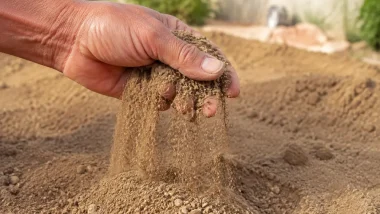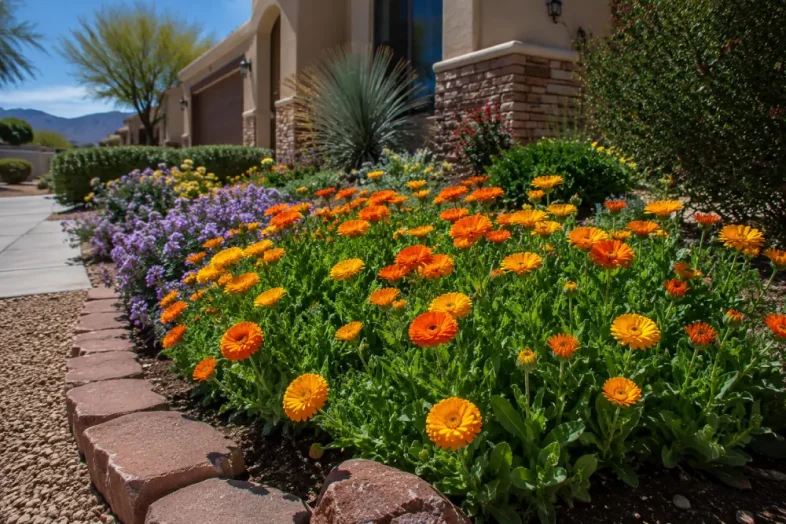
If you have lived in Las Cruces or the Desert Southwest for any length of time, you know that fall does not arrive overnight. August can still be extremely hot, and even September can give us plenty of 90-degree days. But eventually, you walk outside early one morning and notice something different. The air is a little cooler, the nights are longer, and those summer flowers that looked great in June are starting to look tired.
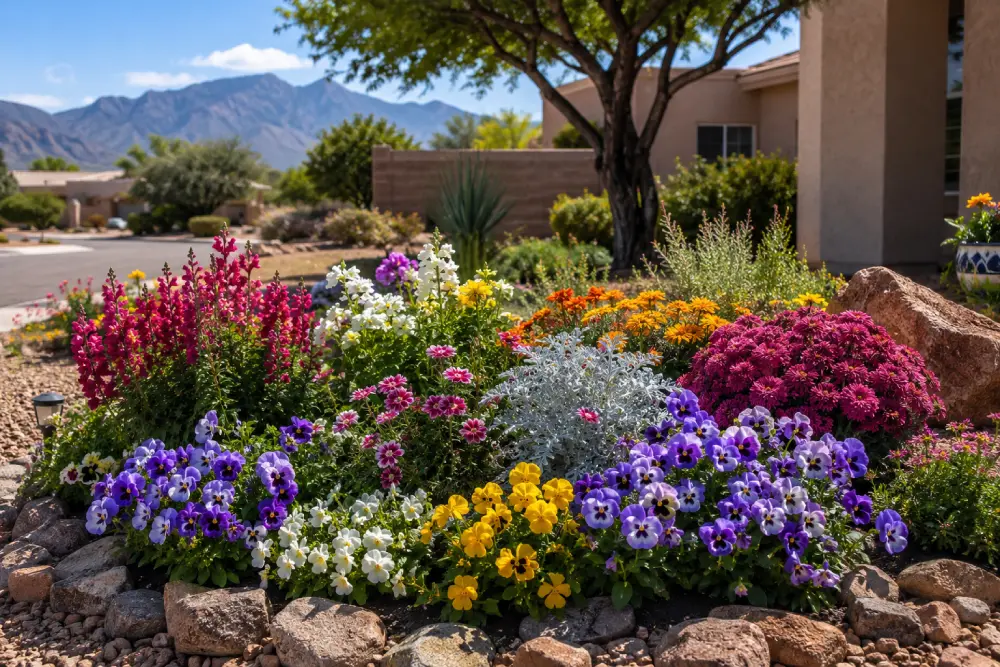
That is usually when I start thinking about fall flowers.
One of the nice things about gardening in southern New Mexico is that our growing season does not end when summer is over. In many ways, we are just getting started again. With the right flowers and a little planning, you can have plenty of color throughout the fall and, depending on the weather, well into winter and early spring.
The trick is not planting everything at the same time.
Some flowers can handle the heat of late August and September. Others will do much better if you wait until the daytime temperatures cool down.
Here are some of the best fall flowers for Las Cruces, southern New Mexico, and much of the Desert Southwest.
When Should You Start Planting Fall Flowers in Las Cruces?
This is probably one of the most common mistakes I see. We get one or two cooler mornings in August, and everyone starts thinking fall has arrived.
Then the temperature shoots right back up into the 90s.
Remember, the calendar may say fall is getting close, but your plants are more interested in the temperature than the date.
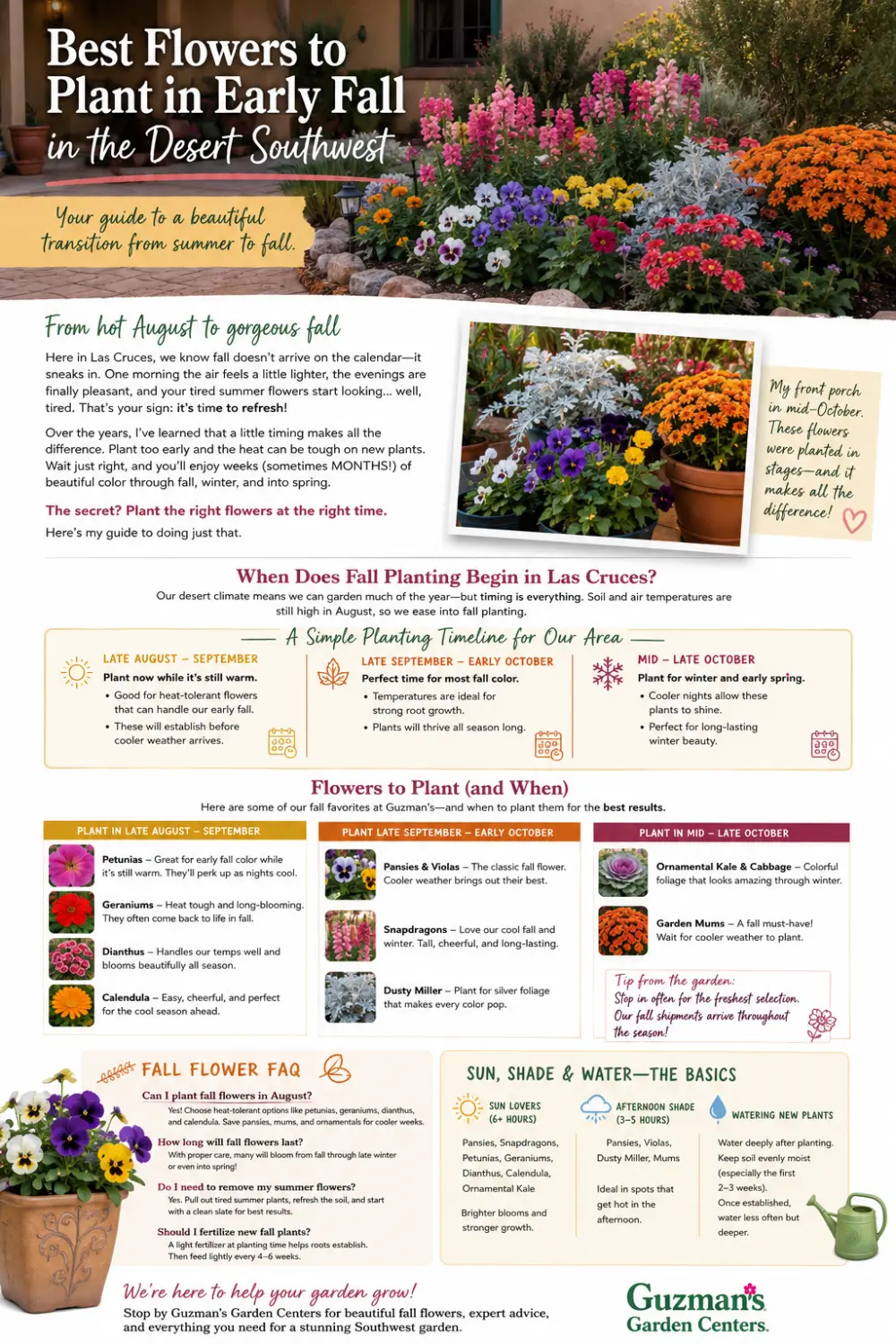
I like to think of fall planting in three stages.
Late August through September: Start with flowers that can tolerate some heat.
Late September into early October: Begin planting more traditional cool-season flowers as temperatures moderate.
Mid to late October: This is when our cool-season color really starts coming into its own.
You do not have to replace your entire flower bed at once. Remove the summer annuals that are struggling and replace them a few at a time. This gives the garden a more natural transition from summer into fall.
Petunias

Petunias are one of the first flowers I think about when we start transitioning into fall.
People sometimes think of petunias strictly as spring flowers, but they can give you another beautiful display during the fall in southern New Mexico.
They like plenty of sunlight, although a little afternoon shade can help when September temperatures are still high.
If you have petunias left over from summer that look tired, trimming them back and giving them some fertilizer may encourage another flush of flowers.
New plants can also be planted as temperatures begin cooling.
Petunias come in just about every color imaginable, which makes them easy to combine with other fall plants.
Geraniums
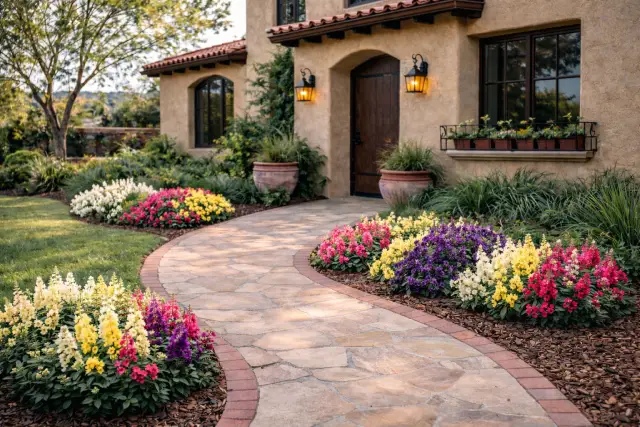
Geraniums have a hard time looking their best during the hottest part of a Las Cruces summer. Once temperatures start dropping, however, they often come back to life.
This is one reason I like them for early fall containers.
Red, pink, salmon and white geraniums look especially nice around patios and entryways.
Give them good drainage and plenty of light. If September is still hot, some afternoon shade will help.
Don’t over water them. Let the soil dry somewhat between waterings. How to make Geraniums bloom in hot climates.
Dianthus

Dianthus is one of my favorite cool-season flowers because it handles our Southwest climate surprisingly well.
The plants stay relatively low and produce lots of small flowers in shades of pink, red, white and combinations of these colors.
Dianthus works well along the front of flower beds, around walkways and in containers.
Once temperatures cool, the flowers become even more impressive. Established plants can tolerate considerably colder weather than many warm-season annuals.
Calendula
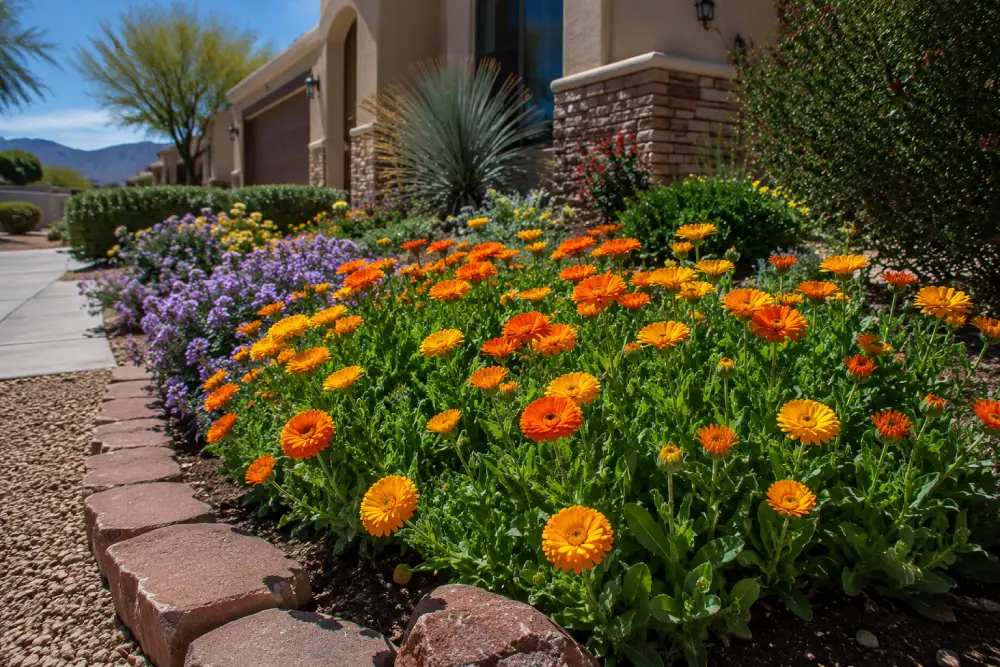
If you like bright yellow and orange flowers, give calendula a try.
Calendula prefers cooler weather, but you can begin working it into the garden as our late-summer temperatures start dropping.
The cheerful yellow and orange blooms work especially well with purple pansies, blue violas and silver Dusty Miller.
Plant calendula in good, well-drained soil and give it plenty of sunlight.
Pansies and Violas
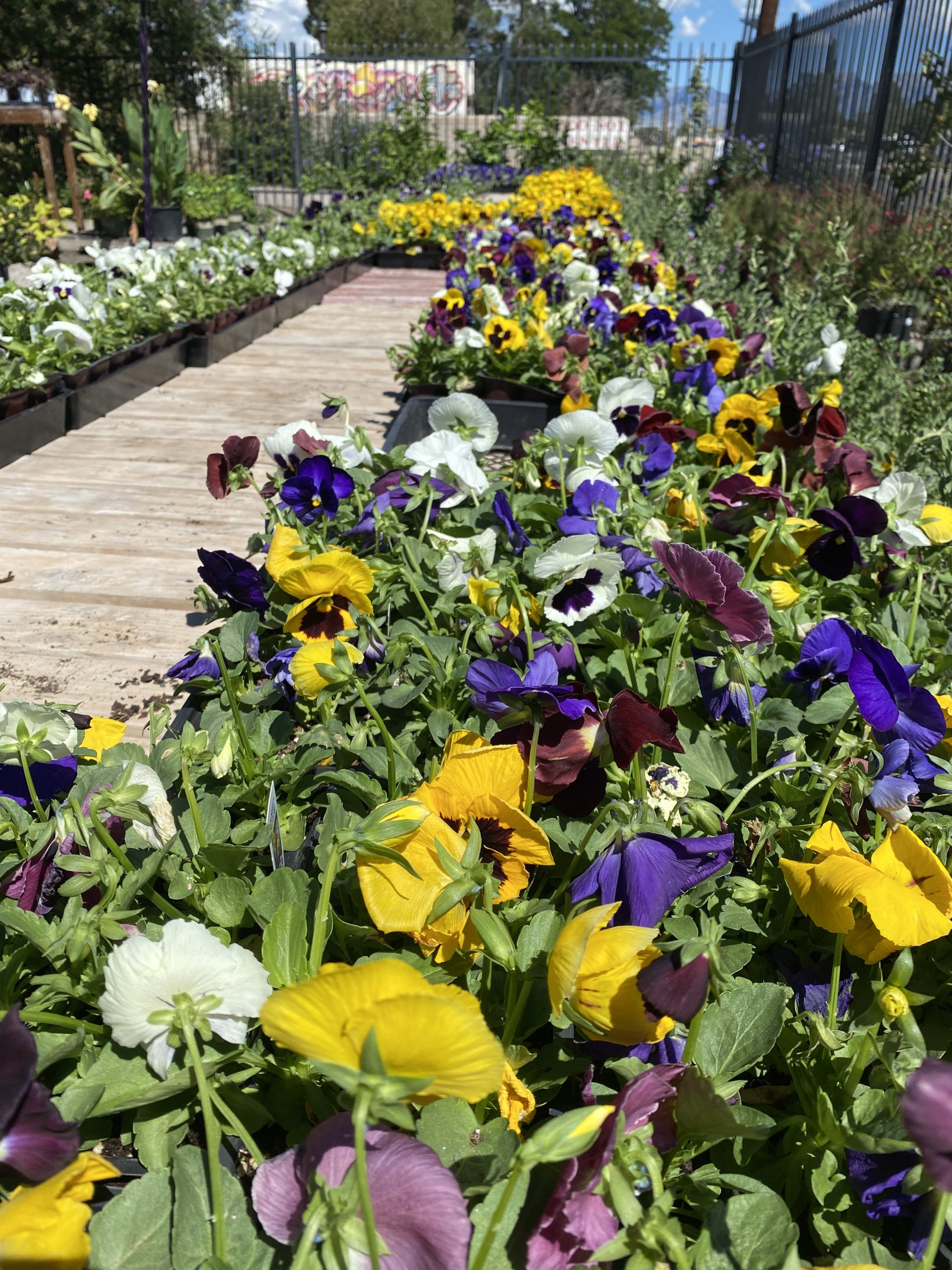
Now we get to the stars of the Southwest cool-season flower garden.
Pansies are everywhere once our weather cools down, and there is a good reason for that.
They love cool weather.
However, don’t get too anxious and plant them when it is still extremely hot outside. Pansies planted too early can struggle with our late-summer heat.
Wait until daytime temperatures become more comfortable and nighttime temperatures begin dropping.
Once established, pansies can handle surprisingly cold temperatures.
Violas are similar but have smaller flowers. What they lack in flower size they often make up for with the number of blooms.
I like mixing several colors instead of planting just one. Purple, yellow, white and blue combinations can completely change the appearance of a flower bed.
Snapdragons
Snapdragons are another excellent choice for fall planting in southern New Mexico.
They enjoy our cool fall weather and can continue flowering for a long time when properly cared for.
One advantage of snapdragons is height.
While pansies and dianthus stay relatively low, snapdragons add vertical color to the back or middle of a flower bed.
You will find dwarf varieties along with taller types, so check the plant tag before deciding where to plant them.
Give them good soil, adequate water, and plenty of sunlight once temperatures cool.
Dusty Miller
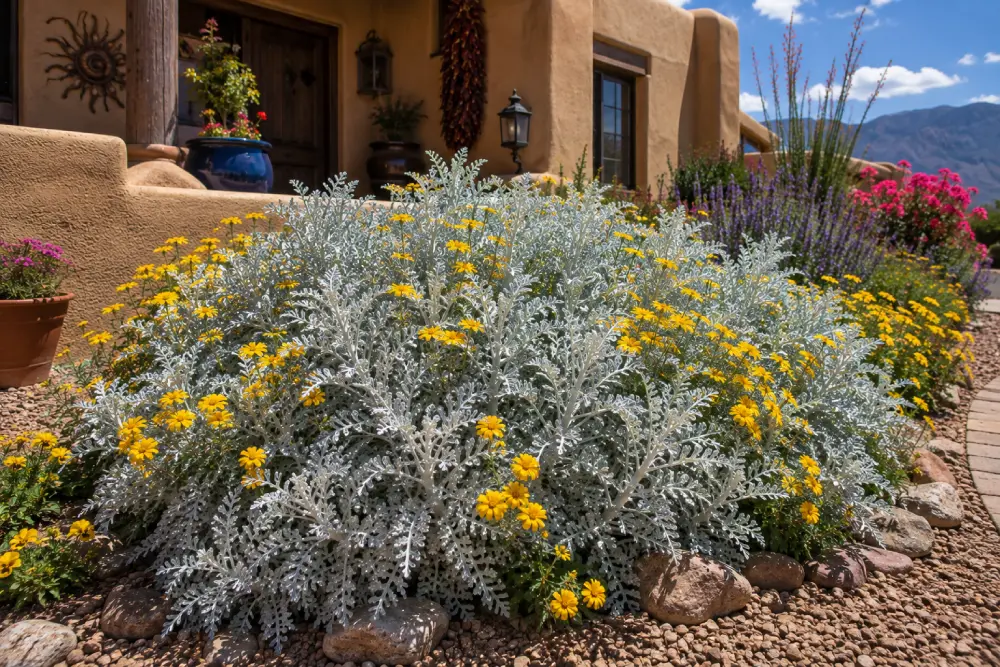
Dusty Miller is technically grown more for its foliage than its flowers, but I almost always consider it when talking about fall color.
The silver-gray foliage provides an excellent contrast against brightly colored flowers.
Try Dusty Miller behind red dianthus or alongside purple and yellow pansies. The silver foliage makes those colors stand out.
It also tolerates our dry Southwest air very well once established.
Garden Mums
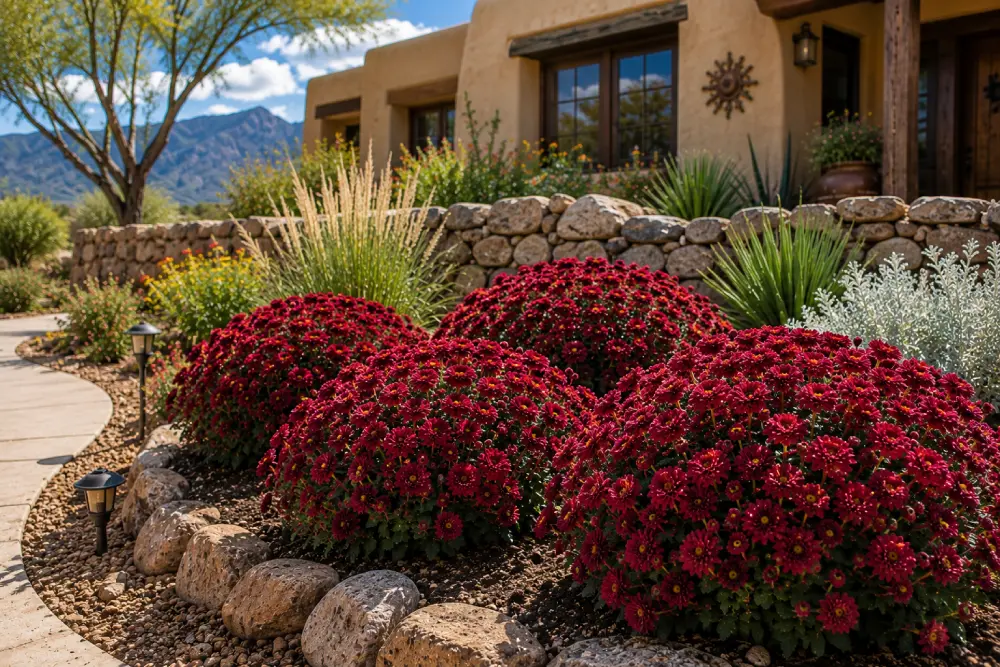
Nothing says fall quite like mums.
You will normally start seeing garden mums as fall approaches, and they are excellent for quickly adding color around patios, front doors and flower beds.
Yellow, orange, bronze, red, purple and white varieties are commonly available.
One thing I recommend is keeping newly purchased mums evenly moist. They can dry out surprisingly fast, especially when they are growing in containers.
Check the soil frequently rather than waiting until the plant begins wilting.
Ornamental Kale and Cabbage

These are plants I would wait a little longer to plant.
Ornamental kale and cabbage really begin looking their best once temperatures turn cold.
Their colorful centers can be purple, pink, red or white, surrounded by green foliage.
They look particularly good planted with pansies, violas and Dusty Miller.
Unlike many flowering plants, cold weather actually improves their appearance.
Don’t Remove Every Summer Flower
Another mistake is assuming that everything planted during spring or summer has to come out when fall arrives.
It doesn’t.
If your vinca, lantana, geraniums or other summer plants still look healthy, leave them alone.
Let them keep flowering.
Instead, remove individual plants as they decline and gradually replace them with cool-season flowers.
I prefer this method because you don’t suddenly go from a colorful garden to a completely empty flower bed.
The transition happens naturally.
Preparing Your Flower Bed for Fall
Before planting your new flowers, spend a little time improving the soil.
Our native soil around Las Cruces can be difficult. Some areas have heavy clay, while others are sandy or rocky.
Adding good-quality compost or planting mix helps improve both drainage and moisture retention.
Loosen the soil before planting and remove old roots and weeds.
You can also add a light application of flower fertilizer after the plants have had a chance to establish themselves.
Don’t overdo the fertilizer. More is not always better.
Watering Newly Planted Fall Flowers
Even though temperatures are cooling, newly planted flowers still need regular water.
Water thoroughly immediately after planting.
For the first couple of weeks, check the soil frequently. You want it moist around the new root system but not constantly soggy.
As the plants become established and temperatures continue dropping, you can gradually reduce the frequency.
Remember that plants growing in containers usually dry out faster than plants growing in the ground.
Sun or Shade?
Most fall flowers perform best with plenty of sunlight.
Pansies, snapdragons, dianthus, calendula and petunias will generally flower better with around six hours of sunlight.
However, our Southwest sun is different from the sun in many other parts of the country.
During September, a location receiving intense afternoon sun against a west-facing wall can still become extremely hot.
A little afternoon shade can make a big difference, especially when planting early in the season.
As temperatures cool later in fall, more direct sunlight becomes beneficial.
My Favorite Fall Flower Combination
If you are not sure what to plant together, keep it simple.
Try purple and yellow pansies along the front of the bed. Add pink or red dianthus behind them, followed by taller snapdragons toward the back.
Then add several Dusty Miller plants throughout the bed for silver contrast.
For containers, I like combining pansies or violas with Dusty Miller and a colorful garden mum.
You don’t need twenty different kinds of plants to make a flower bed look good. Sometimes three or four varieties planted in the right places look better than a little bit of everything.
Fall Gardening in the Desert Southwest
One thing I have learned after many years of gardening in southern New Mexico is that you can’t always follow gardening advice written for other parts of the country.
Our seasons are different.
While gardeners farther north are putting their gardens to bed for winter, we can still be planting flowers.
Fall is actually one of the most enjoyable gardening seasons we have. The days become more comfortable, plants require less water than they did during the extreme summer heat, and many flowers thrive in our cooler temperatures.
Just remember not to rush it.
Start with flowers that tolerate some heat, and gradually add pansies, violas, snapdragons and other cool-season plants as temperatures drop.
Before long, that tired-looking summer flower bed can be full of color again.
Frequently Asked Questions About Fall Flowers
What are the best flowers to plant in fall in New Mexico?
Pansies, violas, snapdragons, dianthus, petunias, geraniums, calendula and garden mums are all good choices for southern New Mexico. Ornamental kale, cabbage and Dusty Miller are also excellent for adding foliage color.
Can I plant pansies in August in Las Cruces?
It is usually better to wait. August temperatures in Las Cruces can still be extremely hot. Pansies perform much better when daytime and nighttime temperatures begin cooling.
What flowers can I plant in September?
Petunias, geraniums, dianthus and calendula can be good early-fall choices. As temperatures drop later in September, you can begin adding more cool-season flowers.
How long will fall flowers last in southern New Mexico?
It depends on the plant and the winter weather. Many cool-season flowers can continue blooming through fall and winter and may produce another strong flush of flowers in early spring.
Do pansies survive freezing temperatures?
Established pansies are remarkably cold tolerant. Severe freezes can temporarily damage flowers and foliage, but healthy plants often recover when temperatures warm.
Should I fertilize fall flowers?
Yes, but don’t overdo it. A light application of a balanced flower fertilizer after the plants become established can encourage healthy roots and continued flowering.
Do fall flowers need full sun?
Most cool-season flowering plants perform best with plenty of sunlight. During the warmer part of early fall, however, afternoon shade can help protect newly planted flowers from intense Southwest heat.
When should I replace my summer annuals?
There is no reason to remove healthy summer flowers simply because fall is approaching. Replace plants individually as they begin declining and gradually transition the bed to cool-season color.
A Final Fall Gardening Tip
Don’t worry about getting everything planted in one weekend.
Fall arrives gradually here in the Desert Southwest, and your flower garden can do the same.
Start cleaning up tired summer plants, improve your soil, and add fall flowers a few at a time as temperatures cool.
And if you’re not sure whether it is too early for pansies, snapdragons, mums or other fall flowers, stop by Guzman’s Garden Centers in Las Cruces. We can show you what is looking good and what is ready to plant right now.
Sometimes the best gardening calendar is simply looking at the weather outside.
- New Mexico State University – Gardening & Horticulture Publications
NMSU Gardening & Horticulture Publications - USDA Plant Hardiness Zone Map
USDA Plant Hardiness Zone Map
New to Southwest Gardening?
Stop wasting money on plants that will not survive our heat and drought.
My Southwest Gardening Made Simple eBook shows you which trees, shrubs, flowers, and vegetables actually thrive in New Mexico, Arizona, and West Texas.
The best plants for hot, dry climates
Common mistakes that kill Southwest plants
Easy-to-follow advice for beginners

Paul Guzman is a lifelong Southwest gardener and gardening writer with decades of experience helping homeowners grow beautiful landscapes in the desert Southwest. He writes for Guzman’s Garden Centers in Las Cruces, New Mexico, with contributing expertise from Gary Guzman, owner of Guzman’s Garden Centers. If you have any questions or enjoyed this post, feel free to share your thoughts in the comments below.