Have you ever planted a tree or shrub in the wrong spot? Maybe it’s growing too close to your house, blocking a walkway, or simply getting too large for the area. Now you’re wondering whether you can move it without killing it.
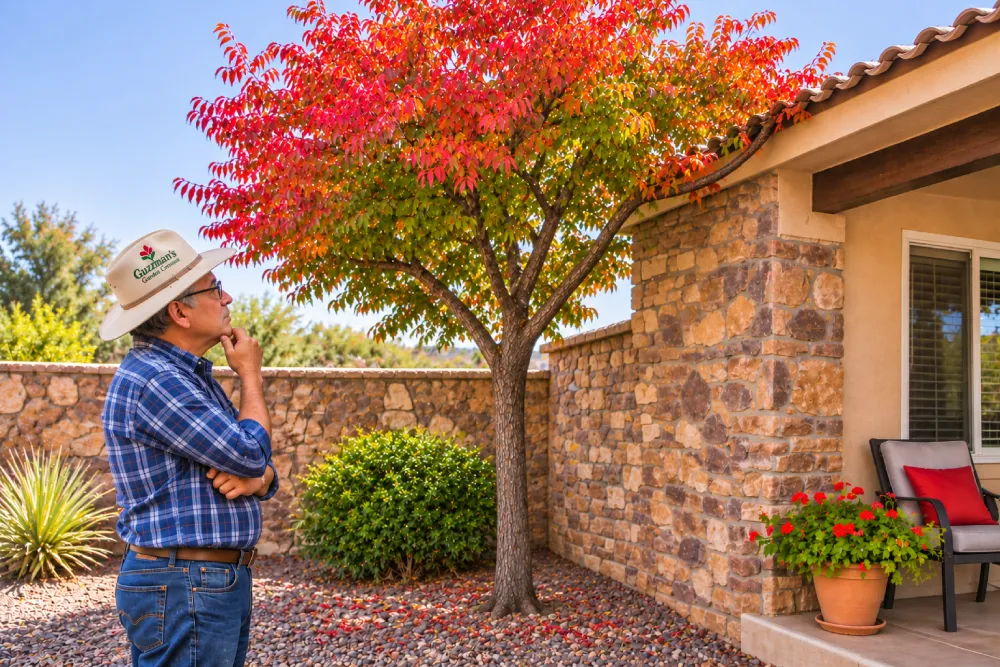
The good news is that many trees and shrubs can be transplanted successfully. However, knowing when to transplant trees and shrubs is just as important as knowing how to move them.
Here in Las Cruces, New Mexico, and throughout the Desert Southwest, we deal with hot summers, dry winds, occasional freezing temperatures, and soil that can be difficult to dig. All these conditions can affect how well a transplanted plant survives.
Some trees are best moved during the winter when they’re dormant. Others, including certain palms and desert plants, establish roots better when the soil is warm.
Let’s look at the best transplanting seasons and which plants prefer each one.
Why Does the Time of Year Matter When Transplanting?
When you dig up an established tree or shrub, you almost always lose part of its root system. Those roots are responsible for absorbing the water and nutrients the plant needs to survive.
Transplanting during the wrong season can cause unnecessary stress.
Here are a few things that happen when you transplant:
- Some roots are damaged or left behind.
- The plant may struggle to absorb enough water.
- Leaves may wilt, turn yellow, or drop.
- New growth may temporarily stop.
- The plant must grow new roots before it can fully recover.
Our intense summer heat makes this especially important. A tree that looks perfectly healthy in May may struggle if moved during a 105-degree afternoon in July.
My advice: Don’t move an established tree or shrub simply because you have the time. Choose the season that gives it the best opportunity to recover.
Best Time to Transplant Deciduous Trees: Winter
Deciduous trees lose their leaves during winter. Once the leaves have fallen, the tree enters dormancy, making this one of the best times to move it.
In Southern New Mexico, late November through February can be a good transplanting window, provided the ground is workable and the weather isn’t excessively cold.
During dormancy, the tree requires less water because it isn’t supporting a full canopy of leaves.
Trees that generally transplant best during dormancy include:
- Fruitless mulberry
- Arizona ash and other deciduous ash trees
- Raywood ash
- Chinese pistache
- Desert willow
- Crape myrtle
- Peach and plum trees
- Apple and pear trees
- Pecan trees
For many of these trees, late winter, before the buds begin opening, is especially good.
Pecan trees are a good example. New Mexico State University research on transplanting mature pecan trees explains why winter transplanting usually causes less water stress than moving them during summer.
What About Transplanting During December and January?
Yes, you can transplant many dormant trees during these months in Las Cruces.
However, avoid digging when the ground is frozen, excessively wet, or when a hard freeze is expected immediately afterward.
Remember that roots still need moisture during winter. Don’t assume a leafless tree doesn’t need water.
Shrubs That Prefer Fall, Winter, or Early Spring Transplanting
Many common landscape shrubs respond well to being moved during cooler weather.
Deciduous shrubs are usually best moved after leaf drop or before new spring growth begins. Evergreen shrubs generally do better in early fall or spring rather than the coldest part of winter.
Here are some examples:
| Plant | Preferred Transplanting Season |
|---|---|
| Roses | Late winter while dormant |
| Forsythia | Late fall or early spring |
| Rose of Sharon | Late winter or early spring |
| Spirea | Late fall or early spring |
| Red tip Photinia | Early fall or spring |
| Waxleaf privet | Early fall or spring |
| Euonymus | Early fall or spring |
| Boxwood | Early fall or spring |
| Pittosporum | Spring or early fall |
One thing I’ve noticed about older shrubs is that the larger they become, the more difficult they are to move. A small shrub may recover quickly, while an established shrub with a large root system may take a full growing season or longer to recover.
Trees and Shrubs That Prefer Warm-Season Transplanting
Now here’s where things get interesting.
Not every tree or shrub likes being transplanted during winter. Some plants develop new roots more quickly when the soil warms up.
That’s especially true for palms and certain desert plants.
Palm Trees: Late Spring Through Summer
Palm trees are one of the better examples of plants that respond well to warm-season transplanting.
Unlike ordinary deciduous trees, palms have a different root structure, and many species regenerate roots more actively in warm soil.
The University of Arizona Cooperative Extension recommends May through July as the best period for transplanting palms in the Southwestern United States.
Examples include:
- Mexican fan palm
- California fan palm
- Windmill palm
- Mediterranean fan palm
Of course, not all palms have the same cold tolerance. Select a species suitable for your local winter temperatures.
Important: Warm-season transplanting doesn’t mean a freshly moved palm should be left without water during the hottest part of summer. Newly transplanted palms need careful irrigation until their roots become established.
Cactus and Agave: Spring Through Early Summer
Cactus and agave plants are another group that can benefit from warm soil conditions.
For many desert cacti, spring through early summer is a good transplanting period because warmer soil encourages new root growth.
Examples include:
- Prickly pear cactus
- Barrel cactus
- Many landscape agaves
- Smaller yucca plants
However, don’t confuse warm-season transplanting with moving these plants during a severe heat wave.
I would rather move a cactus during mild May weather than during a scorching July afternoon.
Cacti also require special handling. Unlike most trees and shrubs, many cactus species should be transplanted into dry soil and allowed time for injured roots to heal before watering.
For more information, see the University of Arizona’s guide to transplanting cactus.
What About Citrus, Yellow Bells, and Other Cold-Sensitive Plants?
Cold-sensitive plants should generally be moved in spring after the danger of hard freezes has passed, rather than during winter.
Examples include:
- Lemon, lime, and other citrus trees
- Yellow bells (Tecoma stans)
- Bougainvillea
- Some cold-sensitive desert shrubs
For these plants, spring gives their roots a chance to establish before the next winter.
Here in Las Cruces, late March through May is often a reasonable period, depending on the weather and the particular plant.
Keep in mind that moving an established citrus tree is much more difficult than planting a container-grown citrus tree. Older trees can experience significant transplant shock, and citrus is vulnerable to winter freezes in Southern New Mexico.
Is Fall the Best Overall Time to Transplant Trees and Shrubs?
For many container-grown trees and established evergreen shrubs, fall is an excellent planting season in the Desert Southwest.
September through early November often provides cooler afternoons while the soil still holds some summer warmth.
This combination encourages root development without exposing foliage to the worst summer heat.
Trees and shrubs that may do well with early fall transplanting include:
- Junipers
- Arborvitae
- Waxleaf privet
- Photinia
- Euonymus
- Many established, cold-hardy evergreen shrubs
Keep in mind that evergreens continue losing moisture through their leaves during winter. Transplant them early enough to begin establishing roots before freezing weather arrives.
And remember, newly purchased container-grown plants are generally easier to transplant than established trees and shrubs that must be dug out of the ground.
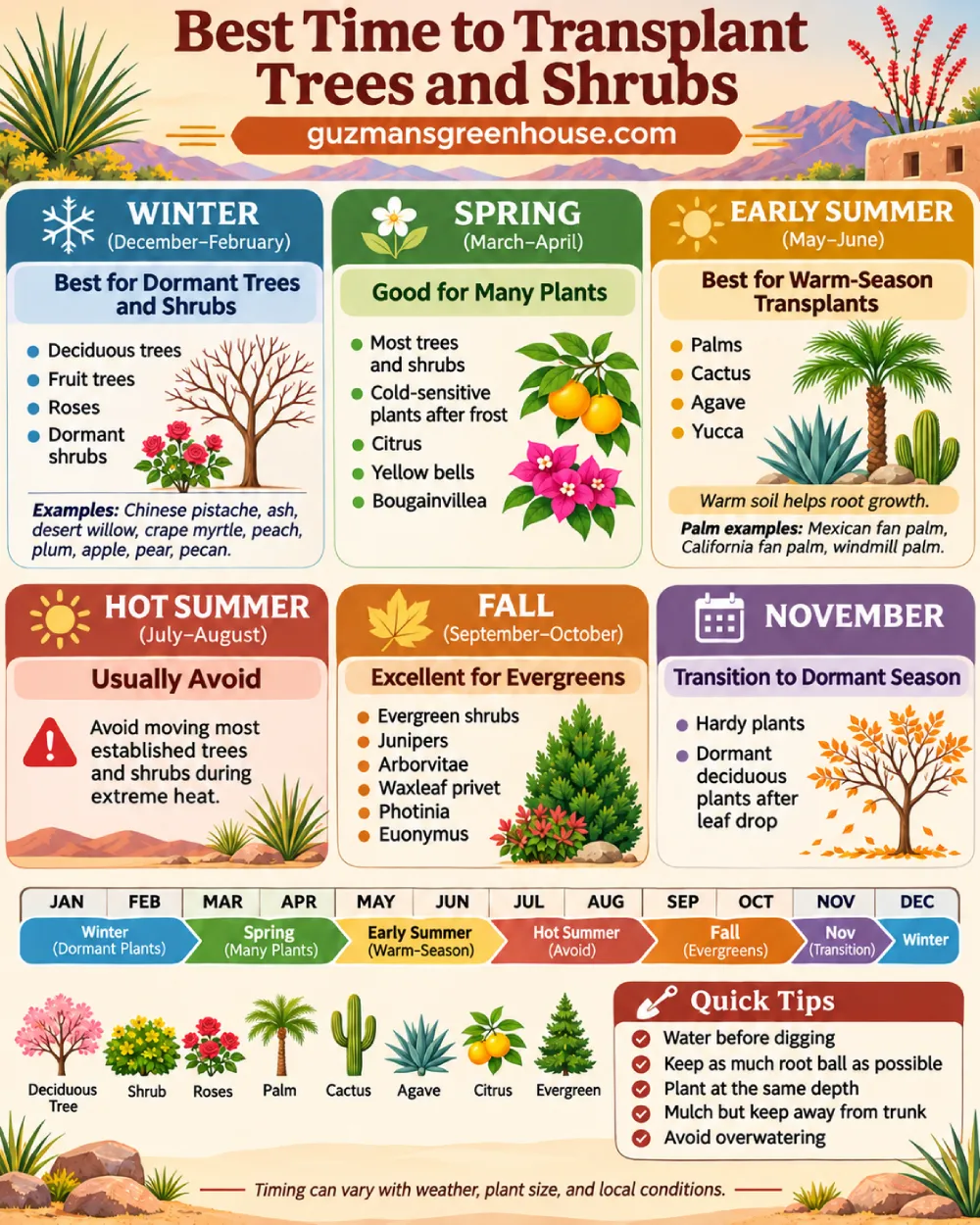
Southwest Tree and Shrub Transplanting Calendar
Here’s a quick reference guide for gardeners around Las Cruces, El Paso, and similar desert communities.
| Season | Best Choices |
|---|---|
| December–February | Dormant deciduous trees, fruit trees, roses |
| March–April | Most trees and shrubs, many desert plants, cold-sensitive plants after frost |
| May–June | Palms, cactus, agave, warm-season plants |
| July–August | Avoid moving most established trees and shrubs during extreme heat |
| September–October | Many evergreens, container-grown trees and shrubs |
| November | Dormant deciduous plants after leaf drop; hardy plants while conditions remain suitable |
These are general guidelines, not guaranteed planting dates. Elevation, local temperatures, plant size, and whether you’re moving a container-grown or established plant can change the best timing.
How to Transplant a Tree or Shrub Successfully
Choosing the right season is only half the job. How you move the plant makes a big difference.
1. Water Before Digging
For most ordinary trees and shrubs, water the soil a day or two before transplanting. Slightly moist soil is easier to work with and helps hold the root ball together.
Cactus and certain succulents are exceptions and need different handling.
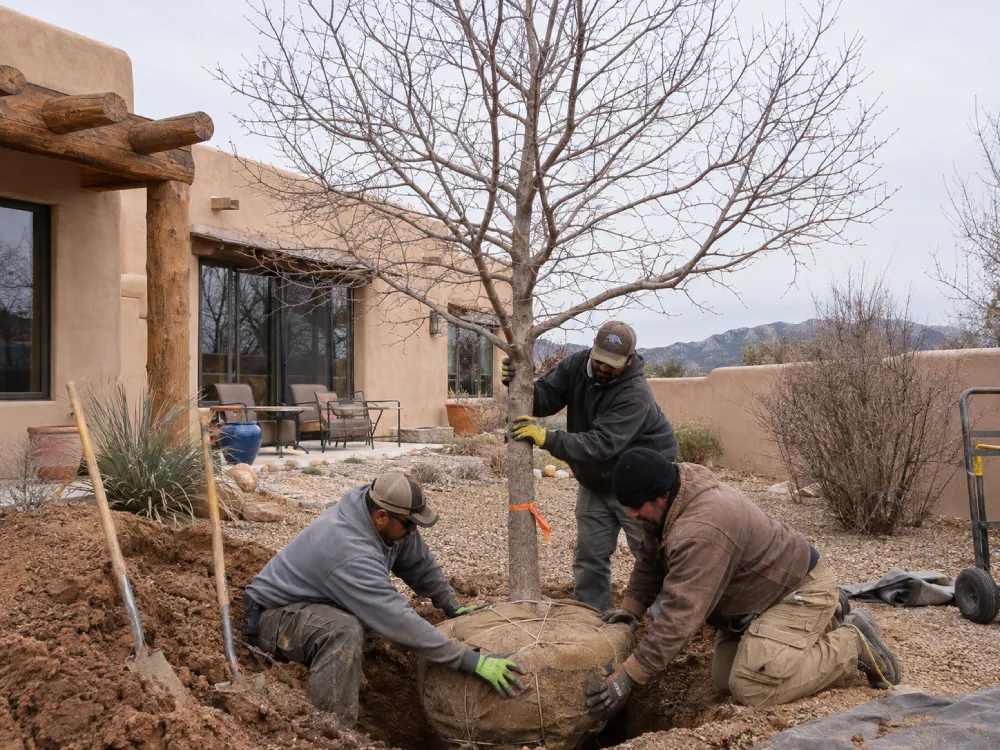
2. Keep as Much of the Root Ball as Possible
The biggest mistake is digging too close to the trunk.
Try to preserve a generous root ball with as many healthy roots as possible.
A large established tree may require professional moving equipment.
3. Prepare the New Hole First
Dig the new hole before removing the plant from its original location.
Make the hole roughly two to three times as wide as the root ball but no deeper than the root ball’s height.
The root flare should remain visible at or slightly above the surrounding soil level. Planting too deeply can lead to problems later.
4. Use the Existing Soil
Many gardeners believe they need to fill the entire hole with compost, potting soil, or fertilizer.
In most situations, using the existing native soil is better.
You can improve the surrounding landscape soil when needed, but avoid creating a small pocket of overly rich soil that discourages roots from growing outward.
5. Water Thoroughly After Planting
For ordinary trees and shrubs, slowly water the entire root ball after transplanting.
Check moisture regularly and adjust watering according to the weather, soil type, and drainage.
Don’t keep the soil constantly soggy. Roots need oxygen, too.
6. Add Mulch and Give the Plant Time
A layer of organic mulch around the root zone helps reduce moisture loss and moderate soil temperatures.
Keep mulch several inches away from the trunk.
Avoid heavy pruning or fertilizing immediately after transplanting. Remove broken branches when necessary, but otherwise allow the plant time to recover.
Common Transplanting Mistakes to Avoid
Even when gardeners choose the right season, problems can happen.
Here are a few mistakes I would avoid:
- Moving a large tree during extreme summer heat.
- Allowing the exposed root ball to dry out.
- Planting the tree deeper than it originally grew.
- Adding too much fertilizer immediately after transplanting.
- Over-watering in poorly draining soil.
- Moving a stressed or diseased plant unnecessarily.
- Planting too close to walls, sidewalks, or underground utilities.
That last mistake is especially common.
Before you move a shrub or tree, consider its mature height and width. You don’t want to transplant it again three years later because it’s growing against your home.
Frequently Asked Questions About Transplanting Trees and Shrubs
1. Can I transplant a tree during winter in New Mexico?
Yes. Winter is an excellent time to transplant many deciduous trees while they’re dormant. Avoid frozen ground and severe weather.
2. What is the best month to transplant trees in Las Cruces?
For deciduous trees, January and February are often good choices. Many evergreen trees establish well in early fall or spring.
3. Can I transplant shrubs during summer?
You can, but summer transplanting is risky in the Desert Southwest. Small container-grown shrubs are generally easier to move than established shrubs.
4. Why are palms better transplanted during warmer months?
Many palms regenerate roots faster when soil temperatures rise. This helps them establish after being moved.
5. Should I fertilize immediately after transplanting?
Usually not. Focus on proper watering and root recovery before introducing fertilizer.
6. Can I move an established rose bush in January?
Yes. January is often a good time to move dormant rose bushes in Southern New Mexico, provided the soil is workable.
7. How long does transplant shock last?
It depends on the plant and how much root damage occurred. Smaller plants may recover within weeks, while larger trees can require one or more growing seasons.
8. Can I transplant a fruit tree while it’s flowering?
It’s better to move deciduous fruit trees while they’re dormant, before flowering begins.
9. Can I move a mature juniper tree?
Possibly, but established junipers can be difficult to move because of their extensive root systems. Large specimens may not survive transplanting even with good care.
10. What is the biggest cause of transplant failure?
Excessive root loss, poor watering, extreme weather, and incorrect planting depth are among the most common causes.
Final Thoughts: Choose the Right Season Before Moving Your Plants
Transplanting trees and shrubs isn’t something you should rush.
In the Desert Southwest, winter is often best for dormant deciduous trees, early fall and spring work well for many evergreens, and late spring through early summer is better for certain palms and desert plants.
If you’re moving a small shrub, the job may be relatively simple. Moving a large established tree is another story.
My advice is to plan ahead, choose a suitable location, and make sure you have enough room for the plant to reach its mature size.
If you’re unsure which trees or shrubs will do best in your landscape, stop by Guzman’s Garden Centers in Las Cruces, New Mexico. We can help you choose plants suitable for our Southwest growing conditions.
And remember, sometimes replacing an older, poorly located shrub is a better choice than trying to transplant it.
New to Southwest Gardening?
Stop wasting money on plants that will not survive our heat and drought.
My Southwest Gardening Made Simple eBook shows you which trees, shrubs, flowers, and vegetables actually thrive in New Mexico, Arizona, and West Texas.
The best plants for hot, dry climates
Common mistakes that kill Southwest plants
Easy-to-follow advice for beginners

Paul Guzman is a lifelong Southwest gardener and gardening writer with decades of experience helping homeowners grow beautiful landscapes in the desert Southwest. He writes for Guzman’s Garden Centers in Las Cruces, New Mexico, with contributing expertise from Gary Guzman, owner of Guzman’s Garden Centers. If you have any questions or enjoyed this post, feel free to share your thoughts in the comments below.