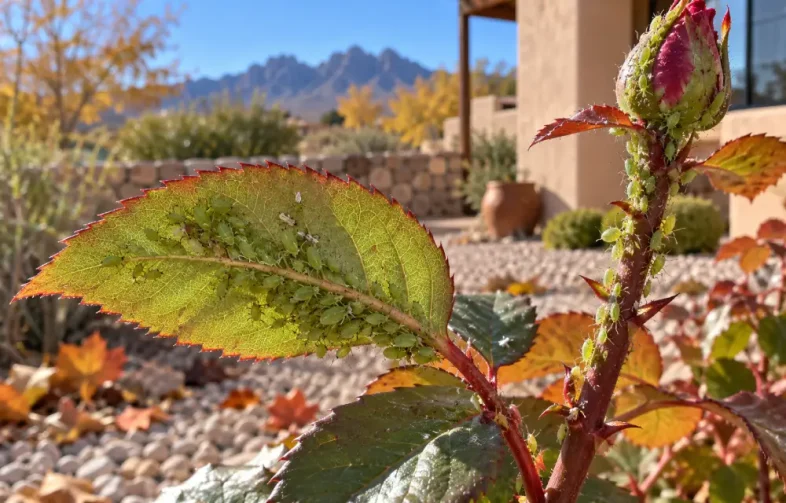
It is the middle of October, and the temperatures are finally starting to cool down here in Las Cruces, New Mexico. But why are insects in fall still so active around our gardens? The mornings are cooler, the evenings are more comfortable, and our plants are getting a little relief from the intense summer heat.
But wait a minute! Why are there still so many insects flying and crawling around our gardens?
You would think that after a few chilly nights, these pesky insects would disappear. Unfortunately, that is not how it works in the Desert Southwest.
The truth is that many garden insects remain active well into October and sometimes November. Some even survive throughout the winter, especially when we experience long stretches of mild weather.
Let’s look at why this happens and what you can do to protect your flowers, vegetables, shrubs, and trees.
Insects and Diseases on Plants
Cooler Nights Don’t Always Mean Fewer Insects
One thing we know about gardening in southern New Mexico is that our daytime and nighttime temperatures can be very different.
We might wake up to a chilly morning and enjoy temperatures in the 70s or even 80s by the afternoon.
For many insects, that is still warm enough to move around, feed, and sometimes reproduce.
Insects are cold-blooded animals, meaning their body temperatures depend largely on their surroundings. When temperatures drop, most insects become less active. However, when the afternoon sun warms things up, many start moving again.
That is why you might notice very few insects early in the morning but see them flying around your flowers and shrubs later in the day.
A few cool nights won’t necessarily eliminate your insect problems.
1. Aphids Love Our Cooler Fall Weather
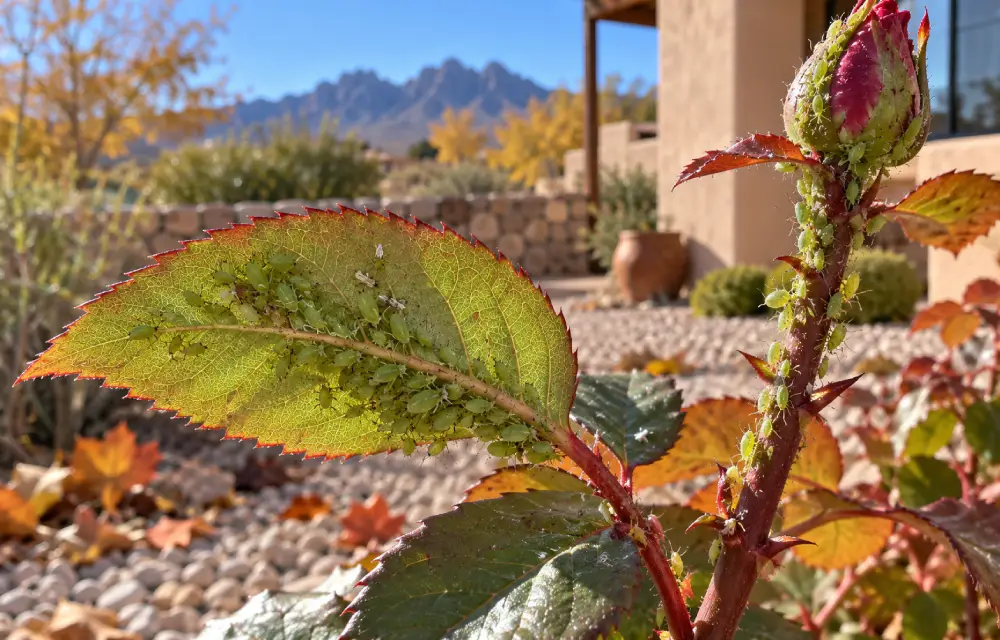
Aphids are among the garden pests worth watching during the fall months.
These tiny, soft-bodied insects are commonly found on new growth, flower buds, and underneath leaves.
They may be green, yellow, black, or brown, depending on the species.
Surprisingly, some aphids do very well during mild fall weather. In fact, extremely hot summer temperatures can slow the reproduction of certain aphid species.
Once the temperatures become more comfortable, their populations may increase again.
Plants to inspect during fall:
- Roses and other flowering shrubs
- Pansies and violas
- Kale, cabbage, and broccoli
- Young vegetables and tender new plant growth
Look for clusters of insects, curling leaves, and a sticky substance called honeydew.
What should you do?
Start by spraying the affected plants with a firm stream of water. Many times, this is enough to knock aphids off the foliage and keep small infestations under control.
For persistent problems, insecticidal soap may help when used according to the product label.
Remember, a few aphids do not necessarily mean your plants need spraying.
2. White Flies Can Still Be a Problem
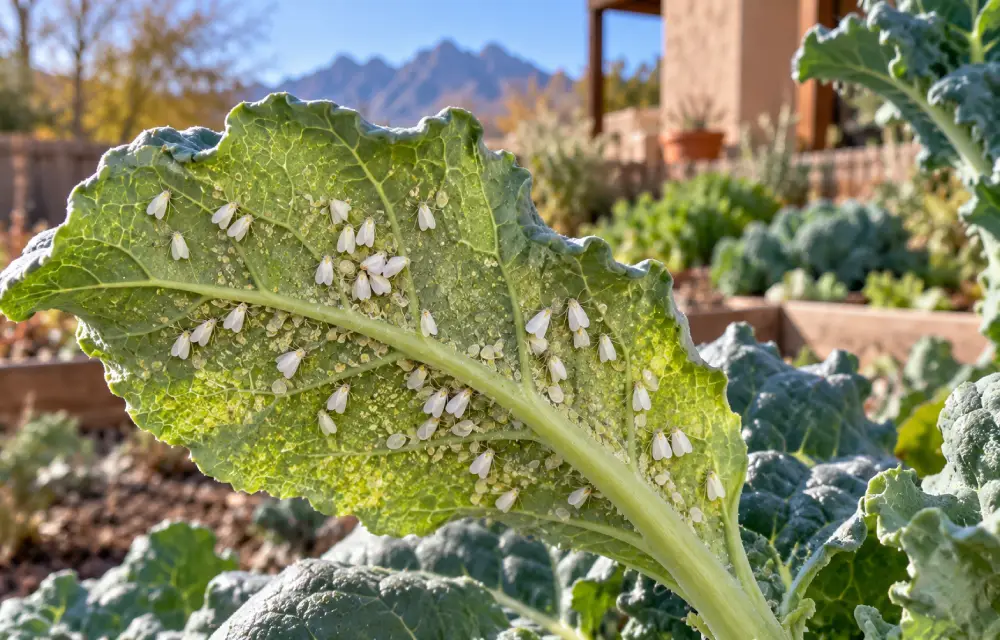
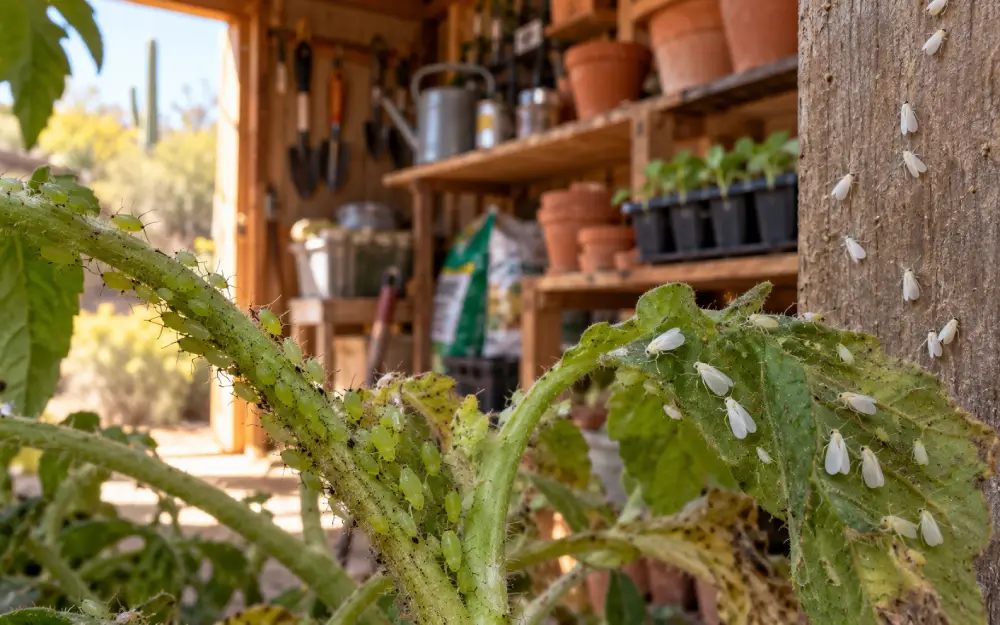
“Whiteflies feeding on the underside of a kale leaf in a winter vegetable garden in Las Cruces, New Mexico.”
Have you ever brushed against a plant and noticed dozens of tiny white insects flying into the air?
Those are probably whiteflies.
Whiteflies are common pests in warm climates, including southern New Mexico. They tend to gather underneath leaves, where they feed on plant sap.
You might find them on lantana, flowering annuals, vegetables, and other tender plants.
Although cooler temperatures eventually slow them down, protected locations and warm afternoons can allow them to remain active well into the fall.
Signs of whiteflies include:
- Tiny white insects flying when the plant is disturbed
- Yellowing or weakened leaves
- Sticky residue on foliage
- Black sooty mold growing on honeydew
Before reaching for an insecticide, check underneath the leaves to see how serious the infestation is.
Yellow sticky traps can help you monitor adult whiteflies. Insecticidal soap or horticultural oil may help control exposed insects, but thorough coverage and repeat monitoring are often necessary.
Be sure the product is labeled for the plant you are treating.
3. Spider Mites May Still Be Hiding in Your Plants
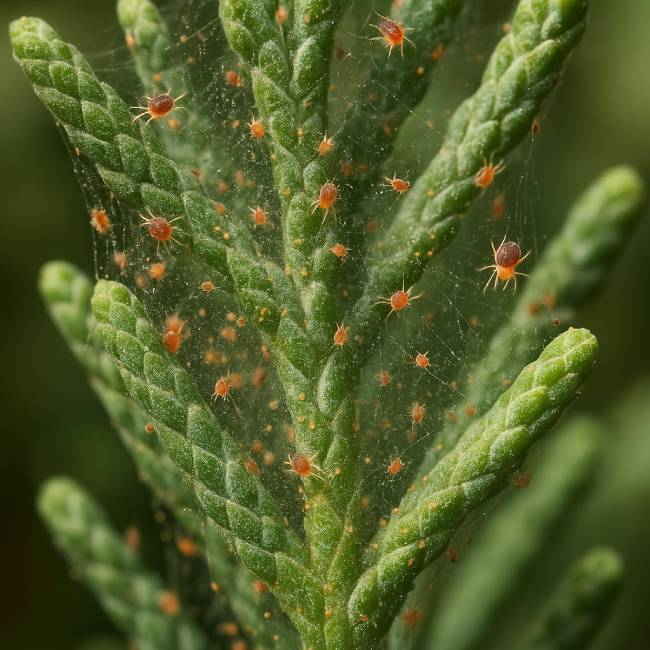
Spider mites are not actually insects. They belong to the arachnid family, along with spiders and ticks.
However, they are one of the most troublesome pests gardeners encounter in the Desert Southwest.
Spider mites generally prefer hot, dry conditions, but populations can linger during warm fall weather, especially on plants growing in protected areas.
They are extremely small and difficult to see without magnification.
Instead of looking for the mites themselves, watch for:
- Tiny yellow or pale spots on leaves
- Foliage that looks dusty or faded
- Fine webbing between leaves and stems
- Leaves turning bronze or dropping prematurely
Junipers, ornamental shrubs, vegetables, and container plants can all experience problems with certain mite species.
A strong spray of water can help reduce some infestations. If treatment becomes necessary, use a product specifically labeled for spider mites.
Not every insecticide controls mites, and some broad-spectrum products can make the problem worse by eliminating their natural predators.
4. Mosquitoes Don’t Disappear After Summer
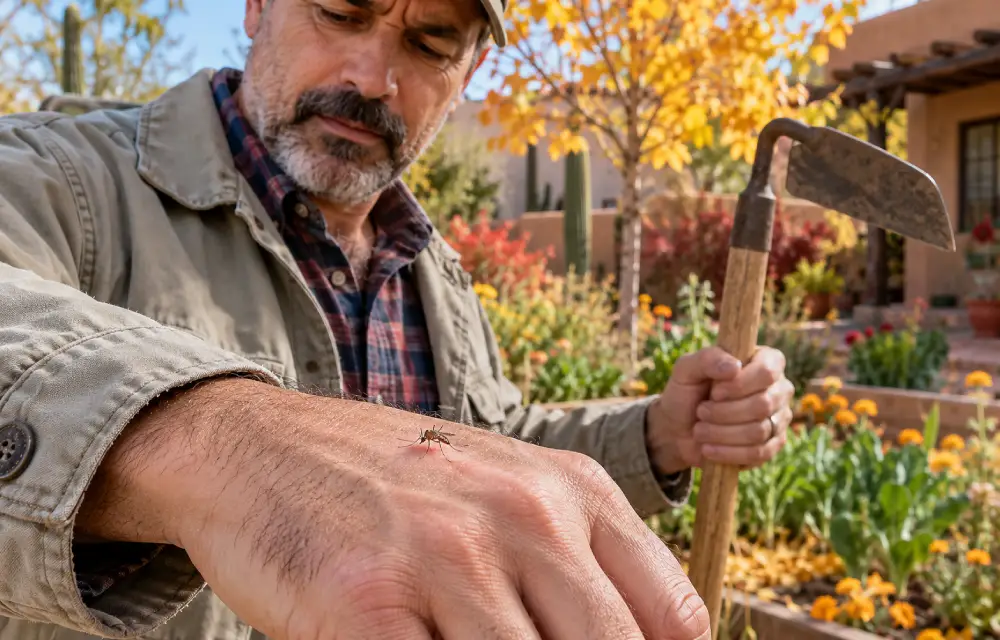
One question we hear during warm fall weather is why mosquitoes are still biting.
Many people associate mosquitoes with the hot summer months. However, mosquitoes can remain active when conditions are suitable.
In Las Cruces, mosquitoes may breed in standing water around homes, especially after rainfall or where irrigation water collects.
Even a small amount of standing water can become a breeding location.
Check for water in:
- Plant saucers
- Buckets and watering cans
- Clogged rain gutters
- Birdbaths
- Old containers around the backyard
Empty unnecessary standing water regularly, preferably at least once a week, and refresh birdbath water frequently.
Our cooler fall weather will eventually reduce mosquito activity, but a few mild afternoons can keep them around longer than expected.
5. Ants Are Still Searching for Food
If you notice ants marching across your patio, driveway, or flower beds during October, don’t be surprised.
Ant colonies do not simply disappear when summer ends.
Many continue searching for food during warm weather. Some ants may even become more noticeable as they gather food or move between sheltered nesting locations.
In the garden, ants are not always harmful.
However, certain ants protect aphids and other sap-feeding insects because they feed on the sweet honeydew those pests produce.
If you see ants traveling up and down your roses or shrubs, look closely for aphids or scale insects.
Eliminating the honeydew-producing pests may help reduce the ants’ interest in those plants.
6. Grasshoppers and Caterpillars May Continue Feeding
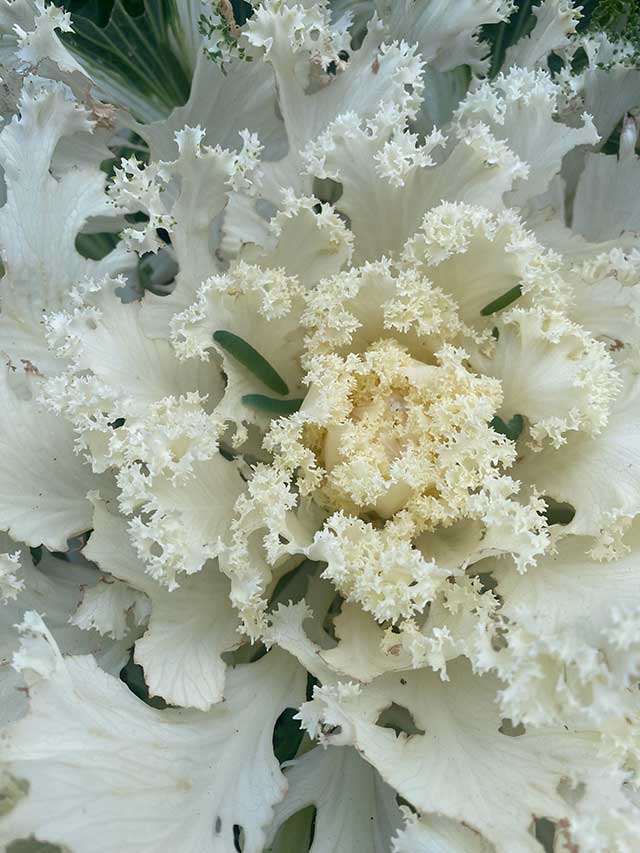
Grasshoppers and leaf-eating caterpillars can still be active during the fall, particularly when daytime temperatures remain mild.
Grasshoppers may continue chewing on tender leaves until sufficiently cold weather slows or ends their activity.
Some caterpillars can also cause damage to fall vegetables and flowering plants.
Look for irregular holes in leaves, missing foliage, and small droppings around damaged plants.
If you have cabbage, kale, broccoli, or other cool-season vegetables growing, examine the undersides of leaves regularly.
Handpicking caterpillars is often practical for small gardens.
For certain caterpillars, products containing Bacillus thuringiensis var. kurstaki (Bt) can be useful when applied according to the label. Bt does not control grasshoppers and should not be considered a general-purpose insecticide.
7. Some Insects Are Looking for a Place to Spend the Winter
As fall temperatures continue to drop, some insects begin searching for protected places to survive the winter.
You might notice them gathering around:
- Rock walls and retaining walls
- Outdoor storage sheds
- Garage doors
- Cracks around windows
- Beneath loose bark
- Protected areas around foundations
These sheltered locations help protect insects from extreme temperatures.
Some insects overwinter as adults, while others survive as eggs, larvae, or pupae.
In other words, winter doesn’t necessarily kill all the insects in your yard.
Many are simply waiting for warmer weather to return.
This is also why insects sometimes appear indoors during the winter, even though it is cold outside.
8. Not All Fall Insects Are Bad for Your Garden
Before you reach for that insect spray, remember that many insects are beneficial.
Ladybugs, lacewings, and certain tiny parasitic wasps help control unwanted garden pests.
Bees and other pollinators may also visit flowers during sunny fall afternoons.
Here in Las Cruces, flowering plants such as autumn-blooming salvias, asters, and other late-season flowers can continue providing nectar and pollen.
These beneficial insects are important to the health of our landscapes.
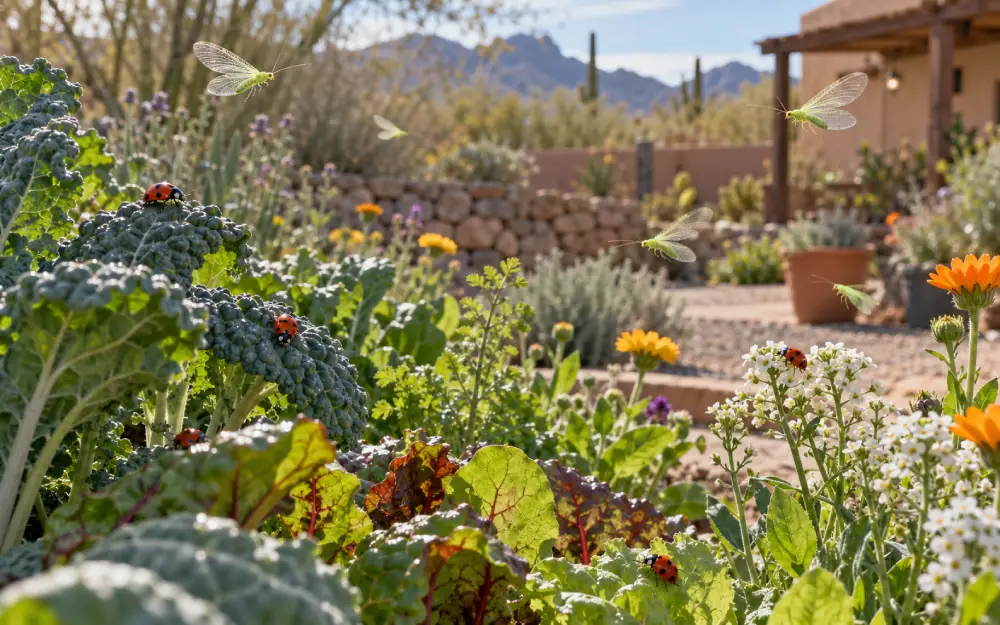
Spraying every insect you see can eliminate the very insects that help keep pest populations under control.
Sometimes the best thing you can do is leave them alone.
When Will Cold Weather Finally Get Rid of the Insects?
There isn’t one specific temperature that eliminates every insect.
Different species tolerate cold weather differently.
Some become sluggish during cool temperatures. Others continue moving whenever the weather warms up.
A hard freeze may kill exposed insects and tender life stages, but many species have ways of surviving cold weather.
They may hide underground, beneath bark, inside plant debris, or in other protected locations.
In southern New Mexico, our relatively mild winters allow certain pests to survive from one season to the next.
That means insect problems can return in spring, even after a cold winter.
What Should Las Cruces Gardeners Do During October and November?
The good news is that you don’t need to spray your entire yard just because insects are still active.
Here are a few simple things you can do.
1. Inspect your plants regularly. Look underneath leaves, around flower buds, and along new stems for signs of pests.
2. Remove badly infested plant material when appropriate. Dispose of heavily infested annuals and diseased vegetable plants rather than leaving them in the garden.
3. Keep weeds under control. Weeds can provide food and shelter for several types of insect pests.
4. Avoid overwatering. Fall temperatures usually mean plants need less frequent irrigation. Check the soil before watering.
5. Protect beneficial insects. Ladybugs, lacewings, and other natural predators help control unwanted pests.
6. Use insecticides only when necessary. Identify the pest first and select a product labeled for that pest and plant. Follow all instructions, including temperature restrictions and precautions for pollinators.
7. Check plants before moving them indoors. Container plants can carry aphids, whiteflies, mealybugs, and other pests into your home.
One additional suggestion: Don’t feel you have to remove every fallen leaf or bit of garden debris. While badly infested or diseased plant material should be cleaned up, healthy leaf litter in suitable areas can provide winter shelter for beneficial insects.
Final Thoughts: Fall Doesn’t Mean Insect Season Is Over
Even though October brings cooler temperatures to Las Cruces and surrounding communities, many garden insects are not quite finished for the year.
Our sunny afternoons, relatively mild climate, and protected backyard environments allow some pests to remain active much longer than gardeners might expect.
The important thing is to recognize which insects are damaging your plants and which ones are actually helping your garden.
Keep an eye on your flowers, shrubs, vegetables, and trees, but don’t assume every insect requires treatment.
And remember, just because the nights are getting chilly doesn’t mean all those garden bugs have packed their bags!
Need help identifying an insect or choosing the right product for your plants?
Stop by one of our two Guzman’s Garden Centers locations in Las Cruces, New Mexico. When possible, bring a clear photo of the insect and the affected plant.
We’re always happy to help our local gardeners keep their landscapes healthy throughout the seasons.
Integrated Pest Management Strategies for Common Garden Insect Pests of New Mexico
Winter Aphids — NMSU Southwest Yard and Garden
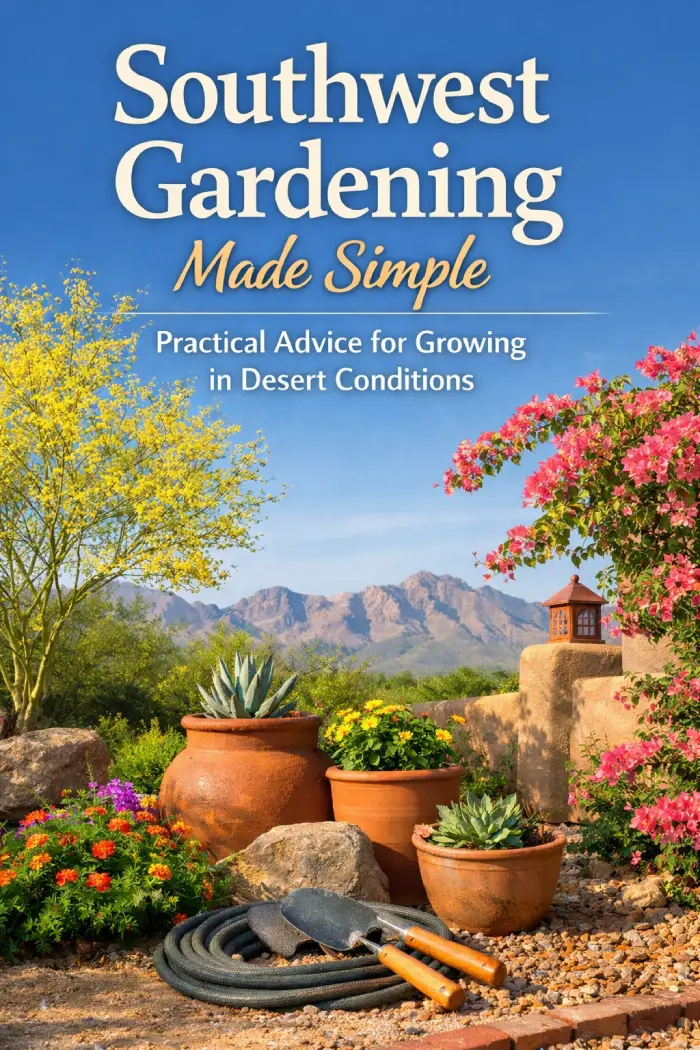
New to Southwest Gardening?
Stop wasting money on plants that will not survive our heat and drought.
My Southwest Gardening Made Simple eBook shows you which trees, shrubs, flowers, and vegetables actually thrive in New Mexico, Arizona, and West Texas.
The best plants for hot, dry climates
Common mistakes that kill Southwest plants
Easy-to-follow advice for beginners

Paul Guzman is a lifelong Southwest gardener and gardening writer with decades of experience helping homeowners grow beautiful landscapes in the desert Southwest. He writes for Guzman’s Garden Centers in Las Cruces, New Mexico, with contributing expertise from Gary Guzman, owner of Guzman’s Garden Centers. If you have any questions or enjoyed this post, feel free to share your thoughts in the comments below.