Last updated on July 25th, 2026 at 03:15 pm
Collect Seeds Simple Steps for Every Gardener
Learning how to collect flower seeds for next year is an easy way to save money and continue growing the flowers you enjoy most. Instead of purchasing new seed packets every spring, you can gather mature seeds from healthy plants already growing in your garden.
The most important part is timing. Flower seeds must mature before you collect them. If you harvest them too early, they may not germinate. If you wait too long, the seedpods may split open, allowing the wind to scatter the seeds or birds to eat them.
For the best results, wait until the flower head or seedpod turns brown and dry. Collect it on a dry day, separate the seeds from the dead plant material, and allow the seeds to dry completely before storing them.
Quick Steps for Collecting Flower Seeds
Here is the basic seed-collecting process:
- Choose seeds from healthy, vigorous plants.
- Allow the flowers to fade naturally on the plant.
- Wait for the seed head or pod to turn brown and dry.
- Collect the seeds on a warm, dry day.
- Place the seed heads in a paper bag or container.
- Separate the seeds from the petals, pods, and other debris.
- Spread the seeds out and let them dry completely.
- Place the dried seeds in labeled paper envelopes.
- Store them in a cool, dark, and dry location.
Although the exact collection method varies among flowers, these basic steps work for most common annuals and perennials.
When Are Flower Seeds Ready to Collect?
Flower seeds are generally ready after the petals have faded and the seed head has dried. However, do not assume the seeds are mature simply because the flower has stopped blooming. The seeds need additional time to develop.
Look for the following signs:
- Seedpods have changed from green to tan, brown, or black.
- Flower heads feel dry and brittle.
- Seeds inside a pod make a rattling sound.
- Seeds separate easily from the flower head.
- Pods are beginning to split or open.
- Seeds have reached their normal mature color and size.
Try to collect the seeds shortly before the flower head releases them naturally. Check your plants every few days as the seeds approach maturity.
Collect seeds during dry weather. Seeds gathered immediately after rain or overhead watering may contain enough moisture to develop mold during storage.
Choose the Best Plants for Collecting Seeds
Collect seeds from your healthiest and strongest plants. Look for plants that produced abundant flowers, resisted insects and diseases, and performed well under your garden’s growing conditions.
Avoid collecting seeds from plants with:
- Powdery mildew or other fungal diseases
- Severe insect infestations
- Weak or stunted growth
- Unusual leaf discoloration
- Poor flower production
You may also want to mark your best flowers while they are blooming. Tie a small ribbon or plant label loosely around the stem. This will help you remember which plants produced the flower colors, shapes, and sizes you liked best.
Will Saved Flower Seeds Look Like the Parent Plant?
Not every collected seed will produce a plant identical to its parent.
Seeds from open-pollinated and heirloom flowers are the most likely to produce plants with similar characteristics. However, flowers growing close together can cross-pollinate. Bees, butterflies, moths, and other pollinators can carry pollen between compatible varieties.
Seeds collected from hybrid plants may germinate, but the new plants can produce different flower colors, sizes, or growth habits. Some hybrid seeds may also have poor germination.
Zinnias, cosmos, sunflowers, and other flowers often cross-pollinate. The results can be unpredictable, but that can also be part of the fun. You may discover an attractive new color combination in your garden.
If you want flowers that closely resemble the original plants, save seeds from open-pollinated varieties and keep different varieties of the same species separated when possible.
How to Collect Seeds From Popular Flowers
Different flowers develop their seeds in different ways. Some form noticeable pods, while others hold their seeds inside a dried flower head.
| Flower | Signs the seeds are ready | Collection method |
|---|---|---|
| Marigold | Flower head is brown and brittle | Pull apart the dried head |
| Zinnia | Head is completely dry | Remove the arrow-shaped seeds |
| Sunflower | Back of the flower head is brown | Rub seeds loose from the center |
| Cosmos | Long seeds are brown or black | Pull seeds gently from the stem |
| Ornamental poppy | Round pod is dry and rattles | Shake seeds through openings in the pod |
| California poppy | Long pod turns tan or brown | Collect before the pod splits |
| Coneflower | Center cone is dark and dry | Break apart or rub the seed head |
| Four o’clock | Black seeds appear below faded flowers | Pick the mature seeds by hand |
How to Collect Marigold Seeds
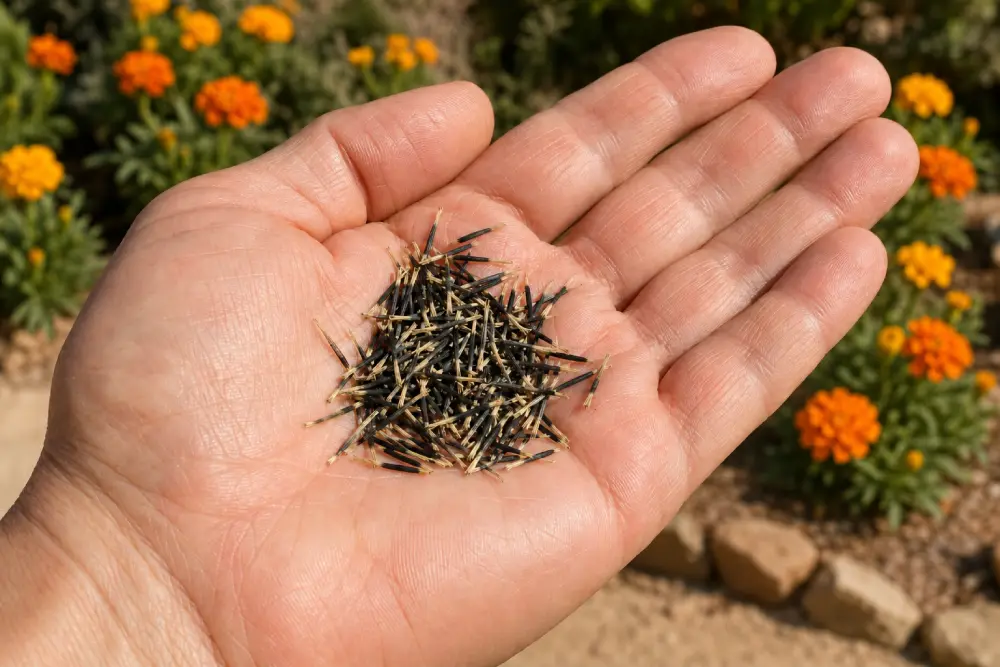
Marigolds are among the easiest flowers for beginning seed collectors.
Allow the flower to remain on the plant after the petals fade. Wait until the entire flower head turns brown and feels dry. Cut or pull the dried flower head from the stem and place it over a plate or shallow bowl.
Pull the flower head apart with your fingers. Inside, you will find numerous long, narrow seeds. Mature marigold seeds are usually black or dark brown on one end and lighter on the other.
Remove the dried petals and spread the seeds out to finish drying before storing them.
How to Collect Zinnia Seeds
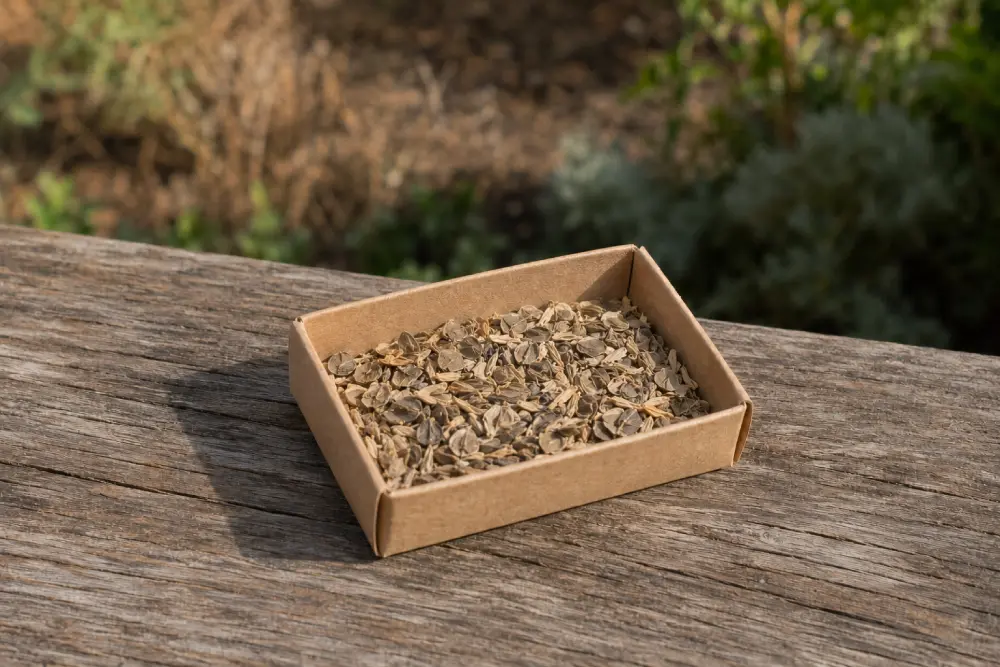
Leave a few healthy zinnia flowers on the plant instead of deadheading them. Allow the flower heads to become completely brown, dry, and brittle.
Cut the dried flower head and pull it apart over a container. Zinnia seeds can be found at the ends of the dried petals and inside the center of the flower head. Mature seeds are usually tan or gray and may resemble small arrowheads.
Zinnias cross-pollinate easily, so flowers grown from saved seeds may not have exactly the same color as the parent plant.
How to Collect Sunflower Seeds
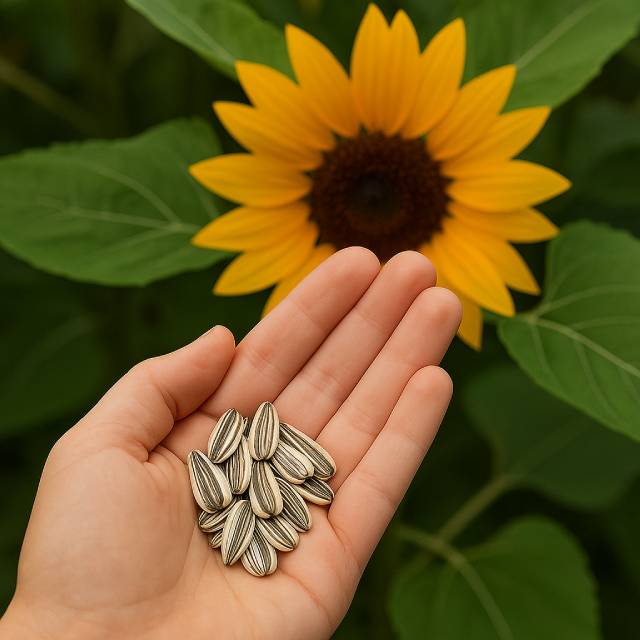
Wait until the petals have fallen and the back of the sunflower head changes from green to yellow and eventually brown. The seeds should look plump and developed.
Birds often find mature sunflower seeds before gardeners do. Protect a maturing flower head with a breathable mesh bag or paper bag if birds become a problem. Do not use a sealed plastic bag because it can trap moisture.
Cut the head from the stalk and hang it in a protected, well-ventilated location until completely dry. Rub your hand across the face of the flower to loosen the seeds.
How to Collect Cosmos Seeds

After the petals fall, cosmos flowers develop narrow seeds around the center of the flower head. The seeds begin green and gradually turn tan, brown, or almost black.
Mature cosmos seeds separate easily when touched. Pull them gently from the dried flower head or cut the entire head into a paper bag.
Cosmos seeds can fall quickly after ripening, so inspect the plants frequently.
How to Collect Poppy Seeds
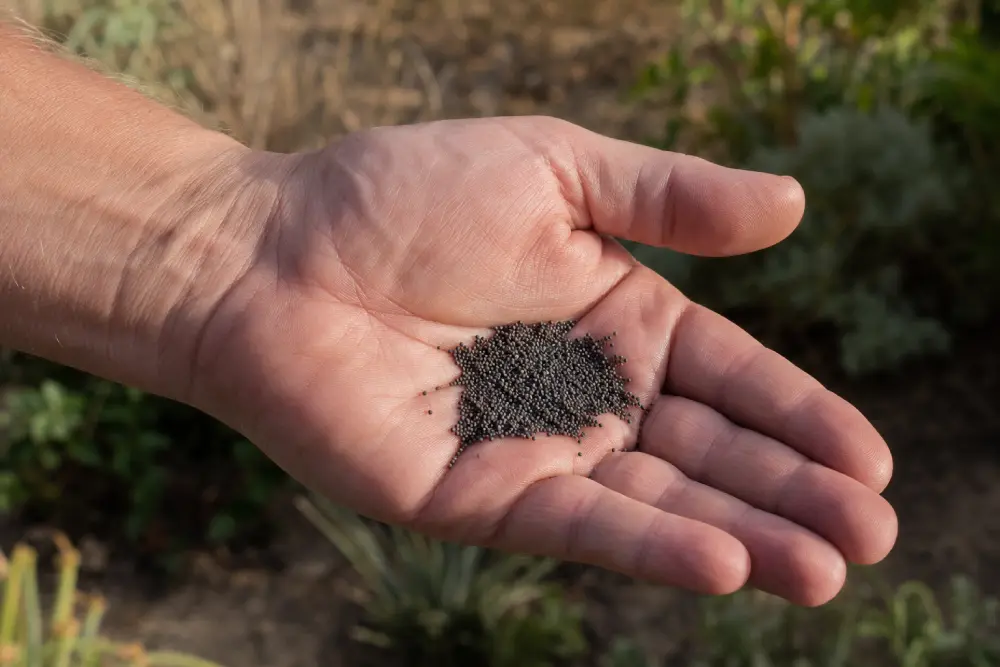
The method depends on the type of poppy you are growing.
Many ornamental poppies form rounded capsules after flowering. Allow the capsule to dry until it turns brown and the seeds rattle inside. Cut the capsule and shake the tiny seeds into an envelope or bowl.
California poppies develop long, slender pods rather than rounded capsules. These pods can split suddenly and scatter their seeds. Collect the pods after they turn tan but before they open. Placing a small paper or mesh bag around a nearly mature pod can help catch the seeds.
How to Collect Coneflower Seeds
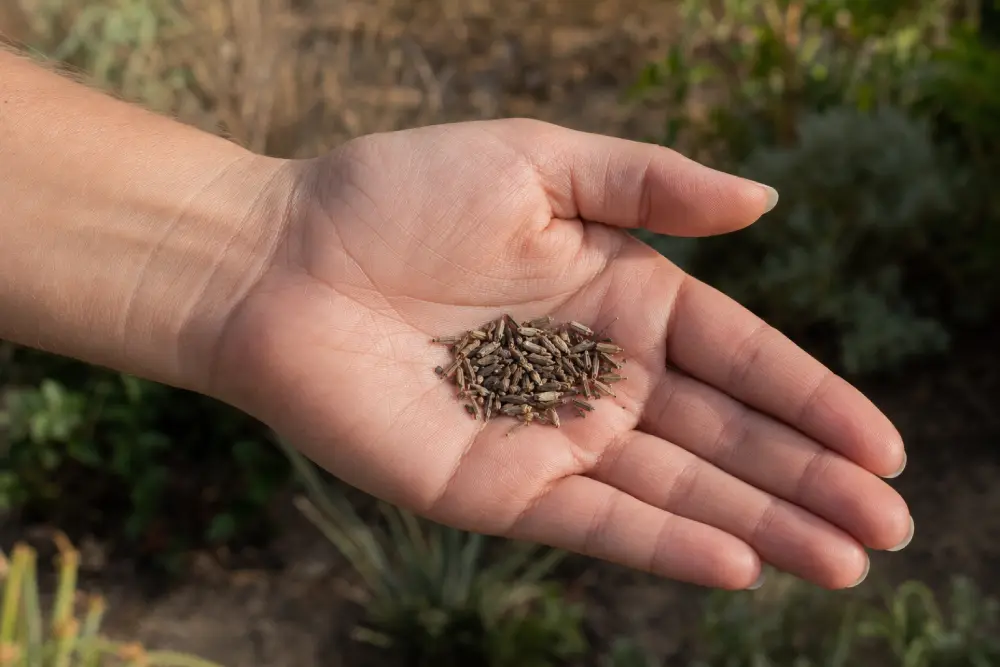
Coneflowers produce their seeds in the prickly center cone. Leave several flowers on the plant until the cones turn dark brown and dry.
Wear gloves because the dried seed heads can be sharp. Cut the heads into a paper bag and allow them to dry further. Break the heads apart or rub them between your gloved hands to release the seeds.
Birds enjoy coneflower seeds, so collect some and leave a few seed heads standing for wildlife.
How to Collect Four O’Clock Seeds
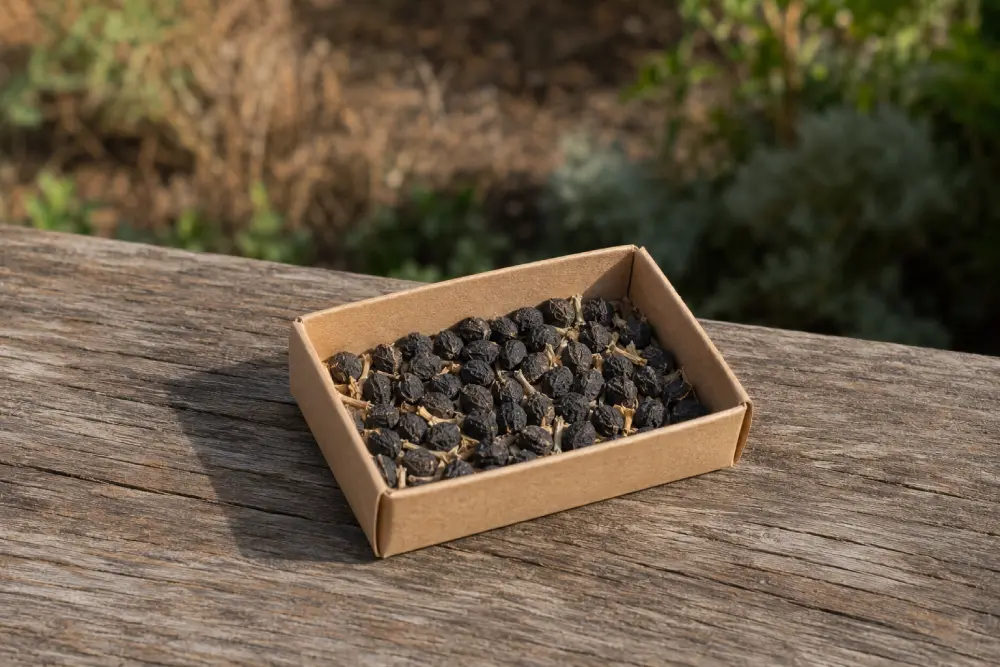
Four o’clocks grow well throughout the desert Southwest and produce large seeds that are easy to recognize.
After a flower fades, a round green seed begins developing at its base. The seed eventually turns black and may resemble a tiny hand grenade. Pick the black seeds by hand before they fall to the ground.
The hard seed covering may benefit from soaking in water overnight before planting.
Collecting Flower Seeds in the Desert Southwest
Hot temperatures, dry air, monsoon rain, and strong winds can affect when you collect flower seeds in New Mexico, Arizona, and West Texas.
During dry weather, seedpods can mature and split open rapidly. Check your flowers frequently once the pods begin changing color. Strong afternoon winds can scatter lightweight seeds before you have an opportunity to gather them.
Collect during the cooler morning hours after any dew has dried. Avoid harvesting immediately after a monsoon storm. If a pod is mature but slightly damp, bring it indoors and allow it to dry in an open paper bag.
Never leave damp seeds inside a hot vehicle, plastic container, or sealed bag. Heat and trapped moisture can quickly damage them.
Some Southwest flowers, including desert marigolds, blanket flowers, penstemons, and native salvias, may produce seeds that need a period of cold or another special treatment before germinating. Research the needs of the individual plant before sowing saved seeds.
How to Clean Collected Flower Seeds
After harvesting, you will usually have a mixture of seeds, dry petals, pod fragments, stems, and other plant material. These lightweight materials are commonly called chaff.
Place the contents on a white plate or shallow tray. A light-colored surface makes small seeds easier to see.
Use your fingers or tweezers to separate the seeds from the larger pieces. You can also use a fine mesh strainer for small seeds. Gently blowing across the tray may remove lightweight chaff, but do this carefully and preferably outdoors.
The seeds do not need to look perfectly clean. However, removing most of the plant debris reduces the possibility of moisture and mold developing during storage.
How Long Should Flower Seeds Dry?
Allow collected flower seeds to dry for approximately five to seven days before putting them into permanent storage. Larger seeds and seeds collected during humid weather may need more time.
Spread the seeds in a single layer on a plate, screen, coffee filter, or plain sheet of paper. Keep them in a shaded indoor location with good air circulation.
Avoid drying seeds in intense sunlight or using an oven, microwave, or food dehydrator. Excessive heat can damage the living embryo inside the seed.
Seeds should feel hard and dry before storage. Larger seeds should break or crack rather than bend when tested.
How to Store Flower Seeds for Next Year
Once your flower seeds are completely dry, place them in paper envelopes. Write the following information on each envelope:
- Flower name
- Variety or flower color
- Collection date
- Location in the garden
- Any special characteristics
Paper envelopes allow small amounts of remaining moisture to escape. You can place the labeled envelopes inside an airtight glass jar after you are certain the seeds are dry.
Store the seeds in a cool, dark, and dry location. A closet, cabinet, or refrigerator can work. If you use a refrigerator, keep the seed envelopes inside a tightly sealed container so condensation cannot reach them.
A small silica-gel packet can help control moisture. Keep stored seeds away from direct sunlight, high temperatures, and areas with frequent humidity changes.
Many common flower seeds remain viable for more than one year, but germination rates generally decline over time. Planting them the following season usually produces the best results.
Test Older Seeds Before Planting
You can perform a simple germination test if you are unsure whether stored seeds are still viable.
- Place ten seeds on a damp paper towel.
- Fold the towel over the seeds.
- Put it inside a loosely closed plastic bag.
- Keep it in a warm location away from direct sunlight.
- Check the seeds regularly for germination.
Do not allow the paper towel to dry out or become soaking wet.
If eight out of ten seeds germinate, the approximate germination rate is 80 percent. If only three or four sprout, sow more seeds than usual to compensate for the lower germination rate.
Common Seed-Collecting Mistakes
Avoid these common problems when saving flower seeds:
- Collecting seeds while they are still green
- Harvesting immediately after rain
- Storing seeds before they are completely dry
- Using sealed plastic bags for damp seeds
- Forgetting to label the envelopes
- Collecting seeds from diseased plants
- Assuming hybrid seeds will produce identical flowers
- Waiting until every seed has fallen from the plant
- Leaving collected seeds in direct sunlight or extreme heat
Taking a few extra minutes to dry and label your seeds can prevent disappointment when planting season arrives.
Frequently Asked Questions
What is the best time to collect flower seeds?
Collect flower seeds after the flowers fade and the seed heads or pods become brown and dry. Harvest on a dry day after the morning dew has evaporated. Try to collect shortly before the seeds naturally fall or the pods split open.
Should flower seeds dry on the plant?
Whenever possible, allow seeds to mature and begin drying on the plant. This gives them time to develop fully. You can finish drying the collected seeds indoors in a shaded location with good air circulation.
Can I collect seeds from fresh flowers?
Seeds from fresh or recently opened flowers are usually immature. The flower must be pollinated, fade, and develop a mature seed head or pod before the seeds are ready.
How long should flower seeds dry before storage?
Most flower seeds should dry for at least five to seven days after collection. Seeds gathered during humid or rainy conditions may require additional drying time.
Can flower seeds be stored in plastic bags?
Plastic bags can trap moisture and cause seeds to mold. Paper envelopes are safer for individual seed varieties. Once the seeds are completely dry, the envelopes can be placed inside an airtight jar or container.
Will collected flower seeds bloom the following year?
Many annual flower seeds will bloom during the next growing season when planted at the proper time. Some perennial and biennial flowers may need more than one year before producing their first flowers.
Start Saving Your Favorite Flower Seeds
Once you learn how to collect flower seeds for next year, you can continue growing your favorite flowers while spending less money on new seed packets.
Start with easy flowers such as marigolds, zinnias, cosmos, sunflowers, and four o’clocks. Choose healthy plants, wait for the seeds to mature, and make sure they are completely dry before storing them.
Remember that flowers grown from saved seeds may not always look exactly like their parents, especially when hybrids or cross-pollination are involved. The unexpected colors and shapes are often part of what makes seed saving enjoyable.
With careful collecting, drying, labeling, and storage, this year’s fading flowers can become next year’s colorful garden.
New to Southwest Gardening?
Stop wasting money on plants that will not survive our heat and drought.
My Southwest Gardening Made Simple eBook shows you which trees, shrubs, flowers, and vegetables actually thrive in New Mexico, Arizona, and West Texas.
The best plants for hot, dry climates
Common mistakes that kill Southwest plants
Easy-to-follow advice for beginners

Paul Guzman is a lifelong Southwest gardener and gardening writer with decades of experience helping homeowners grow beautiful landscapes in the desert Southwest. He writes for Guzman’s Garden Centers in Las Cruces, New Mexico, with contributing expertise from Gary Guzman, owner of Guzman’s Garden Centers. If you have any questions or enjoyed this post, feel free to share your thoughts in the comments below.