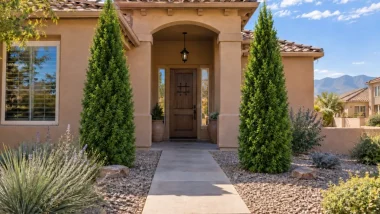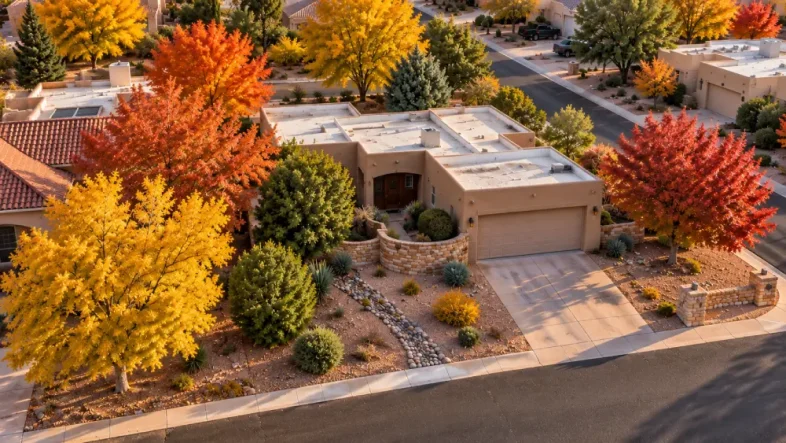
Customers are always asking me when the best time to plant is. Fall Is a Great Time to Plant Almost Anything. Many people think spring is the best time to plant trees, shrubs, flowers, and vegetables. Spring is certainly a busy planting season, but here in Las Cruces and throughout the Desert Southwest, fall may be an even better time to plant.
The intense summer heat is fading, the soil is still warm, and plants do not lose moisture as quickly as they do during June, July, and August. These conditions give new plants time to develop roots without immediately facing triple-digit temperatures.
You can plant almost anything during fall, including shade trees, evergreen shrubs, flowering perennials, ornamental grasses, cool-season vegetables, and many types of spring-blooming bulbs. There are a few exceptions, especially tropical and cold-sensitive plants, but most hardy landscape plants will benefit from being planted during the fall.
Why Fall Planting Works So Well
One of the biggest advantages of fall planting is the warm soil. Even when nighttime temperatures begin to cool, the soil holds heat accumulated during the summer. Warm soil encourages root development.
According to Utah State University Extension, cooler fall weather makes transplanting easier on trees and shrubs while allowing their roots to continue growing before winter.
At the same time, cooler air temperatures reduce stress on the upper part of the plant. The plant does not have to use as much water to keep its leaves cool, allowing more of its energy to go toward establishing roots.
This creates an excellent combination:
- Warm soil encourages root growth.
- Cooler air reduces heat stress.
- Water evaporates more slowly.
- Plants have time to become established before summer.
- Gardeners can work outside without fighting extreme heat.
A tree or shrub planted in October may not look like it is doing much above the ground. However, its roots can continue growing whenever the soil is warm enough. By the time spring arrives, that plant may already have a much better root system than one planted a few weeks before summer.
Fall Gives Plants a Head Start
Our summers can be brutal on newly planted trees and shrubs. A plant installed in late spring may have only a short time to develop roots before temperatures climb into the upper 90s or above 100 degrees.
That is not much time for a young root system to become established.
When you plant during fall, the plant may have several months to settle into its new location. Root growth slows during the coldest part of winter, but it can begin again as soon as the soil warms in late winter and early spring.
By its first summer, a fall-planted tree or shrub is usually better prepared to deal with our heat, dry air, wind, and intense sunlight. It will still need regular watering, but its roots should be able to reach a larger area of soil.
This does not mean the plant will be fully established after one winter. Trees and large shrubs may need two or more years of careful watering. Fall planting simply gives them the best possible start.
Plant Trees During the Fall
Fall is an excellent time to plant most shade trees, ornamental trees, and fruit trees in the Desert Southwest.
Trees that normally perform well when planted during fall include:
- Chinese pistache
- Desert willow
- Arizona ash
- Vitex
- Red oak
- Live oak
- Fruitless mulberry
- Afghan pine
- Arizona cypress
- Many apple, peach, pear, plum, and apricot trees
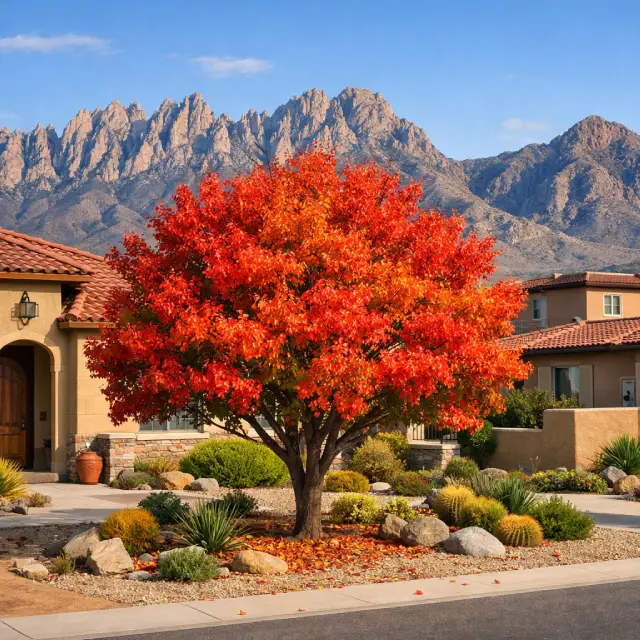
Deciduous trees may lose their leaves shortly after planting. That is normal and does not mean the tree is dying. Once the leaves drop, the tree requires less moisture through its branches and can concentrate on establishing roots.
Evergreen trees can also be planted during fall, but remember that they continue losing moisture through their foliage during winter. They should not be allowed to dry out.
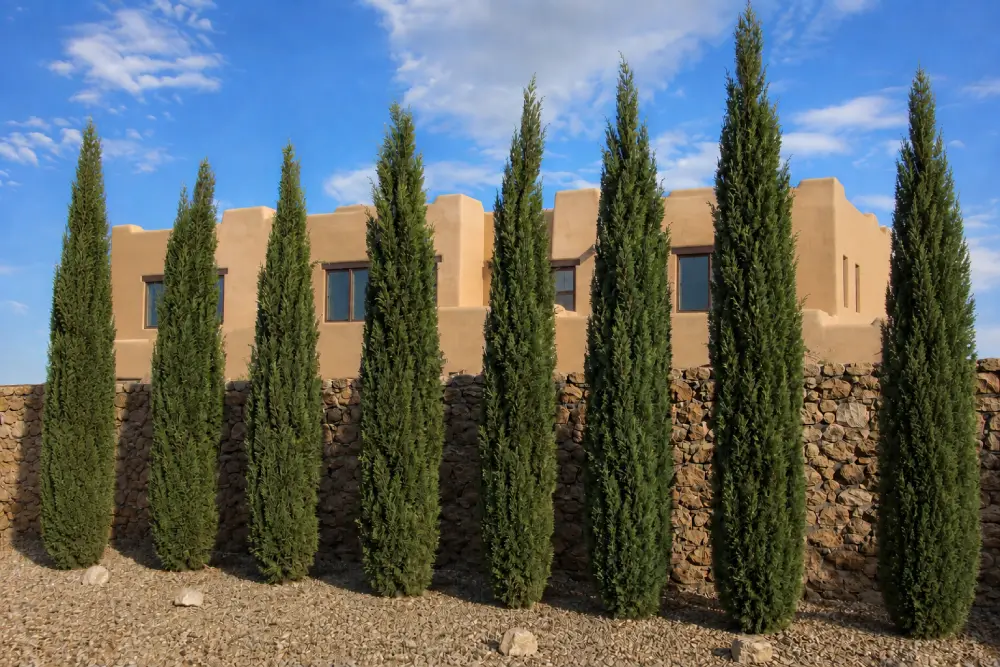
When planting a new tree, dig a hole that is wider than the root ball but no deeper. The top of the root ball should sit at or slightly above the surrounding soil level. Planting a tree too deeply is a common mistake that can cause long-term problems.
Do not bury the trunk or cover the root flare with soil or mulch.
Fall Is Ideal for Shrubs
Most hardy landscape shrubs can also be planted during fall. This includes flowering shrubs, evergreen foundation plants, screening shrubs, and many drought-tolerant varieties.
Good choices may include Texas sage, waxleaf privet, pyracantha, euonymus, rosemary, photinia, nandina, cotoneaster, juniper, butterfly bush, and many types of native or Southwest-adapted shrubs.
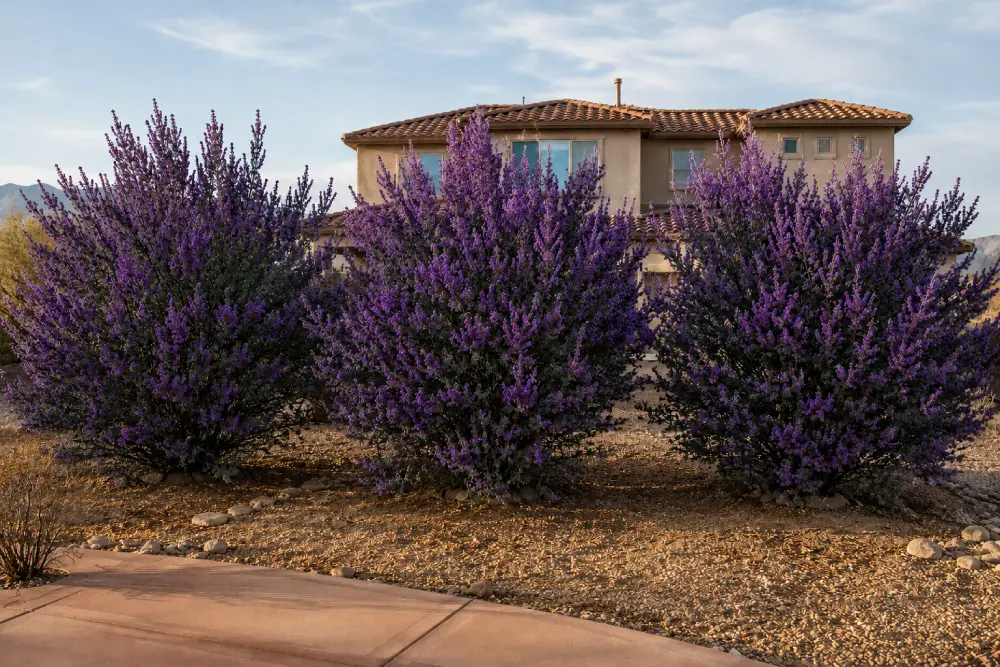
Fall is an especially good time to plant shrubs along walls and around the west or south sides of a home. These locations become extremely hot during summer. Planting in fall gives the roots time to establish before they must tolerate the reflected heat coming from walls, gravel, sidewalks, and driveways.
Be sure to consider the mature size of each shrub. That small plant sitting in a nursery container may eventually become five, eight, or even ten feet wide. Proper spacing now will save you from constant pruning later.
Plant Perennials for Future Color
Flowering perennials planted in fall may not provide an immediate explosion of color, but they can reward you the following spring and summer.
Salvia, yarrow, gaura, agastache, penstemon, coneflower, coreopsis, red hot poker, coral bells, and many other hardy perennials can be planted during fall.
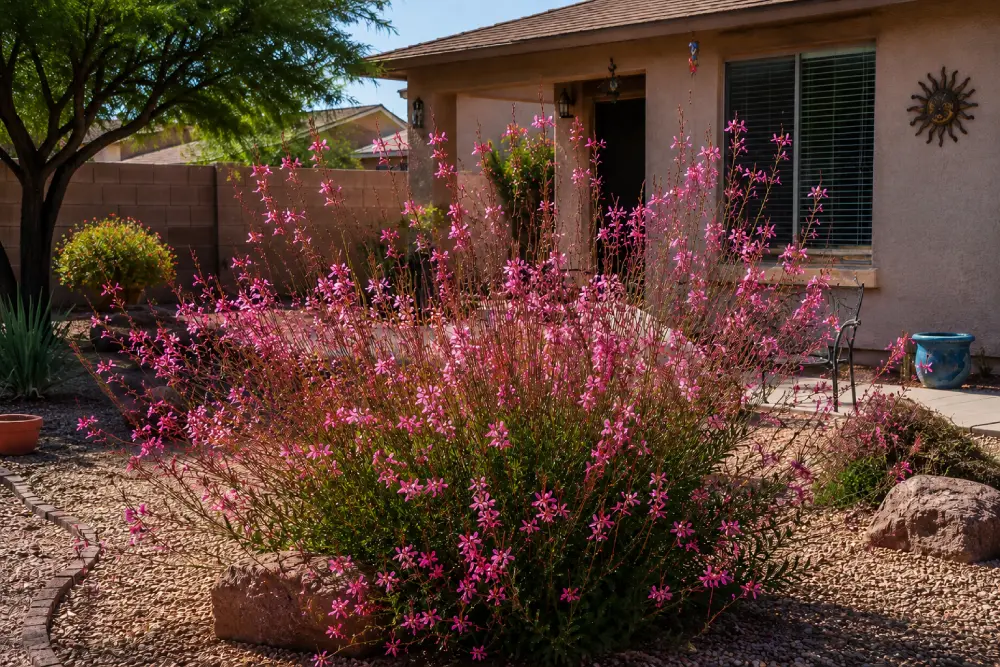
Some may go dormant after the first few hard freezes. Do not assume they have died. Mark the planting location so you do not accidentally dig them up during winter or early spring.
Apply a light layer of mulch around new perennials to help protect the roots and hold moisture in the soil. Keep the mulch away from the crown of the plant. Heavy mulch piled directly over the crown can trap moisture and contribute to rot.
Do Not Forget Ornamental Grasses
Fall is also a good time to plant many ornamental grasses. Deer grass, pink muhly, fountain grass, maiden grass, and other hardy varieties can begin developing roots before winter.
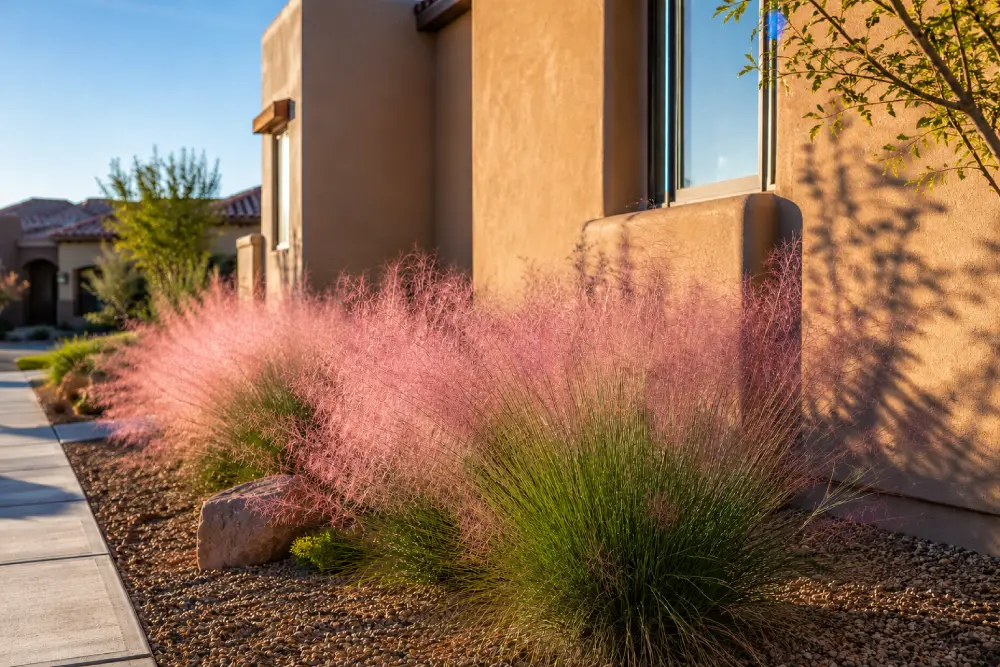
Ornamental grasses add movement, texture, and year-round interest to a landscape. Many are also useful in xeriscape designs because they soften the appearance of gravel, rock walls, and hard surfaces.
Some ornamental grasses turn brown or go dormant during winter. That is part of their natural cycle. Leave the dry foliage in place for winter interest and to provide some protection to the crown. Cut it back before new growth starts in late winter or early spring.
Add Cool-Season Flowers
If you want immediate color, fall is the time to plant cool-season annuals.
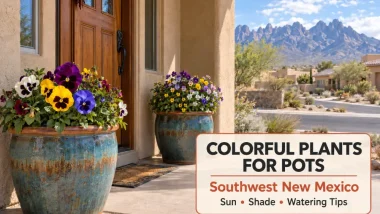
Pansies, violas, snapdragons, dianthus, calendula, ornamental kale, ornamental cabbage, dusty miller, and wide varieties of mums perform well as temperatures cool.
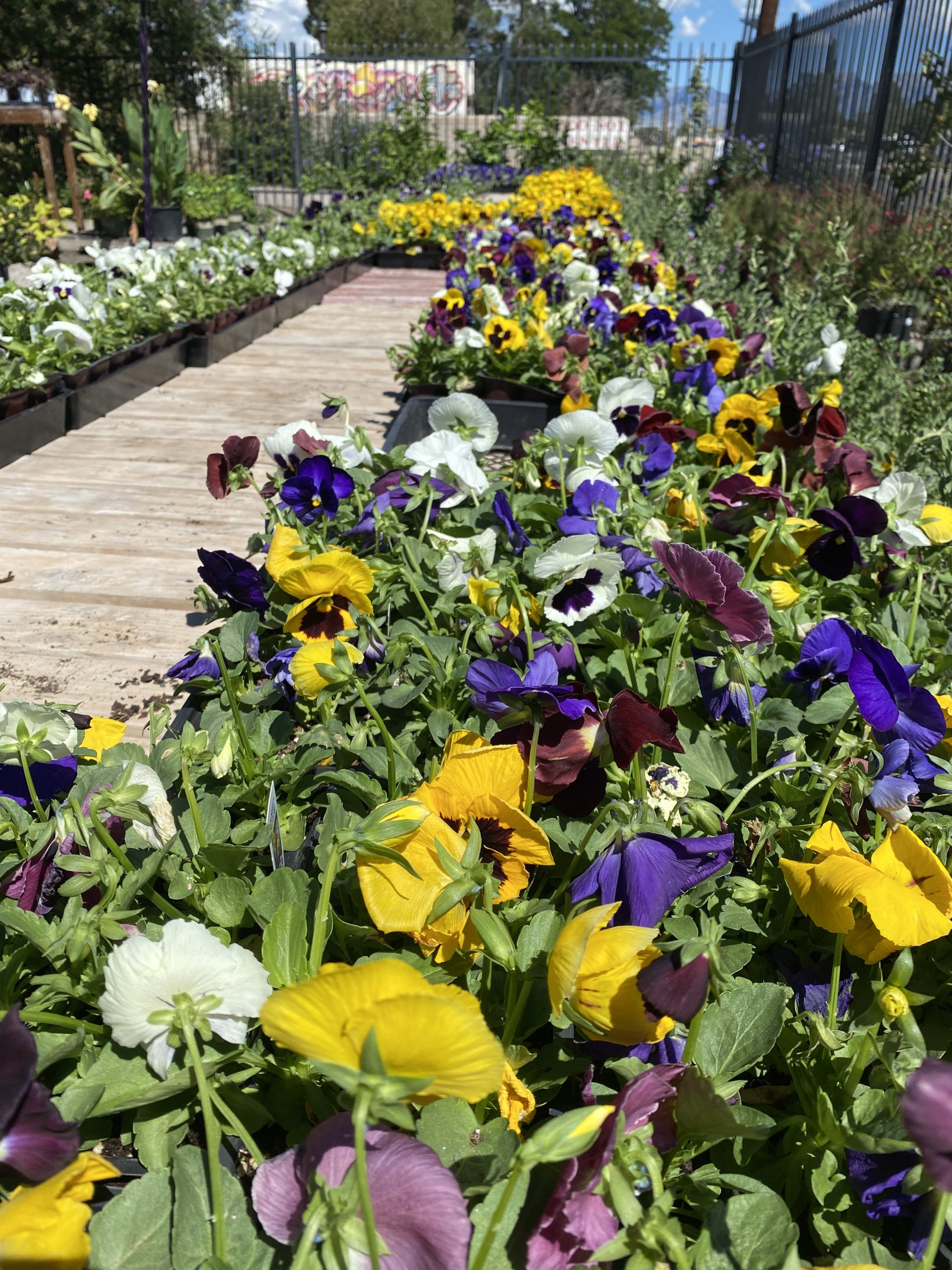
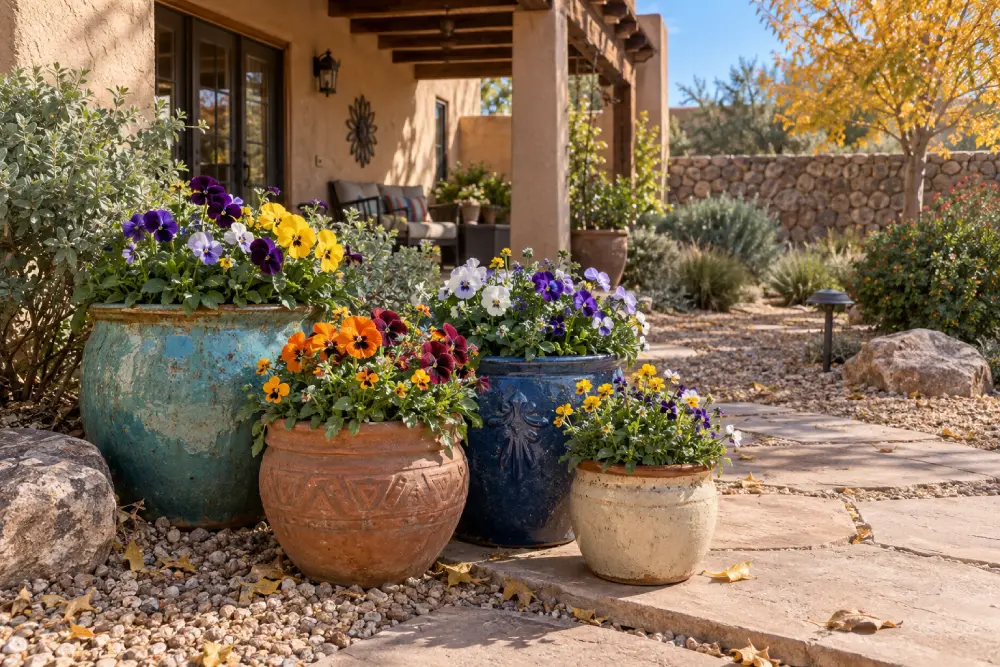
Pansies and violas are especially dependable in Las Cruces. They may slow down during freezing weather, but they often begin blooming again during mild winter periods and continue into spring.
Use them in flower beds, decorative containers, window boxes, or around the entrance to your home. Planting several of the same color together will usually create a stronger display than scattering individual plants throughout the landscape.
Fall Vegetable Gardening
Fall is not only for landscape plants. It is also one of our best vegetable-growing seasons.
Cool-season vegetables that can be planted during fall include:
- Lettuce
- Spinach
- Kale
- Swiss chard
- Carrots
- Radishes
- Beets
- Broccoli
- Cauliflower
- Cabbage
- Onions
- Garlic
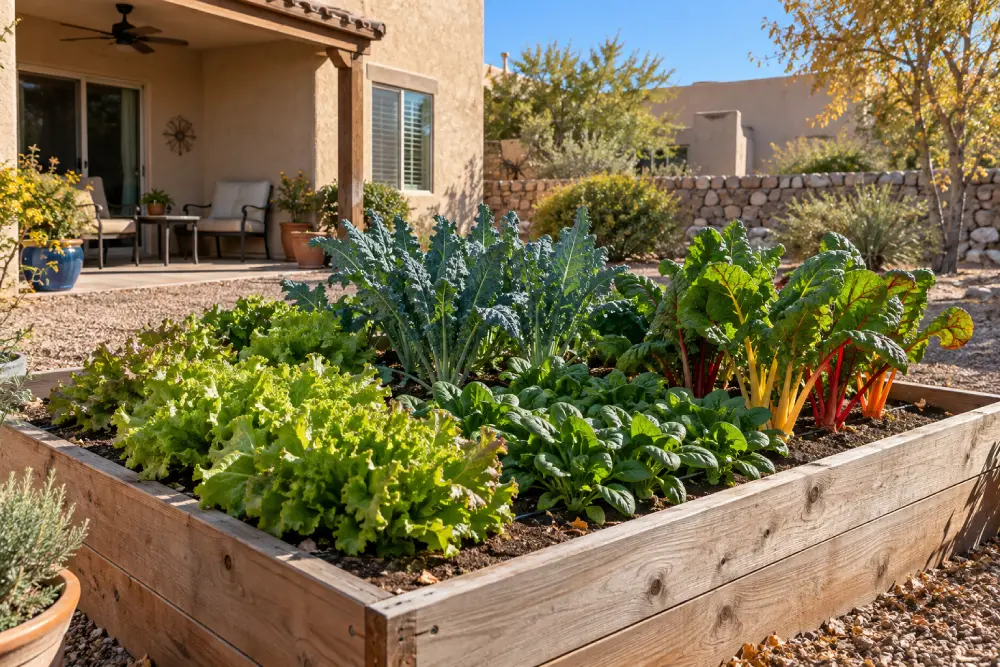
The exact planting time will depend on the vegetable and whether you are starting with seeds or transplants. Some crops need enough time to mature before hard freezes, while others can tolerate cold weather.
Garlic is normally planted during fall for harvest the following year. Separate the bulb into individual cloves and plant each clove with the pointed end facing upward.
A simple frost cloth can extend the growing season and protect young vegetables during cold nights. Do not let plastic sheeting rest directly against the foliage because leaves touching the plastic may freeze.
Fall Is a Good Time to Establish Fescue
If you want a cool-season lawn, early fall is generally the best time to seed tall fescue in our area. The cooler temperatures help the seed germinate without the extreme evaporation we experience during summer. More on lawns here.
Young fescue must be kept consistently moist while it germinates. This may require several light waterings per day at first. Once the grass becomes established, gradually reduce the frequency and water more deeply.
Fall is not normally the best time to start Bermuda grass from seed or sod. Bermuda is a warm-season grass that becomes dormant as temperatures cool. It establishes much better during late spring and summer.
Proper Watering Is Still Important
Cooler weather does not mean a new plant can survive without water. One of the biggest fall planting mistakes is assuming that plants no longer need regular irrigation.
Check the soil around the root ball rather than judging moisture by looking at the surface. The top inch may appear dry while the soil below is still moist, or the surface may be wet while the root ball remains dry.
New trees and shrubs need water applied slowly and deeply. Build a wide watering basin around the plant if necessary, but do not pile soil against the trunk.
Gradually increase the time between waterings as temperatures drop. However, do not completely shut off irrigation just because winter has arrived. Newly planted trees, shrubs, and evergreens may still need supplemental water during long dry periods.
Water during the warmer part of the day when the ground is not frozen.
The University of Arizona Cooperative Extension recommends slow, deep irrigation that reaches the plant’s root zone while allowing the soil to dry somewhat between waterings.
Prepare the Planting Area Properly
Our soils can be sandy, rocky, compacted, or filled with caliche. Before planting, make sure the area drains reasonably well.
Digging a wide planting hole loosens the surrounding soil and gives young roots room to spread. Avoid digging a narrow hole with smooth, hard sides.
In most cases, the soil removed from the hole should be used to backfill around a tree or shrub. Adding too much rich material only inside the hole may encourage the roots to remain in that small amended area.
A soil amendment or compost can be worked into a larger flower or vegetable bed, especially when improving the entire planting area. The goal is to improve the bed as a whole instead of creating a small pocket that holds water differently from the surrounding native soil.
Finish with two to three inches of mulch, keeping it several inches away from trunks and stems.
What Should You Avoid Planting in Fall?
Fall is a great time to plant almost anything, but “almost” is the important word.
Wait until spring to plant very cold-sensitive or heat-loving plants. These may include tropical hibiscus, bougainvillea, some citrus trees, tropical palms, and other tender plants that could be damaged before their roots become established.
Warm-season annuals such as vinca, zinnias, marigolds, and portulaca will also decline when freezing weather arrives. There is little reason to plant them late in fall unless you only want short-term color.
Cold-sensitive cacti and succulents may also be better planted in spring. Even when a plant can survive our normal winter temperatures, a newly planted specimen may be more vulnerable to cold damage.
When in doubt, ask whether the plant is hardy enough for your location and elevation.
Take Advantage of the Fall Planting Season
Fall does not always receive the same attention as spring, but it is one of the most valuable planting seasons we have in the Desert Southwest.
The soil is warm, the air is cooler, and plants have more time to develop roots before the next hot summer. It is a great season for planting shade trees, shrubs, perennials, ornamental grasses, bulbs, cool-season flowers, and vegetables.
You will still need to prepare the soil properly and provide consistent water. Fall planting is not completely maintenance-free. However, it can reduce transplant stress and give your plants a valuable head start.
If you have been putting off a landscaping project because summer was too hot, fall is the time to get it done. Visit Guzman’s Garden Centers in Las Cruces and let us help you choose plants that will work for your yard, your sunlight, and your watering conditions.
New to Southwest Gardening?
Stop wasting money on plants that will not survive our heat and drought.
My Southwest Gardening Made Simple eBook shows you which trees, shrubs, flowers, and vegetables actually thrive in New Mexico, Arizona, and West Texas.
The best plants for hot, dry climates
Common mistakes that kill Southwest plants
Easy-to-follow advice for beginners

Paul Guzman is a lifelong Southwest gardener and gardening writer with decades of experience helping homeowners grow beautiful landscapes in the desert Southwest. He writes for Guzman’s Garden Centers in Las Cruces, New Mexico, with contributing expertise from Gary Guzman, owner of Guzman’s Garden Centers. If you have any questions or enjoyed this post, feel free to share your thoughts in the comments below.