Last updated on July 11th, 2026 at 01:46 pm
If you’re looking for an evergreen shrub that adds year-round color, requires relatively little maintenance, and fits beautifully into Southwest landscapes, Euonymus is an excellent choice.
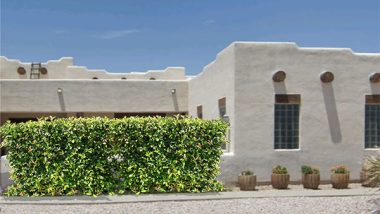
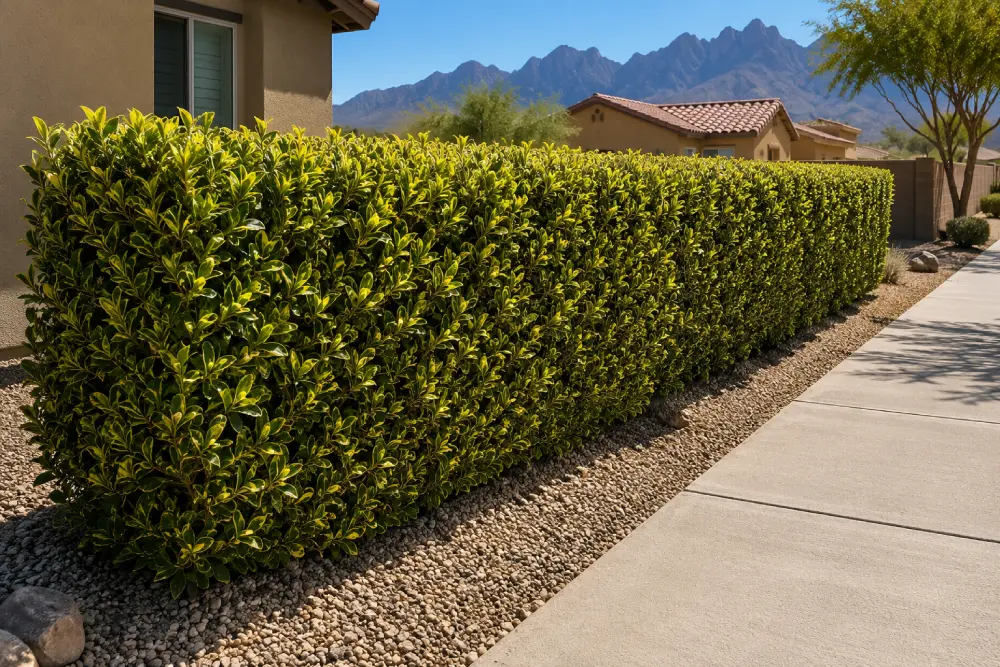
Whether you use it as a hedge, foundation planting, privacy screen, or accent shrub, Euonymus provides attractive foliage throughout the year and adapts well to many landscape designs. Several varieties feature striking green and white or green and gold variegated leaves that brighten the landscape even during the winter months.
Although many gardening websites describe Euonymus as a shrub for cooler climates, we’ve found that several varieties perform very well throughout southern New Mexico, West Texas, Arizona, and other parts of the Desert Southwest. The key is planting it in the right location and giving it proper care during its first few years.
At Guzman’s Garden Centers, we’ve grown and sold Euonymus for decades. We’ve learned that our intense summer sun, alkaline soils, reflected heat from walls, and dry climate require a different approach than what’s recommended for gardeners in other parts of the country.
The good news is that once established, Euonymus is a dependable evergreen shrub that provides beauty, structure, and color for many years.
Quick Care Guide
| Requirement | Recommendation |
|---|---|
| Botanical Name | Euonymus japonicus |
| Common Name | Euonymus |
| Plant Type | Evergreen shrub |
| Mature Size | 4–8 feet tall and wide (variety dependent) |
| Sun Exposure | Morning sun with afternoon shade is ideal |
| Water Requirements | Moderate |
| Soil | Well-drained soil |
| USDA Zones | 7–10 |
| Growth Rate | Moderate |
| Bloom Time | Spring (flowers are small and not very showy) |
What Is a Euonymus Plant?
Euonymus is a versatile evergreen shrub grown primarily for its attractive foliage rather than its flowers. The leaves remain colorful throughout the year, making it an excellent landscape plant when many flowering shrubs are out of bloom.
These shrubs are commonly planted as:
- Foundation shrubs
- Low hedges
- Privacy screens
- Property borders
- Accent plants
- Container plants
- Formal landscape plantings
One of Euonymus’ greatest strengths is how well it responds to pruning. Whether you prefer a neatly clipped hedge or a more natural-looking shrub, Euonymus maintains an attractive shape with minimal effort.
Many homeowners also appreciate that it stays attractive throughout the year, providing dependable color even during the winter months when many deciduous shrubs have lost their leaves.
Best Euonymus Varieties for the Southwest
Not every Euonymus variety performs equally well in our hot, dry climate. These are the varieties we most commonly recommend.
Variegated Euonymus (Euonymus japonicus ‘Variegatus’)
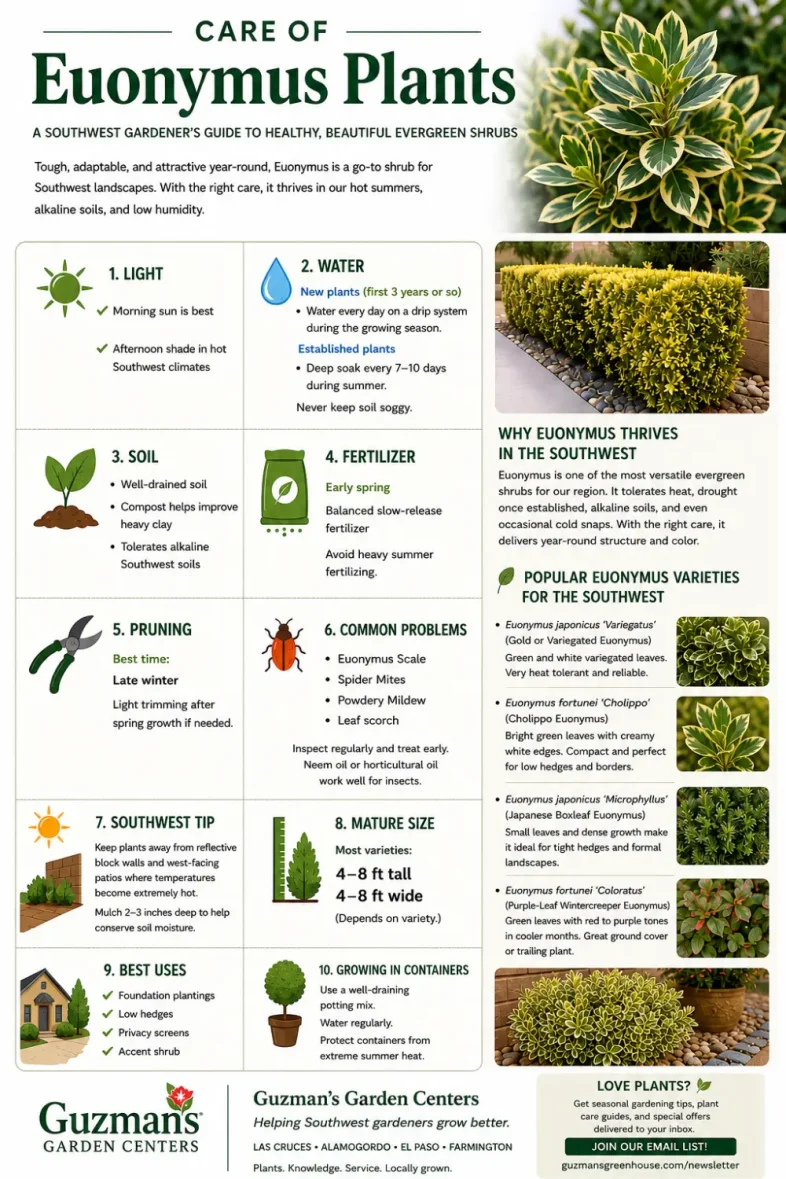
One of the most dependable choices for Southwest landscapes, Variegated Euonymus features glossy green leaves edged with creamy white. The bright foliage creates an attractive contrast against gravel landscapes, darker shrubs, and colorful flowering plants.

It performs best with morning sun and some protection from the hottest afternoon sun.
Cholippo Euonymus
Cholippo Euonymus has become one of our favorite varieties at Guzman’s Garden Centers. Its compact growth habit, dense branching, and attractive variegated foliage make it an excellent choice for foundation plantings, borders, and low hedges.
It responds well to pruning, maintains a tidy appearance, and adds year-round color to Southwest landscapes.
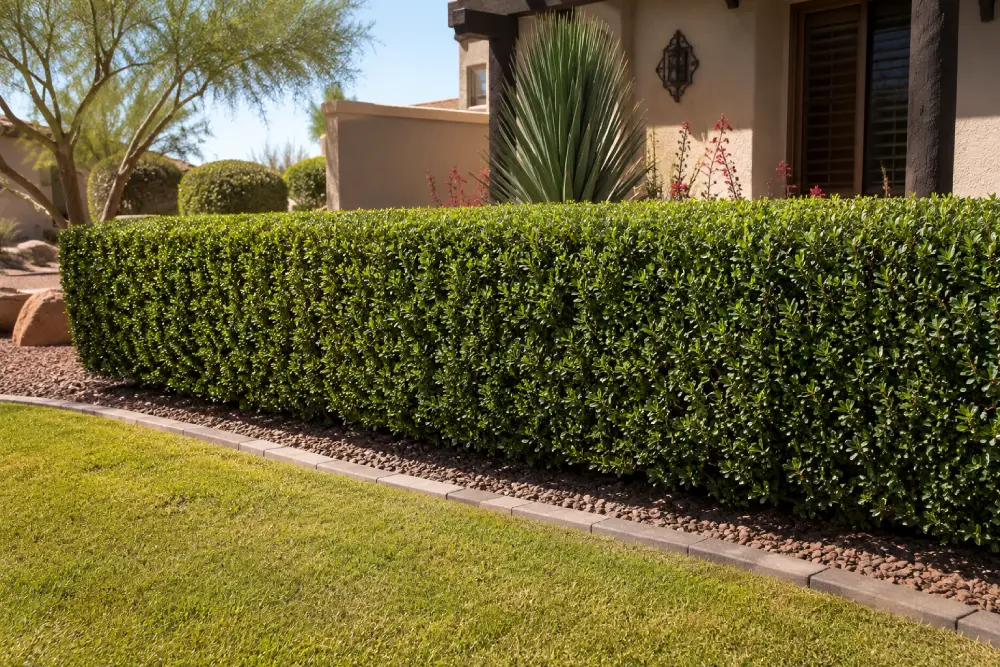
Microphyllus Euonymus (Euonymus japonicus ‘Microphyllus*)
Often called Japanese Boxleaf Euonymus, this variety has small, dense leaves that resemble boxwood. It’s ideal for formal gardens, low hedges, and landscape borders where a more refined appearance is desired.
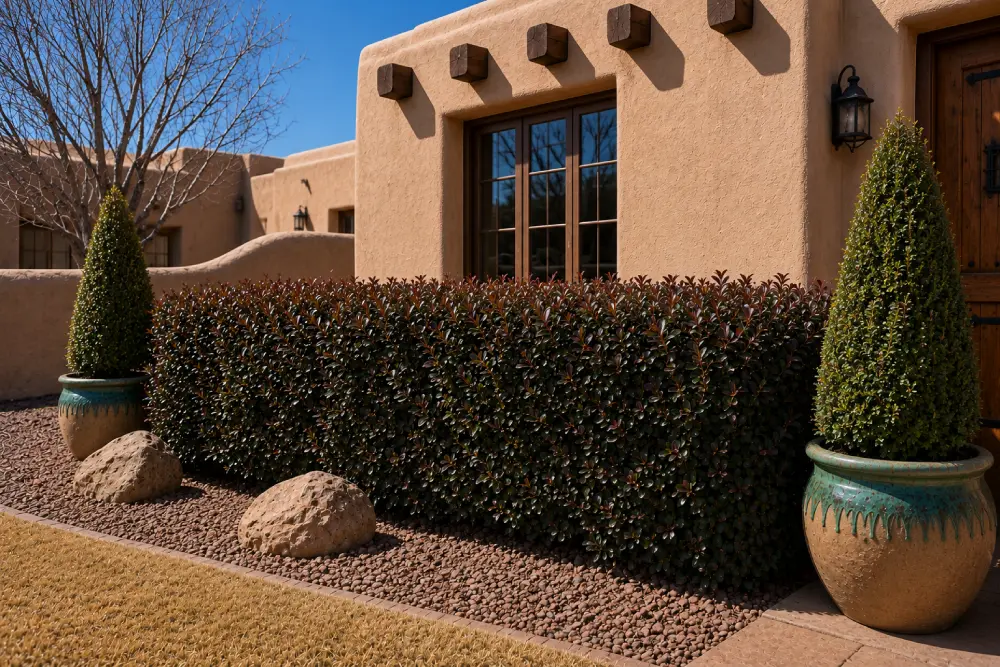
Purple-Leaf Wintercreeper (Euonymus fortunei ‘Coloratus*)
Although more commonly used as a groundcover in cooler regions, Purple-Leaf Wintercreeper can also be used as a low-growing accent plant in protected Southwest landscapes. During cooler weather, the foliage develops attractive reddish-purple tones, adding seasonal interest.
Southwest Gardening Tip
Unlike gardeners in cooler climates, your biggest challenge isn’t cold weather—it’s intense afternoon sun and reflected heat. Plant Euonymus where it receives morning sunshine and some protection from the hottest part of the day. A location on the east or north side of your home often provides the best long-term results.
Choosing the Best Location
Location is one of the biggest factors in growing a healthy Euonymus plant in the Desert Southwest. While these shrubs tolerate full sun in many parts of the country, our intense summer heat can be much more challenging.
For best results, plant Euonymus where it receives morning sun and some protection from the hot afternoon sun. An east-facing location is often ideal. A north-facing exposure also works well, especially if the plant receives several hours of direct morning sunlight.
Avoid planting Euonymus directly against west-facing block walls or buildings that reflect heat during the afternoon. These areas can become much hotter than the surrounding landscape and may cause leaf scorch, especially on variegated varieties.
If you’re using Euonymus as a hedge, leave enough room for air circulation between plants. Crowding can increase the chance of insect and fungal problems over time.
How to Plant Euonymus
Proper planting gives your shrub the best possible start.
Dig the planting hole about twice as wide as the root ball, but no deeper than the container it came in. The top of the root ball should sit level with the surrounding soil after planting.
If your soil is heavy clay, mix compost into the backfill soil to improve drainage. Euonymus does not like wet feet, especially during the cooler months.
After planting:
- Fill the hole halfway and water thoroughly.
- Finish backfilling with soil.
- Water again to eliminate air pockets.
- Apply 2 to 3 inches of mulch around the base.
- Keep mulch several inches away from the trunk.
A layer of mulch helps conserve moisture, keeps roots cooler during summer, and reduces weed growth.
Watering Euonymus
Proper watering is probably the most important part of growing Euonymus successfully in the Southwest.
Unlike cooler climates where rainfall supplies much of the moisture, our hot, dry weather means newly planted shrubs need consistent irrigation while their root systems become established.
Newly Planted Euonymus
If your shrub is on a drip irrigation system, we recommend watering every day during the growing season for approximately the first three years. This encourages a larger, healthier root system capable of handling our extreme summer heat.
During periods of exceptionally high temperatures above 100°F, monitor the soil regularly. If it begins drying out too quickly, increase watering time rather than simply adding more watering cycles.
Deep watering is always better than frequent shallow watering.
Established Plants
Once your Euonymus has developed a strong root system, it becomes much more drought tolerant.
Most established plants only require deep watering every 7 to 10 days during the hottest part of summer, depending on your soil type, temperatures, and the amount of shade they receive.
During cooler months, watering can usually be reduced.
Always allow the upper few inches of soil to begin drying before watering again.
Signs Your Euonymus Needs Water
Watch for these common symptoms:
- Leaves are beginning to droop
- Brown leaf edges
- Curling foliage
- Slower new growth
- Premature leaf drop
These symptoms often appear during prolonged periods of extreme heat.
Avoid Overwatering
While Euonymus appreciates regular moisture, constantly saturated soil can damage the root system.
Poor drainage may lead to:
- Root rot
- Yellowing leaves
- Stunted growth
- Increased insect problems
The goal is evenly moist soil—not constantly wet soil.
Fertilizing Euonymus
Euonymus isn’t a heavy feeder, but an annual application of fertilizer helps maintain healthy foliage and vigorous growth.
Apply a balanced slow-release tree and shrub fertilizer in early spring just before new growth begins.
Spread the fertilizer evenly around the drip line rather than placing it against the trunk. Water thoroughly after application to help move nutrients into the root zone.
Avoid fertilizing during the hottest part of summer. New growth produced during periods of extreme heat is often more susceptible to sunburn and water stress.
If your Euonymus has healthy green leaves and steady annual growth, additional fertilizer usually isn’t necessary.
Southwest Gardening Tip
Many homeowners assume yellow leaves mean the plant needs more water. In reality, yellow foliage can also be caused by overwatering, poor drainage, alkaline soil, nutrient deficiencies, or insects like Euonymus scale. Before changing your watering schedule, inspect the leaves, check the soil moisture, and look for signs of pests.
I think this section is stronger than most Euonymus care articles online because it reflects how these shrubs actually perform in the Southwest rather than relying on generic advice.
Pruning Euonymus
Euonymus responds exceptionally well to pruning, making it one of the easiest evergreen shrubs to keep neat and attractive.
The best time to prune is in late winter or early spring before new growth begins. This encourages vigorous branching and a fuller, denser plant throughout the growing season.
Light pruning can also be done during the summer to maintain shape, but avoid heavy pruning during periods of extreme heat.
When pruning:
- Remove dead, damaged, or diseased branches.
- Thin crowded growth to improve air circulation.
- Trim long shoots to maintain a uniform shape.
- Remove any branches that have reverted to solid green on variegated varieties. These shoots grow faster and can eventually overtake the plant if left alone.
Always use clean, sharp pruning shears to make smooth cuts that heal quickly.
Growing Euonymus in Containers
Euonymus also performs well in large decorative containers, making it a great choice for patios, entryways, and courtyards.
Choose a container with adequate drainage holes and use a quality potting mix designed for shrubs and trees.
Container-grown plants dry out much faster than those planted in the ground, especially during the summer.
Check soil moisture frequently and water whenever the top inch of soil becomes dry.
Because containers heat up quickly in the Southwest, placing the pot where it receives afternoon shade can reduce heat stress and keep the root system healthier.
Common Insects and Diseases
Euonymus is generally a dependable shrub, but like any landscape plant, it can occasionally experience problems.
Euonymus Scale
This is by far the most common insect problem.
These tiny insects attach themselves to stems and leaves, feeding on plant sap. Heavy infestations can cause yellow leaves, branch dieback, and an overall decline in plant health.
Treat infestations early with horticultural oil or Neem oil. Severe infestations may require a systemic insecticide labeled for scale insects.
Spider Mites
Spider mites often appear during hot, dry weather.
Watch for:
- Tiny yellow speckles on leaves
- Fine webbing
- Dull-looking foliage
Spraying plants with a strong stream of water every week or two during the hottest months often helps reduce mite populations before they become severe.
Powdery Mildew
Although less common in our dry climate, powdery mildew may develop during periods of higher humidity or poor air circulation.
Remove heavily infected foliage and improve airflow around the shrub. Neem oil or labeled fungicides can help control the disease if necessary.
Leaf Scorch
One of the most common problems we see isn’t a disease at all.
Leaf scorch occurs when plants receive excessive afternoon sun, reflected heat from walls or pavement, or insufficient water during prolonged heat waves.
Brown leaf edges are usually the first sign.
Winter Care
Most Euonymus varieties sold in the Southwest tolerate our winters quite well.
Occasional freezes rarely cause lasting damage to established plants.
Continue watering during extended dry periods throughout the winter, especially if rainfall has been limited.
Avoid heavy pruning in late fall, as tender new growth may be damaged by freezing temperatures.
A fresh layer of mulch before winter helps regulate soil temperatures and conserve moisture.
Frequently Asked Questions
Why are the leaves on my Euonymus turning yellow?
Yellow leaves may indicate overwatering, poor drainage, nutrient deficiencies, or insect problems such as Euonymus scale. Check the soil before increasing your watering schedule.
Why are the edges of my Euonymus leaves turning brown?
Brown leaf edges are usually caused by heat stress, dry soil, reflected heat, or inconsistent watering during the summer.
Can Euonymus grow in full sun?
Morning sun is ideal. In the Desert Southwest, some afternoon shade helps prevent leaf scorch, especially on variegated varieties.
How fast does Euonymus grow?
Most varieties have a moderate growth rate and typically grow 12 to 24 inches per year under good growing conditions.
Can Euonymus be used as a hedge?
Absolutely. Euonymus is one of the easiest evergreen shrubs to shape into formal or informal hedges.
Does Euonymus lose its leaves?
Most varieties grown in the Southwest are evergreen and retain their foliage year-round.
How often should I fertilize Euonymus?
One or two applications of a balanced slow-release fertilizer in early spring are usually sufficient.
Can Euonymus tolerate drought?
Once established, Euonymus is reasonably drought-tolerant. However, it performs much better with regular deep watering during prolonged summer heat.
Is Euonymus poisonous?
Yes. The berries and foliage should not be eaten by people or pets.
Can Euonymus be grown in pots?
Yes. Large containers with good drainage make excellent homes for Euonymus, provided they receive regular watering.
Final Thoughts
Euonymus is one of those dependable landscape shrubs that quietly performs year after year. It may not produce showy flowers, but its colorful evergreen foliage, versatility, and low-maintenance nature make it an excellent addition to almost any Southwest landscape.
Give it well-drained soil, regular watering while it becomes established, protection from intense afternoon sun, and occasional pruning, and it will reward you with years of dependable beauty.
Whether you’re planting a single accent shrub or creating a formal hedge, Euonymus is a landscape plant that continues to earn its place in Southwest gardens.
Join Our Southwest Gardening Newsletter
Want more practical gardening advice that’s written specifically for New Mexico, Arizona, West Texas, and Southern Nevada?
Join our free newsletter for seasonal gardening tips, plant care guides, and expert advice from the team at Guzman’s Garden Centers. You’ll also be among the first to learn about new articles, gardening reminders, and special offers throughout the year.
- How to Plant a Tree Properly
- Why Are My Plant Leaves Turning Brown?
- How to Keep Potted Plants Alive During 100°+ Weather
- Rosemary Plant Care in the Southwest
- Portulaca Plant Care Guide
More information at: The Missouri Botanical Garden Plant Finder
New to Southwest Gardening?
Stop wasting money on plants that will not survive our heat and drought.
My Southwest Gardening Made Simple eBook shows you which trees, shrubs, flowers, and vegetables actually thrive in New Mexico, Arizona, and West Texas.
The best plants for hot, dry climates
Common mistakes that kill Southwest plants
Easy-to-follow advice for beginners

Paul Guzman is a lifelong Southwest gardener and gardening writer with decades of experience helping homeowners grow beautiful landscapes in the desert Southwest. He writes for Guzman’s Garden Centers in Las Cruces, New Mexico, with contributing expertise from Gary Guzman, owner of Guzman’s Garden Centers. If you have any questions or enjoyed this post, feel free to share your thoughts in the comments below.