Last updated on June 24th, 2026 at 07:19 pm
What is “plant root stimulator”? Is it a vitamin for plants? Or is it just a type of fertilizer? So how does it work? Do I need to use it? Good questions?
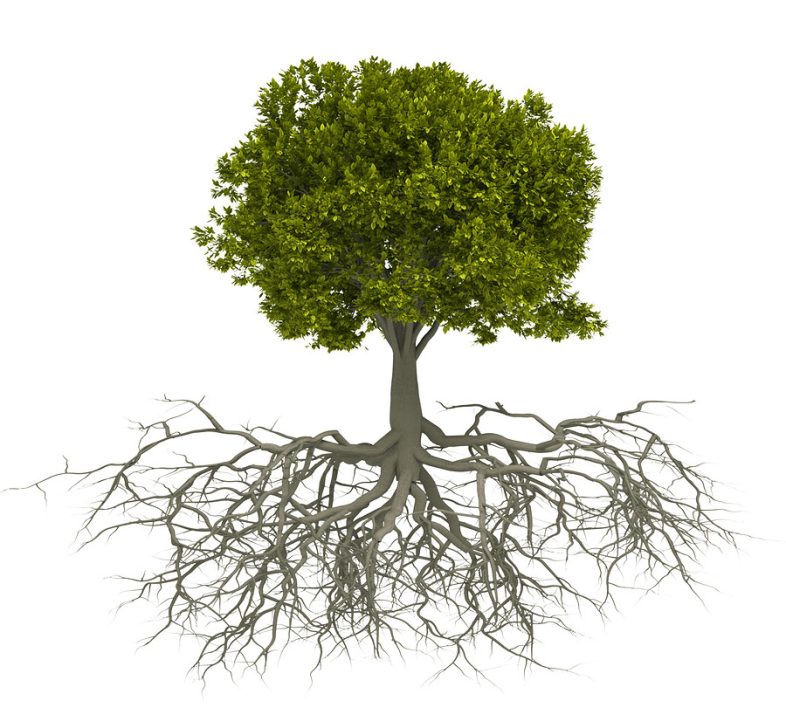
Your plants will have difficulty growing and thriving without a good root system.

What is a Plant Root Stimulator?
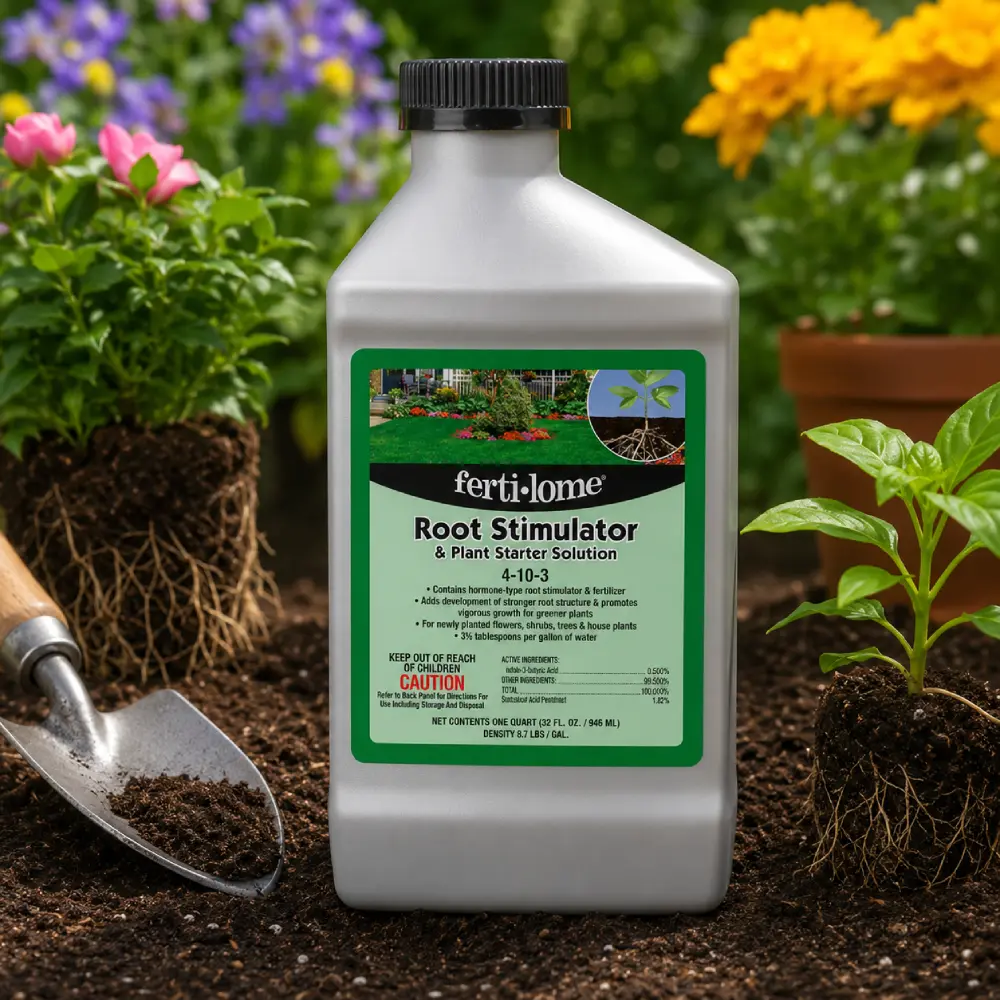
It works by stimulating the existing roots to generate more roots. It is basically used when planting new trees, shrubs, plants, or grass. The main ingredient is phosphorus, but they will also have small amounts of nitrogen and potash. Most nursery store-bought root stimulators also contain vitamin B1 or indole-3-butyric acid,
Nitrogen will help with growth and greenery. Phosphorus helps with buds, blooms, stem, and root growth. Potash helps with water and nitrogen uptake. Most commercially made root stimulators contain Auxin, which is a synthetic hormone.
It’s important to note that this type of root stimulator is not organic. These are man-made chemicals that are used in root stimulator products. They work well and will help with root growth. I recommend using them.
However, nowadays folks are always talking about organics and gardeners are also looking for viable organic solutions.
Organic Root Stimulator
There are organic root stimulators that you can use, and willow extract is the best type to use. Find out more by following this link – Willow Extract.
Bone meal is another great organic root stimulant and fertilizer. It also helps with bud and flower development. Rock phosphates are another organic fertilizer, and both can be purchased at most local nursery stores. Both will help stimulate root growth.
Most organic root stimulators contain mycorrhizal fungi that help in growing healthy roots. It’s important to note that using a fungicide to remove a fungus in your plants, lawns, or trees will kill your beneficial fungi.
Benefits of Using Root Stimulator
Using a root stimulator offers several advantages:
- Encourages rapid root development.
- Helps reduce transplant shock.
- Improves water and nutrient absorption.
- Promotes stronger, healthier plants.
- Increases survival rates for newly planted trees and shrubs.
- Supports quicker establishment in the landscape.
Although root stimulators are especially beneficial for newly planted plants, they can also help stressed plants recover after transplanting or root disturbance.
When Should You Use Root Stimulator?
Root stimulator works best:
- Immediately after planting trees and shrubs.
- When transplanting flowers, vegetables, or perennials.
- After dividing perennials.
- When moving container-grown plants into the landscape.
- Anytime roots have been disturbed.
Applying it directly to the root zone allows the product to reach the area where new roots are developing.
I highly recommend using it whenever you are planting trees, shrubs, perennials, and or annuals. You should mix about 3 or 4 tablespoons of root stimulator product to 1 gallon of water and apply to new plants, trees, and shrubs. You can do this about 2-3 times per week.
If you are using an organic root stimulator, it can be applied every day until you have exhausted your supply.
What are fertilizers? Find out here.
Got questions? Let us know by commenting below.
New to Southwest Gardening?
Stop wasting money on plants that will not survive our heat and drought.
My Southwest Gardening Made Simple eBook shows you which trees, shrubs, flowers, and vegetables actually thrive in New Mexico, Arizona, and West Texas.
The best plants for hot, dry climates
Common mistakes that kill Southwest plants
Easy-to-follow advice for beginners

Paul Guzman is a lifelong Southwest gardener and gardening writer with decades of experience helping homeowners grow beautiful landscapes in the desert Southwest. He writes for Guzman’s Garden Centers in Las Cruces, New Mexico, with contributing expertise from Gary Guzman, owner of Guzman’s Garden Centers. If you have any questions or enjoyed this post, feel free to share your thoughts in the comments below.