Care Coral Bells, botanically known as Heuchera (Hyoo-kuh-ruh), are colorful perennials grown as much for their foliage as for their flowers. If you are looking for something different for a shady or partially shaded area of your landscape, Coral Bells are worth considering.
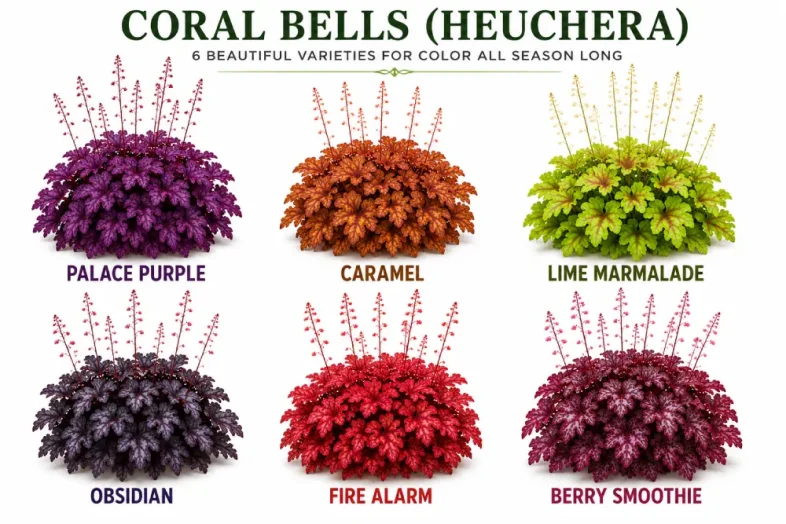
The foliage comes in an amazing range of colors, including deep burgundy, purple, lime green, caramel, bronze, silver, and almost black. Many varieties also produce small bell-shaped flowers on tall, thin stems during spring and early summer.
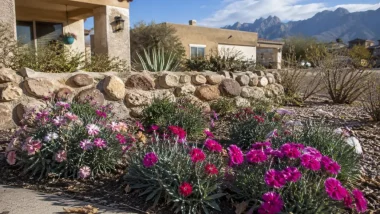
Here in the Desert Southwest, Coral Bells can do very well, but placement is extremely important. Our intense summer sun is much stronger than what these plants experience in many other parts of the country.
Where Should You Plant Coral Bells?
Coral Bells prefer morning sun with afternoon shade, especially in places like Las Cruces and throughout southern New Mexico, Arizona, and West Texas.
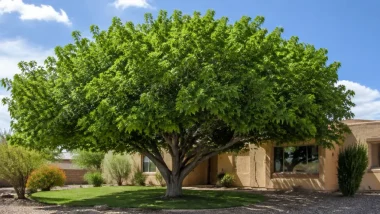
A location on the east or northeast side of your home is usually a good choice. They can also do well underneath taller trees where they receive filtered sunlight.
Avoid planting Coral Bells against a hot south- or west-facing wall where they will receive reflected afternoon heat. The intense summer sun can scorch the foliage and make the plant look burned.
Remember, Coral Bells are not desert plants. They need more protection and somewhat more consistent moisture than plants such as Red Yucca, Texas Sage, or Desert Willow.
Soil and Drainage
Good drainage is important.
Coral Bells prefer loose, well-draining soil with plenty of organic matter. Unfortunately, many of us in the Desert Southwest have heavy clay, rocky, sandy soil, or caliche.
If this sounds like your yard, amend the planting area with a good-quality compost or soil conditioner before planting. Don’t just dig a small hole and fill it with soft potting soil. It is better to improve a wider area around the plant so the roots can gradually grow into the surrounding soil.
Coral Bells do not like sitting in soggy soil. Too much water combined with poor drainage can eventually cause crown and root rot.
Watering Coral Bells
Newly planted Coral Bells need regular watering until their roots become established.
During spring, check the soil regularly and water when the upper portion begins to dry. As temperatures climb into summer, you will probably have to water more frequently.
Do not let them completely dry out during our hot Southwest summers.
At the same time, don’t keep the soil constantly soaking wet. The goal is evenly moist, well-drained soil.
Adding about 2 inches of organic mulch around the plant will help keep the roots cooler and reduce moisture loss. Keep the mulch slightly away from the crown of the plant.
Coral Bells During Spring
Spring is probably the best time of year for Coral Bells in the Southwest.
This is when you will see fresh foliage emerging and the plant beginning to fill out. Depending on the variety, flower stalks may begin appearing during late spring.
Spring is also an excellent time to plant Coral Bells because it gives them time to establish roots before the extreme heat of June and July arrives.
You can apply a light application of a balanced fertilizer during early spring. Don’t overdo it. Coral Bells don’t need heavy amounts of fertilizer to look good.
Remove old or damaged winter foliage as new growth begins appearing.
Coral Bells During Summer
Summer is when you really have to pay attention to your Coral Bells.
Our intense afternoon sun and temperatures above 100°F can stress the plant quickly. Even varieties advertised as sun tolerant will appreciate afternoon shade in southern New Mexico.
Watch for:
- Brown or crispy leaf edges
- Wilting during the afternoon
- Bleached or faded foliage
- Dry soil
- Scorched leaves
A little afternoon wilting during extreme heat doesn’t always mean the plant needs more water. Check the soil first. Overwatering a heat-stressed plant can create another set of problems.
If your Coral Bells are planted in containers, remember that pots dry out considerably faster than garden soil during summer.
Coral Bells During Fall
Fall is another excellent season for Coral Bells.
As our nighttime temperatures begin cooling, plants that struggled during July and August often start looking much better.
You may see fresh foliage developing again once the worst summer heat is over.
Fall is also a good time to clean up damaged leaves and apply a light layer of compost around established plants.
You can plant Coral Bells during early fall in the Desert Southwest, but give them enough time to establish roots before consistently freezing weather arrives.
Coral Bells During Winter
In warmer climates, you may read that Coral Bells are evergreen or semi-evergreen. That doesn’t necessarily apply to our climate.
Here in the Desert Southwest, Coral Bells will typically go dormant during winter, especially after repeated freezes and cold nighttime temperatures.
The foliage may turn brown, collapse, or disappear almost completely. Don’t assume the plant has died.
The root system and crown can remain alive underground and begin producing fresh growth once temperatures warm during late winter or early spring.
I recommend leaving the crown alone during the coldest part of winter. A light layer of mulch can help insulate the roots from sudden temperature changes.
Once spring arrives and you see new growth, remove the old dead foliage.
Growing Coral Bells in Containers
Coral Bells look great in decorative pots, particularly varieties with purple, burgundy, lime-green, or caramel-colored leaves.
Use a container with good drainage holes and a quality potting mix.
Place the container where it gets morning sun but protection from the afternoon sun.
One thing to remember is that containers heat up quickly in our climate. A Coral Bells plant growing in a pot may require considerably more frequent watering during June, July, and August than one planted in the ground.
During winter, container-grown plants are also more exposed to freezing temperatures because cold air surrounds the root system.
Popular Coral Bells Varieties
There are dozens of excellent Heuchera varieties available, and new ones seem to show up every year.
Palace Purple
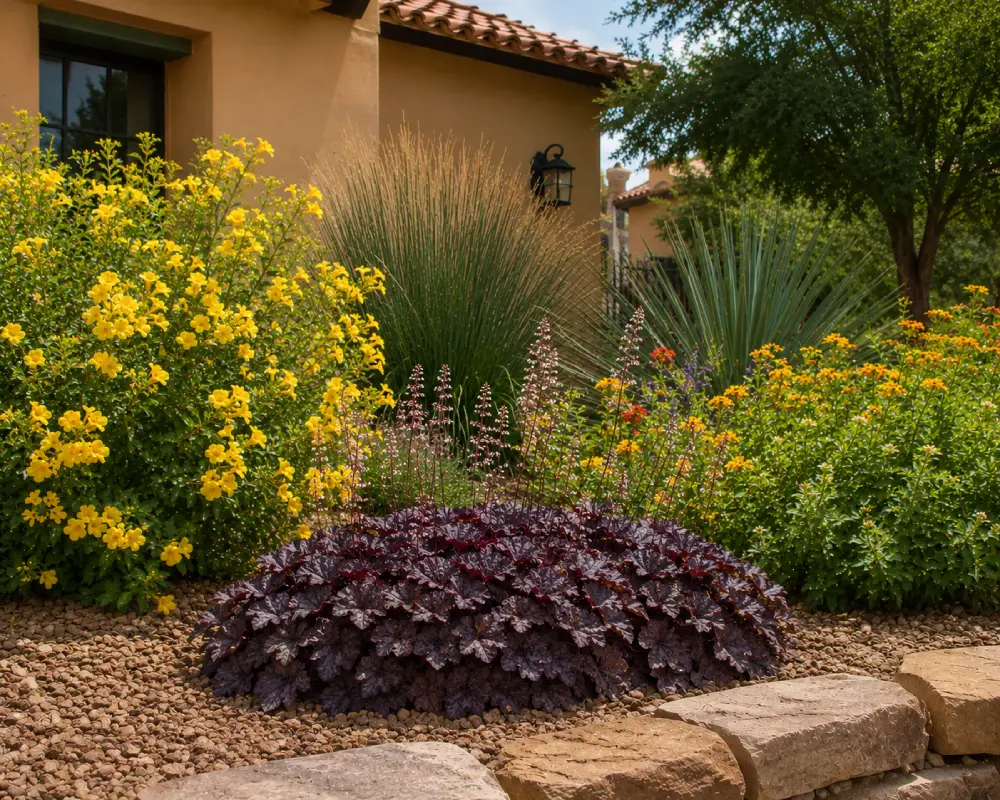
One of the better-known varieties. It produces deep bronze to purple foliage and provides excellent contrast against green plants.
Caramel
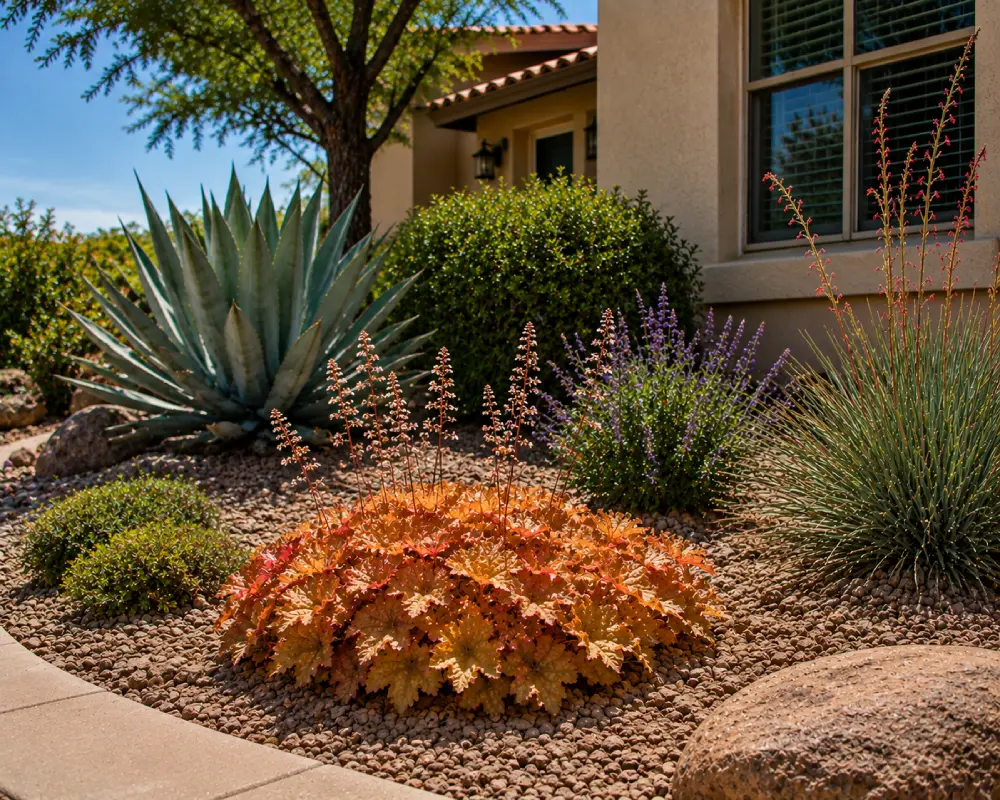
This is one of my favorites for adding a warm color to a shady garden. The foliage ranges from caramel and apricot to golden brown.
Lime Marmalade
If you want something bright, this one is hard to miss. It produces ruffled lime-green foliage that really stands out in a shaded landscape.

Obsidian
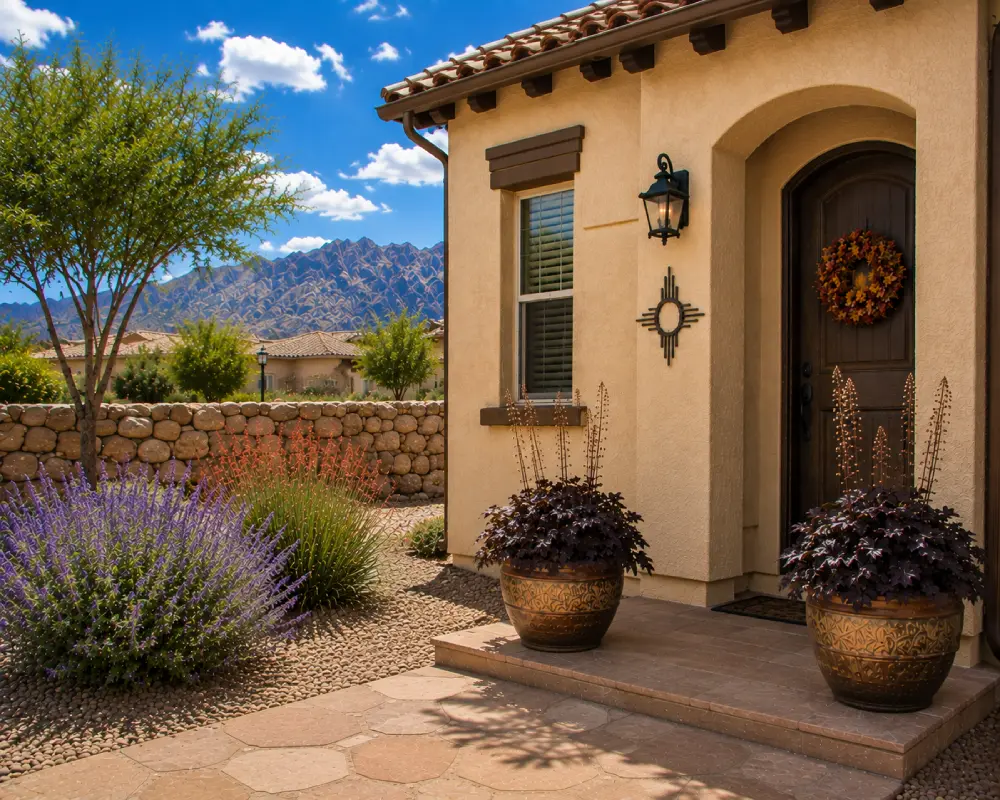
A dramatic variety with extremely dark purple foliage that can look almost black. It makes an excellent contrast plant.
Fire Alarm
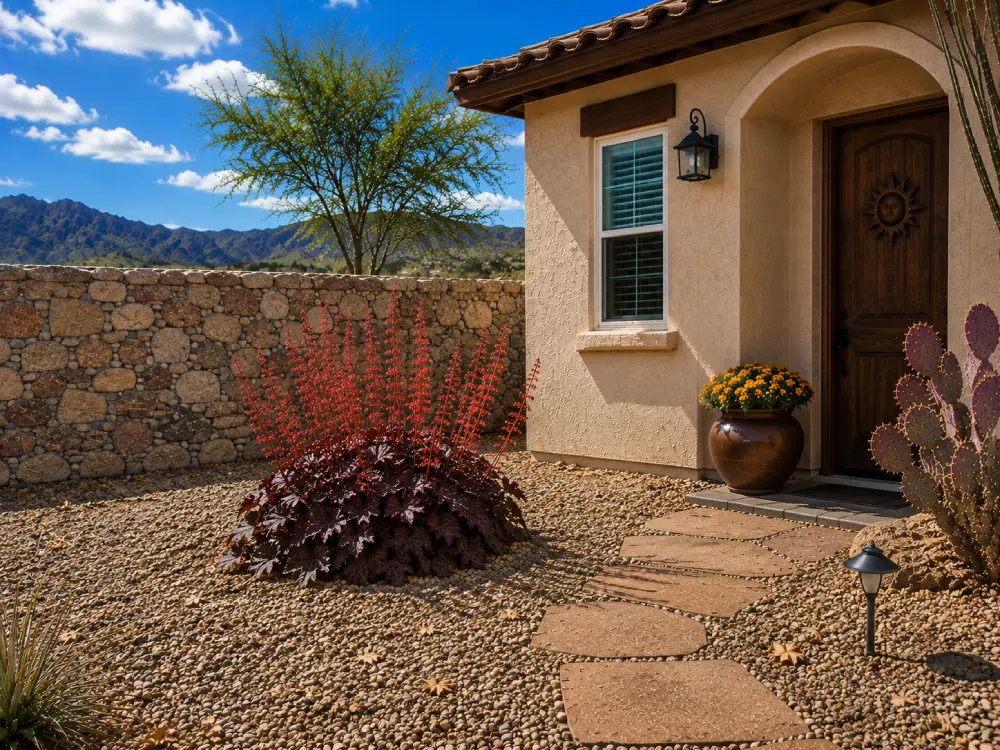
This variety produces brilliant red to reddish-orange foliage. The color can change somewhat throughout the growing season.
Berry Smoothie
A colorful variety with rose-pink to purple foliage. The leaves can change shades as they mature.
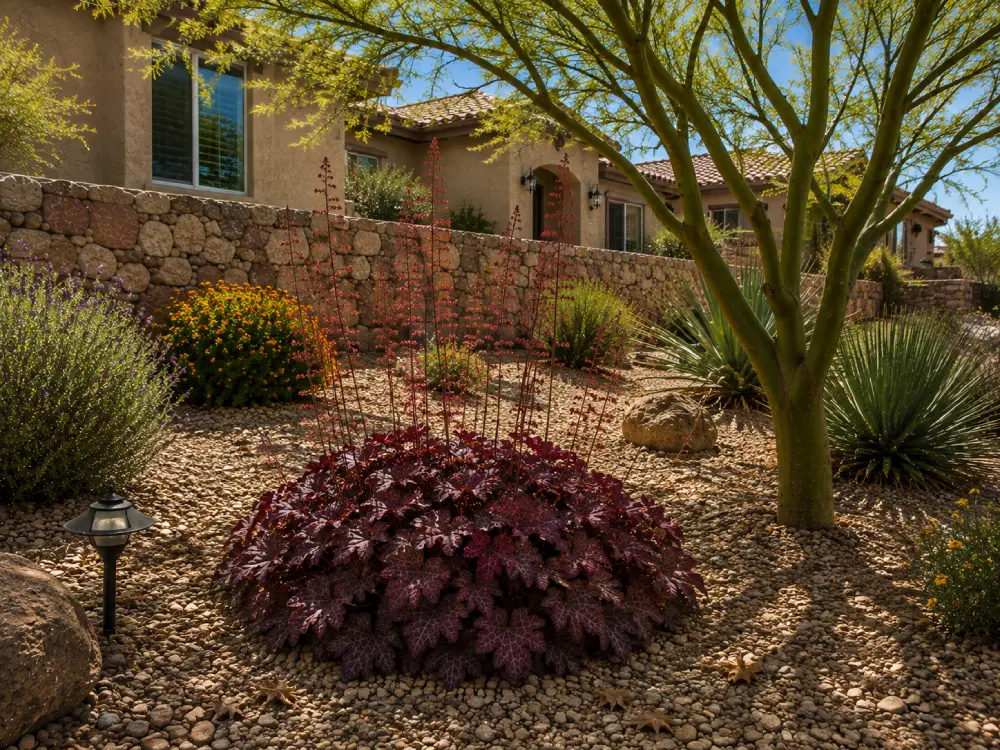
Availability will vary from year to year, so don’t be surprised if you find different varieties at the garden center each spring.
Do Coral Bells Flower?
Yes, and this is where the common name “Coral Bells” comes from.
Small bell-shaped flowers develop on slender stems that rise above the foliage. Depending on the variety, flowers can be white, pink, coral, or reddish.
The flowers are attractive, but I think the real show is the foliage. Unlike a flowering perennial that might bloom for several weeks, colorful Heuchera leaves can provide interest throughout much of the growing season.
The flowers can also attract hummingbirds and other pollinators.
How Large Do Coral Bells Get?
Most varieties grow approximately 8 to 18 inches tall, not including the taller flower stems.
The plants normally spread somewhere around 12 to 24 inches wide, depending on the variety and growing conditions.
This makes them excellent plants for borders, shaded walkways, underneath taller shrubs, and mixed perennial beds.
Good Companion Plants
Coral Bells look especially good when mixed with plants that have contrasting foliage.
Consider using them with:
- Hostas in protected locations
- Ferns
- Columbine
- Ajuga
- Liriope
- Shady ornamental grasses
- Other shade-loving perennials
In the Southwest, just make sure all the plants grouped together have similar watering and light requirements.
Pests and Problems
Coral Bells are generally easy to care for when planted in the right location.
Root rot is probably one of the bigger concerns if the soil stays too wet. Spider mites can sometimes become a problem during hot, dry weather.
You may also notice leaf scorch during summer. In our area, this is often a location or heat problem rather than a disease.
If the leaves facing the afternoon sun are turning crispy and brown, take a close look at how much direct sunlight the plant is receiving.
Frequently Asked Questions About Coral Bells
Do Coral Bells grow well in Las Cruces?
Yes. They can grow well in Las Cruces and southern New Mexico when planted in the right location. Morning sun and afternoon shade are best.
Can Coral Bells take full sun?
I don’t recommend full-day sun in the Desert Southwest. Our summer sunlight is simply too intense. Some varieties tolerate more sun than others, but afternoon shade is a much safer choice.
Do Coral Bells come back every year?
Yes. Coral Bells are perennials. Healthy plants should return from their roots and crown each spring.
Do Coral Bells stay green during winter?
Not necessarily. In the Desert Southwest, Coral Bells normally go dormant during winter after freezing temperatures arrive. Don’t remove the plant just because the foliage dies back.
When should I cut Coral Bells back?
Wait until late winter or early spring. Once you see new growth developing, remove the old brown or damaged foliage.
Can Coral Bells grow in pots?
Yes. They make excellent container plants. Just remember that containers dry out faster during our hot summers and the roots are more exposed to freezing temperatures during winter.
When is the best time to plant Coral Bells?
Spring is an excellent time. Early fall can also work well in the Desert Southwest as long as the plants have enough time to establish before cold weather.
FAQ on Coral Bells
Are Coral Bells dog- and cat-friendly?
Yes. Coral Bells (Heuchera) are considered non-toxic to dogs and cats, making them a good perennial choice for pet-friendly landscapes. However, eating a large amount of any plant material can still cause an upset stomach, so it is best to discourage pets from chewing on the foliage.
Final Thoughts
Coral Bells are not the first plant people think about when landscaping in the Desert Southwest, but that’s exactly what makes them interesting.
If you have a shady spot where flowering plants struggle, try adding a few Coral Bells for color. The purple, lime-green, caramel, bronze, and burgundy foliage can brighten an otherwise dull area of the landscape.
The biggest thing to remember is location, location, location.
Give them good soil, good drainage, regular moisture, morning sunlight, and protection from our brutal afternoon summer sun. Do that, and Coral Bells can be a beautiful perennial addition to your Southwest garden.
More information on Coral Bells here. Penn State Extension – Native Groundcovers — specifically discusses Heuchera (Coral Bells), including heat tolerance. This would fit nicely in your Coral Bells During Summer or varieties section.

New to Southwest Gardening?
Stop wasting money on plants that will not survive our heat and drought.
My Southwest Gardening Made Simple eBook shows you which trees, shrubs, flowers, and vegetables actually thrive in New Mexico, Arizona, and West Texas.
The best plants for hot, dry climates
Common mistakes that kill Southwest plants
Easy-to-follow advice for beginners

Paul Guzman is a lifelong Southwest gardener and gardening writer with decades of experience helping homeowners grow beautiful landscapes in the desert Southwest. He writes for Guzman’s Garden Centers in Las Cruces, New Mexico, with contributing expertise from Gary Guzman, owner of Guzman’s Garden Centers. If you have any questions or enjoyed this post, feel free to share your thoughts in the comments below.