Some indoor plants will survive in a darker corner of your home, but surviving and blooming are two different things. Flowering houseplants usually need considerably more light than plants grown mainly for their foliage.
If your indoor plant looks healthy but refuses to bloom, insufficient light is often the problem. It may continue producing green leaves, but it might not have enough energy to develop flower buds.
Most flowering houseplants need considerably more light than foliage plants to produce healthy, dependable blooms. For additional guidance, see this flowering houseplant care guide from Iowa State University Extension.
Here are seven indoor plants that need bright light to bloom and look their best.
What Does Bright Light Mean for Indoor Plants?
Bright indoor light usually comes from an unobstructed south-, southwest-, or west-facing window. An east-facing window can also work well for plants that enjoy bright light but need protection from intense afternoon sun.
Here in Las Cruces and throughout the Desert Southwest, sunlight coming through a south- or west-facing window can be very strong. Some plants should be placed directly in front of the window, while others may need to sit a few feet back or behind a sheer curtain.
Watch the leaves and stems for signs that the light needs to be adjusted:
- Long, weak, or stretched growth usually means the plant needs more light.
- No flowers after several months of healthy growth can indicate insufficient light.
- Brown or bleached patches may mean the sunlight is too intense.
- A plant leaning heavily toward the window needs more even light.
- Large spaces between leaves are another sign of insufficient light.
Rotate your flowering plants about one-quarter turn every week or two. This encourages even growth and prevents them from leaning too far toward the window.
1. Tropical Hibiscus
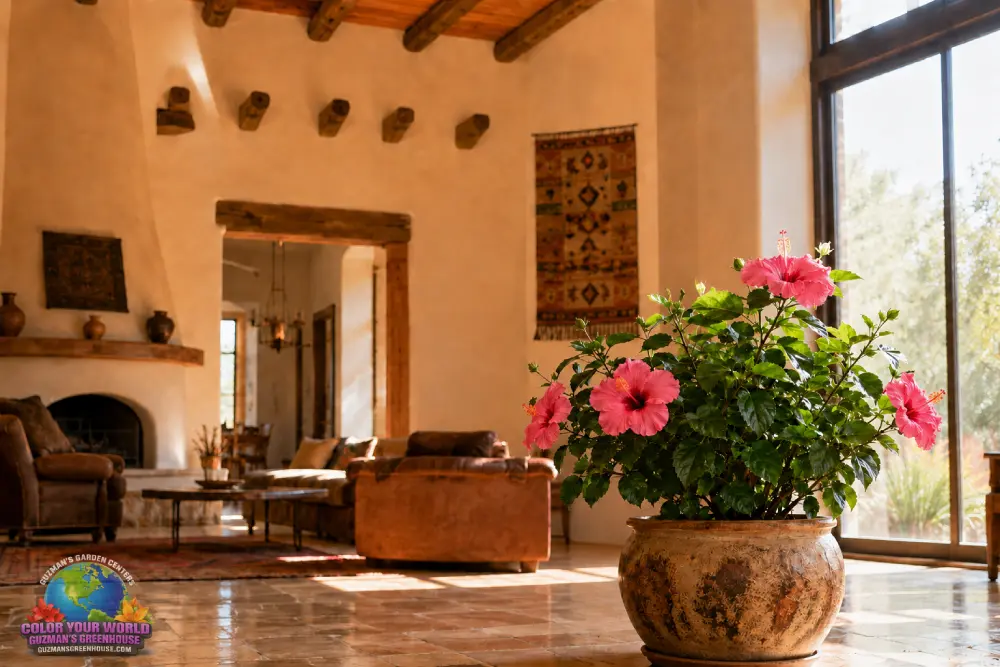
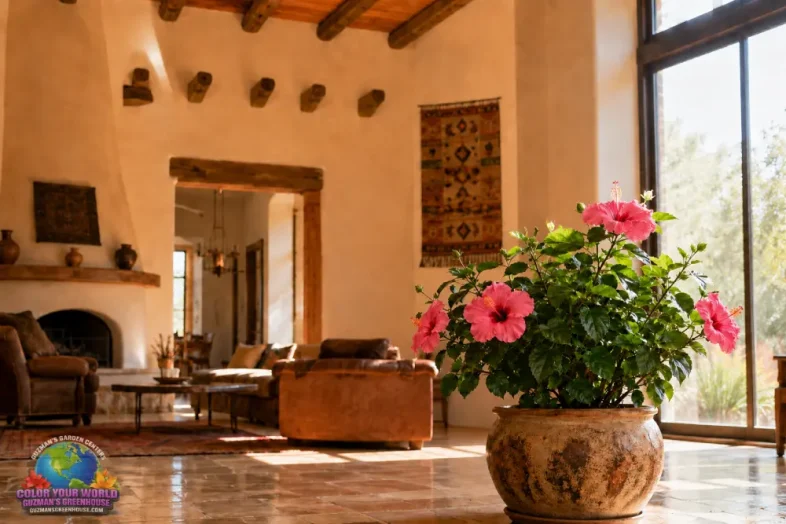
A tropical hibiscus produces some of the largest and most colorful flowers you can grow indoors. The blooms may be red, pink, yellow, orange, white, or a combination of colors.
Hibiscus needs several hours of strong light each day to continue blooming. Place it close to a south- or west-facing window. If it receives insufficient light, it may remain green and healthy-looking but stop producing flower buds.
Keep the soil slightly moist but never soggy. Hibiscus plants also appreciate regular feeding during spring and summer. Use a fertilizer formulated for flowering plants and follow the directions on the label.
Watch for spider mites, whiteflies, and aphids, especially when bringing a hibiscus indoors after it has spent the summer outside.
2. Desert Rose
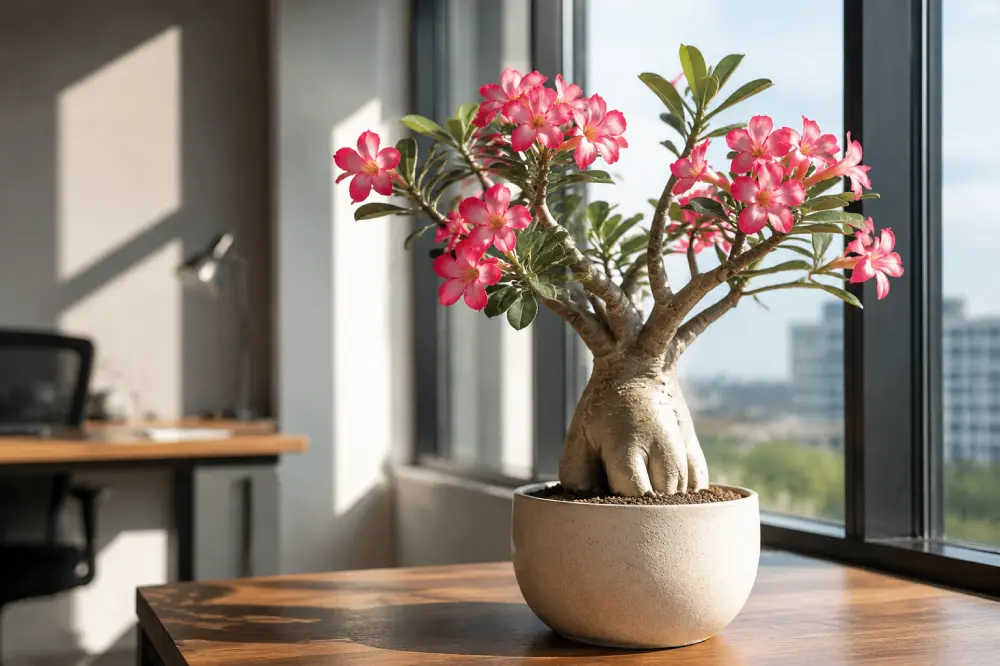
Desert rose, or Adenium obesum, is a beautiful succulent with a thick, swollen trunk and trumpet-shaped flowers. Depending on the variety, its flowers may be pink, red, white, or multicolored.
This plant needs a warm location and plenty of direct sunlight. Place it in one of the brightest windows in your home. A desert rose that does not receive enough light will develop stretched growth and may stop flowering.
Plant desert rose in a fast-draining cactus or succulent mix. The container must have drainage holes because the thick roots and trunk are susceptible to rot.
Water it thoroughly during active growth, and then allow the soil to dry before watering again. Reduce watering considerably during its winter resting period.
Desert rose sap is toxic. Wear gloves when pruning it and keep the plant out of the reach of children and pets.
3. Crown of Thorns
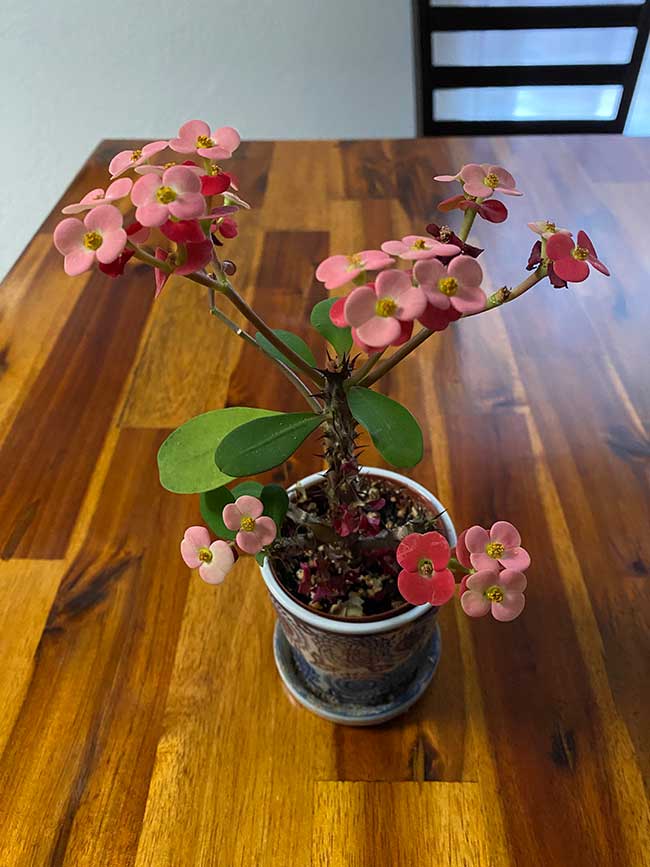
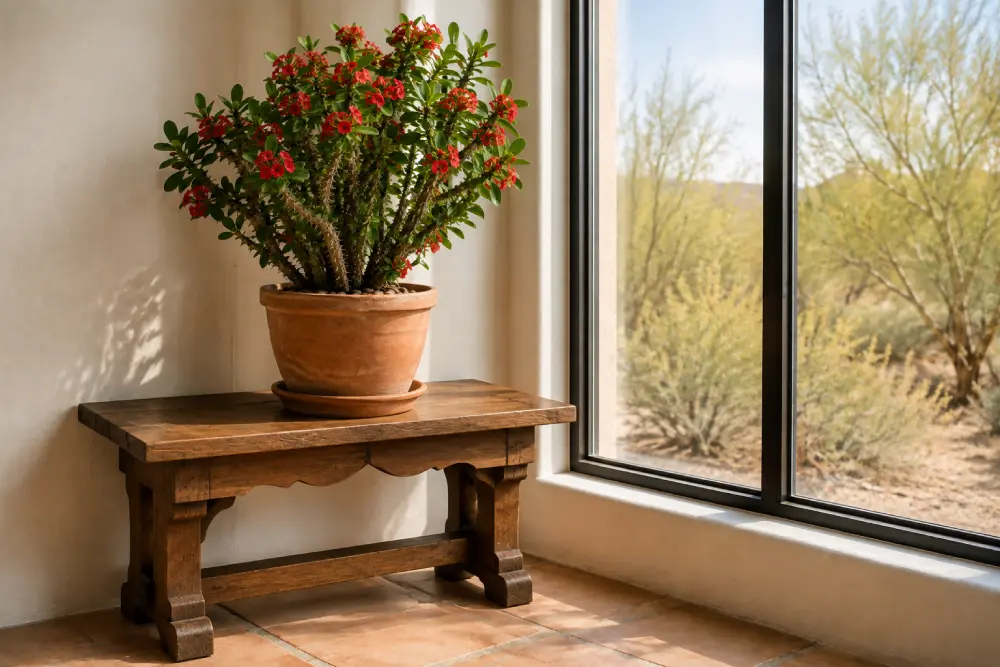
Crown of thorns is another sun-loving plant that can bloom for much of the year when grown under the right conditions. Its small flowers are surrounded by colorful red, pink, yellow, or white bracts.
Place crown of thorns near a sunny south- or west-facing window. The more usable light it receives, the more likely it is to produce flowers.
Crown of thorns tolerates dry indoor conditions and should not be overwatered. Allow the upper portion of the soil to dry before watering again. Always use a container with good drainage.
This plant has sharp thorns and an irritating sap. Handle it carefully, wear gloves when pruning, and keep it away from pets and young children.
4. Kalanchoe

Kalanchoe is a popular flowering succulent commonly sold during fall, winter, and early spring. Its clusters of small flowers are available in red, orange, yellow, pink, and white.
It grows best in bright light and can tolerate some gentle direct sunlight. An east- or south-facing window is usually a good location.
Kalanchoe is a short-day plant. This means it needs long, uninterrupted periods of darkness before it will develop another round of flower buds.
During fall, give the plant approximately 14 hours of uninterrupted darkness each night for about six weeks. A closet or unused room may work, provided the plant is returned to bright light during the day.
Even light from lamps or televisions can interrupt the required dark period. Once flower buds appear, you can return the plant to its usual bright location.
Allow the soil to dry slightly between waterings. Never leave the container sitting in water because kalanchoe is susceptible to root rot.
5. Geranium
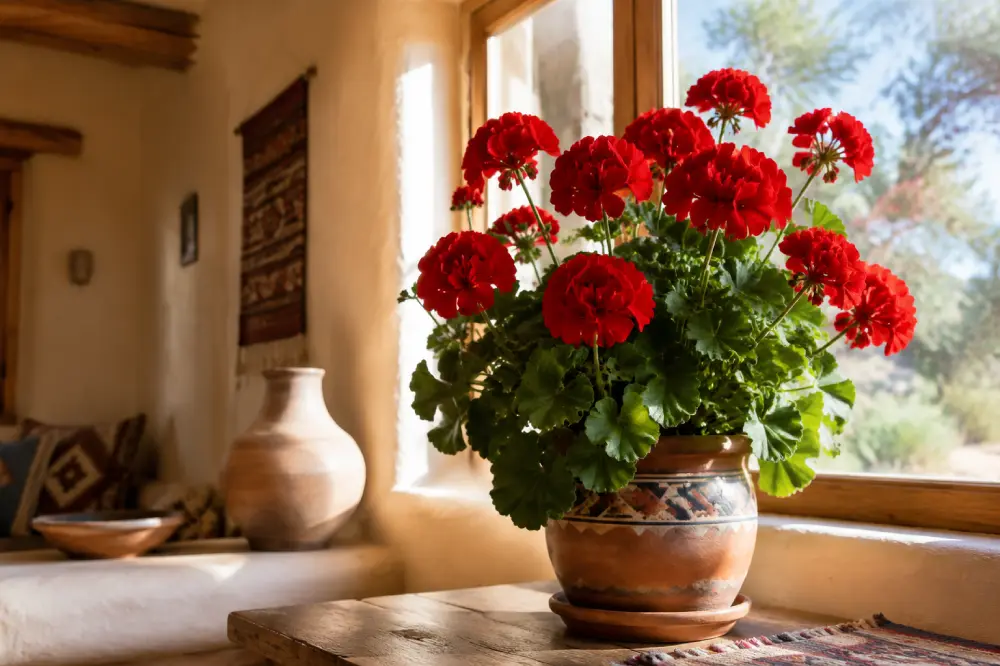
Geraniums, technically known as Pelargonium, can be brought indoors and grown as flowering houseplants. However, they need a sunny location to continue producing flowers.
A south- or west-facing window is usually best. Without sufficient light, geraniums become leggy and produce few or no flowers.
Allow the top inch of soil to dry before watering. Remove faded flowers to encourage additional blooms. Pinching or pruning long stems will help the plant remain compact and bushy.
Geraniums prefer good air circulation and slightly cooler nighttime temperatures. Avoid placing them directly beside a heating vent.
If natural light is limited during winter, an LED grow light may be necessary to keep them compact and flowering.
6. African Violet
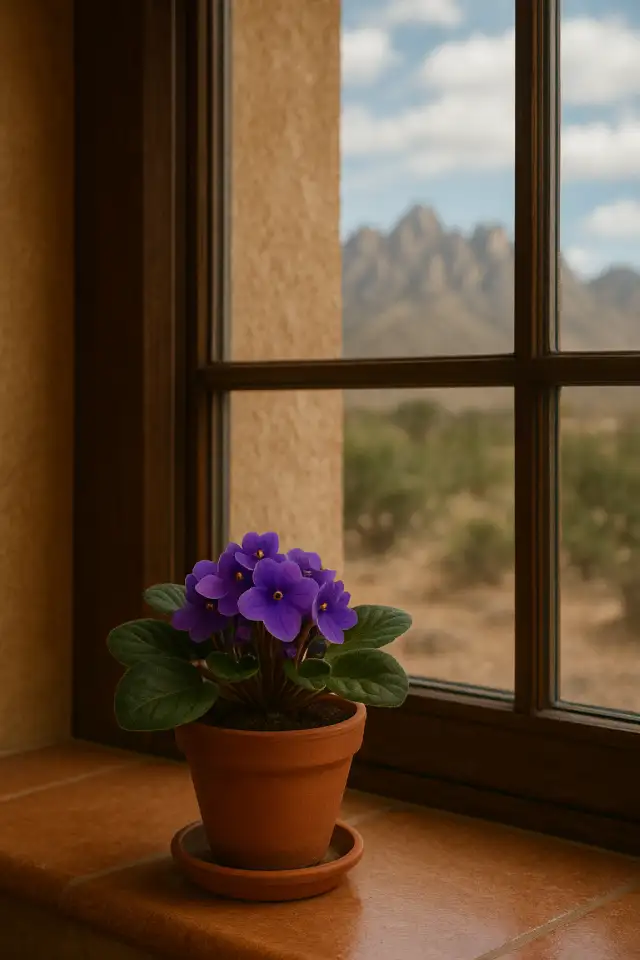
African violets do not need intense desert sunlight, but they need plenty of bright, filtered light to bloom consistently.
An east- or north-facing window may provide enough light, especially here in southern New Mexico. Keep them away from strong afternoon sunlight, which can burn their fuzzy leaves.
The leaves can help you determine whether the plant is receiving the right amount of light. Leaves that stretch upward can indicate insufficient light. Pale leaves or scorched areas may mean the light is too strong.
Water African violets with room-temperature water and avoid splashing cold water on the foliage. Water when the surface of the potting mix begins to feel slightly dry, but do not allow the roots to remain soggy.
African violets grown under LED or fluorescent lights generally need about 14 to 16 hours of light followed by eight to ten hours of darkness each day.
7. Orchids
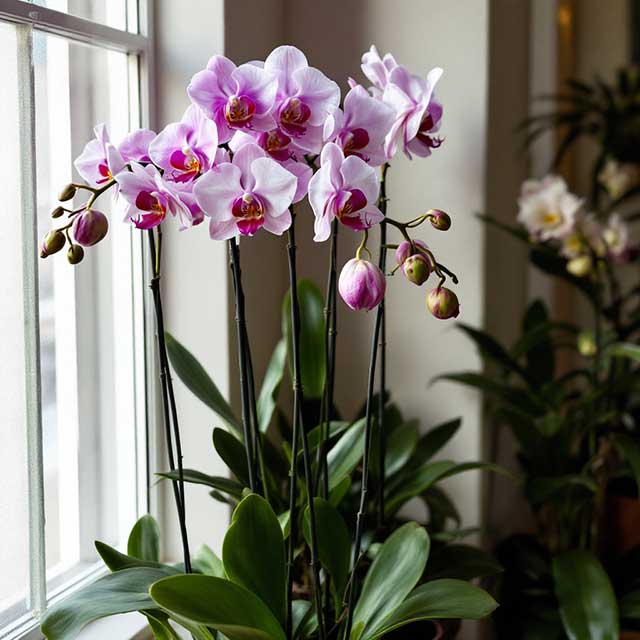
Many orchids need bright, indirect light to bloom again. The popular Phalaenopsis orchid does well near an east-facing window or a short distance away from a bright south-facing window.
The color of the leaves can help you judge the light level. Healthy Phalaenopsis leaves should generally be medium green. Very dark green leaves can indicate insufficient light, while pale or yellowish leaves may mean the light is too strong.
Do not plant orchids in regular potting soil. Most need a loose orchid bark mixture that allows water to drain and air to circulate around the roots.
Water thoroughly and let the excess drain away. Never allow an orchid container to remain submerged in water.
After the original flowers fade, continue providing proper light, water, and fertilizer. Orchids are often discarded too soon, even though healthy plants can bloom again.
Do Flowering Indoor Plants Need Direct Sunlight?
Not every flowering indoor plant needs direct sunlight.
Hibiscus, desert rose, crown of thorns, and geraniums generally perform best with some direct sun. African violets and many orchids prefer bright but indirect or filtered light.
Strong afternoon sunlight coming through glass can become extremely hot, especially in southern New Mexico. If you notice bleached, brown, or dry areas on the leaves, move the plant farther from the window or use a sheer curtain to filter the sunlight.
Bright indirect light is generally bright enough to cast a noticeable shadow without the sun’s rays hitting the foliage for several hours.
Using a Grow Light for Indoor Flowers
If your home does not have a sufficiently bright window, an LED grow light can make a big difference.
Place the light according to the manufacturer’s directions because the proper distance depends on the strength and design of the fixture. A weak light positioned too far from a plant will not provide enough energy for flowering.
For many indoor plants, running a grow light for approximately 12 to 14 hours per day is a good starting point. African violets may need as much as 14 to 16 hours.
Use an inexpensive timer to maintain a consistent schedule. Do not leave the light on continuously because plants need a period of darkness.
Remember that kalanchoe needs long, uninterrupted nights to trigger flower-bud development. More hours under a grow light will not replace this required dark period.
Other Reasons an Indoor Plant May Not Bloom
Light is usually the first thing to check, but it is not the only reason an indoor plant may fail to flower.
Common causes include:
- Too much nitrogen fertilizer
- Overwatering or poor drainage
- Extremely dry indoor air
- Incorrect temperatures
- A container that is too large
- Repotting the plant too frequently
- Failure to provide a winter resting period
- Pruning at the wrong time
- Insects such as spider mites, scale, aphids, or mealybugs
Do not try to force flowering by adding excessive fertilizer. If the plant does not receive enough light, additional fertilizer will not solve the problem and may burn its roots.
A fertilizer with a lower first number and slightly higher middle number may be helpful for certain flowering plants. However, always follow the product label and avoid fertilizing a dry or severely stressed plant.
Final Thoughts
Flowering indoor plants need the right combination of light, water, temperature, and nutrition. However, adequate light is often the most important factor.
Before purchasing a flowering plant, look at the windows in your home and decide where the plant will go. Matching the plant to your available light will make it much easier to keep it healthy and encourage it to bloom again.
Stop by either Guzman’s Garden Centers location in Las Cruces for indoor plants, decorative containers, potting soil, fertilizers, and advice on choosing the right plant for your home.
Frequently Asked Questions
What indoor plant flowers the most?
Crown of thorns, African violets, hibiscus, and some orchids can flower repeatedly when they receive the proper light and care. Crown of thorns is one of the most dependable choices for a warm, sunny window.
Which window is best for flowering indoor plants?
A south-facing window normally provides the strongest indoor light. West-facing windows also provide strong light but may become very hot during summer. East-facing windows offer gentler morning sunlight and work well for orchids, African violets, and plants that prefer filtered light.
Why is my indoor plant growing leaves but not flowers?
Insufficient light and excessive nitrogen fertilizer are two common causes. The plant may also need a resting period, cooler nighttime temperatures, or a specific number of uninterrupted dark hours before it can form flower buds.
Can regular LED bulbs help indoor plants bloom?
Some bright LED bulbs can help, but fixtures designed for growing plants usually provide better coverage and intensity. A full-spectrum LED grow light placed at the proper distance is the simplest option for most homeowners.
How many hours of light do flowering indoor plants need?
Many flowering indoor plants perform well with approximately 12 to 14 hours under a grow light. African violets may need 14 to 16 hours. Plants growing in a sunny window may need fewer hours of supplemental light.
Should grow lights stay on all night?
No. Indoor plants need a regular period of darkness. Leaving a grow light on continuously can interfere with normal growth and may prevent certain plants from developing flower buds.
Can too much sunlight keep a plant from blooming?
Yes. Excessively intense sunlight can bleach or scorch the foliage and place the plant under stress. Some flowering plants need direct sun, while others bloom best in bright, indirect light.
New to Southwest Gardening?
Stop wasting money on plants that will not survive our heat and drought.
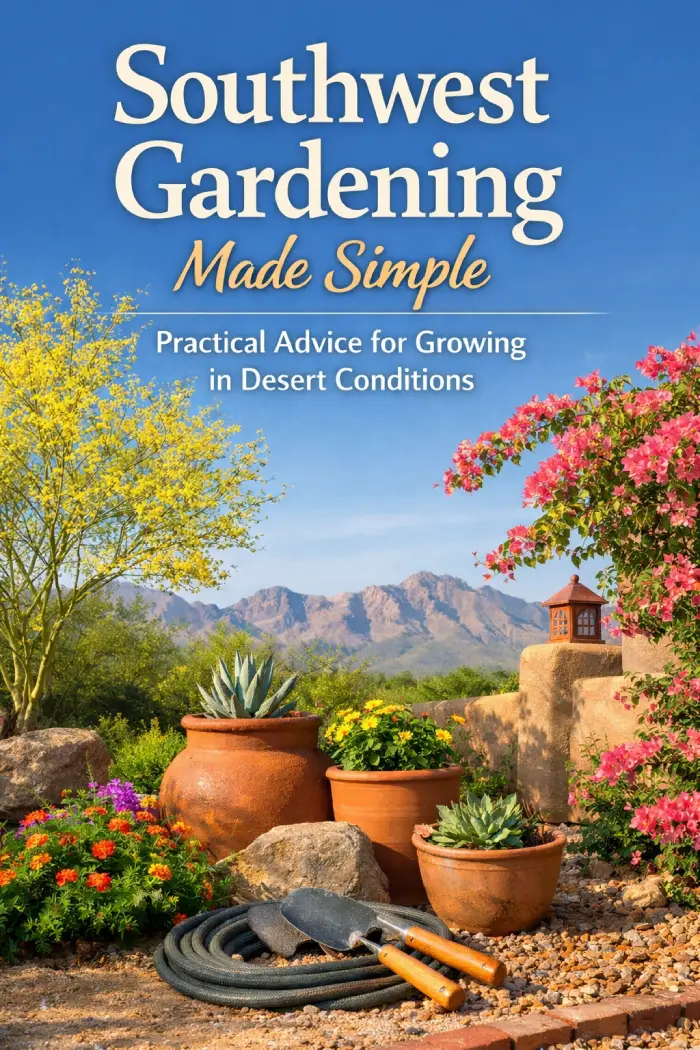
My Southwest Gardening Made Simple eBook shows you which trees, shrubs, flowers, and vegetables actually thrive in New Mexico, Arizona, and West Texas.
The best plants for hot, dry climates
Common mistakes that kill Southwest plants
Easy-to-follow advice for beginners

Paul Guzman is a lifelong Southwest gardener and gardening writer with decades of experience helping homeowners grow beautiful landscapes in the desert Southwest. He writes for Guzman’s Garden Centers in Las Cruces, New Mexico, with contributing expertise from Gary Guzman, owner of Guzman’s Garden Centers. If you have any questions or enjoyed this post, feel free to share your thoughts in the comments below.