Last updated on July 25th, 2026 at 04:07 pm
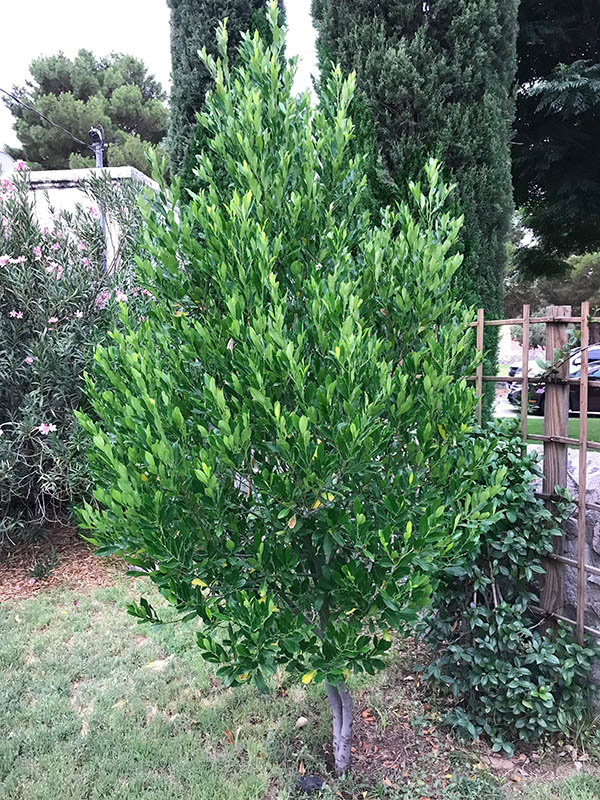
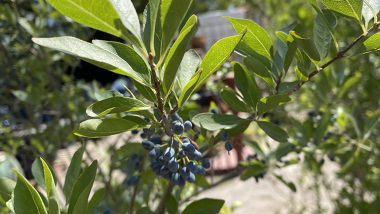
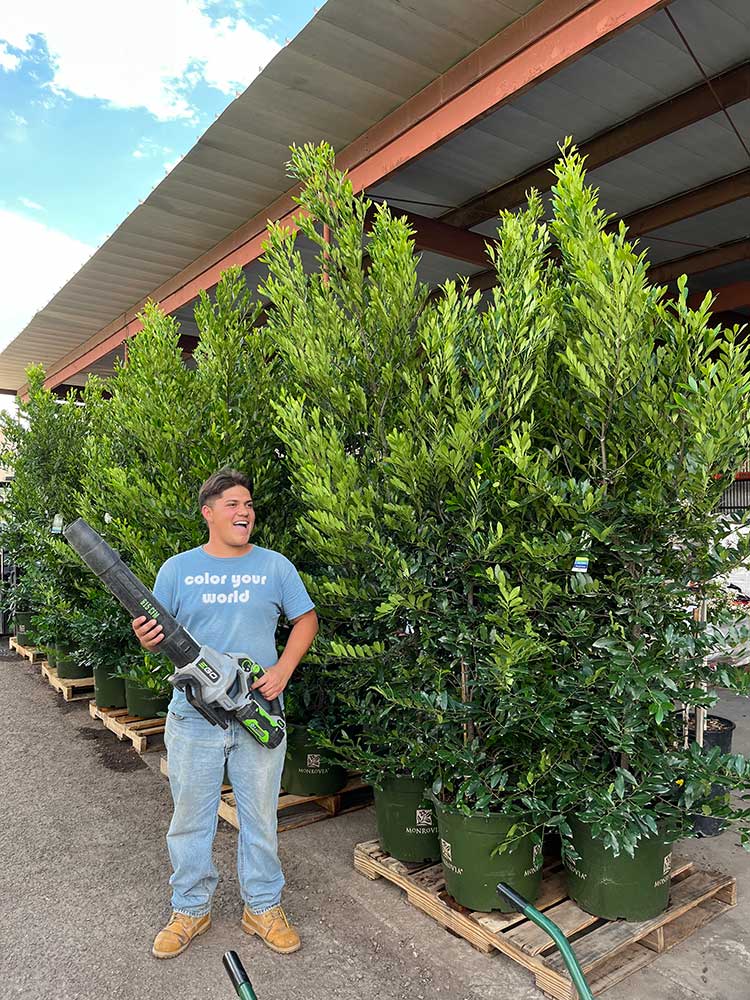
The Carolina Laurel Tree in the Southwest( ‘Bright ‘N Tight’ Carolina Cherry Laurel ) is an excellent tree for the patio or small backyard. They look great in the Southwest, provided they are given lots of water during the first 3-4 years after initial planting. They are considered a water-loving tree around the Southwest, and rightly so. They do like moderate watering once it is well established.
There are many people who are surprised to know that this evergreen tree will do well in the hot desert heat! But they will be providing you with the advice we give here.
How tall does the Carolina Laurel Tree get?
The Carolina Laurel Tree, also called the bright and tight laurel, stays pretty small compared to other trees. It usually grows to around 8 to 10 feet tall and spreads out to about 7 feet wide. This makes it a good pick for smaller yards or spots where you don’t want a huge tree taking over. It keeps its dark green leaves all year, so your yard won’t look empty in winter. Some people think it’s too small if they want lots of shade, but its size makes trimming and shaping much easier. If you want a neat, tidy tree that won’t crowd your space, this one works well.
Soil and Watering Requirements
Compact Cherry Laurels grow best in fertile, well-drained soil similar to the conditions found in their natural habitat. They do not perform well in soil that remains constantly wet, so good drainage is essential. In the alkaline soils found throughout the desert Southwest, adding compost or a quality planting mix around the planting area can help improve the soil structure. Avoid placing amendments only inside the planting hole, as this may restrict the roots from spreading into the surrounding soil.
A properly installed drip-irrigation system works well for these evergreen shrubs. Newly planted Compact Cherry Laurels may need watering approximately three times per week during hot, dry weather. Running the drip system for about 30 minutes per watering can be a starting point, but the correct watering time depends on the number of emitters and how many gallons per hour they release.
As the plant grows, move the emitters farther away from the trunk and place them beneath the expanding canopy. This encourages the root system to spread outward. Established plants should be watered deeply but may not need water as frequently as newly planted ones. Always check the soil before watering and avoid keeping the root zone continually soggy.
Growth and Landscape Uses
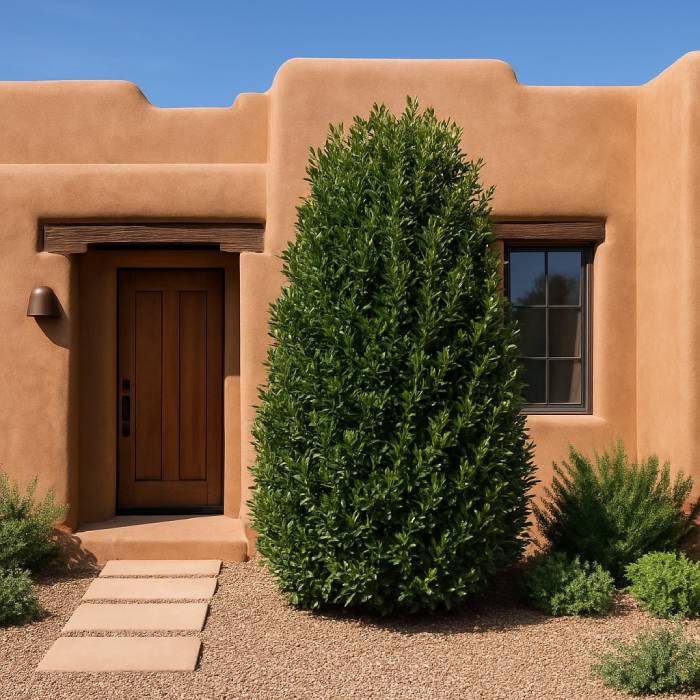
The Compact Cherry Laurel is a moderate-growing evergreen shrub or small tree. Under good growing conditions, it can reach approximately 10 to 12 feet tall and 6 to 8 feet wide. Its dense branching and closely spaced, glossy green leaves give it a full appearance throughout the year.
Small clusters of creamy-white flowers appear in early spring. The individual flowers are not especially large or colorful, but the upright flower clusters are noticeable against the plant’s dark-green foliage. The flowers may also attract bees and other pollinators.
This is an excellent plant for creating an evergreen border, privacy screen or tall hedge. Plant several in a row to help block an unattractive view, soften a wall or provide privacy between neighboring properties. It can also be pruned into a formal hedge or trained into a small ornamental tree. When planting a privacy screen, allow approximately 4 to 6 feet between plants, depending on how quickly you want the branches to fill in.
It’s an evergreen plant, meaning it retains its lush, green leaves all year long. This constant foliage ensures your space stays vibrant and lively, no matter the season. Whether it’s the dead of winter or the height of summer, it remains a reliable source of natural beauty, making it a standout choice for maintaining a consistent, fresh look in your home or garden.
How often should you fertilize?
Feed your Carolina Laurel at least three times a year using a standard tree fertilizer. Apply it once in the spring, again at the beginning of summer, and a final time in the fall.
When you first plant it, water the tree every day for the first three to four weeks. Don’t skip days—even if you get a little rain. During this early stage, consistent watering is critical.
After those first few weeks, you can return to your normal watering routine.
Some people try to cut back on water or rely on quick, light watering, but Carolina Laurels perform much better with steady, consistent care—especially in the beginning. This helps the tree establish strong roots and grow into a healthy, resilient plant.
Ask for them at your local Nursery. Color Your World Nurseries will usually have this great-looking evergreen tree on a year-round basis. If you are in the neighborhood, visit and see them for yourself.
There are four varieties of the Carolina Laurel tree.
USDA Zone 7-11
More Information on these trees at Monrovia.com

New to Southwest Gardening?
Stop wasting money on plants that will not survive our heat and drought.
My Southwest Gardening Made Simple eBook shows you which trees, shrubs, flowers, and vegetables actually thrive in New Mexico, Arizona, and West Texas.
The best plants for hot, dry climates
Common mistakes that kill Southwest plants
Easy-to-follow advice for beginners

Paul Guzman is a lifelong Southwest gardener and gardening writer with decades of experience helping homeowners grow beautiful landscapes in the desert Southwest. He writes for Guzman’s Garden Centers in Las Cruces, New Mexico, with contributing expertise from Gary Guzman, owner of Guzman’s Garden Centers. If you have any questions or enjoyed this post, feel free to share your thoughts in the comments below.